

Commercial due diligence process powerpoint presentation slides




Try Before you Buy Download Free Sample Product
 Impress Your
 Audience
 100%
100% Editable
 Save Hours
 of Time


Use stunning graphics of Commercial Due Diligence Process PowerPoint Presentation Slides to consolidate factual information about any organization. This financial due diligence PPT theme gives you a layout to represent technological due diligence, customer due diligence, and other fundamentals. Compile data like highest revenue-generating customers, and customer satisfaction in moments with the help of our commercial analysis PowerPoint deck. Showcase financial reports like P&L, balance sheet, and cash flow statement by easily editing this financial due diligence PPT template. Use this business diligence PowerPoint presentation’s KPI diagrams, line chart, area chart, etc. to present bland stats with visual distinction. Our operational diligence PPT slideshow also offers a layout to emphasize questions that influence technical due diligence. Our PPT assists in mergers and acquisitions by addressing vital strategic fit components like business compatibility. You may even present legal highlights such as litigation, and taxation via layouts included in this financial analysis PowerPoint presentation.
People who downloaded this PowerPoint presentation also viewed the following :
Content of this Powerpoint Presentation
Slide 1: This slide introduces Commercial Due Diligence Process. State your Company name and begin.
Slide 2: This slide depicts Outline of Due Diligence.
Slide 3: This slide showcases Financial Due Diligence
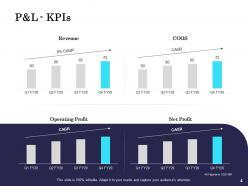
Slide 4: This slide depicts P&L - KPIs.
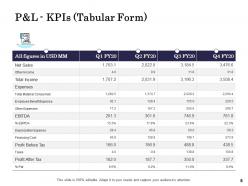
Slide 5: This slide showcases P&L - KPIs in tabular form.
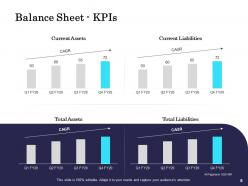
Slide 6: This slide depicts Balance Sheet - KPIs
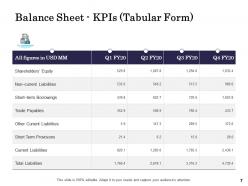
Slide 7: This slide shows Balance Sheet - KPIs in Tabular Form.
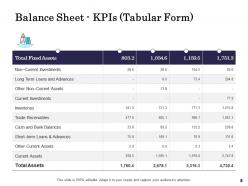
Slide 8: This slide showcases Total Assets of the Organization.
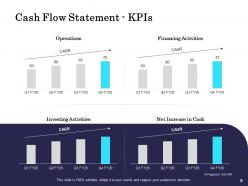
Slide 9: This slide showcases Cash Flow Statement - KPIs.
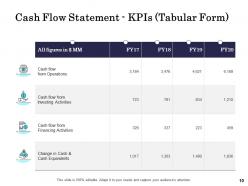
Slide 10: This slide presents Cash Flow Statement - KPIs in Tabular Form.
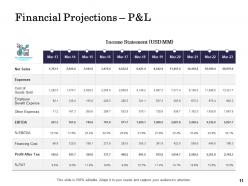
Slide 11: This slide depicts Financial Projections – P&L.
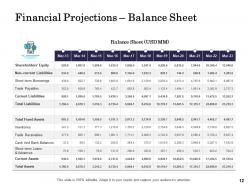
Slide 12: This slide displays Financial Projections – Balance Sheet.
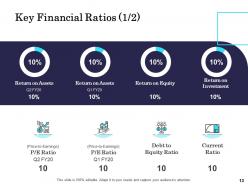
Slide 13: This slide presents Key Financial Ratios.
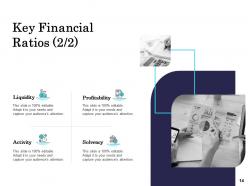
Slide 14: This slde presents Key Financial Ratios with- Profitability, Liquidity, Activity, Solvency.
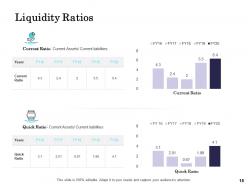
Slide 15: This slide depicts Liquidity Ratios.
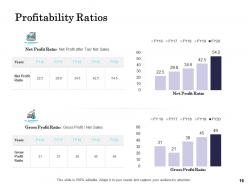
Slide 16: This slide showcases Profitability Ratios.
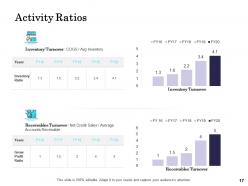
Slide 17: This slide presents Activity Ratios.
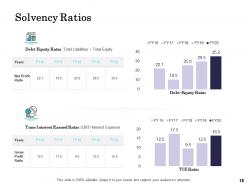
Slide 18: This slide showcases Solvency Ratios.
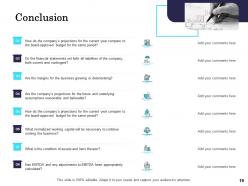
Slide 19: This slide showcases Conclusion.
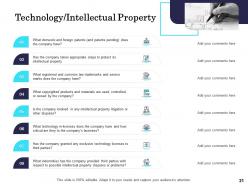
Slide 20: This slide describes Technology/Intellectual Property.
Slide 21: This slide depicts Technology/Intellectual Property.
Slide 22: This slide showcases Customers/Sales.
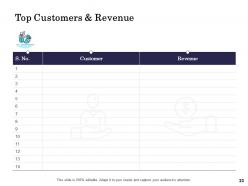
Slide 23: This slide displays Top Customers & Revenue
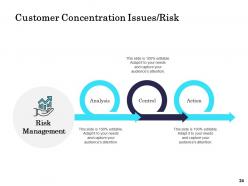
Slide 24: This slide showcases Customer Concentration Issues/Risk.
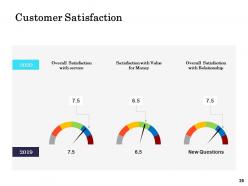
Slide 25: This slide showcases Customer Satisfaction with- Key Performance Indicators
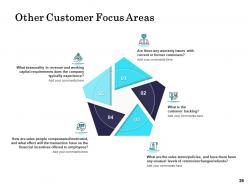
Slide 26: This slide depicts Other Customer Focus Areas.
Slide 27: This slide displays Strategic Fit with Buyer
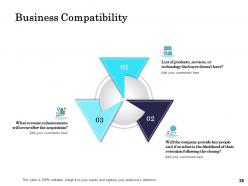
Slide 28: This slide showcases Business Compatibility.
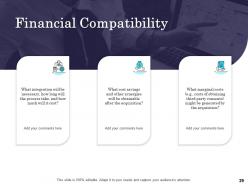
Slide 29: This slide displays Financial Compatibility.
Slide 30: This slide displays Material and Contract with related inforamtion.
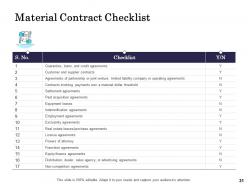
Slide 31: This slide displays Material Contract Checklist.
Slide 32: This slide displays Employee Management Issues.
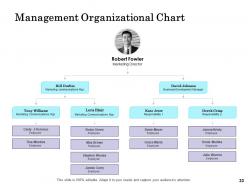
Slide 33: This slide showcases Management Organizational Chart.
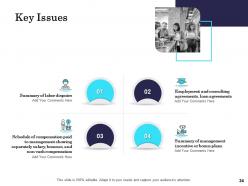
Slide 34: This slide showcases Key Issues.
Slide 35: This slide describes Litigation.
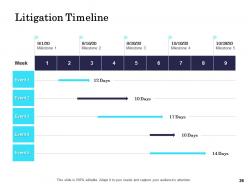
Slide 36: This slide showcases Litigation Timeline.
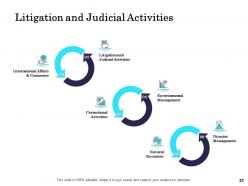
Slide 37: This slide presents Litigation and Judicial Activities.
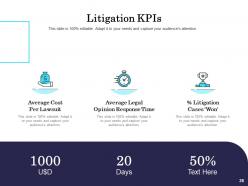
Slide 38: This slide showcases Litigation KPIs.
Slide 39: This slide showcases Taxation.
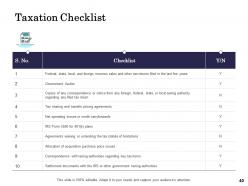
Slide 40: This slide depicts Taxation Checklist
Slide 41: This slide showcases Insurance Antitrust & Regulatory Issues.
Slide 42: This slide showcases Antitrust and Regulatory Issues
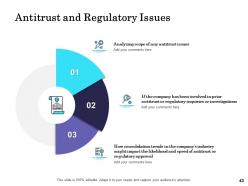
Slide 43: This slide depicts Antitrust and Regulatory Issues.
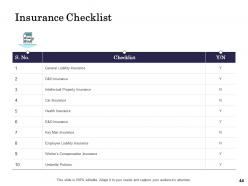
Slide 44: This slide shows Insurance Checklist.
Slide 45: This slide represents Environmental Issues & General Business Affairs.
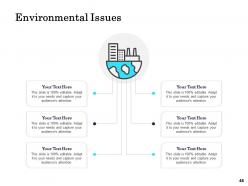
Slide 46: This slide shows Environmental Issues.
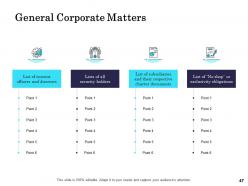
Slide 47: This slide represents General Corporate Matters.
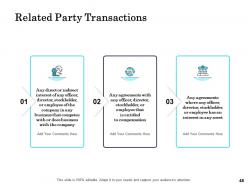
Slide 48: This slide depicts Related Party Transactions.
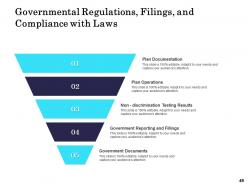
Slide 49: This slide presents Governmental Regulations, Filings, and Compliance with Laws.
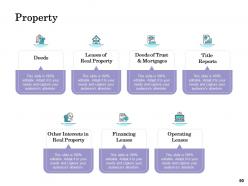
Slide 50: This slide depicts Deeds of Trust & Mortgages
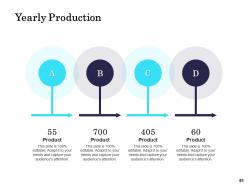
Slide 51: This slide showcases Yearly Production.
Slide 52: This slide presents Marketing & Business Development.
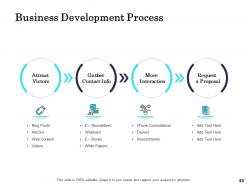
Slide 53: This slide showcases Business Development Process.
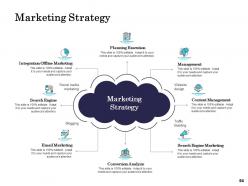
Slide 54: This slide represents Marketing Strategy.
Slide 55: This slide showcases Competitive Analysis.
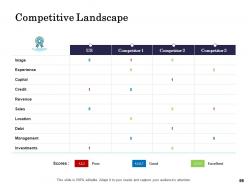
Slide 56: This slide describes Competitive Landscape.
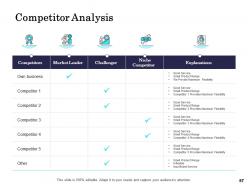
Slide 57: This slide depicts Competitor Analysis.
Slide 58: This slide showcases Summary.
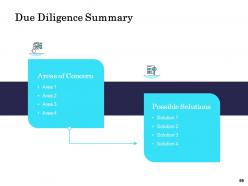
Slide 59: This slide displays Due Diligence Summary.
Slide 60: This is Commercial Due Diligence Process Icons Slide.
Slide 61: This slide is titled as Additional Slides for moving forward.
Slide 62: This slide reminds about Coffee Break.
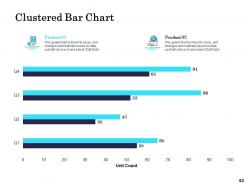
Slide 63: This slide showcases Clustered Bar Chart with product comparison.
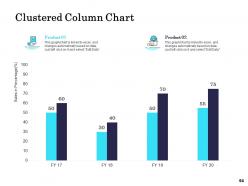
Slide 64: This slide displays Clustered Column Chart with different product comparison.
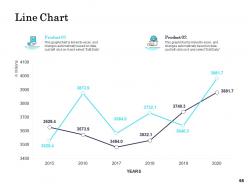
Slide 65: This slide shows Line Chart with product comparison.
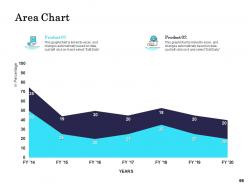
Slide 66: This slide displays Area Chart with product comparison.
Slide 67: This is Our Team slide with names and designations.
Slide 68: This is About Us slide to showcase company specifications.
Slide 69: This is Our Mission slide with Vision, Mission and Goal.
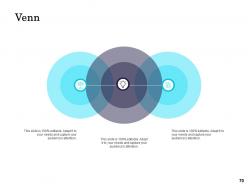
Slide 70: This is Venn slide.
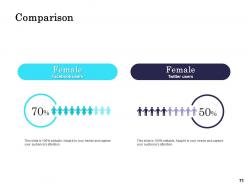
Slide 71: This is Comparison slide showcasing comparison between female facebook users and female twitter users.
Slide 72: This is Location slide.
Slide 73: This is Financial slide. Showcase finance related stuff here.
Slide 74: This is Timeline slide.
Slide 75: This slide is titled as Post It Notes. Post your important notes.
Slide 76: This is Puzzle slide with icons and text boxes.
Slide 77: This is Idea Generation slide to highlight ideas, information, facts.
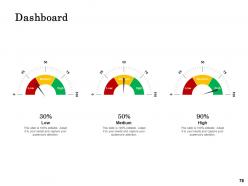
Slide 78: This is Dashboard slide.
Slide 79: This is Quotes slide to convey message, beliefs.
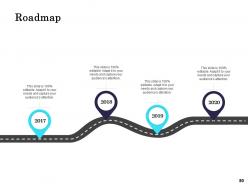
Slide 80: This is Roadmap slide.
Slide 81: This is Mind Map slide for representing entities.
Slide 82: This is Thank You slide with Address, Email address and Contact number.
Commercial due diligence process powerpoint presentation slides with all 82 slides:
Use our Commercial Due Diligence Process Powerpoint Presentation Slides to effectively help you save your valuable time. They are readymade to fit into any presentation structure.
























FAQs for Commercial due diligence process
Look, commercial due diligence is basically your bullshit detector for investment deals. Management teams will paint this perfect picture, but you need to dig into the real numbers - customer concentration, pricing power, competitive threats, all that stuff. It's your chance to stress-test whether their growth story actually holds water or if you're about to throw money at a sinking ship. Sometimes you'll find deal-breakers that make you walk away. Other times you'll spot weaknesses that give you leverage to negotiate better terms. Either way, way better than going in blind.
So commercial DD is basically looking at whether the business actually works - like who are their customers, how do they stack up against competitors, can they actually grow. Financial DD is more about crunching the numbers and figuring out if their revenue is real or just accounting magic. Honestly, the financial stuff can be pretty dry. But here's what I've learned: commercial tells you if it's worth buying, financial tells you what it's worth paying. Both matter, but I'd say start with commercial since that's what really drives whether you want in or not.
Here's what I'd look at: market size first - but actually dig into the segments because growth usually hides in weird niches. Then check out your real competition (not just the obvious players). Customer behavior matters too - how sticky are they? Regulatory stuff can totally blindside you, so stay on top of any changes coming down the pipeline. Pricing power is huge - can you actually sustain those margins or are you fooling yourself? Honestly, I'd start with sizing the market since everything else kinda flows from there. Customer concentration is worth checking too.
So basically, you want to figure out if this company can actually beat their competition, right? Map out their top 5-7 competitors first - see who's winning market share and if anyone's about to disrupt everything. Honestly, it's like industry gossip but way more expensive lol. This stuff helps you check if their growth numbers are realistic or total BS. Plus you might find some hidden advantages that don't show up in the financials. Oh, and don't forget to look at recent moves - acquisitions, new products, that kind of thing.
Honestly, customer feedback is make-or-break for due diligence. You need to talk directly to their top customers - like their biggest 10-15 accounts. Ask for interview access super early because this stuff takes time to set up. What you're really after is whether customers are happy, planning to stick around, and if there are any red flags the financials won't show you. I've seen deals go sideways because nobody bothered checking if customers were actually satisfied or just trapped in contracts. The interviews help you figure out if those revenue projections are realistic and where the growth opportunities actually are. Don't just trust the numbers on paper.
Check three things: can the market actually support real growth, or are they being way too optimistic? Next, dig into their operations - tech stack, processes, all that stuff. Will it handle 2-3x volume without completely falling apart? Unit economics matter too. Margins should improve or at least not tank as they scale up. I've watched so many businesses look amazing on paper until you realize their costs explode at higher volumes - it's brutal. Look for the specific bottlenecks that'll kill their growth and see if management has actual plans to fix them, not just wishful thinking.
Dude, don't rush the customer concentration stuff - that's where people mess up big time. Are those sales actually recurring or just one-offs? Check that first. Management will paint a rosy picture of competition, but do your own digging. I learned this the hard way lol. Test their growth numbers against real market size too. Oh, and here's the thing - people waste hours on tiny operational details while missing huge red flags in customer contracts. That's backwards. Cross-check everything they tell you with outside sources. Revenue quality matters way more than fancy projections.
Look, the management team can totally flip your whole assessment of a deal. Bad leadership usually means there's deeper problems that won't show up in the financials. I'd dig into their track record and see if they can actually execute their plans. Honestly? I've watched deals die because the numbers looked great but the team was trash - and investors were right to walk. Good leaders can fix mediocre businesses, but terrible management will destroy even the most promising companies. Spend real time with the executives and definitely call their former colleagues for references.
Honestly, start with the boring stuff first - licensing requirements and compliance costs can totally kill a deal if you're not careful. Map out regulatory approval timelines too. Then figure out what you'd need upfront: infrastructure, tech, distribution networks, whatever. The capital requirements add up fast. Don't skip analyzing what advantages the big players already have. Patents, exclusive supplier deals, high customer switching costs - that kind of thing makes your life way harder. Oh, and definitely talk to industry experts and potential customers. You need real data on both cost and timeline to grab actual market share.
So first thing - figure out what regulations actually apply to their business. Like what licenses they need, compliance stuff they have to follow, any regulatory changes coming down the pipe. This whole compliance picture basically dictates where you focus your digging. Miss something major here and the deal's toast, honestly. Heavily regulated industries? You'll be drowning in operational docs and procedures - just the nature of it. But yeah, map out the regulatory landscape early, then use that to build your actual due diligence checklist around those specific requirements.
Check revenue quality first - customer concentration, recurring vs one-time stuff, churn rates. Growth metrics matter too like CAC and LTV. Market positioning is huge. Don't ignore the boring operational things though - margins, working capital, seasonal patterns that could mess you up later. Customer satisfaction data is honestly better than most financial metrics for predicting what's coming. Also dive into retention numbers. Oh and pipeline conversion rates if they have decent tracking. Hit these areas and you'll spot the big issues before they blindside you.
Dude, you can cut your due diligence time in half with the right tech. AI platforms will rip through financial docs and contracts way faster than you ever could manually - honestly saved my ass on the last deal. Virtual data rooms make sharing documents super smooth, and some tools even grab real-time competitor data which is clutch. Start with a solid data room setup, then grab an AI document analyzer. The automated reporting alone will save you hours of mind-numbing work. Trust me, it's worth the investment upfront.
You absolutely have to bake economic trends into your DD from the start. Take a retail company during inflation - their past margins might look amazing, but they're probably toast going forward. Interest rates mess with customer spending, supply chains get wonky, and suddenly your target's fundamentals are garbage. Honestly, I've watched so many deals implode because people just ignored the obvious macro stuff staring them in the face. Don't trust management's sunny forecasts either. Run different economic scenarios against their numbers and see what breaks. Way better to be pessimistic upfront than surprised later.
Skip the generic "tell us about your culture" questions - total waste of time. Instead, dig into the messy stuff during interviews with both leadership teams. How do they actually handle conflict? What gets people promoted vs fired? Are they move-fast-and-break-things or slow-and-steady types? Focus on decision-making styles and communication patterns. The operational pace thing is huge too - I've seen deals crash because nobody realized one side was startup-speed and the other was enterprise-methodical. Map out these friction points early so you can plan around them instead of crossing your fingers and hoping it works out.
Look, exit strategy stuff matters way more than people think. It literally changes how you look at the whole deal and what risks make sense. Are you going for a trade sale, IPO, or management buyout? Each one needs totally different positioning and growth paths. I've watched teams blow up deals because they never got on the same page about this early on. Your timeline matters too - like, do you need quick cash flow or are you building for long-term market control? Oh, and don't just run generic growth models. Test your business against your actual exit plan, not some cookie-cutter assumptions.
-
Excellent design and quick turnaround.
-
Attractive design and informative presentation.
-
Visually stunning presentation, love the content.