


Geschäftsmietvertrag-Vorschlag Präsentationsfolien




Try Before you Buy Download Free Sample Product
 Impress Your
 Audience
 100%
100% Editable
 Save Hours
 of Time


Der Mietvertrag ist eine Vereinbarung zwischen dem Mieter und dem Eigentümer, die Informationen zu einer bestimmten Immobilie enthält. Es ist sehr schwierig, einen geeigneten Wohnraum zu finden. Daher hilft der Makler dem Mieter, eine gute Mietwohnung zu finden, bei der sie sich auf alle Bedingungen des Vermieters einigen müssen. Die von beiden Parteien unterzeichnete Vereinbarung wird als Mietvertrag bezeichnet. Bieten Sie Ihren potenziellen Kunden eine unkomplizierte Mietvertragslösung mit Hilfe unserer informativen Präsentationsfolien für gewerbliche Mietverträge. Mit der Vorlage für Ihren Mietvertragsvorschlag können Sie ein hervorragendes Angebot erstellen und mehr Kunden gewinnen. Nutzen Sie unser ansprechendes Präsentationsdesign für gewerbliche Mietverträge und erläutern Sie die Vorteile Ihrer Dienstleistungen, die Ihr Unternehmen von anderen unterscheiden. Profitieren Sie von diesem auffallenden Präsentationsdesign für Mietvertragsvorschläge und passen Sie die Informationen im Anschreiben an Ihre Bedürfnisse an. Mit der Präsentationsvorlage für Mietvertragsvorschläge können Sie Ihre Geschäftsfähigkeiten erweitern und in der Immobilienbranche führend sein. Verwenden Sie diese kreativ gestaltete Folie für gewerbliche Mietvertragsvorschläge, um Ihre vorgeschlagenen Dienstleistungen wie die Vermietung von Gewerbeimmobilien, Vermietung, Vermögensverwaltung und Mietkauf oder Renovierung hervorzuheben. Mit Hilfe unseres interaktiven Präsentationsdesigns für Mietvertragsvorschläge können Sie den dreistufigen Prozess der Beratung, Suche & Besichtigung sowie Finalisierung & Mietvertrag erwähnen. Dies wird dazu beitragen, die Bedürfnisse Ihrer Kunden zu erfüllen. Nutzen Sie das Layout für gewerbliche Mietvertragsvorschläge, um Ihr Mietdokument für Geschäftszwecke professionell aussehen zu lassen. Sie können die Aufmerksamkeit Ihres Kunden auf Ihre bisherigen Projekte und Arbeiten lenken, die Ihrem Vorschlag einen modernen Touch verleihen. Bleiben Sie der Identität Ihres Unternehmens treu und schließen Sie in Zukunft mehr Deals ab, indem Sie unsere fertige Präsentationsvorlage für gewerbliche Mietvertragsvorschläge herunterladen.
People who downloaded this PowerPoint presentation also viewed the following :
Inhalt dieser Powerpoint-Präsentation
Folie 1: Diese Folie führt den Gewerbemietvertrag ein. Geben Sie Kundendetails, Benutzerdetails usw. an.
Folie 2: Auf dieser Folie wird das Deckblatt für den Gewerbemietvertrag angezeigt.
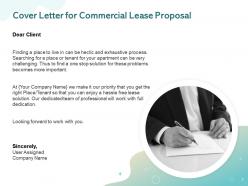
Folie 3: Auf dieser Folie wird das Inhaltsverzeichnis angezeigt.
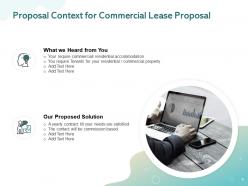
Folie 4: Auf dieser Folie wird der Kontext des Gewerbemietvertrags vorgestellt.
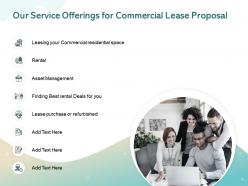
Folie 5: Auf dieser Folie werden unsere Dienstleistungsangebote für den Gewerbemietvertrag beschrieben.
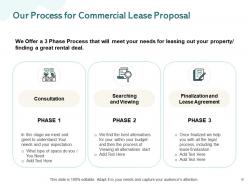
Folie 6: Auf dieser Folie wird unser Prozess für den Gewerbemietvertrag vorgestellt. Wir bieten einen 3-Phasen-Prozess an, der Ihre Bedürfnisse für die Vermietung Ihrer Immobilie/das Finden eines guten Mietangebots erfüllt.
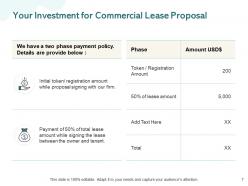
Folie 7: Auf dieser Folie wird Ihre Investition für den Gewerbemietvertrag vorgestellt.
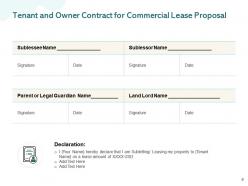
Folie 8: Auf dieser Folie wird der Miet- und Eigentümervertrag für den Gewerbemietvertrag dargestellt.
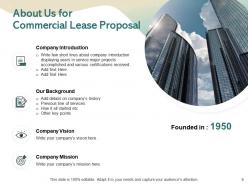
Folie 9: Dies ist die Folie "Über uns", auf der die Unternehmensspezifikationen vorgestellt werden.
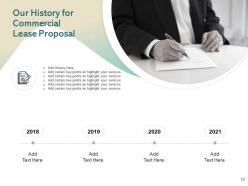
Folie 10: Auf dieser Folie wird unsere Geschichte für den Gewerbemietvertrag dargestellt.
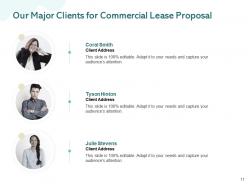
Folie 11: Auf dieser Folie werden unsere wichtigsten Kunden für den Gewerbemietvertrag vorgestellt.
Folie 12: Auf dieser Folie werden Kundenreferenzen für den Gewerbemietvertrag angezeigt.
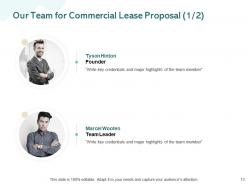
Folie 13: Dies ist die Folie "Unser Team" mit Namen und Bezeichnungen.
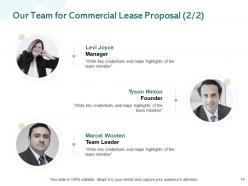
Folie 14: Auf dieser Folie wird unser Team mit Namen und Bezeichnungen angezeigt.
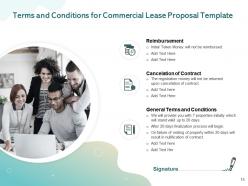
Folie 15: Auf dieser Folie werden die Geschäftsbedingungen für die Vorlage des Gewerbemietvertrags angezeigt.
Folie 16: Dies ist die Folie "Kontakt" mit Adresse, E-Mail-Adresse und Kontaktnummer.
Folie 17: Dies ist die Symbolfolie für den Gewerbemietvertrag.
Folie 18: Diese Folie trägt den Titel "Zusätzliche Folien für den Fortschritt".
Folie 19: Dies ist die Folie "Unsere Mission" mit Vision, Mission und Ziel.
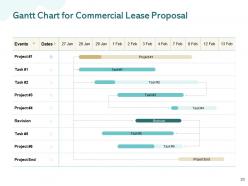
Folie 20: Auf dieser Folie wird der Gantt-Chart für den Gewerbemietvertrag angezeigt.
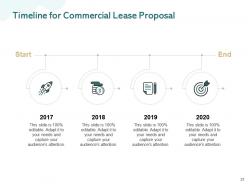
Folie 21: Auf dieser Folie wird der Zeitplan für den Gewerbemietvertrag dargestellt.
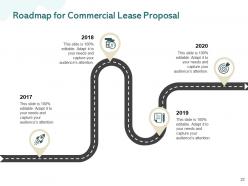
Folie 22: Auf dieser Folie wird die Roadmap für den Gewerbemietvertrag angezeigt.
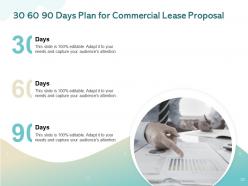
Folie 23: Dies ist die Folie "30 60 90 Tage Plan".
Gewerbemietvertrag-Vorschlag Präsentationsfolien: 1. Deckblatt 2. Inhaltsverzeichnis 3. Einführung 4. Objektbeschreibung 5. Mietfläche 6. Mietdauer 7. Mietzins 8. Nebenkosten 9. Kaution 10. Instandhaltung und Reparaturen 11. Umbaumaßnahmen 12. Nutzungsrechte 13. Haftung und Versicherung 14. Kündigung 15. Vertragsverlängerung 16. Vertragsübertragung 17. Salvatorische Klausel 18. Schlussbestimmungen 19. Anlagen 20. Unterschriften 21. Kontaktinformationen 22. Zusammenfassung 23. Schlusswort
Unsere Präsentationsfolien für kommerzielle Mietvertragsvorschläge helfen Ihnen, wertvolle Zeit zu sparen. Sie sind fertig erstellt und passen in jede Präsentationsstruktur.




FAQs for Commercial lease proposal
Obviously get the basics covered first - rent, lease length, square footage, what space you're actually getting. Security deposits matter too, plus who pays utilities and maintenance. Common area fees can really add up so ask about those. Make sure you know what you can actually do in the space and get renewal options in writing. Parking is huge - I've seen people overlook that and regret it. Build-out responsibilities should be crystal clear because that gets messy fast. Oh, and definitely have a commercial attorney look it over before you submit anything. Way better to catch issues now than during negotiations.
Be super specific upfront - no wishy-washy language. Bullet point your must-haves: rent increases, who handles maintenance, what they can actually do with the space, restrictions, all of it. I've watched deals completely blow up because landlords thought tenants would magically know their random rules. Don't dump everything in huge paragraphs either. Bold the important stuff so it's impossible to miss. Honestly, you'll save yourself so many headaches later if you just over-communicate now instead of dealing with surprises. Send them a detailed term sheet first, then hop on a call to explain anything that seems confusing.
First things first - nail down rent, lease length, and what's actually included each month. Location's huge for foot traffic obviously. Then get into the weeds on maintenance stuff - some landlords are basically MIA when things break. Check if they're gonna restrict your signage or business hours too. Parking situation matters more than you'd think. Can you sublease later if things change? I'd also ask about modifications upfront since most places are weird about that. Oh and definitely negotiate - don't just take their first offer. Get it all written down.
Look, market conditions basically control everything you can ask for. When there's high demand, landlords get picky - they want longer terms, higher rent, and won't budge on much. But flip that around? You've got way more room to negotiate rent bumps, improvement money, even exit clauses. Supply and demand runs the show here. Interest rates mess with things too since they affect how hard landlords push. Honestly, timing is huge - try to negotiate when it's a tenant's market, or at least know what you're walking into so you don't get steamrolled.
Here's what I'd do - start high or low on rent depending on your position, then work from there. Landlords usually want shorter terms to keep their options open. You'll want longer to lock in your rate. Instead of just fighting over rent, bundle stuff together - free months, improvements, lower deposit, whatever. Timing matters way more than people think though. Hit them at quarter-end or year-end when they're desperate to close deals. Oh, and always ask for improvement money even if the place looks decent already. Sometimes they'll throw it in just to get things moving.
Location literally makes or breaks your lease deal. Prime spots cost way more upfront, but landlords are usually chill about other stuff since they know you'll probably kill it there. Crappier locations? Yeah, you'll pay less rent but they'll hit you with stricter terms and longer commitments - basically making you prove you won't bail. Oh, and don't expect much help with renovations either. They need that security when the spot's sketchy. Just make sure the higher rent actually makes sense for your customers. Sometimes that fancy corner isn't worth going broke over.
Start with the obvious stuff - rent, lease length, security deposit, who pays for repairs. Permitted uses are super important too, trust me on this one. Vague language there will come back to haunt you. Check zoning laws and get permits sorted before you sign anything. Termination clauses matter more than people think - you don't want to be trapped if things go sideways with your business. Oh, and definitely have a commercial real estate lawyer look it over first, especially if it's a long lease. Worth every penny.
Look, getting your lease details nailed down upfront saves you from those "wait, who's supposed to fix the AC?" fights later. Cover the basics - rent increases, who handles repairs, renewal terms, exit strategies. Forces you both to think through problems before they cost serious money. Honestly, I've seen too many businesses get screwed because they rushed through the fine print. Be super specific about expansion rights if your company might grow. Yeah, it takes longer now, but you'll thank yourself when something breaks and there's no confusion about who pays. Trust me on this one.
Yeah, so the property type completely changes how you should write your lease proposal. Retail spots are all about foot traffic and visibility - landlords often want percentage rent based on your sales too. Office spaces? Focus on professional vibes, parking, and whether the layout works for your team. Industrial is where I'd get into the weedy stuff - loading docks, ceiling heights, electrical capacity. Honestly, each type has totally different market rates and what landlords expect to see. Don't just wing it - research what's normal for that specific property type first.
Start with terms that favor you - rent caps, improvement money, flexible use stuff. Landlords expect negotiation anyway, so go stronger than you think you'll land on. I've watched people get way less just because they played it too safe from the jump. Look up what other tenants got in similar deals so you know you're not being crazy. Present everything professionally with real data backing your asks. Don't just throw out random requests - explain why it works for both of you. The worst thing is leaving money on the table because you were too cautious initially.
Definitely include your base rent per square foot and total monthly costs - that means CAM charges and taxes too. Lease terms with escalation clauses are crucial. Security deposit amount obviously. Being upfront about everything actually saves you time since you'll filter out people who aren't serious. Mention your tenant improvement allowance if you've got one, plus any rent-free periods. I'd make a simple one-page sheet with all this stuff laid out clearly. Nobody likes surprises when they're already committed, you know? Transparency from day one just makes the whole process smoother for everyone.
Oh definitely use visuals! Landlords are busy and charts showing your revenue growth or customer demographics tell your story way faster than paragraphs of text. I've seen proposals with simple floor plan mockups that just stand out so much more. Basic graphs of payment history add tons of credibility too. Even brand photos help - honestly anything that's not just walls of boring text. The thing is, landlords mainly care about two things: you'll pay rent on time and won't trash their property. Clean, relevant visuals prove both points at a glance.
Honestly, the two biggest screwups I see are being way too vague and missing all the hidden fees. Like, you've gotta spell out who handles maintenance, what you can actually use the space for, utilities - all that boring stuff. Otherwise you'll be arguing about it later. Hidden costs will kill you though - CAM charges, property taxes, insurance gets expensive quick. Oh and definitely factor in yearly rent bumps because landlords always want those locked in. I learned that one the hard way! Get everything written down, even the obvious stuff that feels awkward to mention.
Dude, start with DocuSign or something similar - that alone will save you so much hassle with signatures. CRM tools help you track everything instead of losing proposals in random email chains (been there). Templates are a game changer too since you're not starting from scratch each time. Property management software can fill in lease terms automatically, which honestly saves hours. I'd pick one thing first rather than trying to do everything at once - maybe the digital signatures since that's where most deals get stuck anyway. Build up from there once you get comfortable.
So contingency clauses are basically your get-out-of-jail-free cards. They cover stuff like securing financing, getting permits, or making sure your current lease ends properly. If any of those fall through, you can walk away without penalty. Honestly, I've seen too many people get burned by skipping these - it's not worth the risk. The trick is setting realistic deadlines though. Vague terms won't help you if things get messy. Short version: they protect you when life happens and plans change unexpectedly.
-
Awesomely designed templates, Easy to understand.
-
Thanks for all your great templates they have saved me lots of time and accelerate my presentations. Great product, keep them up!
-
The Designed Graphic are very professional and classic.