

Communication Flow Steps Process Organization Department Internal






Try Before you Buy Download Free Sample Product
 Impress Your
 Audience
 100%
100% Editable
 Save Hours
 of Time


Avoid any diversion of attention with our Communication Flow Steps Process Organization Department Internal. Highlight irrelevant aspects.
People who downloaded this PowerPoint presentation also viewed the following :
Communication Flow Steps Process Organization Department Internal with all 11 slides:
Our Communication Flow Steps Process Organization Department Internal can be irresistible. It's inherent beauty is difficult to ignore.

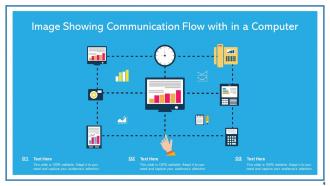
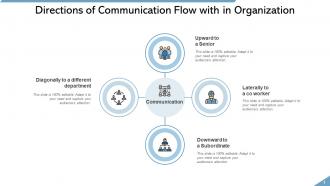
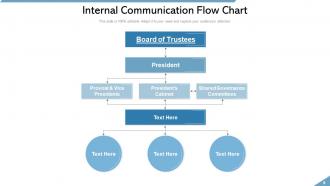

FAQs for Communication Flow Steps Process
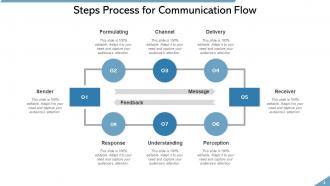
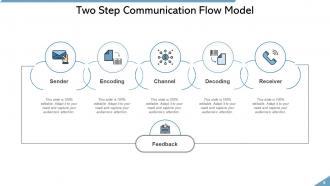
So there are five main parts to how communication works: sender, encoding, channel, decoding, and receiver. Basically you have an idea, turn it into words or symbols, pick how to send it (like email or just talking), then the other person translates it back into meaning. Feedback is huge too - honestly might be the most crucial part. Each step can mess things up if you're not paying attention. Random thought but I've noticed people skip the feedback part way too often. Next time you need to communicate something big, just think through each piece beforehand. Helps you catch problems early.
Ugh, noise messes with communication in so many ways you don't even realize. Like yeah, there's obvious stuff - loud background sounds during calls, or when you're too stressed to focus. But cultural differences can trip up diverse teams too. The worst part? Sometimes you have no clue it's even happening. Technical jargon flies right over non-experts' heads in meetings. Personal biases twist how we hear things. My advice? Actually check if people get what you're saying. Pick the right way to share your message. And honestly, just try to cut down distractions when you can.
Dude, feedback is literally how you know if you're making sense or just rambling. Without it, you might think you explained something perfectly while the other person is sitting there completely confused. It's wild how often we assume silence means "got it" when really they're lost. The cool thing is when you actually get that back-and-forth going - you adjust based on their reaction, they ask questions, whatever. Creates this whole flow thing. Pro tip: just ask "does that make sense?" instead of hoping they'll speak up if they're confused. Trust me on this one.
Oh man, cultural stuff totally changes how people talk to each other! Like, being super direct might seem rude in some cultures that prefer hints and subtlety. But then if you're too vague, people from straightforward cultures get confused. I've definitely bombed a few international calls because of this lol. Eye contact, silence, how you handle bosses - it's all different everywhere. Some places want to chat and build relationships first before jumping into business. My advice? Do a quick Google on their communication style beforehand and try to match their vibe.
Honestly, just put your phone away and actually look at people when they talk - it's wild how much more you pick up. I always try to repeat back what I heard like "so you're saying..." because it shows I'm paying attention. Ask questions that can't be answered with yes/no too. The hardest part? Not jumping in with advice right away (I'm terrible at this). Let them finish their whole thought first. Oh, and at the end of conversations, I'll usually recap the main points to make sure I didn't miss anything. Works pretty well for me.
Dude, non-verbal stuff is like 55% of communication - way more than most people realize. When your body language doesn't match your words, people believe what they see over what you hear. You know that "I'm fine" while someone's clearly pissed? Classic example. Crossed arms, avoiding eye contact - dead giveaway. Here's the thing though: if you want people to actually get your message, your gestures and tone need to back up what you're saying. Otherwise you're just confusing everyone. Pay attention to what your body's doing too, not just your mouth.
Honestly, it's usually noise, assumptions, and emotions getting in the way. You know that thing where you think you're being crystal clear but they're completely lost? That happens when we assume people know stuff they don't. Distractions and bad timing don't help either. Try actually listening instead of planning what you'll say next - game changer. Ask questions to clarify, and have them repeat back what they heard. Oh, and pick your medium wisely. Some convos need actual face time, not just firing off an email and hoping for the best.
Okay so basically tech lets us talk to anyone instantly, anywhere - which is wild but also creates this weird pressure to respond RIGHT NOW, you know? We've got emojis and gifs now that add meaning we never had before. But here's the thing - we lose all those face-to-face vibes and body language stuff, so misunderstandings happen way more. I actually think people are worse at phone calls now because we're so used to texting? Anyway, just pick the right platform for what you're trying to say and be super clear about it.
Look, being clear is huge - probably the biggest thing that'll make or break your message. People hate guessing what you mean, and honestly? They're terrible at it anyway. I always try to use specific words and real examples instead of vague stuff. Here's the thing though - every confusing sentence just gives people another chance to completely miss your point. Before hitting send on anything important, I do this quick check where I'm like "okay, would I actually get this if someone said it to me?" Sounds dumb but it works.
Honestly, it all comes down to knowing who you're talking to. Executives? Hit them with the bottom line right away - they don't have time for fluff. Technical people want the nitty-gritty details and actual data. I learned this the hard way lol. It's like code-switching depending on the room you're in. With external people I'm way more formal, but with my own team I can be super casual. Before I write anything now, I literally ask myself "what does this person actually care about?" Use examples they'll get and speak their language. Makes such a difference.
Dude, emotional intelligence is like having a cheat code for conversations. You can actually read when someone's pissed off or excited and adjust how you talk to them instead of just steamrolling ahead. Plus you won't send those passive-aggressive emails when you're mad (we've all been there lol). The best part? People trust you more because they feel like you actually get them. Honestly, just pause before speaking and check what the vibe is - it's surprising how much that simple thing helps. Your relationships will thank you.
So basically, synchronous is real-time stuff like calls and meetings where you get instant feedback. Way better for building relationships, but honestly? Those back-to-back Zoom days will drain your soul. Asynchronous is the delayed stuff - emails, Slack messages. People can actually think before responding, which is nice. Plus you get everything documented. Downside is things drag on forever and you miss all the nuance. I'd say use sync for brainstorming or anything sensitive. Async works great for updates or when you need thoughtful responses. Really depends on how urgent and complex the topic is.
Look, people just absorb visuals way faster than listening to someone talk. Your audience will actually remember stuff longer too. Complex data or processes? You absolutely need charts or diagrams - honestly, watching someone try to explain a workflow without visuals is torture. Plus it gives people something to look at instead of awkwardly staring at you the whole time. Different people learn differently anyway, so you're covering more bases. Just don't go overboard with fancy graphics that don't relate to your point. That'll backfire and distract everyone instead.
Honestly, skip the fancy jargon - just talk like a normal person. Don't assume everyone knows what you're talking about or comes from the same background. Mix up how you communicate too. Some people hate emails, others can't stand calls (I'm totally the email type). Pay attention to the quiet ones - they usually have good questions but won't always jump in. Oh, and instead of asking "any questions?" try "what questions do you have?" It's a small thing but actually works better. Most important part? Check that people actually get it instead of just nodding along.
Honestly, good interpersonal skills are what keep teams from completely imploding. You know how some meetings just feel awkward and tense? That's usually because people aren't really listening or picking up on social cues. When you actually pay attention to how others communicate and show empathy, everything flows better. Conflicts get resolved before they become major drama. You'll also figure out how to give feedback without people getting all defensive about it. My advice? Try listening way more than you talk in your next team meeting - I swear it makes such a difference in group dynamics.
No Reviews