

Communication Playbook Powerpoint Presentation Slides





Try Before you Buy Download Free Sample Product
 Impress Your
 Audience
 100%
100% Editable
 Save Hours
 of Time


Communication playbook serves as a blueprint for any organization that is willing to improve the flow of information. Grab our insightfully designed template on Communication Playbook. The following competent PPT highlights such vital strategies that you can implement in the organization to improve overall communication. The following presentation is helpful for an organization willing to improve its internal and external communication of the organization through a set of carefully defined action plans. The following playbook is strategically divided into 3 parts. The first portion of the playbook initially displays corporate communication as an organization strategy. It also helps in understanding the impact of these strategies on the organization. The second part of the playbook shows significant types corporate communication that organization needs to take into consideration. These types can be; Public Relations communication, Internal communication, stakeholder communication, and crisis communication. The final part of the playbook helps the organization establish a new workflow with a new communication strategy. It also highlights the key metrics that can be used to measure the success of these communication strategies. Get access now.
People who downloaded this PowerPoint presentation also viewed the following :
Content of this Powerpoint Presentation
Slide 1: This slide introduces Communication Playbook. State Your Company Name and begin.
Slide 2: This slide shows Purpose of Corporate Communication Playbook.
Slide 3: This slide presents Table of Content for the presentation.
Slide 4: This slide highlights title for topics that are to be covered next in the template.
Slide 5: This slide displays Overview of Corporate Communication Playbook.
Slide 6: The following slide provides an overview corporate communication as a strategy for the organization.
Slide 7: This slide represents Developing a Corporate Communication Strategy.
Slide 8: This slide highlights title for topics that are to be covered next in the template.
Slide 9: This slide showcases Types of Corporate Communications you can use.
Slide 10: This slide highlights title for topics that are to be covered next in the template.
Slide 11: The following slide provides an introduction to public relation as communication tool.
Slide 12: This slide shows Key Tools you can use for Public Relation Communication.
Slide 13: This slide presents Public Relation Communication Model for Corporates.
Slide 14: This slide highlights title for topics that are to be covered next in the template.
Slide 15: This slide displays Impact of Good Internal communication.
Slide 16: This slide represents Key Tools you can use for Internal Communication.
Slide 17: This slide showcases Internal Communication Model for Corporates.
Slide 18: This slide highlights title for topics that are to be covered next in the template.
Slide 19: The following slide provides an introduction to stakeholder communication as a tool for organization efficiency.
Slide 20: This slide represents Stakeholder Communication Model for Corporates.
Slide 21: This slide showcases Key Tools you can use for Stakeholder Communication.
Slide 22: This slide highlights title for topics that are to be covered next in the template.
Slide 23: The following slide provides an introduction to internal communication.
Slide 24: This slide shows Key Tools You Can Use for Crisis Communication.
Slide 25: This slide highlights title for topics that are to be covered next in the template.
Slide 26: This slide presents Establishing Successful Communications Flow.
Slide 27: This slide displays Checklist for Establishing a Successful Communication Strategy.
Slide 28: The following slide displays key KPIs that can be utilized by the organization to measure their communication strategy performance.
Slide 29: This slide showcases Icons for Communication Playbook.
Slide 30: This slide is titled as Additional Slides for moving forward.
Slide 31: This slide shows About the Organization for Communication Playbook.
Slide 32: This slide presents Our Product Offering for Communication Playbook.
Slide 33: This slide displays Our Geographical Presence for Communication.
Slide 34: This slide presents Bar chart with two products comparison.
Slide 35: This slide displays Mind Map with related imagery.
Slide 36: This slide shows Post It Notes. Post your important notes here.
Slide 37: This slide contains Puzzle with related icons and text.
Slide 38: This slide presents Roadmap with additional textboxes.
Slide 39: This is a Thank You slide with address, contact numbers and email address.
Communication Playbook Powerpoint Presentation Slides with all 44 slides:
Use our Communication Playbook Powerpoint Presentation Slides to effectively help you save your valuable time. They are readymade to fit into any presentation structure.
-

Communication Playbook
-
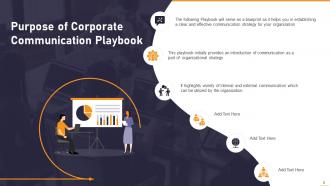
Purpose of Corporate Communication Playbook
-
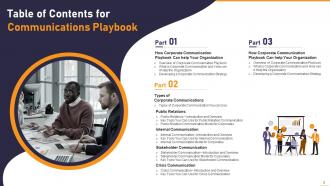
Table of Contents for Communications Playbook
-
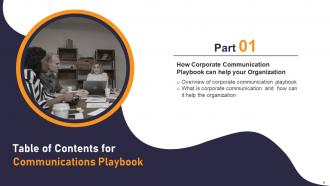
Communications Playbook Table of Contents
-
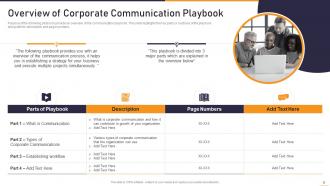
Overview of Corporate Communication Playbook
-
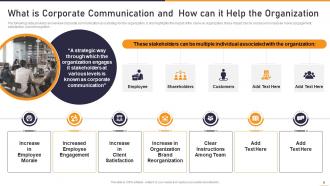
What is Corporate Communication and How can it Help the Organization
-
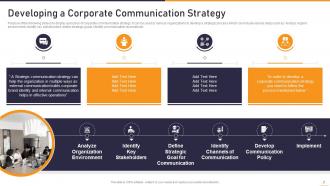
Developing a Corporate Communication Strategy
-
Table of Contents for Communications Playbook
-
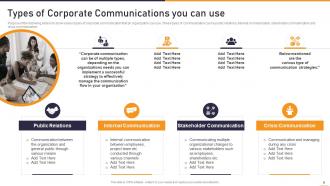
Types of Corporate Communications you can use
-
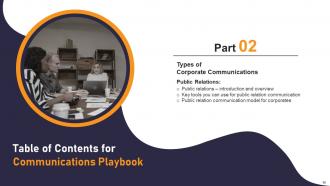
Communication Playbook
-
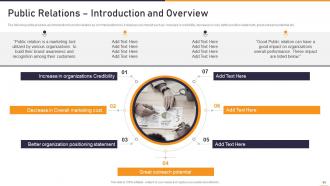
Public Relations Introduction and Overview
-
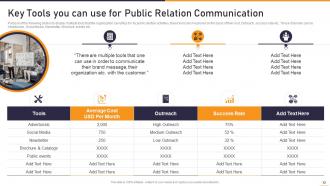
Key Tools you can use for Public Relation Communication
-
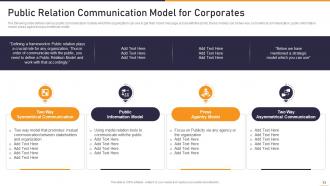
Public Relation Communication Model for Corporates
-
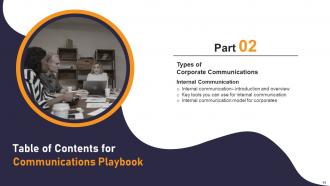
Table of Contents for Communications Playbook
-
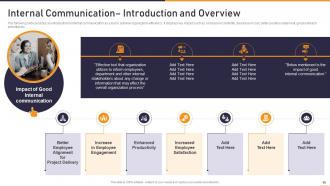
Internal Communication Introduction and Overview
-
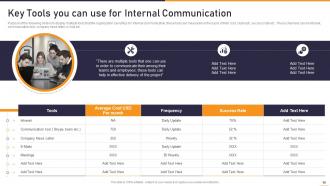
Key Tools you can use for Internal Communication
-
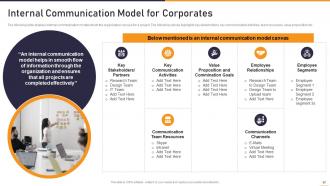
Internal Communication Model for Corporates
-
Communications Playbook Table of Contents
-
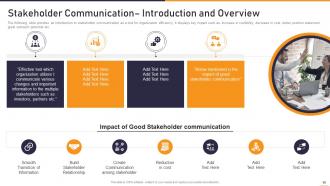
Stakeholder Communication Introduction and Overview
-
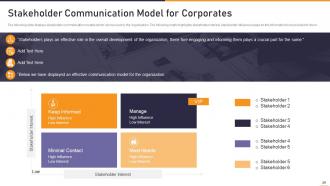
Stakeholder Communication Model for Corporates
-
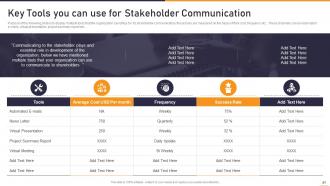
Key Tools you can use for Stakeholder Communication
-
Communications Playbook Table of Contents
-
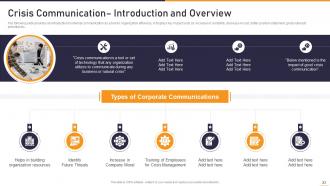
Crisis Communication Introduction and Overview
-
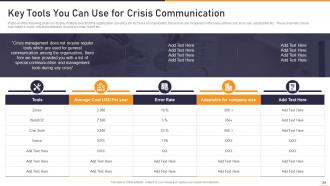
Key Tools You Can Use for Crisis Communication
-
Establishing New Workflow with New Communication Strategy
-
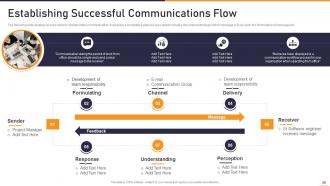
Establishing Successful Communications Flow
-
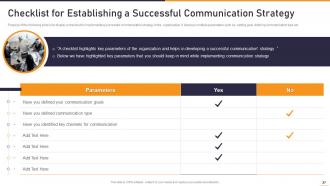
Checklist for Establishing a Successful Communication Strategy
-
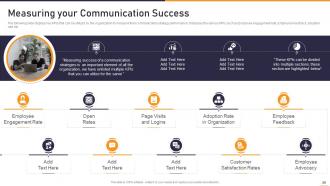
Measuring your Communication Success
-
Icons Slide for Communication Playbook
-

Additional Slides
-
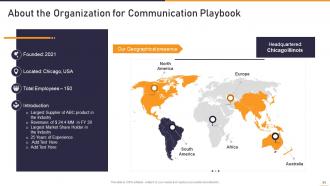
About the Organization for Communication Playbook
-
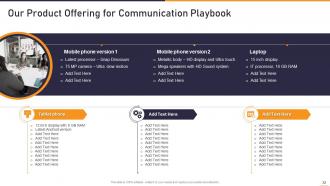
Our Product Offering for Communication Playbook
-
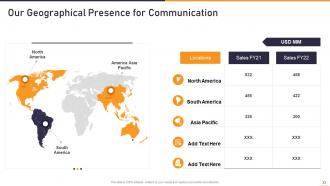
Our Geographical Presence for Communication
-
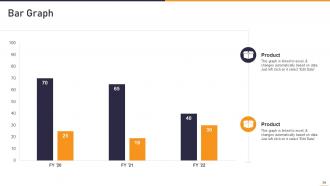
Bar Graph
-

Mind Map
-
Post it Notes
-
Puzzle
-
Roadmap
-

Thanks for Watching
-

-

-

-

-

FAQs for Communication Playbook
Start with your messaging framework and audience personas - that's your base layer. Brand voice guidelines are huge (seriously, teams that skip this always regret it later). You'll need crisis protocols and approval workflows too. Templates save tons of time for launches, customer issues, all that stuff. Oh, and don't forget contact lists with escalation paths. The whole thing needs to be something people actually reference, not buried in some shared drive nobody opens. Make it useful or it's pointless.
So a communication playbook is basically your team's cheat sheet for not stepping on each other's toes. Everyone knows how often you meet, who makes what decisions, and which teams need to stay in the loop. No more of those super awkward moments where you're all staring at each other like "um, wasn't this your thing?" I honestly think the best part is you stop wasting time on logistics stuff. Just document how your team already communicates, then figure out what's causing the biggest headaches. Way easier than starting from scratch.
So brand voice is just your company's personality showing up everywhere - emails, social media, whatever. It keeps things from feeling totally random when different people write stuff. You want to document what yours actually sounds like. Is it casual? Super professional? Kinda sarcastic? Then give your team real examples so they're not just guessing. Honestly, most companies skip this step and wonder why their messaging is all over the map. Start by looking at your best content and writing down what makes it work. That becomes your playbook for staying consistent.
Culture totally shapes how you should frame and deliver your messages. Germans appreciate direct communication, but that same approach would be a disaster in Japan - they process feedback and authority way differently. I learned this the hard way once! Your playbook needs cultural context for each audience, plus preferred channels by region. Don't forget timing around holidays or cultural events either. The trick is keeping your core message flexible so you can adapt delivery methods. Some cultures are all about relationship-building first, others just want you to get to the point.
Honestly? Just start with one simple thing - send your team a quick survey asking if the playbook actually helps them communicate faster. Track stuff like response times or how often people even look at the damn thing. If nobody's using it, there's your answer right there. Watch a few team meetings too - does communication flow better now? New hires are the real test though. Can they get up to speed quicker using your playbook? Don't overthink it. Pick one metric this week and see what happens.
Honestly, good visuals just make everything so much easier for people. They know exactly where to look instead of wandering around your slides confused. I always use the same template now - saves me hours of formatting hell every time. Charts and clear layouts mean your audience actually gets your point instead of trying to decode whatever you're saying. Oh and pick visuals that actually matter to your message, not just random stock photos that look "professional." Trust me, one solid template you can tweak beats starting from scratch. Your prep time drops and people can actually follow along.
Honestly, the biggest mistake is making it way too detailed - like you're trying to script every conversation. Nobody's gonna use a 50-page manual, trust me. Get your team involved from the start instead of having executives write it alone in some conference room. I've watched so many of these things flop because the people actually answering calls had zero input. Focus on your main principles and tone, but leave room for people to adapt. Oh, and definitely test it with real situations first - you'll catch the weird edge cases that way. Keep it simple and actually usable.
Honestly, digital tools can save your communication strategy from being another ignored document sitting in some folder. Slack's great for keeping messaging consistent across teams. Email templates are clutch too - saves so much time. I'd throw everything important in a shared drive so people can actually find your brand voice examples when they need them. Oh, and project management tools help track what messages are going out when. Game changer for staying aligned. Don't go crazy though - pick maybe 2 or 3 tools max that your team will actually stick with. Start with whatever you're already using daily and build from there.
First things first - make sure your playbook isn't total garbage. If it's too complex or doesn't match reality, people will just ignore it completely. Build it into stuff you're already doing, like project reviews or new hire training. Leadership has to actually use it (not just talk about it) or nobody else will care. Monthly refresh sessions work pretty well - you can fix the outdated parts together. Oh, and tie it to performance reviews somehow. Honestly, peer accountability is huge here. The whole thing needs to feel helpful, not like more corporate BS to deal with. Short story: useful playbooks get used, crappy ones get ignored.
Look, quarterly reviews are your friend here - but don't just stick to that schedule religiously. Big changes like new hires or switching tools? Update it right away. I've watched so many teams create these things and then never touch them again (total waste). Short bursts work better than marathon sessions anyway. Oh, and definitely assign this to one specific person instead of making it everyone's job - that never works out. Trust me on this one. Set that calendar reminder now before you forget!
Honestly, start simple with just 2-3 things that actually matter to your goals. Response time is probably the biggest one - people definitely notice when you're quick to get back to them. Then track engagement stuff like open rates and clicks, but here's the thing: getting eyeballs doesn't mean people understood what you meant. So throw in some quick surveys or just ask people directly if your message made sense. Oh, and measure how long it takes to clear up confusion afterward - that tells you a lot about clarity. Don't go overboard trying to track everything though, you'll just overwhelm yourself.
Honestly, just start asking people what they actually want from you communication-wise. I'd do quarterly check-ins or quick surveys after big campaigns. Trust me on this - I once buried our executives in way too much detail and they were NOT happy lol. Make simple feedback forms about message clarity, how often you're reaching out, and which channels they prefer. Then actually update your playbook with what you learn. Pick your top 3 stakeholder groups and send them like 5 quick questions this week. The whole thing works way better when it's ongoing instead of just once.
Honestly, skip the boring theory stuff and jump straight into real situations they'll deal with. During onboarding, hand over your playbook and then do some role-playing - customer complaints, internal updates, whatever comes up regularly. People need to screw up somewhere safe first, you know? Check in after their first week to see how it's going. But here's what really works - pair them with someone who's actually good at communication. That person can review their emails before they hit send. It's like training wheels but for workplace messaging, and it saves everyone from those awkward "what did they mean by this?" moments later.
So basically, you need pre-written responses for different crisis scenarios - saves you from panicking and saying something stupid when everything's falling apart. Keep contact lists handy, figure out who talks to the press (definitely not Kevin from accounting), and make sure everyone knows their role beforehand. Template messages are your best friend here. The whole point is avoiding that "oh shit, what do we say now?" moment when reporters start calling. Update it regularly though - nothing worse than outdated contact info during an actual crisis. Maybe run practice drills too so people don't freeze up when it's real.
Okay so basically structure your key messages like actual stories - problem, journey, resolution. Skip the boring stats upfront and open with relatable customer examples instead. Nobody stays awake through endless bullet points, but throw in a good story? They're hooked. Build up your stakeholders like characters people can picture. Create a "story bank" with solid anecdotes for different situations. That before/after transformation structure works really well too. Oh and practice your delivery out loud - timing matters way more than you'd think. Maybe record yourself telling one work story this week?
-
The team is highly dedicated and professional. They deliver their work on time and with perfection.
-
The best and engaging collection of PPTs I’ve seen so far. Great work!