


Strategy Execution Playbook Powerpoint Presentation Slides




Try Before you Buy Download Free Sample Product
 Impress Your
 Audience
 100%
100% Editable
 Save Hours
 of Time


Check out our professionally designed Strategy Execution Playbook that showcases the best strategic thinking, planning, and execution practices. It is essential for organizational leaders to formulate effective strategies across the firm. It represents performance specific guidelines to support staff while executing strategic goals to ensure business activities are aligned with the overall strategy. The playbook caters to crucial elements associated with strategic thinking, such as key phrases in the strategic thinking process, strategic thinking tool, Porters five competitive forces assessment, and 7S strategic analysis framework to assess organizational performance. It covers vital components of strategic planning in terms of the three step strategic planning process, redefining vision, mission and core values, strategy canvas, and product market matrix. Critical features related to strategic execution include a five step framework, strategic execution framework, business strategy mind map, organic growth profile selection for business expansion, essential business growth levers for firm development, and fundamental building blocks for strategy execution. Moreover, it describes strategic team initiatives by determining the role of the chief strategy officer, revamping the leadership and management team, and workforce training plan to upskill existing staff. Book a free demo now.
People who downloaded this PowerPoint presentation also viewed the following :
Content of this Powerpoint Presentation
Slide 1: This slide introduces Strategy Execution Playbook. State Your Company Name and begin.
Slide 2: This is an Agenda slide. State your agendas here.
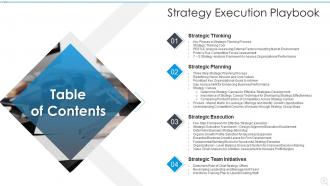
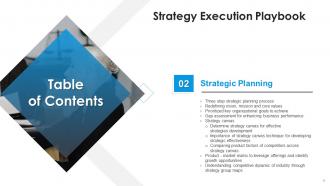
Slide 3: This slide presents Table of Contents for Strategy Playbook Template.
Slide 4: This slide highlights title for topics that are to be covered next in the template.
Slide 5: This slide displays key phases in strategic thinking process including spark, team, understand, etc.
Slide 6: This slide represents PESTLE Analysis Assessing External Factors Impacting Market Environment.
Slide 7: This slide showcases Porter’s Five Competitive Forces Assessment.
Slide 8: This slide shows 7- S analysis framework to assess organizational internal elements in terms of strategy.
Slide 9: This slide presents Table of Content for the presentation.
Slide 10: This slide displays three step strategic planning process in terms of where you are now.
Slide 11: This slide represents redefining of vision, mission and core values for enhancing overall productivity.
Slide 12: This slide showcases Prioritized Key Organizational Goals to Achieve.
Slide 13: This slide shows Gap Assessment for Enhancing Business Performance.
Slide 14: This slide presents Determine Strategy Canvas for Effective Strategies Development.
Slide 15: This slide displays Importance of Strategy Canvas Technique for Developing Strategic Effectiveness.
Slide 16: This slide represents Comparing Product Factors of Competitors Across Strategy Canvas.
Slide 17: This slide showcases product-market matrix to leverage offerings and identify growth opportunities.
Slide 18: This slide shows Understanding Competitive Industry Dynamics through Strategy Group Maps.
Slide 19: This slide highlights title for topics that are to be covered next in the template.
Slide 20: This slide presents Five Step Framework for Effective Strategic Execution.
Slide 21: This slide displays Strategic Execution Framework – Design Alignment Execution Enablement.
Slide 22: This slide represents business strategy mind map that caters visual representation of strategic initiatives.
Slide 23: This slide showcases Organic Growth Profile Selection for Business Expansion.
Slide 24: This slide shows Essential Business Growth Levers for Firm Development.
Slide 25: This slide presents Fundamental Building Blocks for Successful Strategy Execution.
Slide 26: This slide displays organizational level balanced scorecard system rolled out to employees.
Slide 27: This slide represents Value Chain Analysis for Activities Assessment to Increase Profit Margins.
Slide 28: This slide highlights title for topics that are to be covered next in the template.
Slide 29: This slide showcases sales management systems for productivity enhancement, automating manual tasks and customizing outreach.
Slide 30: This slide represents revamping of leadership and management team along with key takeaways.
Slide 31: This slide showcases Workforce Training Plan to Upskill Existing Staff.
Slide 32: This slide displays Icons for Strategy Execution Playbook.
Slide 33: This slide is titled as Additional Slides for moving forward.
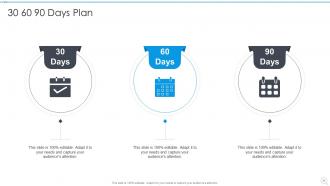
Slide 34: This slide provides 30 60 90 Days Plan with text boxes.
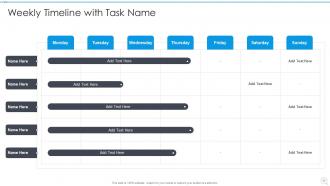
Slide 35: This slide represents Weekly Timeline with Task Name.
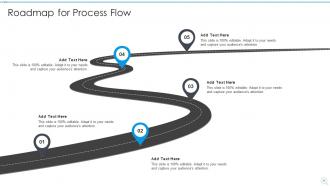
Slide 36: This slide showcases Roadmap for Process Flow.
Slide 37: This slide represents Stacked Column chart with two products comparison.
Slide 38: This is About Us slide to show company specifications etc.
Slide 39: This slide depicts Venn diagram with text boxes.
Slide 40: This slide shows Post It Notes. Post your important notes here.
Slide 41: This slide contains Puzzle with related icons and text.
Slide 42: This is a Timeline slide. Show data related to time intervals here.
Slide 43: This is a Thank You slide with address, contact numbers and email address.
Strategy Execution Playbook Powerpoint Presentation Slides with all 48 slides:
Use our Strategy Execution Playbook Powerpoint Presentation Slides to effectively help you save your valuable time. They are readymade to fit into any presentation structure.
-
Strategy Execution Playbook
-
Strategy Execution Playbook
-
Strategy Execution Playbook
-
Strategy Execution Playbook
-
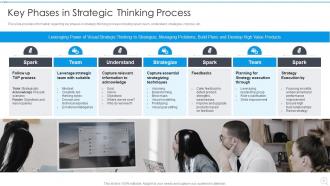
Key Phases in Strategic Thinking Process
-
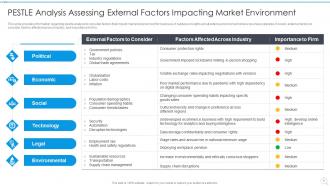
PESTLE Analysis Assessing External Factors Impacting Market Environment
-
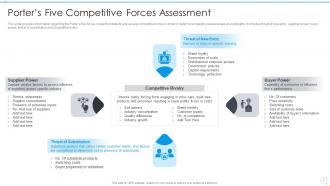
Porter s Five Competitive Forces Assessment
-
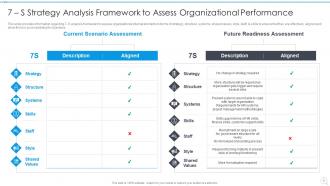
7 S Strategy Analysis Framework to Assess Organizational Performance
-
Strategy Execution Playbook
-
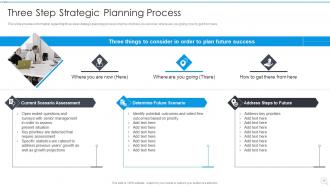
Three Step Strategic Planning Process
-
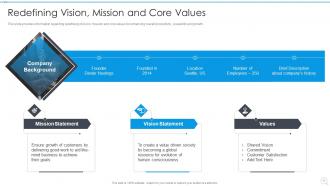
Redefining Vision Mission and Core Values
-
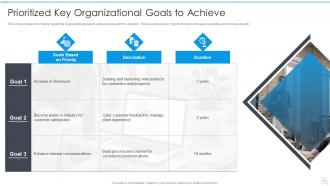
Prioritized Key Organizational Goals to Achieve
-
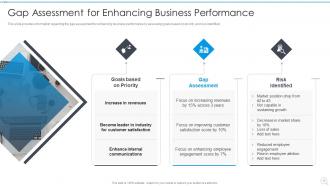
Gap Assessment for Enhancing Business Performance
-
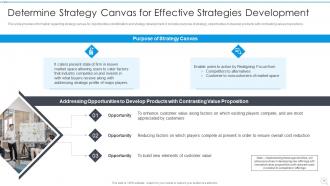
Determine Strategy Canvas for Effective Strategies Development
-
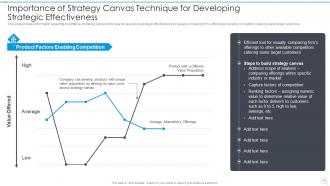
Importance of Strategy Canvas Technique for Developing Strategic Effectiveness
-
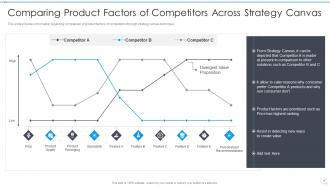
Comparing Product Factors of Competitors Across Strategy Canvas
-
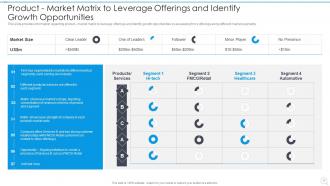
Product Market Matrix to Leverage Offerings and Identify Growth Opportunities
-
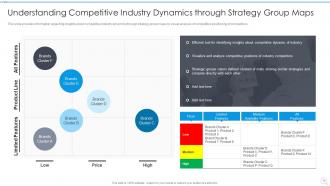
Understanding Competitive Industry Dynamics through Strategy Group Maps
-
Strategy Execution Playbook
-
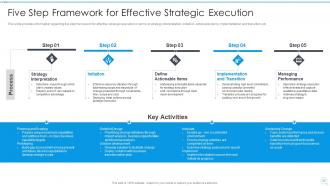
Five Step Framework for Effective Strategic Execution
-
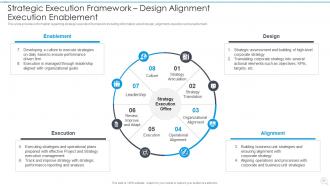
Strategic Execution Framework Design Alignment Execution Enablement
-
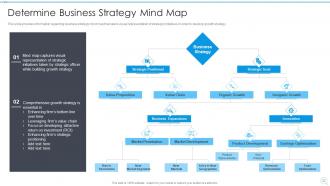
Determine Business Strategy Mind Map
-
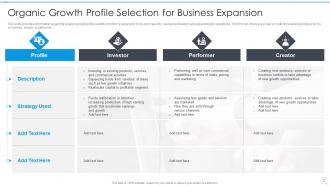
Organic Growth Profile Selection for Business Expansion
-
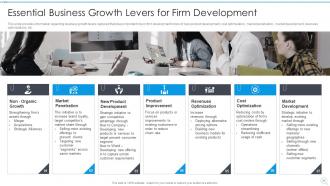
Essential Business Growth Levers for Firm Development
-
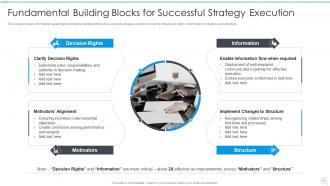
Fundamental Building Blocks for Successful Strategy Execution
-
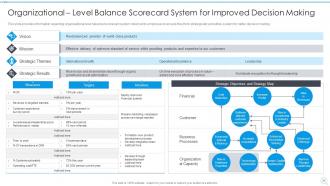
Organizational Level Balance Scorecard System for Improved Decision Making
-
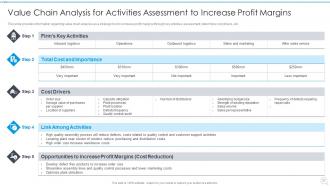
Value Chain Analysis for Activities Assessment to Increase Profit Margins
-
Strategy Execution Playbook
-
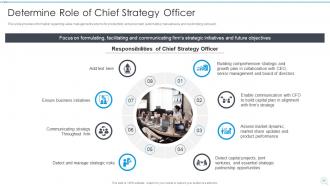
Determine Role of Chief Strategy Officer
-
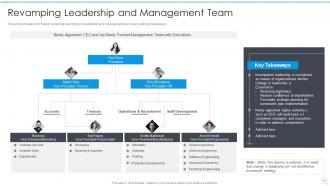
Revamping Leadership and Management Team
-
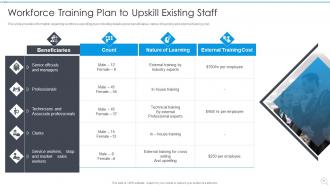
Workforce Training Plan to Upskill Existing Staff
-
Icons Slide for Strategy Execution Playbook
-

Additional Slides
-
30 60 90 Days Plan
-
Weekly Timeline with Task Name
-
Roadmap for Process Flow
-
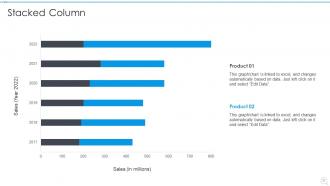
Stacked Column
-
About Us
-
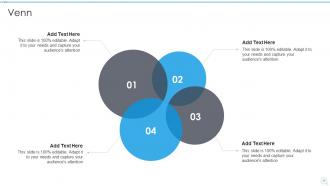
Venn
-
Post it Notes
-
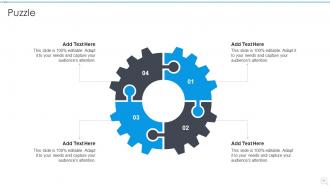
Puzzle
-

Timeline
-
Thanks for Watching
-

-

-

-

-

FAQs for Strategy Execution Playbook
Honestly, you need three main things: clear owners, regular check-ins, and ways to measure progress. Don't do that "shared responsibility" crap - assign one person per initiative or nothing gets done. Monthly reviews work well to see if you're hitting your targets. Oh, and make sure people actually understand how their daily work ties into the big goals, otherwise they'll just go through the motions. The real win is catching problems early so you can change course fast. Keep whatever system you build super simple though - I've seen too many fancy frameworks that everyone just ignores because they're annoying to use.
Look, start by breaking your big strategy into concrete goals for each team - stuff they can actually measure. Then make sure everyone gets how their daily tasks connect to those outcomes. Weekly check-ins are where the real work happens though (not just setting goals and ghosting, which honestly most companies do). Simple scorecards work great so people can literally see the line from what they're doing to strategic wins. Oh, and give teams room to pivot tactics if something isn't working. That flexibility is huge.
Oh man, communication is literally everything. Most strategies crash and burn because of this - people think everyone "gets it" after one company meeting but that's so not how it works. You've got to spell out not just the what, but the why behind everything. And honestly? People need to understand how their day-to-day work actually connects to the bigger picture. Keep hammering the message home across different levels. Set up ways to check if it's really sinking in. I always tell people to map out who needs what info first, then go overboard rather than leaving people guessing.
Look, you gotta watch both types of metrics - the ones that predict what's coming AND the ones that show what already happened. Leading stuff like employee engagement and milestone progress tells you if you're heading the right direction. Lagging metrics (revenue, market share) show the actual results. Most executives just obsess over the results part, which is honestly backwards. Pick maybe 4-5 indicators that actually connect to your big goals. Then do quick check-ins every month or two - don't overthink it. Trust me, tracking both types religiously will save you from nasty surprises down the road.
Honestly? Most strategies fail because nobody knows what they're actually supposed to do. Poor communication kills everything. You'll also see companies trying to tackle like 10 things at once - total disaster. Pick maybe 2-3 things that actually matter and focus there first. Make sure someone owns each piece (seriously, assign names, not departments). Set up regular check-ins so you can catch problems early. Oh, and accountability is huge - people need to know how you're measuring success. I've watched too many brilliant plans die because leadership got distracted by shiny new initiatives halfway through.
Honestly, culture trumps strategy every single time. You can have the most brilliant plan ever, but if your people aren't wired for it, you're screwed. Like if everyone's used to working in their own little bubbles but suddenly you need them collaborating across departments? Yeah, that's not happening overnight. Culture dictates how employees actually behave when nobody's watching - whether they'll take risks, embrace change, or just nod along in meetings then do whatever they were doing before. I'd definitely figure out if your culture matches your strategy first, because otherwise you're just setting yourself up for frustration.
So I'd definitely start with Monday.com or Asana for project tracking - seriously makes such a difference when you can actually see what's happening. For connecting daily tasks to bigger goals, try OKR tools like Lattice or 15Five. Honestly feels really good when you finally see how everything fits together. Tableau's great for dashboards if you need to catch problems early. Obviously you'll need Slack or Teams to keep everyone on the same page. My advice? Just pick whatever your team already knows first, then add fancier stuff later once you get rolling.
Honestly, start with impact vs effort - that classic matrix thing. High impact, low effort wins every time. But here's where people mess up: they forget to check if it actually aligns with their main goals. Like, sure this project might be "easy" but does it move you toward what you're really trying to achieve? Score each idea on how much it advances your core strategy, then factor in what resources you've got. Sometimes I overthink this part but whatever. The magic happens when you find stuff that's both strategically smart and doable with your current team/budget situation.
Honestly, you've got to make people feel like they actually own the strategy instead of just following orders from above. Connect their daily tasks to the bigger goals - show them why their work matters. Check in regularly because nobody wants to work in the dark, you know? Let teams figure out their own approach to hitting targets, and definitely celebrate the wins when they happen. Oh, and invest in proper training so they don't feel thrown to the wolves. The whole thing works better when it feels collaborative rather than some top-down mandate. When people help shape how things get done, they actually care about the results.
Honestly? Start building feedback into everything right away. Monthly check-ins work way better than waiting a whole year - trust me on that one. The trick is actually doing something with what people tell you, not just nodding along in boring meetings. Teams on the ground usually know what's broken before management does. Make it easy for them to speak up and actually fix things when they do. Oh, and don't overthink it at first. Just pick one project this quarter and create a simple way to track how it's going.
Track both types of metrics - leading ones that show progress (like milestone completion, resource efficiency) and lagging ones that show results (revenue, customer satisfaction). Most teams obsess over the results stuff but totally miss the early warning signals, which honestly drives me crazy. Set up maybe 3-4 metrics in each bucket. Pick ones that'll actually change how people work, not just pretty dashboard numbers. I'd check in weekly and tweak your approach based on what you're seeing. Oh, and balanced scorecard framework works great for this if you want something structured.
So those department silos? They're strategy killers. Getting teams to actually talk changes everything - info flows better, problems get solved faster. Marketing suddenly knows what operations is struggling with (and honestly, it should've been happening all along). Different perspectives mixing together creates way better solutions than anyone working alone. Short story: departments sharing resources and syncing timelines beats isolation every time. The trick is setting up regular cross-team check-ins so people don't just drift back into their bubbles. You'll spot issues early instead of scrambling later.
Look, don't wait until you're already in trouble to think about what could go wrong. When you're mapping out your strategy, spend time upfront figuring out the stuff that might tank your plans - money issues, operational headaches, competitors being jerks. Make someone actually own each risk instead of hoping it'll sort itself out (spoiler: it won't). Build in some early warning signs so you can catch problems while they're still manageable. Oh, and make talking about risks a regular thing in your strategy meetings. Way better than those panic calls at 2am when everything's falling apart.
Honestly, training is what separates strategies that work from ones that just sit in PowerPoint decks collecting dust. Your team can't execute what they don't know how to do - sounds obvious but you'd be shocked how often this gets overlooked. I've watched great plans completely bomb because nobody bothered teaching people the actual skills they needed. Don't do generic training though. Figure out exactly what capabilities your strategy demands, then build programs around those specific gaps. Also helps get everyone rowing in the same direction when they understand both the big picture and their piece of it.
Build flexibility into how you execute from day one. Instead of those brutal annual reviews, do quarterly check-ins so you can actually catch market changes before they steamroll you. Real-time dashboards are clutch here - you need to know what's happening now, not what happened ages ago. Give your teams authority to make smaller calls without waiting for approval on everything. Honestly, most strategy documents just collect dust anyway. Treat yours like it's meant to change and evolve. That's literally the whole point.
-
They helped us design the pamphlets for our church’s food drive! The people loved the design, and I’m happy to say it was successful. Thank you, SlideTeam!
-
Perfect template with attractive color combination.