


Company Culture Strategic Planning Leadership Development Team Dynamic





Try Before you Buy Download Free Sample Product
 Impress Your
 Audience
 100%
100% Editable
 Save Hours
 of Time


Our Company Culture Strategic Planning Leadership Development Team Dynamic are topically designed to provide an attractive backdrop to any subject. Use them to look like a presentation pro.
People who downloaded this PowerPoint presentation also viewed the following :
Company Culture Strategic Planning Leadership Development Team Dynamic with all 13 slides:
Use our Company Culture Strategic Planning Leadership Development Team Dynamic to effectively help you save your valuable time. They are readymade to fit into any presentation structure.
-

Company Culture
-
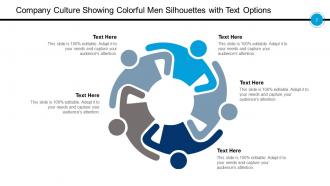
Company Culture Showing Colorful Men Silhouettes with Text Options
-
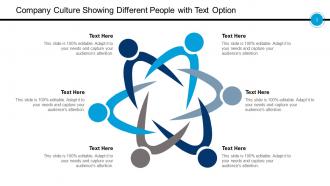
Company Culture Showing Different People with Text Option
-
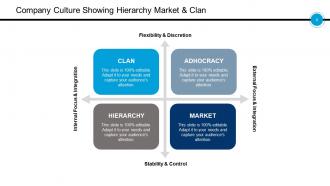
Company Culture Showing Hierarchy Market Clan
-
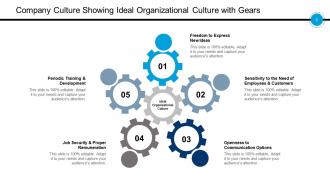
Company Culture Showing Ideal Organizational Culture with Gears
-
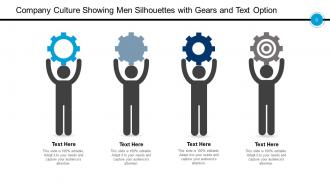
Company Culture Showing Men Silhouettes with Gears and Text Option
-
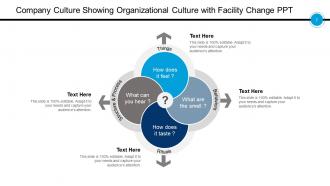
Company Culture Showing Organizational Culture with Facility Change PPT
-
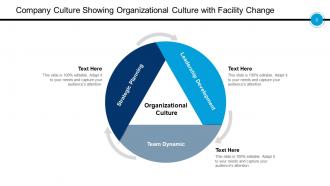
Company Culture Showing Organizational Culture with Facility Change
-
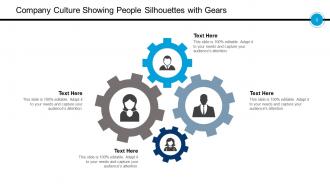
Company Culture Showing People Silhouettes with Gears
-
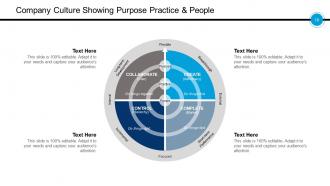
Company Culture Showing Purpose Practice People
-
Company Culture Showing People Silhouettes
-
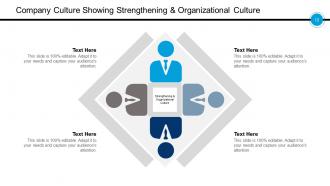
Company Culture Showing Strengthening Organizational Culture
-
Thank You
FAQs for Company Culture Strategic Planning Leadership
Look, most of these initiatives crash because leadership can't agree on what they actually want. Get your exec team aligned on specific outcomes first - trust me on this one. You'll need clear communication, decent budget, and realistic timelines that factor in pushback. Employee buy-in matters too, obviously. Oh and don't design some fantasy strategy for the company you wish you had. Work with your actual culture, messy bits included. Strong measurement systems help track progress. Honestly though, if leadership isn't genuinely committed from day one, you're probably wasting everyone's time.
Honestly, your leaders will make or break this whole thing. Without them visibly backing the change, everyone just sits around waiting for it to blow over. I've watched perfectly good programs crash because the C-suite preached change but kept doing things the old way - classic "do as I say, not as I do" situation. People aren't stupid; they notice when leadership drags their feet. Get your executives modeling the behaviors first, communicating constantly about why this matters. Don't even think about rolling out anything big until you've got them truly aligned, not just giving lip service.
Dude, you absolutely need people on board or your whole thing's gonna tank. I've watched so many well-planned changes just die because nobody got the team excited about it from the start. When employees actually care, they'll give you real feedback instead of just nodding along. Plus they adapt way faster and even help drag their coworkers through the rough patches. Honestly, the engaged ones become your secret weapon during transitions. Start checking the vibe early - surveys, quick team chats, whatever fits your company. Keep doing those temperature checks though, because things shift fast.
So you'll want to look at the obvious stuff first - retention rates, promotions, engagement scores, all that before/after data. But honestly? The interviews and surveys where people actually tell you how they feel are way more telling sometimes. I'd also check if teams are actually performing better or hitting project goals more often. Oh, and don't forget to get your baseline numbers locked down before you start - learned that the hard way once. Then just check in every few months, maybe at 3, 6, 12 months so you can tell what's real progress versus just the honeymoon phase.
Oh man, resistance to change is the worst one honestly. People get so stuck in their ways even when stuff's clearly broken - drives me crazy sometimes. Poor communication screws everything up too. Plus you'll deal with leadership not actually backing you up when it matters. Unclear goals are another nightmare, and don't even get me started on trying to do everything at once with zero resources. But seriously - if people don't get WHY things are changing or how it hits them personally? They'll fight you hard. Start small, get some quick wins under your belt, then communicate way more than feels necessary.
Honestly, culture makes or breaks everything. People will actually try new stuff if your workplace values learning and change. But those "we've always done it this way" places? Good luck with that. I've watched amazing programs crash and burn because nobody dealt with the resistance first. Before you launch anything, figure out what you're really working with. How do people usually handle change around there? What gets rewarded? Can people speak up without getting shut down? Once you know that, build something that works WITH your culture instead of fighting it. Way easier than trying to force square pegs into round holes.
Honestly, change management can make or break your whole project. People hate being told what to do differently - I've seen amazing strategies completely tank because nobody bothered preparing the team. You need to get employees on board early, address their worries, and actually teach them new skills. The trick? Find your change champions first. These are the people who'll have your back when everyone else is complaining. Get them involved in planning from day one. Without this stuff, even brilliant ideas just get ignored or sabotaged.
Honestly, data analytics can totally transform your OD work if you use it right. Grab employee engagement scores, turnover rates, performance metrics - whatever you've got. This stuff helps you pinpoint exactly which departments are struggling with retention or satisfaction issues. The best part? You'll actually know if your interventions are working instead of just crossing your fingers. I mean, we've all launched programs and wondered if they did anything, right? You can even catch problems early by watching for weird trends. My take: pick one metric you're already tracking and start there - don't overcomplicate it.
Look, you're gonna want to nail four things: strategic thinking, emotional intelligence, change management, and communication. The strategic piece is huge - it's what lets you see around corners instead of just reacting to whatever hits you. Being emotionally smart helps you actually read your team (underrated skill, honestly). Change management keeps people moving forward when everything's shifting. Communication... well, that one's obvious but most people still suck at it. Oh, and here's what I'd do - figure out which one you're worst at right now, then just hammer on that for the next three months.
Make it feel like part of their regular work, not extra homework they'll ignore. After projects end, have managers ask "what'd we actually learn here?" - simple but works. People need to feel safe admitting they screwed up without getting thrown under the bus (this is honestly where most places completely blow it). Lunch-and-learns are great, or even just a Slack channel for sharing random insights. Give them real time for learning though, not some sad leftover Friday slot. When someone tries something new and shares their findings? Celebrate that, even if it was a total flop.
Don't treat D&I like something you slap on later - weave it into everything from the start. Audit where you're at first, then bake inclusive practices into hiring and reviews. Employee resource groups are amazing for this stuff, honestly. They'll tell you what's actually happening while building real connections. The tricky part? Getting execs to actually do what they preach instead of just giving lip service. Oh, and track concrete numbers like retention and promotion rates by demographics. Otherwise you're basically flying blind hoping things magically get better.
Forget annual reviews - they're basically useless. What works is making feedback an ongoing thing. Set up quick pulse surveys and get people comfortable being honest without worrying about getting in trouble. The real problem though? Most companies collect all this feedback then... nothing. It just sits there. You've gotta actually DO something with what people tell you, then circle back and show them what changed. That's how you build trust. Honestly, start small with just one feedback method first. Prove you'll actually use it before adding more stuff.
Honestly, just focus on the metrics that actually matter to your business - forget the fluffy mission stuff for now. Map everything back to real goals. I can't tell you how many leadership programs I've seen that sound impressive but do absolutely nothing. Get your business leaders involved early so they're bought in from day one. Track your outcomes like crazy. Oh, and here's the thing - you gotta show ROI or you'll never get the budget you need. Treat it like an investment, not some nice-to-have expense that gets cut first.
Honestly, external stuff will mess with your OD plans no matter what. Economic changes, new regulations, tech going crazy - it all forces you to adapt instead of following some rigid roadmap. Remote work is a perfect example - nobody saw that coming! You've got to bake flexibility right into your approach from day one. Set up feedback loops so you can pivot fast when things shift. Oh, and environmental scanning should be routine, not an afterthought. Always keep a backup plan ready because let's be real - your first strategy probably won't survive contact with reality anyway.
Honestly, the coolest stuff I'm seeing is AI analytics that can actually predict who's about to quit - kinda creepy but super useful. Design thinking is huge for culture work now. Companies are ditching annual reviews for constant feedback, which makes way more sense. Remote work basically forced everyone into digital tools and virtual team building. Neuroscience-based interventions are getting popular too, plus there's way more focus on psychological safety. Oh, and definitely check out agile OD methods - they're so much better than those old-school change management approaches that take forever.
-
Attractive design and informative presentation.
-
Best Representation of topics, really appreciable.
-
Excellent template with unique design.