


Vertrauliche Informationsmemorandum-Präsentationsvorlage





Try Before you Buy Download Free Sample Product
 Impress Your
 Audience
 100%
100% Editable
 Save Hours
 of Time


Ein vertrauliches Informationsmemorandum (CIM) ist ein Dokument, das bei Fusionen und Übernahmen verwendet wird, um dem potenziellen Käufer wichtige Informationen über das zu verkaufende Unternehmen, einschließlich seiner Geschäftstätigkeit, Finanzdaten, Führungsteams und anderer Daten, zur Verfügung zu stellen. Es ist ein Marketingdokument, das darauf ausgelegt ist, das Unternehmen so attraktiv wie möglich erscheinen zu lassen. Der Banker erstellt das CIM und verwendet es als Marketingdokument, um das Unternehmen ansprechend darzustellen, da das Ziel nicht nur der Verkauf, sondern der Verkauf zum bestmöglichen Wert ist. Unser durchdacht gestaltetes Pitch-Buch zum vertraulichen Informationsmemorandum bietet einen Unternehmensüberblick, strategische Ziele, Leistungskennzahlen, Überblick über das Managementteam, strategische Geschäftspartnerschaften, geografische Präsenz usw. Darüber hinaus enthält dieses Pitch-Buch Details wie die Marktchancen für das Unternehmen, die Zielgruppen-Demographie, eine Zusammenfassung der Wettbewerber, Wettbewerbsvorteile, Details zum Wertversprechen, Expansionspläne usw. Dieses CIM-Marketing-Pitch-Buch enthält auch Details zur Produktentwicklung, Marketingstrategie für Wachstum, Marketingkanäle, Public-Relations-Strategie, Kampagnenwerbedetails, Finanzprognosen wie Gewinn- und Verlustrechnung, Kapitalflussrechnung, Bilanz usw. Greifen Sie jetzt darauf zu und laden Sie das Pitch-Buch herunter.
People who downloaded this PowerPoint presentation also viewed the following :
Inhalt dieser Powerpoint-Präsentation
Durchläuft Ihr Unternehmen eine Fusion oder Übernahme? Sind Sie sich unsicher, wie Sie die Informationen Ihres Unternehmens präsentieren sollen? Keine Sorge, wir haben Sie im Griff!
Ein vertrauliches Informationsmemorandum (Confidential Information Memorandum, CIM) ist bei Fusionen und Übernahmen von entscheidender Bedeutung. Es ist unerlässlich, um Geschäftsinformationen an potenzielle Käufer zu übermitteln. Es zeichnet sich als das eine umfassende Dokument mit den Geschäftsabläufen, Finanzen und dem zukünftigen Potenzial des Unternehmens aus. Alles, um den richtigen Käufer zum besten Preis anzuziehen.
Es ist jedoch nur dann von Nutzen, wenn es richtig gemacht wird. Aber wie stellen Sie sicher, dass Ihre CIM-Präsentation sinnvoll und ansprechend ist?
Daher haben wir für Sie unsere Confidential Information Memorandum PPT-Vorlage. Diese Vorlage erstellt ein visuell ansprechendes und organisiertes CIM. Sie verfügt über ein benutzerfreundliches Design und ist zu 100% editier- und anpassbar.
Lassen Sie uns einen Blick darauf werfen!
Vertrauliche Informationsmemorandum-Präsentationsvorlage mit allen 42 Folien:
Vertrauliche Informationsmemorandum Ppt-Vorlage verwenden, um Ihre wertvolle Zeit effektiv zu sparen. Sie sind fertig, um in jede Präsentationsstruktur zu passen.
-

Confidential Information Memorandum
-
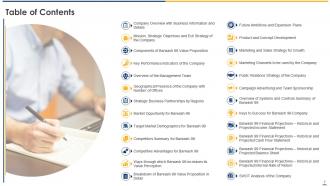
Table of Contents
-
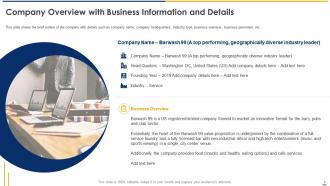
Company Overview with Business Information and Details
-
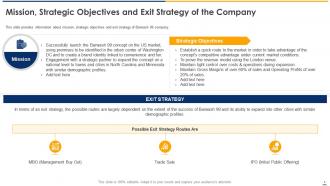
Mission Strategic Objectives and Exit Strategy of the Company
-
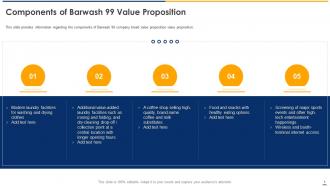
Components of Barwash 99 Value Proposition
-
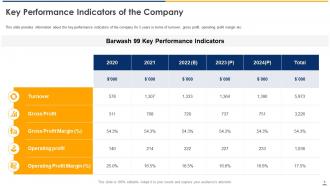
Key Performance Indicators of the Company
-
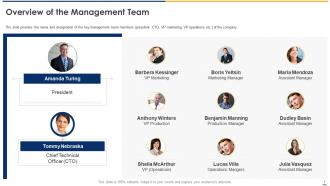
Overview of the Management Team
-
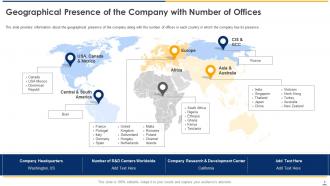
Geographical Presence of the Company with Number of Offices
-

Strategic Business Partnerships by Regions
-
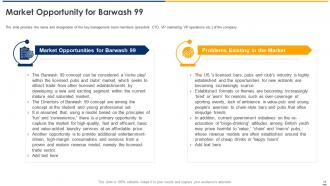
Market Opportunity for Barwash 99
-

Target Market Demographics for Barwash 99
-

Competitors Summary for Barwash 99
-
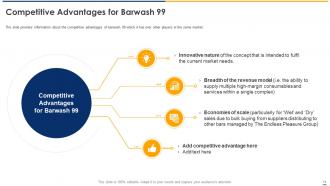
Competitive Advantages for Barwash 99
-

Ways through which Barwash 99 increases its Value Perception
-
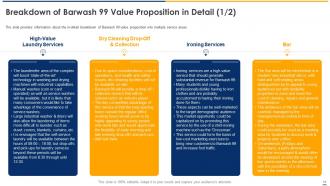
Breakdown of Barwash 99 Value Proposition in Detail 1 2
-
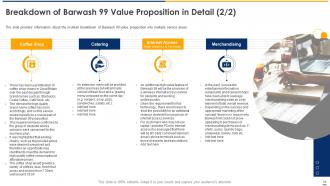
Breakdown of Barwash 99 Value Proposition in Detail 2 2
-

Future Ambitions and Expansion Plans
-
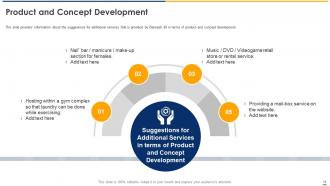
Product and Concept Development
-

Marketing and Sales Strategy for Growth
-
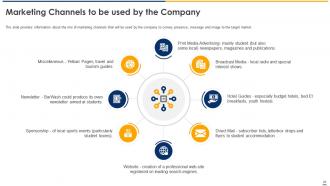
Marketing Channels to be used by the Company
-
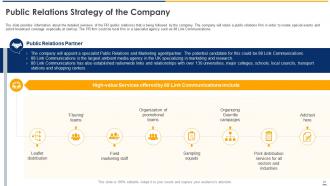
Public Relations Strategy of the Company
-
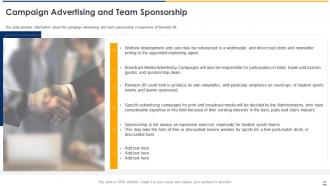
Campaign Advertising and Team Sponsorship
-
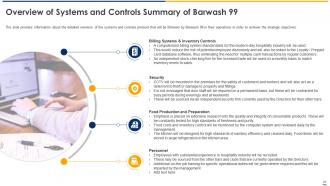
Overview of Systems and Controls Summary of Barwash 99
-
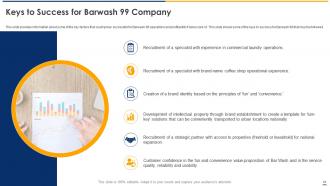
Keys to Success for Barwash 99 Company
-
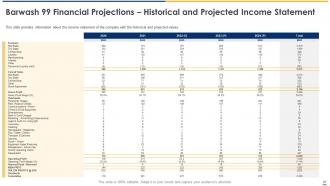
Barwash 99 Financial Projections Historical and Projected Income Statement
-
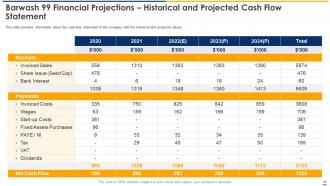
Barwash 99 Financial Projections Historical and Projected Cash Flow Statement
-
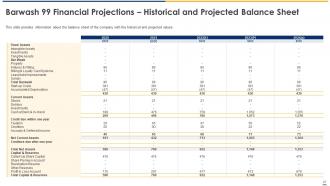
Barwash 99 Financial Projections Historical and Projected Balance Sheet
-
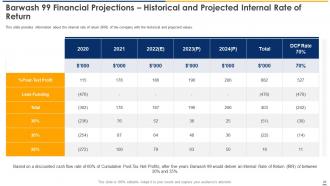
Barwash 99 Financial Projections Historical and Projected Internal Rate of Return
-
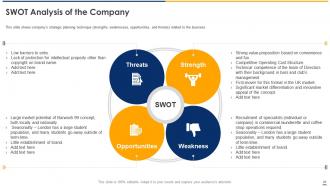
SWOT Analysis of the Company
-
Icons Slide for Confidential Information Memorandum
-

Additional Slides
-
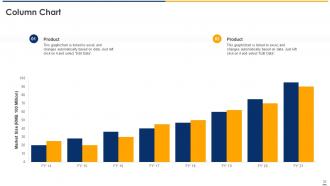
Column Chart
-
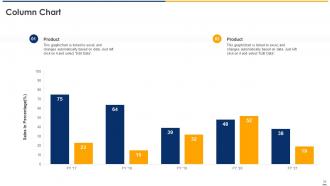
Column Chart
-
About Us
-

Our Mission
-
Post it Notes
-
Idea Generation
-
Roadmap
-
Timeline
-
Venn
-
Puzzle
-

Thank You
FAQs for Confidential information
So a CIM has the usual stuff - exec summary, company overview, market analysis, financials, management bios. The financial section is really where the action is though. You'll get historical numbers plus their projections (which honestly are almost always too rosy). Competitive positioning and growth opportunities are in there too. Oh, and risk factors - though those are usually buried or downplayed. Operational details matter, especially any big contracts or partnerships. But here's the thing - dig into their projection assumptions. That's where you'll catch if they're being realistic or just dreaming.
So a CIM is like your business plan's cooler sibling - it's made purely to sell your company. Your regular business plan talks about operations and where you're headed. But this thing? It's a marketing brochure on steroids. Financial highlights, why you crush the competition, market dominance - all the sexy stuff buyers want to see. Honestly, it's designed to make someone fall in love with your numbers and write a big check. Oh, and if you're thinking about selling, start pulling together your best performance data now. You'll thank me later.
So a CIM is basically your company's sales deck when you're trying to sell. After buyers sign NDAs and show they're serious, this is what they get - like the detailed brochure once they've kicked the tires. Pack it with financials, market stuff, growth projections, all the reasons someone should buy you. A solid CIM can honestly make or break everything since it's their first real look at your operations. My advice? Don't rush it. This thing drives your valuation talks and shapes how negotiations go down.
So you're basically targeting serious buyers who can actually afford your company - private equity firms, strategic buyers, rich individuals with real money. Don't send it to random people though. Only share with folks who've signed NDAs and proven they're legit interested, not just window shopping. Investment bankers will pick it apart too since they're doing due diligence for their clients. Honestly, the last thing you want is your sensitive financials floating around to tire-kickers who'll never pull the trigger. Pre-qualify everyone first - saves you tons of headaches later.
Don't put anything that screams your company name or gives away competitive secrets. Customer names are a no-go. Same with exact revenue numbers, your special processes, or detailed org charts. I've literally watched deals blow up because someone overshared early on! Legal drama should stay buried too. Contract specifics? Nope. Any partnerships that aren't already public knowledge need to stay quiet. You want them interested but not handing over your playbook. Keep it vague enough that if this somehow gets out, you won't have angry board members calling you at midnight.
Honestly, your CIM is basically the deal's sales pitch on steroids. Lead with your best stuff right up front - don't bury the good parts. Back everything up with real numbers and financials that actually make sense. I've watched so many deals die just because someone wrote the most boring CIM ever. Make it scannable for busy investors but still hit all the important points. The growth story needs to feel realistic, not like you're promising unicorns. Oh, and the whole thing should flow logically - problem, solution, why this is a solid opportunity. That narrative structure really matters.
Your executive summary needs to grab them right away - it's basically your elevator pitch in writing. Make sure the formatting looks clean with lots of white space because nobody wants to read a giant wall of text. Lead with your best financial numbers and growth story, then throw all the detailed stuff in appendices. Professional photos of your facilities and team actually make a huge difference (I learned this the hard way). Keep the main section under 25 pages - trust me, investors hate long decks. Oh, and definitely have a few people review it first. You'll be amazed what you miss when you've been staring at it for weeks.
Look, market analysis is what validates your whole story and shows buyers the real growth potential. You're proving your business isn't just doing well randomly - it's sitting in an actually attractive, growing market. Buyers love this data because it helps them justify paying more and spot the upside they want. Skip it and your CIM feels half-baked. They'll start wondering if you even get your competitive landscape (not a good look). Your market section needs to tie directly into your company's positioning and growth plans though - don't just dump generic industry stats and call it a day.
Honestly, the worst thing you can do is be vague about your numbers - buyers hate that. Give them real financials and don't pull growth projections out of thin air. Never oversell either because due diligence will expose everything anyway. Keep it under 25 pages max! Nobody wants to read a novel. Skip the boring industry stuff everyone already knows (waste of space tbh). Focus on why you're different, what advantages you have, and talk up your team. Oh and triple-check your data - sending wrong numbers is embarrassing and kills credibility fast.
Honestly? Update that thing whenever something big happens - new financials, management shake-ups, product launches, whatever. Quarterly if you're actively fundraising, annually if it's just sitting there. I've seen too many founders use outdated CIMs and it's painful - makes them look completely disconnected. Major financial changes are obvious triggers, but don't forget competitive shifts or new strategic moves. Trust me, a stale CIM is actually worse than having none at all. Set a quarterly reminder to review it and ask yourself: would this give investors an accurate picture today? If not, time to update.
Dude, be super careful with CIM access - only give it to people who've signed NDAs and actually need to see it. That thing's loaded with sensitive financials and competitive intel that could totally screw your company if it gets out. I've watched deals blow up because someone forwarded it to the wrong person (such a nightmare). Watermark everything with recipient names so you can track who has what. Honestly, skip email attachments entirely - use a secure data room instead. Way safer and you'll sleep better knowing it's not sitting in random inboxes.
Honestly, good visuals are a game-changer for your CIM. Dense financial data just looks overwhelming otherwise – charts and graphs help investors actually understand your story quickly. Revenue trends, market position, org structure... all that stuff should be visual. I've seen way too many CIMs that are basically walls of text (nobody's reading that). Clean graphics make you look professional too. Don't bury your best metrics in paragraphs where they'll get lost. Pick 2-3 really strong charts that show off your growth story and what makes you different from competitors. Makes a huge difference in how seriously people take you.
Definitely get your P&L, balance sheet, and cash flow statements together for the past 3-5 years. Revenue trends and EBITDA are huge - that's what buyers base their valuations on. Gross margins matter too, plus working capital and debt schedules. Management projections are a must since everyone wants to know your growth plans. Honestly, the messier your financials look, the more questions you'll get. Oh, and include key metrics that show the business health - buyers eat that stuff up. Clean presentation makes everything feel more legit.
Yeah, CIMs work for way more than just M&A deals. PE firms use them all the time when raising funds - basically showing potential investors why they should back the fund. Debt financing is another big one, where you're pitching lenders on a major loan or refi. Commercial real estate deals love them too, especially for big properties. I've also seen them in partnership situations where you need to share financials but don't want everything out there at once. Really any time you need outsiders to get the full picture of your business while you control the info flow. Pretty flexible tool honestly.
Look, regulations are basically going to control what you can put in your CIM - especially the forward-looking stuff and risk sections. Projections are tricky. Can't make them too optimistic without the right disclaimers or you'll get burned. Securities laws require disclosing material risks too, plus you've got to avoid anything misleading to buyers. Honestly, I've seen deals get messy when people cut corners here. Your legal team needs to review everything first - particularly with public companies or if you're in a regulated space. Better safe than sorry on this one.
-
Best way of representation of the topic.
-
Good research work and creative work done on every template.