


Confidential information memorandum with operational and financial statements complete deck




Try Before you Buy Download Free Sample Product
 Impress Your
 Audience
 100%
100% Editable
 Save Hours
 of Time


A Confidential Information Memorandum CIM is a document used in mergers and acquisitions to provide the prospective buyer with important information about the business to be sold, including its operations, financial records, management teams, and other data. The banker prepares the CIM and uses it as a marketing document to make the business appear appealing because the goal is not just to sell, but to sell for maximum value. Check out our insightfully designed Confidential Information Memorandum with Operational and Financial statements that provides company overview, strategic objectives, key performance indicators, management team overview, strategic business partnerships, geographical presence, etc. It also covers details such as the market opportunity for the company, target market demographics, competitors summary, competitive advantages, value proposition details, expansion plans, etc. This CIM marketing pitch book also covers the details related to product development, marketing strategy for growth, marketing channels, public relations strategy, campaign advertising details, financial projections details such as income statement, cash flow statement, balance sheet, etc. Get access and download the pitch book now.
People who downloaded this PowerPoint presentation also viewed the following :
Content of this Powerpoint Presentation
Slide 1: This slide introduces Confidential Information Memorandum with Operational and Financial Statements.
Slide 2: This slide presents Table of Content for the presentation.
Slide 3: This slide highlights title for topics that are to be covered next in the template.
Slide 4: This slide presents Company Overview with Business Information and Details.
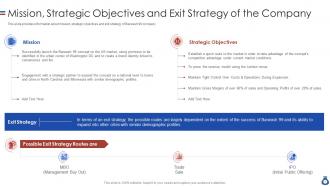
Slide 5: This slide provides information about mission, strategic objectives and exit strategy of Barwash 99 company.
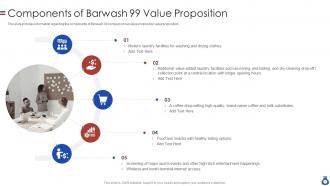
Slide 6: This slide displays information regarding the components of Barwash 99 company broad value proposition.
Slide 7: This slide represents Key Performance Indicators of the Company.
Slide 8: The slide provides the name and designation of the key management team members.
Slide 9: This slide presents Geographical Presence of the Company with Number of Offices.
Slide 10: This slide shows some of the companies and regions like US, UK and Europe with which the company has corporate tie ups and partnerships.
Slide 11: The slide displays the name and designation of the key management team members (president, CTO, VP marketing, VP operations etc.) of the company.
Slide 12: This slide represents Target Market Demographics for Barwash 99.
Slide 13: The slide provides information about the competitors of barwash 99 that are fighting for share of consumer expenditure, particularly in the licensed trade.
Slide 14: The slide presents information about the competitive advantages of barwash 99 which it has over other players in the same market.
Slide 15: This slide shows Ways through which Barwash 99 increases its Value Perception.
Slide 16: This slide displays Breakdown of Barwash 99 Value Proposition in Detail.
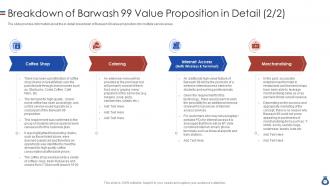
Slide 17: The slide represents information about the in-detail breakdown of Barwash 99 value proposition into multiple service areas.
Slide 18: The slide provides information about the future ambitions of Barwash 99 across multiple states in US and opportunities for expansion.
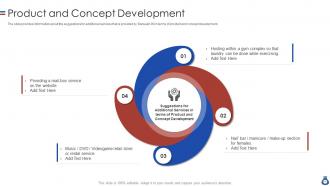
Slide 19: The slide presents information about the suggestions for additional services that is provided by Barwash 99 in terms of product and concept development.
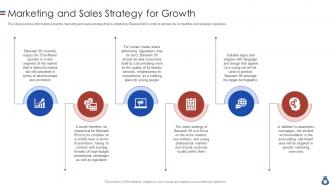
Slide 20: This slide shows information about the marketing and sales strategy that is adopted by Barwash 99 in order to achieve its competitive and strategic objectives.
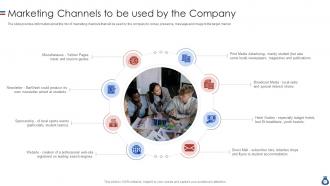
Slide 21: This slide displays Marketing Channels to be used by the Company.
Slide 22: This slide represents Public Relations Strategy of the Company.
Slide 23: The slide provides information about the campaign advertising and team sponsorship components of Barwash 99.
Slide 24: This slide presents Overview of Systems and Controls Summary of Barwash 99.
Slide 25: This slide shows Keys to Success for Barwash 99 Company.
Slide 26: This slide displays Barwash 99 Financial Projections – Historical and Projected Income Statement.
Slide 27: This slide represents Barwash 99 Financial Projections – Historical and Projected Cash Flow Statement.
Slide 28: This slide shows Barwash 99 Financial Projections – Historical and Projected Balance Sheet.
Slide 29: This slide presents Barwash 99 Financial Projections – Historical and Projected Internal Rate of Return.
Slide 30: This slide shows company’s strategic planning technique (strengths, weaknesses, opportunities, and threats) related to the business.
Slide 31: This slide displays Icons for Confidential Information Memorandum with Operational and Financial Statements.
Slide 32: This slide is titled as Additional Slides for moving forward.
Slide 33: This slide presents Bar chart with two products comparison.
Slide 34: This slide showcases Bar chart with two products comparison.
Slide 35: This slide shows Post It Notes. Post your important notes here.
Slide 36: This is a Timeline slide. Show data related to time intervals here.
Slide 37: This slide depicts Venn diagram with text boxes.
Slide 38: This slide contains Puzzle with related icons and text.
Slide 39: This is Our Target slide. State your targets here.
Slide 40: This slide shows Circular Diagram with additional textboxes.
Slide 41: This slide provides 30 60 90 Days Plan with text boxes.
Slide 42: This is a Thank You slide with address, contact numbers and email address.
Confidential information memorandum with operational and financial statements complete deck with all 47 slides:
Use our Confidential Information Memorandum With Operational And Financial Statements Complete Deck to effectively help you save your valuable time. They are readymade to fit into any presentation structure.
-

Confidential Information Memorandum with Operational and Financial Statements
-

Table of Contents
-
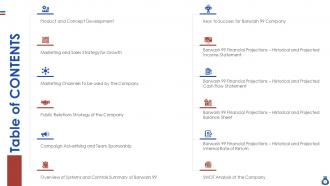
Table of Contents
-

Company Overview with Business Information and Details
-
Mission Strategic Objectives and Exit Strategy of the Company
-
Components of Barwash 99 Value Proposition
-

Key Performance Indicators of the Company
-

Overview of the Management Team
-
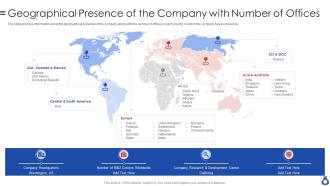
Geographical Presence of the Company with Number of Offices
-

Strategic Business Partnerships by Regions
-

Market Opportunity for Barwash 99
-
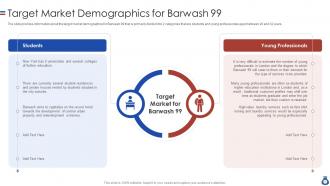
Target Market Demographics for Barwash 99
-
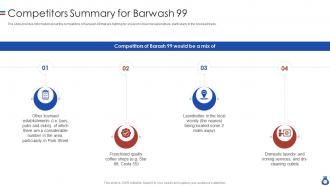
Competitors Summary for Barwash 99
-

Competitive Advantages for Barwash 99
-
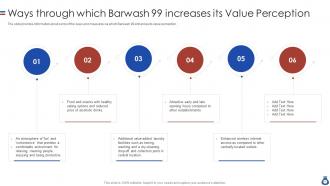
Ways through which Barwash 99 increases its Value Perception
-

Breakdown of Barwash 99 Value Proposition in Detail 1 2
-
Breakdown of Barwash 99 Value Proposition in Detail 2 2
-

Future Ambitions and Expansion Plans
-
Product and Concept Development
-
Marketing and Sales Strategy for Growth
-
Marketing Channels to be used by the Company
-
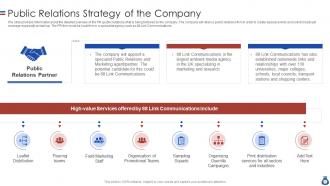
Public Relations Strategy of the Company
-

Campaign Advertising and Team Sponsorship
-
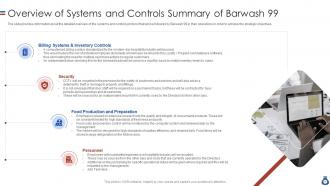
Overview of Systems and Controls Summary of Barwash 99
-

Keys to Success for Barwash 99 Company
-

Barwash 99 Financial Projections Historical and Projected Income Statement
-
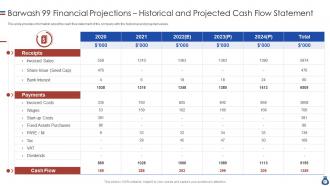
Barwash 99 Financial Projections Historical and Projected Cash Flow Statement
-

Barwash 99 Financial Projections Historical and Projected Balance Sheet
-

Barwash 99 Financial Projections Historical and Projected Internal Rate of Return
-

SWOT Analysis of the Company
-

Icons Slide for Confidential Information Memorandum with Operational and Financial Statements
-

Additional Slides
-

Bar Graph
-
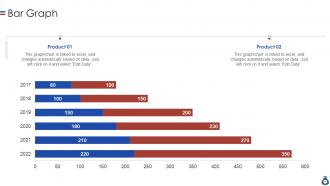
Bar Graph
-

Post it Notes
-
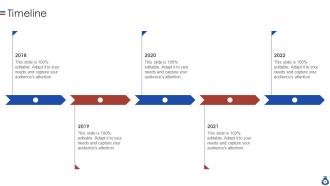
Timeline
-

Confidential Information Memorandum with Operational and Financial Statements Complete
-

Puzzle
-

Our Target
-

Circular Process
-

Confidential Information Memorandum with Operational and Financial Statements Complete
-
Thanks for Watching
-

-

-

-

-

FAQs for Confidential information memorandum with operational and financial
So a CIM is like a super detailed sales deck that companies put together when they're looking to sell or get investment. Picture it as way more intense than your typical marketing materials - we're talking full financials, market breakdowns, the whole nine yards. Buyers get everything they need to actually evaluate if it's worth their time. Pretty much only shows up in M&A deals or when private equity firms are sniffing around. Oh, and you can't even see one without signing an NDA first since there's obviously tons of sensitive stuff in there. Makes sense though - nobody wants their competition getting a peek at their numbers.
Start with an executive summary and company overview - that's your hook. Financial performance data is obviously crucial, plus market analysis and projections. Management bios matter more than you'd think, buyers really dig into who's running things. Operational details, competitive positioning, risk factors, deal structure - all need to be there. Growth opportunities section should be solid too. Honestly, the whole thing needs to flow like one story about why they should buy. Lead with your best stuff and try to keep it under 50 pages or they'll lose interest halfway through.
So basically, a CIM is packed with way more actual data than those other docs. Pitch books? Those are just marketing fluff to win clients. Investment brochures are even more generic - honestly pretty useless. But CIMs get into the real meat of a company's financials and operations. You're literally selling the business itself, not your services. Buyers need that detailed stuff to decide if they want to dig deeper with due diligence. When you're putting one together, don't hold back on the substantive info. Make it meaty enough that they can actually evaluate the deal properly.
So a CIM is your main sales document when you're selling a company. Investment bankers put it together during the marketing phase - it's got all the financials, market stuff, growth projections, basically everything buyers need to see. Think polished business overview that shows your company in the best light possible (without being ridiculous about it). The whole point is attracting serious buyers and getting top dollar. Honestly, the story matters as much as the numbers. You want it highlighting why your company's different and where it's headed. If you're going through a sale, this document can make or break your process.
Dude, NDAs first - before anyone even glimpses that thing. Get everyone to sign confidentiality agreements and number each copy so you know who has what. Watermark pages with recipient names too. Only share with buyers who've actually proven they're serious and have financing lined up, not just tire-kickers. Use secure data rooms instead of email - you can track who's looking at what sections which is honestly pretty useful. Keep your distribution list super tight. Oh and make sure people return or destroy copies when you're done with the whole process.
Honestly, the worst thing you can do is be vague about the money stuff or oversell what you've got. Buyers aren't stupid - they'll catch inflated numbers during due diligence anyway. Don't turn your CIM into some boring spreadsheet dump either. I swear, half the ones I see read like tax documents! Tell the actual story of your business. What makes you money? How do you beat competitors? Where's the growth coming from? Keep it tight but don't skip the important details. Oh, and definitely get someone who wasn't involved to read it first - you'll miss obvious gaps.
Dude, visuals are a game-changer for your CIM. Charts and graphs save investors from drowning in spreadsheet hell - they can actually see your financial trends at a glance. Professional photos of your facilities or team? Total credibility booster. People want to work with faces they can trust, not faceless entities. Infographics work great for breaking down complex stuff that would otherwise be buried in boring text blocks. Though honestly, don't just slap visuals everywhere for decoration. Pick your three strongest data points first and turn those into clean charts. That's where I'd start anyway. The visuals should tell your story, not distract from it.
Your CIM readers are gonna be private equity folks, strategic buyers, institutional investors - basically people with serious money who'll tear apart every number you give them. Pack it with financial projections, market analysis, competitive stuff, management bios. Professional tone but don't make it boring as hell. Growth opportunities and why you can defend your market position - that's what they care about. Oh, and your executive summary better be perfect because honestly? That's probably all some of them will read first. Lead with your best selling points right upfront.
Honestly, clean charts that actually tell a story are everything - nobody wants to squint at tiny spreadsheets. Show your key stuff like revenue growth and EBITDA over 3-5 years, but make it readable for once. Your projections need to be realistic too, not some fantasy numbers you pulled out of nowhere. Back them up with solid reasoning about market conditions and pricing. Historical data plus forward scenarios work best. Oh and keep your formatting consistent throughout (sounds basic but you'd be surprised how many people mess this up). Always cite your sources so buyers can double-check everything.
Dude, once you share that CIM, you're creating real legal obligations. Both sides are locked into confidentiality agreements - they can't leak your business info or use it against you. The NDA attached? Totally enforceable. Companies actually get sued over this stuff. Your biggest risks are confidentiality breaches or accidentally putting sketchy financial projections in there (hello, securities law problems). Honestly, only share it with investors you've properly vetted. Make sure they've signed legit NDAs first. Oh, and definitely have your lawyers review it before it goes out - saves you headaches later.
Honestly, I'd update it every 3-6 months or when something big changes. Market stuff moves crazy fast these days. Stale financials will tank a deal before you even get started - I've watched buyers literally walk away from solid companies just because the data looked old. Hit a major milestone? New contract? Industry got shaken up? Update it right away. Even smaller stuff matters too, like recent wins or new team member bios. Here's what I do: set a quarterly reminder to review everything. Way better than panicking when buyers start circling and asking tough questions.
Honestly, your banker's gonna have the best read on buyer reactions after those initial meetings, so set up calls with them right away. Also hit up a few trusted buyers directly for honest feedback - ask what's clear, what's confusing. Written forms work too but phone calls are better imo. Oh and here's something cool - those digital data rooms actually track which sections buyers spend time on, so you'll see what grabs their attention. The whole point is getting this feedback fast so you can tweak things before your next round of presentations.
Think of your CIM like telling a story that hooks buyers from page one. Open with the market opportunity - what problem exists that needs solving? Then bring in your company as the solution, highlighting what makes you different from competitors. Don't ignore the challenges (buyers will spot them anyway), but show how you're built to handle them. Honestly, this narrative approach works way better than most people think. Your growth projections become the exciting climax. Each section should build momentum toward that final moment where buying feels like the obvious choice. It's cheesy but effective.
Look, investors see tons of these things daily, so stick to what actually matters. Revenue growth rates and EBITDA margins are non-negotiable. Customer acquisition costs too. If you've got recurring revenue, definitely show lifetime value and retention rates - that stuff makes VCs drool. Market share is solid but honestly? Skip the vanity metrics that don't connect to real cash flow. I'd go with maybe 6 key metrics max, show clear trends over 3-4 years. Oh and make sure your trend lines actually tell a story about momentum, not just random data points.
Ugh, industry jargon can totally kill your CIM if you're not thinking about who's reading it. You'll throw around stuff like "EBITDA multiple expansion" or "SaaS ARR cohorts" and assume everyone gets it. But buyers from different industries? They're gonna be confused as hell. I've watched deals drag because buyers kept stopping to ask what things meant - makes those due diligence calls really weird. Know your audience first. Strategic buyers in your space will expect the lingo. Broader auctions though? Either explain the terms upfront or just use clearer language that still sounds smart.
-
Designs have enough space to add content.
-
Excellent work done on template design and graphics.