

Cross Selling And Upselling Playbook Powerpoint Presentation Slides





Try Before you Buy Download Free Sample Product
 Impress Your
Audience
 100%
Editable
 Save Hours
of Time


Growth achieved by the organization by enhancing its internal strategy is referred to as organic growth. This growth is essential for any organization willing to sustain itself for the long term. Thus, grab our insightful Cross Selling and Upselling Playbook, a detailed playbook to serve as a blueprint for your organization and help you achieve organic growth. The following presentation slide is helpful for organizations intending to attain growth organically through internal strategies. This playbook is divided into 4 major parts; these parts serve as a step-by-step guide for the organization. This presentation also provides an overview of organic growth as a strategy. It also helps understand the impact of organic growth by highlighting its critical advantages. The second part of the playbook highlights key stats of how organic growth can help your organization. The third part displays the key strategies that can help your organization attain organic growth. These strategies can be selling your product to existing customers, new customers, etc. The last part of this playbook focuses on identifying the critical KPIs that help the organization track its growth. Get access now.
People who downloaded this PowerPoint presentation also viewed the following :
Content of this Powerpoint Presentation
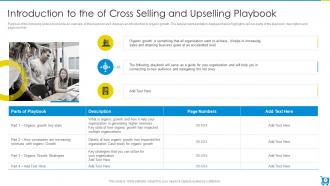
Slide 1: This slide introduces Cross Selling and Upselling Playbook. State Your Company Name and begin.
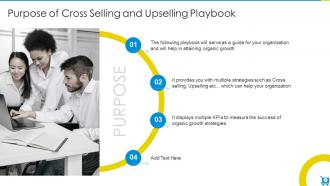
Slide 2: This slide shows Purpose of Cross Selling and Upselling Playbook.
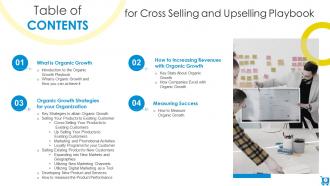
Slide 3: This slide presents Table of Content for the presentation.
Slide 4: This slide depicts title for two topics that are to be covered next in the template.
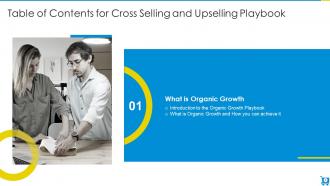
Slide 5: This slide provide an overview of the playbook as it displays an introduction to organic growth.
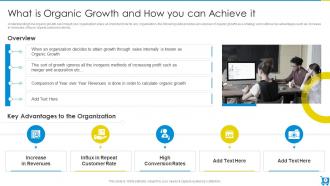
Slide 6: This slide provides an overview of organic growth as a strategy and outlines key advantages such as: increase in revenues, influx in repeat customer rate etc.
Slide 7: This slide depicts title for two topics that are to be covered next in the template.
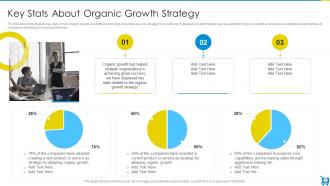
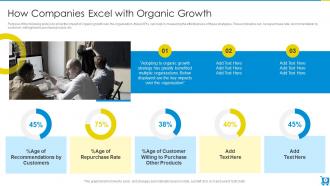
Slide 8: This slide displays key stats of how organic growth is adopted among the Industries as a key strategy for scaling up.
Slide 9: This slide is to show the impact of organic growth over the organization, these KPIs can help in measuring the effectiveness of these strategies.
Slide 10: This slide depicts title for one topic that is to be covered next in the template.
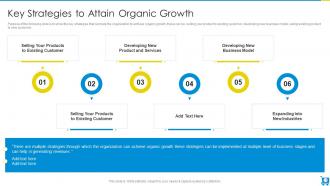
Slide 11: This slide show the key strategies that can help the organization to achieve organic growth, these can be: selling your product to existing customer, etc.
Slide 12: This slide depicts title for five topics that are to be covered next in the template.
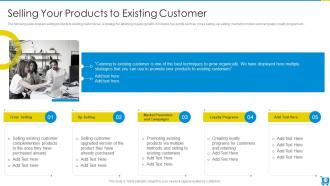
Slide 13: This slide displays selling products to existing customer as a strategy for attaining organic growth.
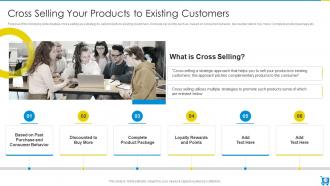
Slide 14: This slide displays cross selling as a strategy to sell products to existing customers.
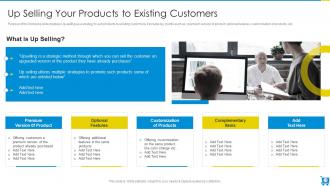
Slide 15: This slide displays Up-selling as a strategy to sell products to existing customers.
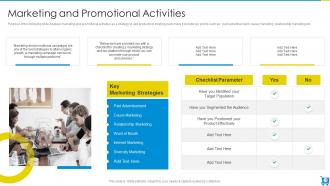
Slide 16: This slide displays marketing and promotional activities as a strategy to sell products to existing customers.
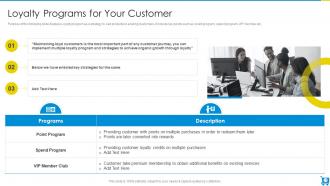
Slide 17: This slide displays Loyalty program as a strategy to sell products to existing customers.
Slide 18: This slide depicts title for four topics that are to be covered next in the template.
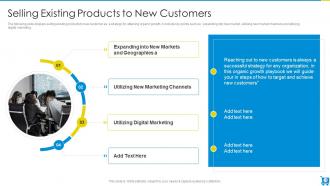
Slide 19: This slide displays selling existing products to new customer as a strategy for attaining organic growth.
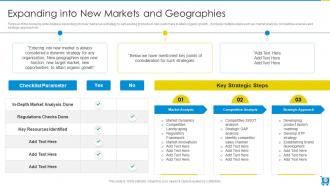
Slide 20: This slide displays expanding into new market as a strategy to sell existing products to new customers to attain organic growth.
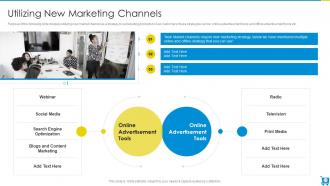
Slide 21: This slide displays utilizing new market channel as a strategy to sell existing products to new customers.
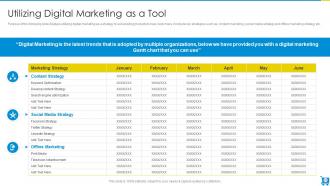
Slide 22: This slide displays utilizing digital marketing as a strategy to sell existing products to new customers.
Slide 23: This slide depicts title for two topics that are to be covered next in the template.
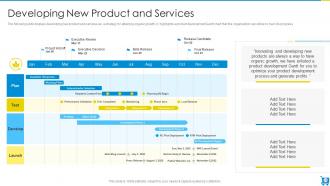
Slide 24: This slide displays developing new product and services as a strategy for attaining organic growth.
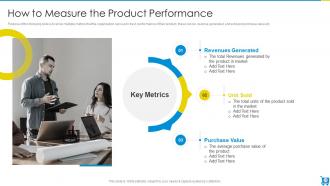
Slide 25: This slide show multiple metrics that the organization can use to track performance of their product.
Slide 26: This slide depicts title for one topic that is to be covered next in the template.
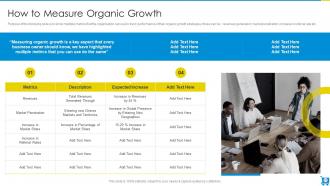
Slide 27: This slide shows multiple metrics that the organization can use to track performance of their organic growth strategies.
Slide 28: This slide displays Icons for Cross Selling and Upselling Playbook.
Slide 29: This slide is titled as Additional Slides for moving forward.
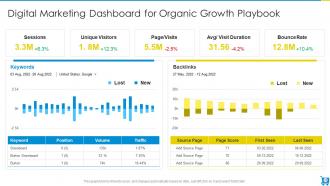
Slide 30: This slide represents Digital Marketing Dashboard for Organic Growth Playbook.
Slide 31: This is Our Mission slide with related imagery and text.
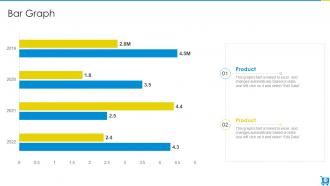
Slide 32: This slide presents Bar chart with two products comparison.
Slide 33: This slide depicts Venn diagram with text boxes.
Slide 34: This slide provides 30 60 90 Days Plan with text boxes.
Slide 35: This slide shows Post It Notes. Post your important notes here.
Slide 36: This is a Timeline slide. Show data related to time intervals here.
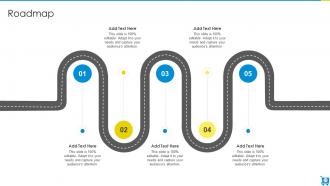
Slide 37: This slide presents Roadmap with additional textboxes.
Slide 38: This is a Thank You slide with address, contact numbers and email address.
Cross Selling And Upselling Playbook Powerpoint Presentation Slides with all 43 slides:
Use our Cross Selling And Upselling Playbook Powerpoint Presentation Slides to effectively help you save your valuable time. They are readymade to fit into any presentation structure.





FAQs for Cross Selling And Upselling Playbook
So cross selling is when you suggest related stuff - like if someone's buying a pitch deck template, you show them social media templates too. Upselling? That's pushing them toward the fancy version instead of basic. I always think of cross selling as widening their purchase (more different things) while upselling moves them up a tier. Honestly, templates are perfect for this since people usually need multiple formats anyway. Try those bundle offers at checkout - hits both strategies at once and your order values will jump.
Check what your customers are actually struggling with when they make presentations. If someone's buying pitch deck templates, they probably need stock photos or icons too, right? Survey your current customers or dig through support tickets - you'll see what other tools they're already using. Your sales team is honestly a goldmine here since they hear these requests all day. Browse analytics to spot patterns, like people who view templates also checking out design tools. Map out their whole presentation process from start to finish. That way you can spot where extra products would actually help instead of just trying to sell random stuff.
Look, segmentation is a total game-changer for cross-sells and upsells. You basically stop spraying and praying with random offers. Instead, you're hitting people with stuff they actually want based on what they've bought before and how they behave. Your big spenders? They'll bite on premium upgrades. Budget shoppers need totally different messaging though. I saw one team boost conversions by 40% just switching from generic blasts to targeted segments - like seriously impressive. Oh, and don't overthink it at first. Start with maybe 3-4 simple groups from your existing data, then test different offers for each. Way easier than it sounds.
Okay so first thing - make your premium options literally pop off the page. Bright colors, bigger text, those "most popular" badges everyone uses but they actually work. Side-by-side comparison charts are your best friend here, show people exactly what they're missing with the basic version. Oh and definitely throw some testimonials right next to your pricing - social proof is everything. The whole point is making the upgrade feel like a no-brainer without being that salesy person nobody likes. Visual hierarchy does most of the heavy lifting for you.
Bundle stuff that actually makes sense together - like cameras with memory cards and cases. Don't just throw random products together because I swear that confuses everyone. Price them maybe 10-20% cheaper than buying separately so people can see they're getting a deal. Your best-selling items should be the main attraction, then add whatever customers usually grab with those anyway. Honestly, some of the weird combos I've seen... anyway, test different mixes and see what converts. Make the savings super obvious or people won't get it.
Dude, analytics is a game-changer for this stuff. Track what templates people grab most and how they're actually using them - like which slides they spend forever tweaking or their go-to design choices. Honestly, it's kind of crazy how much you can learn from that data! Then hit them with recommendations when it makes sense. Someone always downloading business templates? Perfect time to suggest your executive dashboard pack or those fancy animation upgrades. Timing is everything though - you can't just randomly throw products at people and hope something sticks.
Okay so here's the thing - your sales funnel is basically a roadmap for when to pitch extra stuff. Like, you can see exactly where someone is in their buying journey and hit them with relevant offers at the right moments. Maybe accessories right after they buy something, or upgrades while they're still deciding. The key is timing it so it doesn't feel random or pushy. I learned this the hard way after annoying potential customers with terrible timing lol. Just pick 2-3 spots in your funnel where additional offers would actually make sense, not feel forced.
Dude, you're sitting on a goldmine if you actually listen to what customers complain about. Like when they're struggling with animations or want more slide options - that's literally them telling you what to sell them next time. So many people just ignore this stuff, it's crazy. Start tracking the common complaints and requests. Someone says "love this template but need matching handouts"? Boom, there's your upsell opportunity right there. Set up something simple to track feedback - even a basic spreadsheet works. Check it monthly for patterns and you'll start seeing these opportunities everywhere. Honestly wish I'd figured this out sooner!
Ok so the big ones that actually work are scarcity, social proof, and anchoring. Limited-time offers create urgency - people hate missing out. Testimonials are gold too, especially showing how other clients upgraded and loved it. For anchoring, I always show the most expensive package first (even when I know they'll pick something smaller) because it makes everything else look reasonable. Loss aversion works better than just listing benefits. Instead of "this feature does X," try "without this, you might miss out on..." Oh and build this stuff into your templates now so you're not scrambling during presentations.
Dude, personalization is a game changer for cross-sells and upsells. Use their actual data - what they bought before, what they browse, their weird preferences. Way better than those "people also bought" suggestions that are usually trash. Timing matters huge though. Hit them with premium upgrades when they're maxing out their limits, or throw complementary stuff at them right after they buy. I'd start simple - segment your customers and A/B test personalized recs against the generic ones. You'll probably be shocked at how much better it works.
Honestly, the worst thing you can do is sound too pushy - people see right through that BS. Generic templates are trash too since they ignore where your customer actually is in their buying process. I've seen so many businesses just dump every option on people at once, which is super overwhelming. Focus on their actual problems instead of just trying to make a sale. Keep it conversational, you know? And definitely test different versions because what works for one audience might totally flop with another. Short answer: don't be salesy, be helpful.
Dude, social proof is your best friend for upselling those premium templates. Get testimonials from clients who actually crushed it with the higher-tier stuff - like "boosted engagement 40%" or "landed 3 new clients with the executive package." Real numbers hit different than vague praise, you know? Show how many people upgraded recently or drop some big company names using those templates. Oh, and case studies work amazing too if you've got them. The whole point is making prospects feel smart about spending more, not guilty. Honestly, people just want proof they won't regret it. Start collecting those wins ASAP.
Try role-playing first - have your team practice spotting customer needs and connecting them to other products. They've gotta really know what you're selling though, which sounds obvious but half the reps I've seen are clueless about their own inventory. Pair newbies with your best people for shadowing. Build some simple reference sheets they can peek at during calls. Oh, and teach them to actually listen for those moments when customers mention problems - that's your opening right there. Track wins and make noise about them. Honestly, confidence is everything in sales. Start with just one or two add-on products before going crazy.
Look, CLV basically shows you which customers are actually worth your time for upselling and cross-selling. High CLV customers? Go all out - personalized offers, premium support, whatever. You can even take smaller margins upfront because they'll pay off later. For low CLV folks, just stick with automated suggestions and let them self-serve. The math's simple - don't blow $100 chasing someone who'll only bring in $50 total. I learned this the hard way at my last job. Focus on your high-value segments first and adjust your strategy from there.
So if you've got HubSpot or Salesforce already, those have recommendation engines built right in - they'll pull up complementary templates based on what customers bought before. Marketo and Pardot work great too for triggering those automated email sequences with related designs. There's also AI stuff like Dynamic Yield that watches how people browse your site and shows relevant suggestions. Setup's honestly kind of a headache at first, but then it just runs itself. I'd probably start with whatever CRM you're using now though - most have basic cross-sell features that nobody ever bothers turning on.
-
I joined SlideTeam last month and there’s no doubt that I tend to find our bond only strengthening over time. Best place to find world-class themes, templates, and icons.
-
“Slides are formally built and the color theme is also very exciting. This went perfectly with my needs and saved a good amount of time.”