


Direct sales powerpoint presentation slide




Try Before you Buy Download Free Sample Product
 Impress Your
 Audience
 100%
100% Editable
 Save Hours
 of Time


Presenting our content ready Direct Sales PowerPoint Presentation Slide. The topic-specific multilevel marketing presentation deck includes self-explanatory templates such as sales by region, competitor’s analysis, competitive advantage, training evaluation, quick tips of door-to-door selling, sales evaluation and so on. Utilize direct selling PowerPoint template to evaluate sales by region. You can also exhibit sales activities like client visits, new conventions, follow-ups, etc. in a tabular form. Incorporate direct sales process presentation deck to identify your ideal clients based on psychographic, behavioral, demographic & geographic segmentation. Hiring & training marketing team is a complex process. Make use of this person to person marketing PowerPoint graphics to demonstrate the training process and timeline. Demonstrate your product details like price design and quality using this direct selling PPT presentation. This high-quality presentation is very useful if you are on a tight schedule as this saves your time. Thus download it now and create interactive presentations. Improvise freely with our Direct Sales Powerpoint Presentation Slide. Alter anything as you desire.
People who downloaded this PowerPoint presentation also viewed the following :
Content of this Powerpoint Presentation
Slide 1: This slide introduces Direct Sales. State Your Company Name and begin.
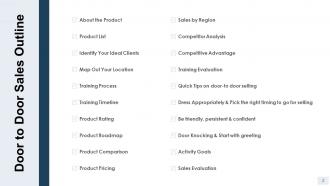
Slide 2: This slide presents Door to Door Sales Outline in a tabular form. This table consists of two coumns title and slide number which you can add as per your business needs.
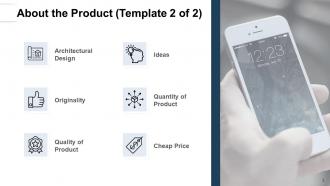
Slide 3: This slide provides a brief introduction About the Product. It also shows the following points- Business, Renew, Portfolio, Help, Creativity, Maps, Creative, Tools with icon imagery. You can also add your logo in the empty space provided.
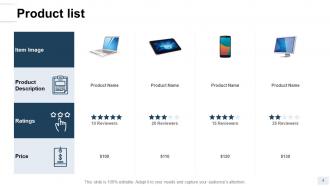
Slide 4: This slide displays a Product List consisting of Item Image, Product Description, Ratings and Price. You can also add images of your products here if you desire to.
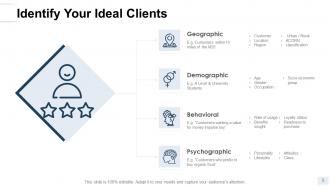
Slide 5: This slide helps to Identify Your Ideal Clients by dividing them into the following four categories- Behavioral, Psychographic, Demographic, Geographic.
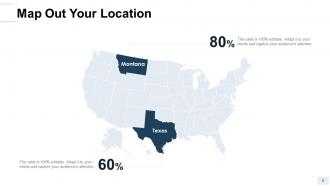
Slide 6: This is Map Out Your Location slide showing US map imagery which you can use as per your business requirement.
Slide 7: This slide explains Hire & Train Marketing Team step of door to door selling. You can add the names and designations of your team members in the given tet boxes.
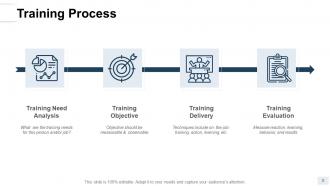
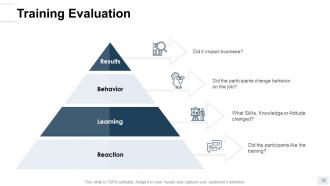
Slide 8: This slide explains the four major steps involved in the Training Process- Training Need Analysis: What are the training needs for this person and/or job? Training Objective: Objective should be measurable & observable Training Delivery: Techniques include on- the-job- training, action, learning, etc. Training Evaluation: Measure reaction, learning, behaviour, and results.
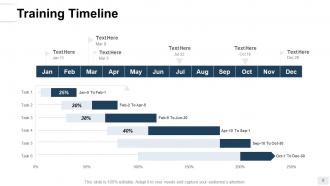
Slide 9: This slide shows a Training Timeline in which you can add training aspects like milestones, journey etc. You can also edit and alter the text as per your requirement.
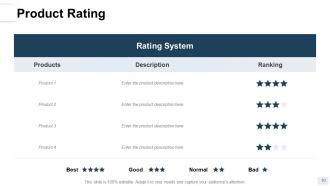
Slide 10: This slide shows Product Rating along with description and ranking.
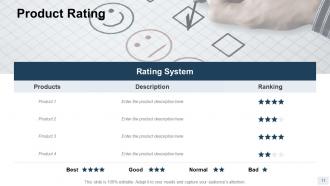
Slide 11: This is an optional slide for Product Rating.
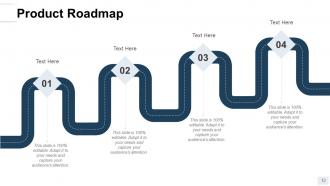
Slide 12: This slide displays a Product Roadmap. Add growth prospects, milestones, journey etc. with reference to the product here.
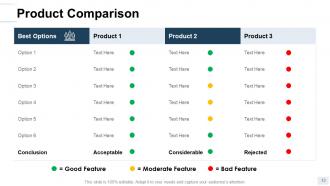
Slide 13: This slide shows Product Comparison on the basis of Moderate Feature, Good Feature and Bad Feature. Also on the basis of this comparison, you can draw product conclusion as being acceptable, considerable and rejected.
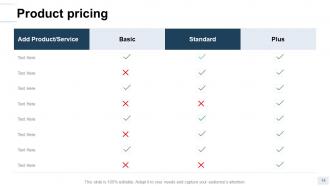
Slide 14: This slide shows Product Pricing with three parameters- Basic, Standard, Plus.
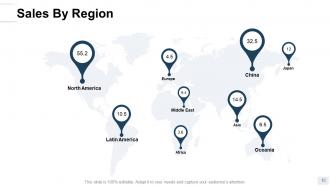
Slide 15: This slide shows Sales By Region by making use of a world map image. You can mark your respective sales locations on this map and use it.
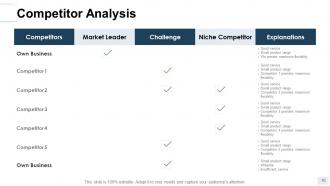
Slide 16: This slide shows Competitor Analysis with the following sub headings- Competitors, Market Leader, Challenger, Niche Competitor, Explanations.
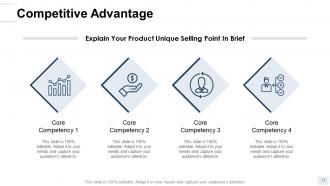
Slide 17: This is a Competitive Advantage slide to explain your product's unique selling point in brief. It also shows core competencies which you can add.
Slide 18: This is a Training Evaluation slide showing its four levels- Results, Reaction, Behavior, Learning. It also explains Did it impact business? Did the participants change behaviour on the job? What Skills, Knowledge or Attitude changed? Did the participants like the training?
Slide 19: This slide is titled Quick Tips on Door-to door Selling with background imagery.
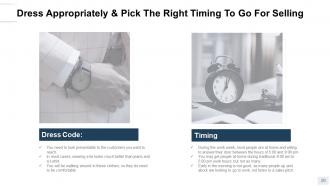
Slide 20: This is Dress Appropriately and Pick The Right Timing Go For Selling slide showing Dress Code and Timings with relevant imagery.
Slide 21: This is Door Knocking & Start with Greeting slide showing the following three points- Step away from the door after knocking, Avoid your sales pitch at first, A simple, "Hello, how are you today?" treats each person as an individual rather than just a potential customer You want the person to trust you and want to talk to you This slide is 100% editable. Adapt it to your needs and capture your audience's attention.
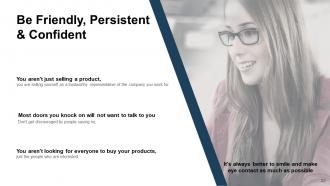
Slide 22: This slide explains Be Friendly, Persistent & Confident by listing the following three reasons- Most doors you knock on will not want to talk to you You aren't just selling a product,.. You aren't looking for everyone to buy your products.
Slide 23: This slide is titled Set and Evaluate Goals with background imagery.
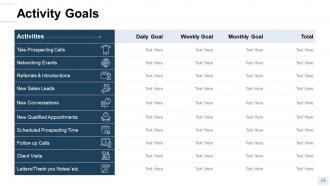
Slide 24: This slide presents a table showing daily, monthly and weekly Activity Goals.
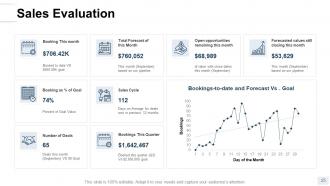
Slide 25: This slide presents Sales Evaluation in charts and graphs.
Slide 26: This slide displays Direct Sales Icons.
Slide 27: This slide reminds about a 15 minutes coffee break.
Slide 28: This slide is titled as Additional Slides for moving forward.
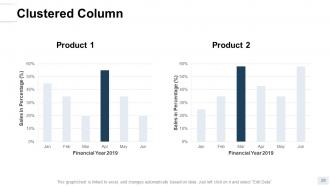
Slide 29: This slide presents Clustered Column chart with two products comparison.
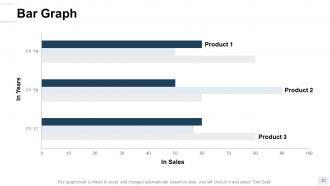
Slide 30: This slide shows Bar graph with three products comparison.
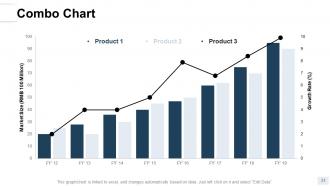
Slide 31: This slide displays Combo Chart with three products comparison.
Slide 32: This is About Us slide to show company specifications etc.
Slide 33: This is Our Mission slide with related imagery and text.
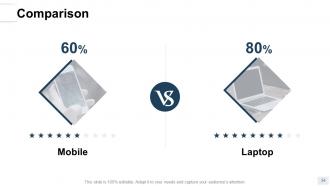
Slide 34: This is a Comparison slide to state comparison between commodities, entities etc.
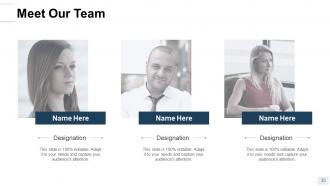
Slide 35: This is Meet Our Team slide with names and designation.
Slide 36: This is a Timeline slide to show information related with time period.
Slide 37: This is another slide continuing Timeline.
Slide 38: This is an Idea or Bulb slide to state a new idea or highlight information, specifications etc.
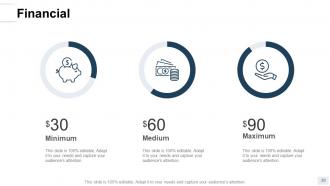
Slide 39: This is a Financial slide. Show your finance related stuff here.
Slide 40: This slide shows Mind Map for representing entities.
Slide 41: This slide is titled as Post it Notes. Post your important notes here.
Slide 42: This is a Venn slide with text boxes.
Slide 43: This is a Target slide. State your targets here.
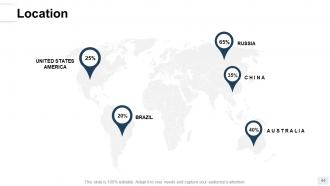
Slide 44: This is a Location slide with map to show data related with different locations.
Slide 45: This is a Puzzle slide with text boxes to show information.
Slide 46: This is a SWOT slide. Show your firm's Strengths, Weaknesses, Opportunities, and Threats here.
Slide 47: This is a Thank You slide with address, contact numbers and email address.
Direct sales powerpoint presentation slide with all 47 slides:
Use our Direct Sales Powerpoint Presentation Slide to effectively help you save your valuable time. They are readymade to fit into any presentation structure.





FAQs for Direct sales
Honestly, direct sales is where the money is. You're cutting out all the middlemen so you keep way more profit per sale. Plus you control your pricing - no one else calling the shots there. The customer feedback is incredible too, like you're getting real insights straight from people actually using your stuff. Oh and you own the whole sales experience, which is huge for keeping your brand consistent. Downside though? Man, it's a lot of work getting started. You're basically building your entire sales operation from nothing. But once you get past that initial grind and investment, it usually pays off big time.
Honestly, templates are a game changer. You won't be standing there like "um, what do I say next?" when you're in front of someone important. Hit the problem, your solution, why they should care - boom, logical order that actually works. When I'm nervous (which happens more than I'd like to admit), having that framework saves me. You can tweak them for different people too. The best part? Your whole team uses what actually converts instead of everyone doing their own random thing. Just start with one and see what lands.
Honestly? The rejection hits hard at first, but you'll get numb to it pretty quick. Money's gonna be all over the place - feast or famine type deal. I'd stash cash during the good weeks and always keep a bunch of prospects warm. Cold calling sucks, so focus on relationships and follow-ups instead. Oh, and track your conversion rates from day one. Sounds boring but you need to know what actually works vs what just feels busy. Building that customer base from zero is brutal, but referrals will save your life once you get rolling.
Dude, the whole direct sales game has changed so much. You can literally run everything from your phone now - social media lets you hit up thousands of people instantly. CRM systems track your leads and handle follow-ups automatically, which is honestly a lifesaver. Plus e-commerce means orders come in 24/7 even when you're sleeping. Most demos happen over video calls instead of meeting face-to-face, and there's AI that'll help personalize your pitches too. Wild how different things are from even five years ago, right? If you're not using basic automation and social selling yet, you're making things way harder than they need to be.
Honestly, social media is where direct sales lives now. Pick one platform first - don't spread yourself too thin trying to post everywhere. Facebook and Instagram are solid for product demos and building real connections with people. LinkedIn works if you're doing B2B stuff. The trick is actually being yourself instead of sounding like a walking advertisement (people see right through that BS). Post consistently and focus on relationships over just hawking your products 24/7. Your profile basically becomes your shop and your reputation at the same time, so make it count.
So basically, lifestyle presentations are about selling the dream - like how amazing your life will be. Product demos just show what the thing actually does. Picture this: instead of listing skincare ingredients, you're talking about cozy spa nights with your girls. Way more appealing, right? People don't really care about specs first - they want to feel something. That emotional connection is what gets them to actually buy. I'd honestly mix both though. Hook them with the lifestyle stuff, then prove it works with the actual product details. Works way better than just doing one or the other.
Honestly, just talk to your customers like actual people, not ATMs. Call them when you DON'T need anything - wild concept, right? Ask what's bugging them at work and actually care about the answer. Be useful beyond your product. Send them articles, make introductions, whatever helps their day. And here's the thing - if you say you'll do something, do it. Period. Even tiny promises count. Oh, and write this stuff down in your CRM so you don't look like an idiot next time you talk. Nothing worse than forgetting they mentioned their kid's graduation or whatever.
Stories are everything in sales presentations, honestly. Open with a customer success story that matches their exact situation - shows you get their problems and you've fixed them before. I always use "before, during, after" because people can actually follow it. Throw in real numbers and details so it doesn't sound made up. When they hit you with objections like "too pricey," that's when you pull out the shorter stories. Like how another client said the exact same thing but ended up with 300% ROI in six months. Keep maybe 4-5 solid stories in your back pocket ready to go.
Track your conversion rate first - that's how many prospects actually buy from you. Average deal size and sales cycle length matter tons too. Customer acquisition cost will tell you if you're bleeding money. Revenue per rep is honestly my favorite metric because it shows who's killing it vs who's struggling. Don't get sucked into stuff like total calls made (though some activity tracking helps with pipeline). I'd break down your lead-to-opportunity and opportunity-to-close ratios separately so you can see exactly where things are dying. Start simple with these, then get fancy later.
Oh man, cultural stuff makes such a huge difference in sales. Like in Japan, you'd spend forever building relationships before even mentioning your product, but Americans? They want the benefits and price upfront. Germans appreciate being direct and assertive - they actually respect that approach. Try that same energy in Thailand though and you'll probably come off as way too pushy. Some places do everything as a group decision, others want individual pitches. Even presentation style matters - formal vs casual conversations. I learned this the hard way once, honestly. You really gotta research local business customs first and basically redesign your whole approach, not just translate your usual pitch.
Look, it's all about real relationships - nobody joins an "opportunity," they join YOU. Target people who already think like entrepreneurs or need extra cash. Parents wanting flexibility, anyone with a side gig, that type of person. I swear social media is perfect for this - just show your actual results and lifestyle without being salesy. Coffee meetups work great too where they can chat with your team and hear genuine stories. Here's the thing though - listen way more than you talk. Figure out what they really want, then connect the dots to how this fits their life. Oh, and start with people who already trust you!
Dude, the FTC guidelines are like a moving target - they change constantly and every state has different rules too. Get yourself a lawyer who actually knows direct sales because this stuff will bite you if you mess up. Your comp plan, marketing, training materials... all of it needs to pass the anti-pyramid test. I'd honestly document everything and retrain your team every quarter on what they can/can't promise people. Oh, and the FTC's MLM business guidance isn't terrible to read through first. Maybe boring, but it'll save you headaches later.
Honestly, assumptive close and alternative choice work best for me. Like instead of asking IF they want it, you just go "When would you like your first delivery?" Alternative choice is similar - "Would you prefer standard or premium?" Both assume they're already buying. I used to way overthink this crap. Summary close is solid too - just recap what they cared about, then move to next steps. But really? Reading their vibe matters more than the technique itself. Just practice those three until they don't feel weird coming out of your mouth, then trust your gut in the moment.
Look, stop trying to copy what everyone else does. Figure out what actually makes you different - like maybe you use all your own products or you're that rep who tells people when they shouldn't buy something. Most sales reps on social sound identical anyway, so just being real puts you ahead. Pick 2-3 platforms where your prospects actually are and crush those. Don't spread yourself everywhere - that's how you end up mediocre at everything. Document your wins and the lessons when you mess up. People love seeing the real journey, not just highlight reels. Oh and consistency beats perfection every time.
Dude, testimonials are seriously game-changing for sales. When prospects hear from real people who had their exact problem and fixed it, you're not just some pushy salesperson anymore - you become the guy with actual proof. Stories hit different than spreadsheets, you know? They answer objections before people even think of them. Your happiest customers basically do the convincing for you, which is honestly the best position to be in. I'd start reaching out to clients who love you and ask them to share specific wins they got. Even a quick "here's what sucked before, here's how it's better now" works perfectly.
-
Top Quality presentations that are easily editable.
-
It saves your time and decrease your efforts in half.
-
Attractive design and informative presentation.
-
Commendable slides with attractive designs. Extremely pleased with the fact that they are easy to modify. Great work!