

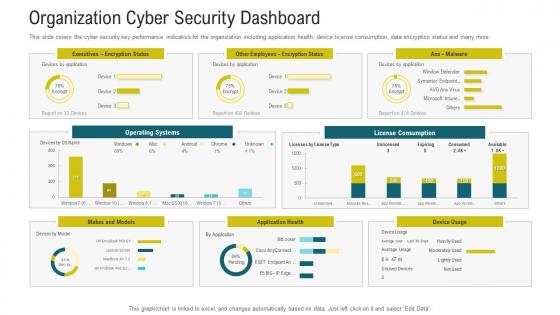
Cybersecurity awareness training organization cyber security dashboard ppt model graphics




Try Before you Buy Download Free Sample Product
 Impress Your
 Audience
 100%
100% Editable
 Save Hours
 of Time


Our Cybersecurity Awareness Training Organization Cyber Security Dashboard Ppt Model Graphics are topically designed to provide an attractive backdrop to any subject. Use them to look like a presentation pro.
People who downloaded this PowerPoint presentation also viewed the following :
Cybersecurity awareness training organization cyber security dashboard ppt model graphics with all 2 slides:
Use our Cybersecurity Awareness Training Organization Cyber Security Dashboard Ppt Model Graphics to effectively help you save your valuable time. They are readymade to fit into any presentation structure.
FAQs for Cybersecurity awareness training organization cyber security dashboard
Start with the basics - phishing, social engineering, password stuff, and how to spot malware. Real examples work way better than theory, so definitely do those fake phishing tests (people actually learn from getting tricked, weirdly). Mix in physical security and mobile safety too. Keep it interactive instead of boring lectures. Different departments need different focus - finance faces totally different threats than IT does. I'd say quarterly refreshers are about right, and track what people are actually retaining. Oh, and make sure everyone knows how to report incidents when things go sideways.
Start with a baseline test before jumping into training. Phishing simulations work great - you'd be shocked how many people click random links honestly. Quick quizzes on passwords and social engineering help too. Anonymous surveys are clutch since people won't lie about their bad habits when there's no consequences. Oh, and make sure it doesn't feel like you're trying to catch them doing something wrong. Nobody likes that vibe. Keep it focused on learning instead of punishment - way better engagement that way. The whole point is seeing where everyone's at so you know what to actually teach them.
Phishing emails are probably the worst - those fake ones trying to steal your login info or get you to click sketchy links. Ransomware's brutal too, basically locks up your whole computer until you pay up. Oh, and social engineering where they call pretending to be IT or whatever and trick people into giving away passwords. It's wild how creative scammers are getting these days. Malware downloads are still a thing obviously. Best thing you can do? Just be suspicious of random emails and always double-check if someone's asking for sensitive stuff - like call them back on a number you know is real.
Honestly, gamification is a game-changer for security training. People actually engage instead of zoning out through PowerPoints. Points, badges, leaderboards - suddenly everyone's competing to spot phishing emails! It builds real muscle memory too. When you practice identifying threats in a fun setup, you'll catch actual attacks faster. Completion rates go way up. My old team got ridiculously competitive about our monthly security challenges - kinda hilarious watching accountants trash-talk over malware detection scores. Start simple with a quiz and small prizes, then see what clicks with your people.
Look, phishing training is huge because that's how most breaches actually happen - people click sketchy links. Your employees become like extra security guards when they can spot fake emails and bogus login pages. Tech filters are good but attackers keep finding workarounds, so you need humans who know what to look for. The trick is making training regular and actually interesting - those once-a-year PowerPoints everyone sleeps through? Total waste. Train them often with real examples they'll remember when it counts.
Honestly, quarterly is the bare minimum these days. Most teams I know are doing monthly mini-sessions because people's attention spans are terrible - we forget security stuff super fast. Annual training? Total waste of time. Threats change way too quickly for that to work anymore. I'd say aim for short, focused sessions every 2-3 months hitting whatever's actually happening - like current phishing scams or social engineering tricks. Oh, and definitely mix in some fake phishing tests randomly throughout the year to keep people on their toes. Start quarterly though and see how it goes, then tweak from there.
Track your pre/post test scores and completion rates - that's the basic stuff. But honestly? The behavioral changes matter way more. Phishing simulation results are pure gold since they show if people actually get it. I'd also watch your security incident reports and see if employees are reporting sketchy emails more often. Password improvements are huge too. Oh, and don't ignore the feedback from training sessions - sometimes people hate the format but love the content, you know? Start with phishing sims though. That's where you'll see real impact.
So basically you want to tailor it by department, right? Finance needs to focus hard on wire fraud and those fake invoice scams. HR should practice spotting social engineering since they're dealing with employee info all day. IT gets the technical stuff obviously. Marketing though - they get absolutely hammered with account takeover attempts way more than you'd think. The trick is making scenarios that actually match what they do daily instead of boring "don't click suspicious links" training. I'd start by figuring out what data each team handles and where they're most vulnerable.
Honestly, start with SANS - their templates are legit and you can tweak them however you need. NIST Framework has solid foundational stuff too. KnowBe4's got free resources that are actually useful, especially their phishing examples (some of those will blow your mind). The CISA toolkit has decent visuals that don't look ancient, which is nice for a change. First though, figure out what you're actually trying to teach your team. Then just grab what works from these sources and make it relevant to the stuff your people deal with every day. Way more effective than generic training nonsense.
Honestly, just make everything the same for everyone - remote or not. Get a decent online learning system that pushes out identical modules and tests to your whole team. I've watched companies mess this up by basically ignoring their remote people (which is dumb). Schedule those virtual training sessions like actual meetings that people can't skip. Track who's completing what. Run phishing sims regularly. Your remote folks need the same interactive stuff - virtual labs work pretty well for this. Set up monthly check-ins so nothing gets forgotten. The whole point is consistency across the board.
Yeah, you can definitely get hit with major legal trouble. GDPR fines, HIPAA penalties, SOX violations - all that fun stuff. Regulators basically expect you to prove you've trained people on cyber risks now. If you don't? They'll call it negligence when something bad happens. My old company learned this the hard way actually. Your biggest risk is when employees fall for phishing or mess up with sensitive data - then you're facing liability issues on top of regulatory fines. Just document whatever training you do and make it regular. Honestly, it's your only real shield if things go south.
Dude, you NEED leadership on board or you're basically screwed. I've watched so many security programs crash and burn when executives just throw money at it but don't actually care. Employees can smell that fake support from a mile away. Your CEO needs to be doing the training too, not just writing checks for it. People follow what leaders do, not what they say. Without real buy-in from the top, good luck getting anyone to change their habits or take it seriously. It becomes just another boring requirement instead of something that actually matters.
Ugh, the worst thing companies do is make cybersecurity training super generic and boring. People just tune out completely. Your accounting team deals with totally different scams than the sales guys, so why train them the same way? Don't cram everything into one giant session either - nobody remembers that much stuff. And please skip the scare tactics about "hackers will ruin us all!" That just stresses people out instead of actually helping. Break it up into smaller chunks. Make scenarios that actually relate to what people do daily. Get interactive with it - maybe throw in some fake phishing tests or something. Then actually check if they learned anything, not just whether they sat through your slides.
Honestly, just make cybersecurity feel good instead of annoying. When someone spots a phishing email or follows the rules, say thanks right away - even something quick like "nice catch!" People eat that stuff up. Make your security tools actually easy to use (crazy concept, right?). Skip those brutal annual training sessions and do quick refreshers instead. Oh, and celebrate wins publicly! Create a vibe where asking security questions is totally normal, not embarrassing. I've watched companies mess this up by forgetting the positive reinforcement part. Then they wonder why nobody cares about security anymore.
Look, your employees go from being your weakest link to actually protecting you. Training cuts way down on phishing attacks and those expensive security messes. Compliance gets easier too. Honestly though, the best part? It's so much cheaper than cleaning up after a breach - trust me on that one. People start spotting sketchy stuff without even thinking about it. ROI keeps getting better as everyone develops better security habits. Don't do those awful all-day training sessions though. Monthly short bursts work way better.
-
Great product with highly impressive and engaging designs.
-
Awesome presentation, really professional and easy to edit.
-
Understandable and informative presentation.
-
Perfect template with attractive color combination.
-
Best Representation of topics, really appreciable.