


Recruitment Process Outsourcing Powerpoint Presentation Slides




Try Before you Buy Download Free Sample Product
 Impress Your
 Audience
 100%
100% Editable
 Save Hours
 of Time


If you are looking for a great RPO strategy, then our content-ready recruitment process outsourcing PowerPoint presentation slides are best fit for you. Here in this outsourcing planning PPT design, we have thrown light on various topics like an executive summary, candidate sourcing, key management, current vacancies, job description, departments & teams, advertising, employee referrals, recruitment tracker and hiring budget. Furthermore, you can utilize these hiring procedure PPT templates for making PowerPoint visuals on talent acquisition, staffing plan, asset recruitment, recruitment sources, HR consultancy, and onboarding methodology. Choosing the right RPO provider that understands your company culture, values, and goals will surely provide you long-term benefits. One of the most significant benefits of using our staffing process presentation PPT is that it will save your time and efforts as it consists of professional graphics and icons. Also, outsourcing recruitment services can adjust their hiring activities to match the continually changing needs of your company. Download our recruitment process outsourcing presentation visuals if you are serious about streamlining your hiring process. Build an inclusive atmosphere with our Recruitment Process Outsourcing Powerpoint Presentation Slides. Get folks to accept different concerns.
People who downloaded this PowerPoint presentation also viewed the following :
Content of this Powerpoint Presentation
Slide 1: This slide introduces Recruitment Process Outsourcing. State Your company name and get started.
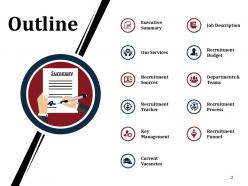
Slide 2: This slide showcases Outline with these points- Executive Summary, Our Services, Recruitment Sources, Recruitment Tracker, Key Management, Current Vacancies, Job Description, Recruitment Budget, Departments & Teams, Recruitment Process, Recruitment Funnel, Summary.
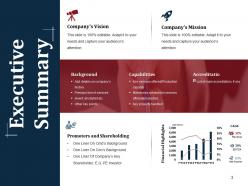
Slide 3: This slide showcases Executive Summary. You can add your details and use it accordingly.
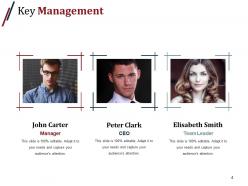
Slide 4: This slide shows Key Management. This slide can be used to add the details of your company member.
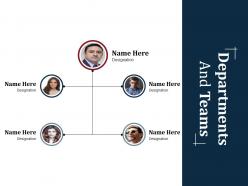
Slide 5: This slide presents Departments And Teams. You can add your team name and make it for your use.
Slide 6: This slide shows Our Services. Add the company services and use it.
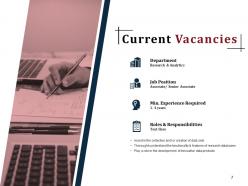
Slide 7: This slide presents Current Vacancies. Use this for adding information about job position, roles and responsibilities.
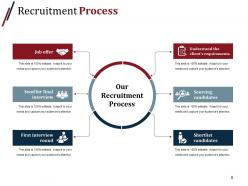
Slide 8: This slide showcases Recruitment Process, Use this to add the six stages- Job offer, Send for final interview, First interview round, Shortlist candidates, Sourcing candidates, Understand the client’s requirements.
Slide 9: This slide presents Recruitment Sources with these six approaches- Internal Searches, Advertisements, School Placement, Voluntary Applicants, Employee Referrals, Advertisements.
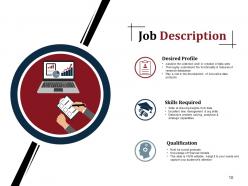
Slide 10: This slide showcases Job Description with these three main categories- Desired Profile, Qualification, Skills Required.
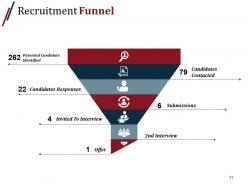
Slide 11: This slide shows Recruitment Funnel. You can add the data as per your need.
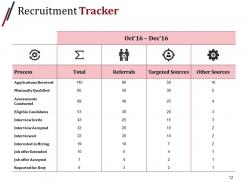
Slide 12: This slide presents Recruitment Tracker. Add the details in the table and use it.
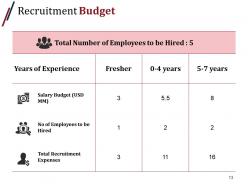
Slide 13: This slide shows Recruitment Budget. You can add the details and use it accordingly
Slide 14: This slide shows Coffee Break image.
Slide 15: This slide displays the title Charts & Graphs.
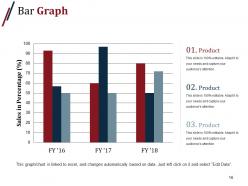
Slide 16: This is a Bar Graph image slide to show product comparison, growth etc.
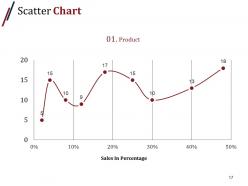
Slide 17: This slide presents Scatter Chart. You can use it for comparison.
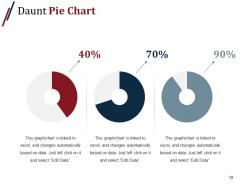
Slide 18: This slide presents Donut Pie Chart. Analyse the product comaprison.
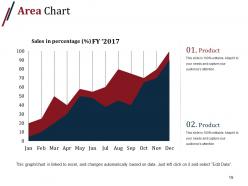
Slide 19: This slide for Area Chart can be used for comparing.
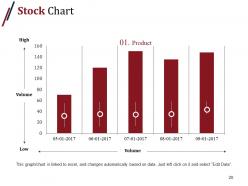
Slide 20: This slide displays a Stock Chart with volume as parameter in terms of high and low, open and close.
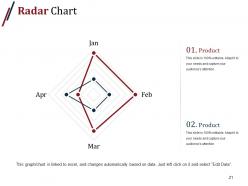
Slide 21: This slide presents a Radar Chart graph/chart. Compare Product 01, Product 02 and use as per required.
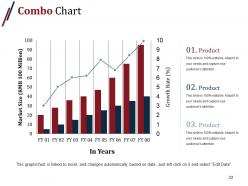
Slide 22: This slide shows Combo Chart. Add your two products for comparison.
Slide 23: This slide is titled Additional Slides.
Slide 24: This slide represents Our Mission. State your mission, goals etc.
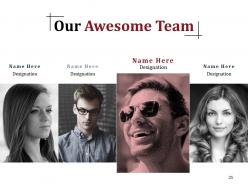
Slide 25: This slide showcases Our Team with Name and Designation to fill.
Slide 26: This slide helps show- About Our Company. The sub headings include- Creative Design, Customer Care, Expand Company
Slide 27: This slide shows Our Goals for your company.
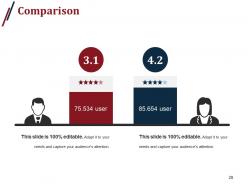
Slide 28: This slide presents Comparison. You can analyse or comapare with this.
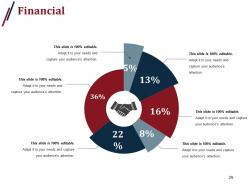
Slide 29: State your Financial score in this slide with relevant imagery and text.
Slide 30: This is a Quotes slide to convey message, beliefs etc.
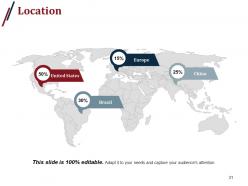
Slide 31: This is a Location slide to show global growth,presence etc. on world map.
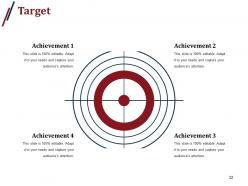
Slide 32: This slide shows Target image with text boxes.
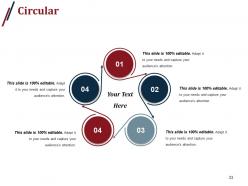
Slide 33: This is a Circular image slide to show information, specifications etc.
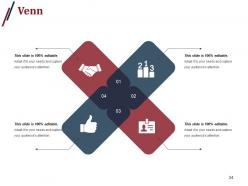
Slide 34: This is a Venn diagram image slide to show information, specifications etc.
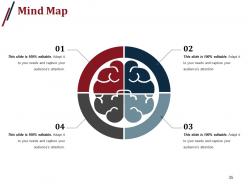
Slide 35: This slide shows a Mind map for representing entities.
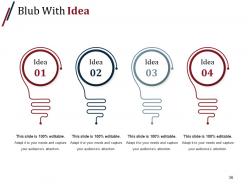
Slide 36: This slide displays a Bulb or idea image.
Slide 37: This is a Magnifying glass image slide to show information, scoping aspects etc.
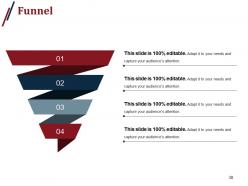
Slide 38: This is a Funnel image slide showing: Calls-to-action, Reachability, User Experience, Color Schemes, Engagement, Simplicity.
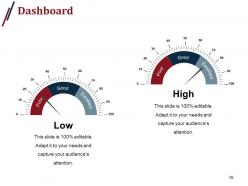
Slide 39: This slide displays Change Management Performance Dashboard. The factors calculated are- %Change Implemented within Target, %Changes Failed, %Emergency Changes, Average Change Implementation Time, %High Risk Changes, Average Cost per Change, %Change Rejected, for the entire Change Management Score.
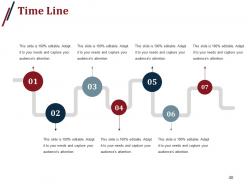
Slide 40: This is a Timelines slide to show- Plan, Budget, Schedule, Review.
Slide 41: This is a Thank You slide for acknowledgement.
Recruitment Process Outsourcing Powerpoint Presentation Slides with all 41 slides:
Address insatiable demands with our Recruitment Process Outsourcing Powerpoint Presentation Slides. Cater for any information that could be asked for.










FAQs for Recruitment Process Outsourcing
RPO works for everyone but differently depending on size. Small companies can tap into fancy recruiting tech and pros they'd never afford otherwise - way better than hiring a full-time recruiter when you only need them sometimes. Medium-sized places love how fast they can ramp up or down without the staffing nightmare. For big organizations? Honestly, the compliance stuff alone makes it worth it, plus you get consistent processes everywhere. The real question is whether your hiring is all over the place volume-wise or consistently heavy enough that outsourcing beats building your own team. That's when it clicks.
So RPO is when you basically outsource your whole hiring process to an external company instead of doing it all in-house. They become part of your team - use your branding, work on-site sometimes, follow your processes. Way different than just posting jobs and crossing your fingers. Traditional recruiting is more like "we need someone, let's throw up a job ad." RPO is strategic. They're building talent pipelines for the long haul and actually improving your hiring quality overall. Honestly, if you're drowning in recruitment stuff or can't fill positions, it's probably worth looking into.
Focus on time-to-fill, cost-per-hire, and quality of hire - those are your big three. But honestly? The soft stuff matters just as much. Get candidate satisfaction scores and hiring manager feedback, because I've watched RPOs hit their numbers while sending absolute garbage candidates. Check retention at 90 days and one year - that's where you'll see if they're actually finding good people. Compliance and diversity metrics too if your company cares about that. Set up monthly reviews with them and don't let them hide behind fancy reports. Transparency's everything here.
RPO providers can totally transform how candidates see your company. They'll polish up your application process and actually respond to people (wild concept, right?). The communication gets way better - proper timing, follow-ups that don't suck. What's cool is they bring specialized tech and engagement strategies you probably don't have in-house. Even rejected candidates walk away thinking well of your brand, which is huge. I'd definitely ask any RPO you're considering about their candidate satisfaction scores and what branding stuff they've done before.
Honestly, your biggest headache will be your own team freaking out about job security. They'll think you're replacing them or something. Culture fit is huge too - RPO providers don't automatically "get" your company vibe, which is super annoying to fix later. Oh, and connecting their systems to your existing HR stuff? Total nightmare. Communication gets weird at first while everyone figures out their lanes. I'd definitely pilot with just one department first. Get some solid wins under your belt, then expand. Way less risky that way.
Oh man, RPO tech is a game changer. Start with AI resume screening - it'll automatically filter candidates so you're not drowning in applications all day. Chatbots are actually pretty great for handling those repetitive "what's the salary range?" questions (saves your sanity). Background checks and interview scheduling can run on autopilot too. The analytics dashboards show you exactly where things are getting stuck. Honestly though, don't try to automate everything at once - that's a recipe for chaos. Pick whatever's driving you crazy first and build from there. You'll thank yourself later.
Tech and healthcare companies get the most value from RPO - they're always hiring and need super specialized people. Financial services works well too because of all the compliance stuff and turnover issues. Manufacturing's another good one. Oh, and retail used to be huge for this but that's kinda shifted. Really though, it comes down to two things: either you're hiring constantly or you need really niche talent that's tough to source. If your HR folks are spending all day recruiting instead of doing actual strategy work, you should probably look into it.
Good RPO companies have legal teams watching labor law changes 24/7 - they're way more on top of this stuff than most internal HR departments, honestly. They'll audit your hiring practices regularly and make sure job postings hit all the EEOC boxes. Documentation gets handled properly throughout recruiting too. Most have these compliance dashboards where you can see metrics in real time, which is pretty neat. Their recruiters get trained on discrimination laws, wage rules, all that. Oh and industry-specific requirements if that applies to you. Just ask about their compliance setup before signing anything and request regular reports.
First thing - find someone who actually knows your industry inside and out. Generic recruiters are pretty much useless. Their tech needs to be current too, because clunky systems will just frustrate everyone. I'd probably focus more on cultural fit than most people do since these guys will basically be working as part of your team. You'll want solid reporting so you can see if it's actually worth the money. Don't just talk to their sales people either - get on calls with the actual recruiters doing the work. Oh, and ask how they find candidates beyond just posting jobs everywhere.
So RPO basically flips the whole hiring thing on its head - you're not constantly playing catch-up anymore. Instead of scrambling when someone quits, you actually get ahead of it with better data and market insights. Honestly, it's been a lifesaver for companies I've seen use it. Your team stops drowning in the boring stuff and can focus on strategy instead. The RPO folks handle all the operational headaches while giving you intel on salary trends and sourcing tricks you'd never figure out alone. Just start with whatever part of hiring currently makes you want to pull your hair out.
Oh man, culture fit is HUGE with RPO. These people basically become your hiring team, so they better get what makes someone click at your company. Don't just throw job descriptions at them - walk them through your actual culture during onboarding. I've watched so many partnerships crash because the RPO folks were just skill-matching without understanding the deeper stuff. They need to know your team vibes, work style, why people actually stick around. Honestly, it's worth the extra time upfront to train them properly and share real examples of hires that worked out vs. total disasters.
Honestly, you've gotta nail down solid SLAs and metrics before anything else - quality standards, timelines, the whole thing. Weekly check-ins are non-negotiable too. I've watched companies get absolutely torched because they skipped this step thinking they could wing it. Keep your hiring managers doing the actual interviews and final calls though. The RPO should handle sourcing and initial screening, but don't let them make hiring decisions for you. Oh, and definitely require regular reporting on pipeline stuff and candidate feedback. Start strict with communication schedules, then you can always relax things once you see what's actually working.
Look, it totally depends on what you're spending now, but most places I've seen save like 20-40% in year one. You're basically swapping out all your internal recruiting costs - salaries, benefits, software subscriptions - for the RPO fees instead. They usually charge per hire or some combo model. Better hires that come in faster definitely help the math work out. What always cracks me up though? Companies find out they were paying for like 5 different recruiting tools that nobody actually used. I'd start by adding up everything you spend now - and don't forget stuff like how much time your managers waste in interviews.
Dude, remote work has completely blown up the RPO market. Internal HR teams just weren't ready for hiring across like 10 different states or countries overnight. There's all this stuff they don't know - local employment laws, what people actually expect to get paid in different areas, sourcing from markets they've never touched. RPO companies already built all that infrastructure and know these talent pools inside out. Honestly, some of the best candidates are hiding in places your team probably hasn't even thought to look. Building that capability from scratch would take forever - way easier to just partner up.
Dude, AI is totally taking over RPO right now. Chatbots are doing first interviews, algorithms match resumes automatically - it's wild. Data analytics are getting crazy sophisticated too, so you'll get way better predictions about who'll actually succeed. Oh and with everyone wanting gig work these days, RPO firms have to handle flexible staffing, not just regular full-time positions. Honestly feels like every month there's something new. But seriously - check what tech your current RPO partner has because the ones stuck in the past won't survive this shift.
-
Qualitative and comprehensive slides.
-
Really like the color and design of the presentation.