


Employee development plan to employee professional growth ppt background




Try Before you Buy Download Free Sample Product
 Impress Your
 Audience
 100%
100% Editable
 Save Hours
 of Time


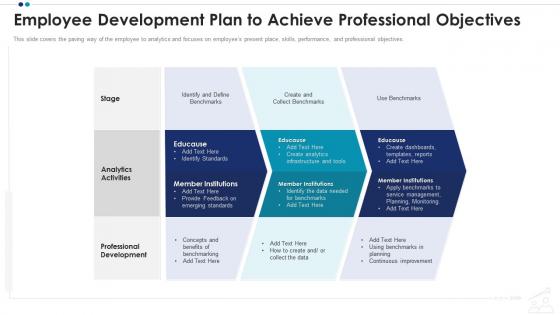
This slide covers the paving way of the employee to analytics and focuses on employees present place, skills, performance, and professional objectives.
People who downloaded this PowerPoint presentation also viewed the following :
Employee development plan to employee professional growth ppt background with all 6 slides:
Use our Employee Development Plan To Employee Professional Growth Ppt Background to effectively help you save your valuable time. They are readymade to fit into any presentation structure.





FAQs for Employee development plan to employee professional
So you need five main things: performance goals that actually connect to what the business cares about, a skills assessment to see what's missing, learning stuff like training or mentoring, regular feedback meetings, and milestones you can actually measure. The feedback meetings are honestly where most people screw up - everyone gets swamped and skips them. But don't! Also throw in some stretch projects or let them work with other teams. People eat that up because it's way more interesting than their usual stuff. Just make it feel like you're building it together, not dumping it on them.
So first thing - figure out what skills you'll actually need based on where your company's going in the next few years. Map those against what you have now. Big gaps? That's where you focus your training dollars. Maybe it's leadership development, tech skills, whatever. Most places just throw random training at people and wonder why nothing changes (honestly drives me crazy). The key is being super targeted about it. Oh and definitely track if it's actually moving your business numbers - otherwise you're just burning budget on feel-good programs that don't do anything.
You gotta actually figure out where your people are skill-wise before you can help them grow. Performance reviews work, but honestly? Mix it up with 360 feedback or skills tests too. Self-assessments are good but people lie to themselves constantly. Managers miss stuff as well - we're not mind readers. The real magic happens when you combine different types so you get the full picture. Then you can build development plans that actually target what each person needs instead of just sending everyone to the same boring workshop. Pick one method you haven't tried yet and test it out next cycle.
Honestly? Just have real conversations with them during one-on-ones. Ask about their goals and what's bugging them at work - but actually listen, don't just go through the motions like most managers do. When you give feedback, be specific instead of just saying "good job" all the time. I learned this the hard way myself. Help them see how their current projects could lead to bigger opportunities. Share your own screwups when it makes sense - people appreciate the honesty. And here's the thing that matters most: if you say you'll introduce them to someone or find them a cool project, actually follow through. That's where most people drop the ball.
Honestly, just go with SMART goals - yeah they're totally overdone but they actually work. Pick 2-3 specific ones with real deadlines, like "finish leadership training by Q2" instead of vague stuff like "get better at leading." I always connect them to business results so people get why it matters. Track both the obvious stuff (certs, projects done) and the messier things like 360 reviews. You'll want to check in every quarter to see where they're at. Oh and don't dump like 10 goals on someone - that's just setting them up to fail.
Honestly, tech can make your training programs way easier to manage. Learning management systems are great for tracking where everyone's at and customizing content based on what they actually need to work on. AI platforms are getting pretty solid at suggesting relevant courses too. VR training is cool for hands-on stuff, though maybe overkill depending on your budget. Video calls work fine for remote mentoring, and mobile apps let people squeeze in learning during their commute or whatever. Just make sure whatever you pick actually plays nice with your current systems - nobody wants to deal with more headaches.
Honestly, I'd focus on both the numbers stuff and the feeling stuff if that makes sense. Hard metrics are things like promotion rates, how people score on skill tests, and whether they actually finish training programs. Retention's probably your biggest win though - people don't leave when they feel like you're actually investing in them. For the softer stuff, check engagement scores and see if people are moving around internally more. Ask managers what they're noticing too. Oh, and just straight up survey people about whether they feel more confident after going through your programs. I'd start with maybe 3-4 things that actually matter to your business goals, then build from there.
Honestly, you've gotta make learning feel exciting instead of like another chore on their pile. Give people real time and budget - not that "squeeze it in whenever" nonsense. Build an environment where admitting you don't know something won't get you side-eyed. The key though? You have to go first. Can't just preach it while sitting in your office all day. Set up knowledge sharing sessions, maybe some mentoring stuff, projects that mix teams up. Oh and definitely connect learning to promotions - people need to see there's actually something in it for them.
Honestly, the trickiest part is getting people to actually care instead of seeing it as another BS HR requirement. Get employees involved in building their own plans though - they'll actually give a damn when it's their idea. Money's always tight, but you don't need fancy programs. Internal mentoring works great, plus job shadowing and giving people stretch projects. Oh, and don't let those plans just sit there collecting dust! I've seen that happen way too many times. Schedule check-ins every few months and tweak things as you go.
Get feedback from three angles - the person themselves, their boss, and coworkers. Honestly, self-assessments are where you'll find the most unexpected stuff. Ask about strengths they want to build on, plus areas that need work. Once you've got all that input, create specific goals that tackle what came up. Here's the thing though - you've gotta involve them in setting those goals or they won't actually care about hitting them. And don't forget to schedule regular check-ins to tweak things as you go.
Honestly, you've gotta be super intentional about this stuff or remote people just get left out. Virtual mentoring is huge - pair them with office folks so they don't miss connections. Record those skill sessions too, even if it feels like extra work. I'd also build some kind of digital library they can hit up whenever. The worst thing? Seeing remote employees get passed over at promotion time because they weren't in those random hallway conversations. One-on-ones focused on growth help a ton. Oh, and definitely track who's participating - you'll be surprised how easy it is for remote folks to slip through the cracks.
Look, I'd start by figuring out where your team's skills are lacking first. Have people shadow other departments for a couple hours monthly - seriously, they'll learn way more than you'd expect just watching. Short project swaps work great too, where someone tackles stuff outside their normal wheelhouse. Or do those lunch-and-learn sessions where teams teach each other their processes (though honestly, getting people to show up can be tricky). Just don't make it too rigid or people will hate it. Maybe try one cross-functional goal per person this quarter? Keep it simple to start.
Dude, soft skills are seriously what make the difference between someone who just does their job and someone who actually leads. I'd start with mentoring programs and cross-team projects - gives people real chances to practice communication without it feeling forced. Role-playing conversations sounds super awkward but honestly works better than you'd think. Don't make it a one-off workshop thing though, that's useless. Let your people run meetings, present to executives, deal with difficult clients. The messy situations teach them more than any training session ever will. Use 360 reviews to actually track if they're getting better.
Honestly, start by getting managers to actually talk to people about what THEY want, not just what the company needs. Assessment tools help too - people love figuring out their strengths. But here's the thing - you need real budget behind this or it's just empty promises. Mix up the learning options: mentoring, job shadowing, cross-department stuff, external courses. Regular check-ins are huge because goals change. Oh, and definitely train your managers on having these conversations first - most of them are terrible at it without help!
Development plans are honestly retention gold. Your team feels valued when you invest in their growth - shows them they've got a future there, you know? The numbers don't lie either - companies with solid development programs cut turnover by 40%. People stick around when they're learning skills they actually want. Why would they leave for another job when you're already helping them grow? It's way cheaper than constantly hiring too. Just start simple - ask your team what they want to learn. Most managers overthink this stuff.
-
Unique research projects to present in meeting.
-
Enough space for editing and adding your own content.