


Diapositivas de presentación de PowerPoint sobre la gestión del consumo de energía




Try Before you Buy Download Free Sample Product
 Impress Your
 Audience
 100%
100% Editable
 Save Hours
 of Time


Controla el consumo de energía de tu organización con las Diapositivas de Presentación de Gestión del Consumo de Energía. Demuestra la importancia de las auditorías energéticas para analizar los flujos de energía utilizando estos gráficos de eficiencia energética. Muestra cómo planificar el funcionamiento de las unidades de producción y consumo de energía aprovechando los diseños de PPT del sistema de gestión de energía. Presenta el potencial estimado de mejora y muestra los beneficios como menos tiempo, mayor velocidad, evaluación de una oportunidad, con la ayuda de los visuales de PPT de gestión de energía. Evalúa el rendimiento recopilando y rastreando datos con la ayuda de las diapositivas de PPT del sistema de gestión de energía. Además, asegúrate de que los niveles de contaminación de tu industria no superen los volúmenes permitidos con la ayuda de los gráficos de eficiencia y gestión energética de PPT. Utiliza el conjunto de diapositivas de PPT para crear conciencia entre las personas mediante la creación de talleres y seminarios sobre el consumo de energía. Por lo tanto, formula estrategias energéticas de manera eficiente descargando la presentación de PPT lista para usar sobre conservación de energía.
People who downloaded this PowerPoint presentation also viewed the following :
Contenido de esta presentación de Powerpoint
Diapositiva 1: Esta diapositiva presenta la Gestión del Consumo de Energía. Indique el nombre de su empresa y comience.
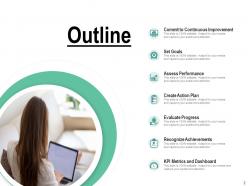
Diapositiva 2: Esta diapositiva muestra el Esquema de la presentación.
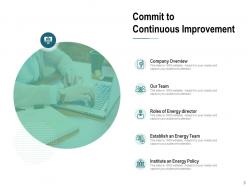
Diapositiva 3: Esta diapositiva muestra Comprometerse con la mejora continua.
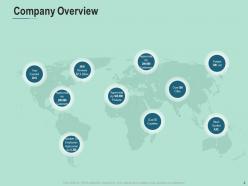
Diapositiva 4: Esta diapositiva muestra la Descripción general de la empresa.
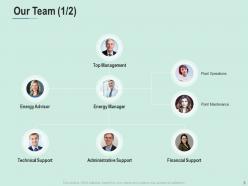
Diapositiva 5: Esta es la diapositiva de Nuestro Equipo con nombres y designaciones.
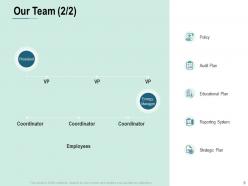
Diapositiva 6: Esta es también la diapositiva de Nuestro Equipo.
Diapositiva 7: Esta diapositiva muestra los Roles del Director de Energía.
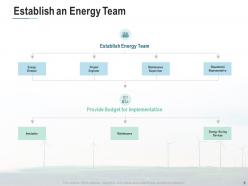
Diapositiva 8: Esta diapositiva muestra Establecer un Equipo de Energía.
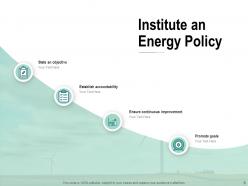
Diapositiva 9: Esta es la diapositiva Instituir una Política Energética como - Establecer un Objetivo, Establecer Responsabilidades, Garantizar la Mejora Continua, Promover Metas.
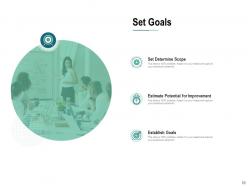
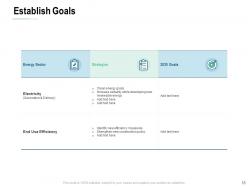
Diapositiva 10: Esta diapositiva trata sobre Establecer Metas.
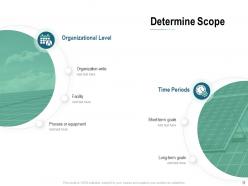
Diapositiva 11: Esta es la diapositiva Determinar el Alcance que muestra - En toda la organización, Instalación, Proceso o Equipo, Nivel Organizacional, Metas a Corto Plazo, Metas a Largo Plazo, Períodos de Tiempo.
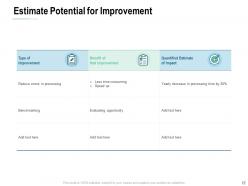
Diapositiva 12: Esta diapositiva representa Estimar el Potencial de Mejora.
Diapositiva 13: Esta es la diapositiva Establecer Metas.
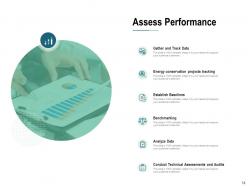
Diapositiva 14: Esta diapositiva muestra evaluar el desempeño.
Diapositiva 15: Esta diapositiva muestra Recopilar y Rastrear Datos con - Muestra, Población, Censo, Marco de Muestreo, Muestra Aleatoria Simple, Variabilidad de Muestreo.
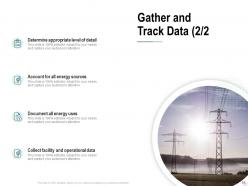
Diapositiva 16: Esta diapositiva representa Recopilar y Rastrear Datos con - Determinar el Nivel Apropiado de Detalle, Contabilizar todas las Fuentes de Energía, Documentar todos los Usos de Energía, Recopilar Datos de Instalaciones y Operacionales.
Diapositiva 17: Esta diapositiva muestra el Seguimiento de Proyectos de Conservación de Energía.
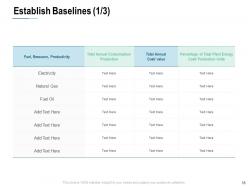
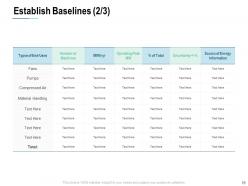
Diapositiva 18: Esta es la diapositiva Establecer Líneas Base.
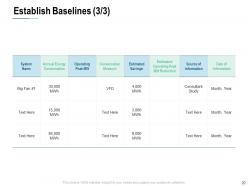
Diapositiva 19: Esta es la diapositiva Establecer Líneas Base.
Diapositiva 20: Esta es también la diapositiva Establecer Líneas Base.
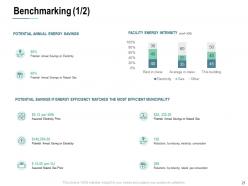
Diapositiva 21: Esta diapositiva muestra el Benchmarking con - Ahorro Anual Potencial en Electricidad, Ahorro Anual Potencial en Gas Natural, Ahorro Anual de Energía Potencial, Intensidad Energética de las Instalaciones.
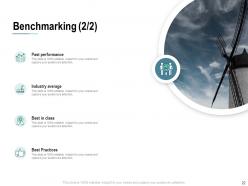
Diapositiva 22: Esta diapositiva muestra el Benchmarking con - Desempeño Pasado, Promedio de la Industria, Mejor de su Clase, Mejores Prácticas.
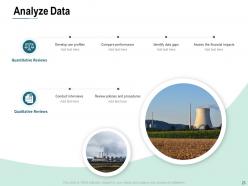
Diapositiva 23: Esta diapositiva representa analizar datos.
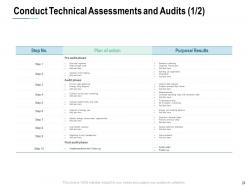
Diapositiva 24: Esta es la diapositiva Realizar Evaluaciones Técnicas y Auditorías.
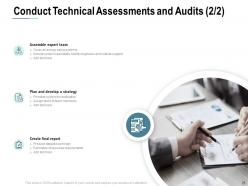
Diapositiva 25: Esta es también la diapositiva Realizar Evaluaciones Técnicas y Auditorías.
Diapositiva 26: Esta diapositiva muestra Rastrear y Monitorear
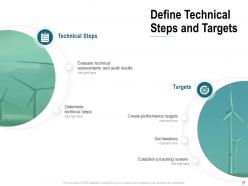
Diapositiva 27: Esta diapositiva trata sobre Definir Pasos Técnicos y Objetivos con - Pasos Técnicos, Evaluar Resultados de Evaluaciones Técnicas y Auditorías, Determinar Pasos Técnicos, Crear Objetivos de Desempeño.
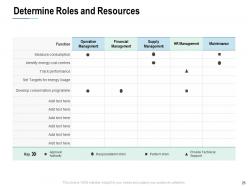
Diapositiva 28: Esta diapositiva muestra Roles y Recursos que describen - Persona Responsable, Responsable del Trabajo, Autoridad de Aprobación, Realizar el Trabajo, Brindar Soporte Técnico.
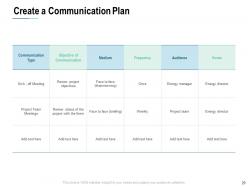
Diapositiva 29: Esta es la diapositiva Crear un Plan de Comunicación.
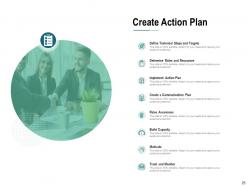
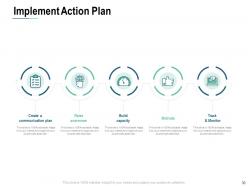
Diapositiva 30: Esta diapositiva muestra implementar un plan de acción con - Crear un Plan de Comunicación, Crear Conciencia, Desarrollar Capacidades, Motivar.
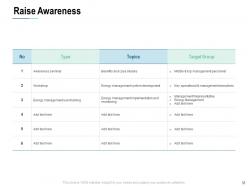
Diapositiva 31: Esta es la diapositiva Crear Conciencia.
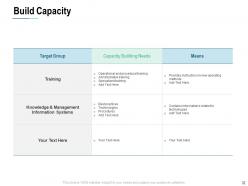
Diapositiva 32: Esta diapositiva muestra Desarrollar Capacidades.
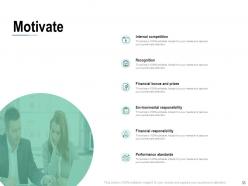
Diapositiva 33: Esta es la diapositiva motivar que describe la competencia interna, el reconocimiento, los bonos financieros y los premios, etc.
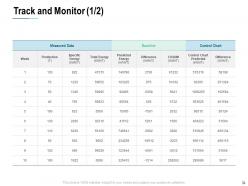
Diapositiva 34: Esta diapositiva muestra Rastrear y Monitorear.
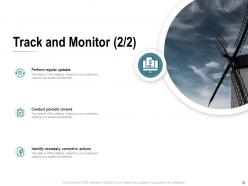
Diapositiva 35: Esta diapositiva muestra Rastrear y Monitorear con - Realizar Actualizaciones Periódicas, Realizar Revisiones Periódicas, Identificar Acciones Correctivas Necesarias.
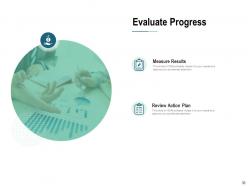
Diapositiva 36: Esta diapositiva muestra Revisar el Plan de Acción con evaluar el progreso, medir resultados.
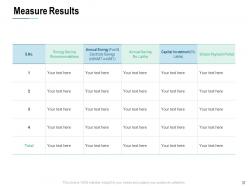
Diapositiva 37: Esta diapositiva muestra medir resultados.
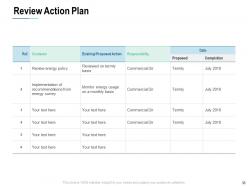
Diapositiva 38: Esta es la diapositiva Revisar el Plan de Acción.
Diapositiva 39: Esta diapositiva muestra Reconocer Logros con - Reconocimiento Interno, Reconocimiento Externo.
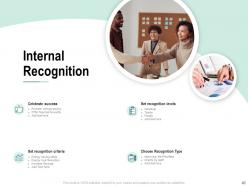
Diapositiva 40: Esta diapositiva representa el Reconocimiento Interno con - Celebrar el éxito, Promover el ahorro de energía, Ofrecer recompensas financieras, Establecer Criterios de Reconocimiento, Ideas de ahorro de energía, Reducción del Uso de Energía, Aumentar los Ahorros, Establecer Niveles de Reconocimiento.
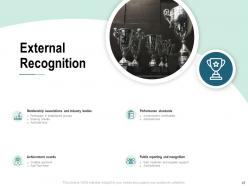
Diapositiva 41: Esta diapositiva representa el Reconocimiento Externo con - Asociaciones y Organismos de la Industria, Participar en grupos establecidos, Compartir resultados, Estándares de Desempeño, Certificados de Logro, Premios de Logro, Crea buena voluntad, Obtener el apoyo de clientes y proveedores.
Diapositiva 42: Esta es la diapositiva de Métricas y Tablero de KPI.
Diapositiva 43: Esta diapositiva muestra la Distribución de Producción de Energía.
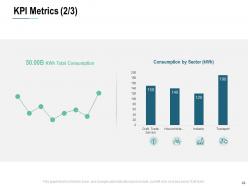
Diapositiva 44: Esta es la diapositiva de Métricas de KPI que muestra el consumo total, Consumo por Sector (kWh).
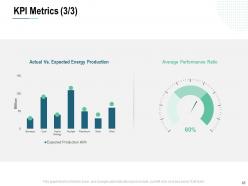
Diapositiva 45: Esta diapositiva también muestra Métricas de KPI con Producción de Energía Real Vs. Esperada, Ratio de Desempeño Promedio.
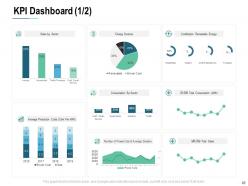
Diapositiva 46: Esta es la diapositiva del Tablero de KPI que muestra los porcentajes de contribución de la energía renovable al hogar, la industria, la artesanía, el comercio, el servicio.
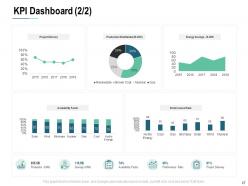
Diapositiva 47: Esta es la diapositiva del Tablero de KPI con - Entrega de Proyectos, Distribución de Producción (B kWh), Renovable, Nuclear, Carbón, Gas, Ahorro de Energía - B kWh, Factor de Disponibilidad de Ratio de Desempeño, Producción (kWh), Ratio de Desempeño.
Diapositiva 48: Esta es la diapositiva de Iconos de Gestión del Consumo de Energía.
Diapositiva 49: Esta diapositiva se titula Diapositivas Adicionales para avanzar.
Diapositiva 50: Esta diapositiva muestra el tiempo para un Descanso para Café.
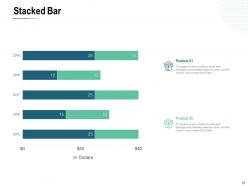
Diapositiva 51: Esta diapositiva muestra un gráfico de barras apiladas con comparación de productos.
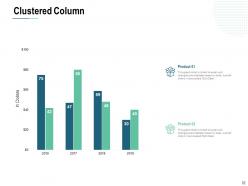
Diapositiva 52: Esta diapositiva muestra un gráfico de columnas agrupadas con comparación de diferentes productos.
Diapositiva 53: Esta es la diapositiva de Nuestra misión con imágenes relacionadas.
Diapositiva 54: Esta es la diapositiva de generación de ideas para resaltar ideas y hechos importantes.
Diapositiva 55: Esta es la diapositiva de Objetivo. Muestre sus objetivos aquí.
Diapositiva 56: Esta es la diapositiva de Venn.
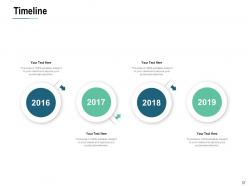
Diapositiva 57: Esta es la diapositiva de línea de tiempo de cuatro años.
Diapositiva 58: Esta es la diapositiva de mapa mental para representar entidades.
Diapositiva 59: Esta es la diapositiva de Gracias con dirección de correo electrónico, dirección y número de contacto.
Gestión del consumo de energía Diapositivas de presentación de PowerPoint con las 59 diapositivas:
Nuestras diapositivas de presentación de PowerPoint de Gestión del Consumo de Energía le ayudarán a ahorrar tiempo valioso de manera efectiva. Están listas para adaptarse a cualquier estructura de presentación.





FAQs for Energy Consumption Management
You'll need energy monitoring systems to track usage, plus data analytics software to spot where you're wasting power. Automated controls are key - they handle the real-time optimization stuff so you don't have to babysit everything. Good reporting dashboards help too, but honestly? The people side matters just as much. Staff training and clear policies make or break these systems. I'd say start with solid baseline measurements first since you can't really fix what you can't see. Goal-setting features and regular audits round it out, but that foundation data is what makes everything else actually work.
So first thing - get smart meters and sub-meters installed to track usage in real time across different areas. Your monthly utility bills are fine for double-checking but honestly they don't tell you much about what's actually happening day-to-day. Break down consumption by equipment or departments with monitoring systems. Way better insights that way. Energy management software handles the data collection automatically which is nice because who has time for that? Measure consistently so you catch patterns and weird spikes. Oh and start with whatever's sucking up the most power first, then expand from there.
Honestly, renewables are kind of a no-brainer at this point. Solar and wind are dirt cheap now - sometimes cheaper than fossil fuels, which blows my mind. You're not just checking a sustainability box anymore; you're actually saving money and protecting yourself from crazy oil price swings. Smart grids let you store power in batteries and use it strategically throughout the day. My cousin's company made the switch last year and their energy costs dropped like 30%. Bottom line: treat renewables as your main energy strategy, not some side project. It'll improve your flexibility and your finances.
Dude, the monitoring stuff nowadays is insane - smart meters and IoT sensors can track your energy use down to individual appliances. You'll catch waste you'd never notice otherwise. Machine learning even predicts when you'll hit peak usage and adjusts things automatically. Battery storage keeps getting better too, which helps balance everything out. Oh, and the grid management tools are way more sophisticated now. Start with monitoring your biggest energy hogs first - AC, water heater, that kind of thing. Then just expand from there once you see what's actually draining power.
Honestly, you gotta make it personal for people. Show them real numbers - how their actions actually cut costs and help the environment. People eat that stuff up. Set up competitions between departments (everyone's secretly competitive). Create "energy champion" roles so folks feel ownership. Regular updates through dashboards keep the momentum alive - can't let people forget about it. Here's the thing though: tie savings to what they actually care about. Company bonuses? Charity donations? Better office coffee? Whatever clicks with your team. Make those wins super visible and celebrate them loud. Oh, and definitely ask for their ideas - they'll surprise you with good ones.
First thing - grab like a year's worth of utility bills so you can see your actual usage patterns. Walk around with a checklist and look for the obvious stuff: crappy lighting, terrible insulation, ancient HVAC systems. You won't believe how many places have lights blazing in empty rooms all night long! For the complicated systems, maybe bring in a certified energy auditor. They've got thermal cameras and other fancy equipment that'll spot problems you'd totally miss. Just document everything and tackle the cheapest fixes with the biggest payoff first.
Honestly, these systems usually pay for themselves pretty quick through lower electric bills - like 10-30% savings which is solid. Peak demand charges are the worst, and you'll dodge those too. Most utilities throw rebates at you for installing them, so that cuts your upfront costs. Oh and if you're in some regulated industry, there's compliance stuff you might avoid later. I'd just look at what you're spending on energy now first - gives you a real number to work with. ROI is typically 1-3 years, sometimes faster depending on your usage.
So energy management is honestly your best bet for sustainability goals. It hits emissions and costs simultaneously - win-win. Most companies' carbon footprints are huge energy drains anyway. Smart meters are a good starting point, then get an audit done to see where you're actually wasting power. The cool part? ROI happens fast. You'll cut utility bills in months while working toward net-zero targets. Renewables help too, obviously. Executives eat this stuff up because the numbers work immediately - not like some environmental initiatives that take forever to show results. Track your consumption patterns and you'll spot the money pits pretty quickly.
Honestly, start simple or you'll drive everyone crazy. First figure out where you're at energy-wise, then set some realistic targets. Get someone to actually own this stuff - otherwise it just dies. Automatic shutoffs are clutch for lights and equipment. Remote work helps too if that's an option for you guys. When appliances break, replace them with efficient ones. The employee thing is huge though - run some kind of competition or give incentives. People get weirdly competitive about saving energy lol. Pick like one or two things to focus on first, see what actually works, then add more later.
Dude, it's like having an assistant that never sleeps. Your energy software pulls data from everywhere automatically - no more hunting through different systems or building reports from scratch. Real-time dashboards show you what's happening right now, plus you get alerts when something's off. Honestly, the compliance reporting alone is worth it (saves so much time). Instead of drowning in spreadsheets, you can actually focus on fixing problems and making things more efficient. My friend at the hospital says it freed up like 10 hours a week for her team.
Honestly, the hardest part is usually money and convincing your boss it's worth it. Equipment and training costs add up fast upfront. People hate change too - they'll fight new processes even when they make sense. Your executives probably want results next quarter, but energy projects take way longer to pay off than they'd like. Technical stuff gets complicated quick if your team doesn't know energy systems well. My advice? Start with easy wins like LED lights first. Build some momentum there, then tackle the bigger expensive stuff once you've proven it actually works.
First thing - figure out which regulations actually apply to your specific industry and building type. You'll need someone dedicated to track energy usage against standards like ISO 50001. Regular audits are a must, plus you've got to document everything (seriously, the paperwork is insane). Set up automated alerts so you don't miss compliance deadlines - these standards change all the time and it's easy to fall behind. The monitoring process doesn't have to be fancy, just consistent. Trust me, staying ahead of regulatory updates will save you major headaches later.
Think of data analytics as your personal energy detective. It'll catch patterns and waste that you'd never notice just eyeballing your bills. Peak usage times become obvious, plus you can spot which equipment is being a total energy hog. Real-time monitoring is where it gets good - no more staring at last month's statement wondering WTF happened. You can set up smart schedules and catch weird spikes before they wreck your budget. Honestly, comparing your facility to similar ones is pretty eye-opening too. Just collect some baseline data for a few weeks first, then hunt for the obvious peaks and valleys.
Honestly, saving 15-30% on energy bills isn't that hard. Walk around your place first and spot the obvious waste - lights nobody turned off, that loud old fridge that's probably from the 90s. LED bulbs make a huge difference, and those programmable thermostats are worth it. Oh, and power strips! Stuff draws power even when it's "off" which is annoying. Usually pays for itself in under two years. I started tracking my bill monthly because seeing the actual numbers drop is pretty satisfying.
Walmart's probably the best example - they cut energy use by 20% across like 6,000+ stores with LED lights and smarter HVAC systems. Saved them millions. Interface (that carpet company) went completely carbon neutral by 2020, which is pretty wild. Microsoft's data centers run entirely on renewables now too. Manufacturing companies tend to see the biggest returns though, from what I've seen. Oh, and definitely check out case studies in your specific industry first - they'll be way more useful than random examples since every sector's different.
-
Excellent products for quick understanding.
-
Designs have enough space to add content.
-
Excellent products for quick understanding.
-
Designs have enough space to add content.