

Everything About Islamic Finance Powerpoint Presentation Slides Fin CD




Try Before you Buy Download Free Sample Product
 Impress Your
 Audience
 100%
100% Editable
 Save Hours
 of Time


Discover the comprehensive Everything about Islamic Finance PowerPoint presentation, an indispensable resource for gaining insights into the principles and practices of Islamic Finance. This informative deck provides a detailed overview of the fundamental concepts, principles, and instruments utilized in Islamic Finance. It delves into crucial topics, including the avoidance of interest-based transactions, the emphasis on profit and loss sharing, and the promotion of social and ethical responsibility. The Shariah-compliant module further elucidates the various modes of financing in Islamic Finance, such as Mudarabah, Musharakah, and Murabaha, among others. With its clear and concise explanations, the Islamic Finance Deck caters to finance professionals, entrepreneurs, and anyone interested in expanding their knowledge of this burgeoning field. Enhance your understanding and expertise in Islamic Finance by accessing this invaluable resource today.
People who downloaded this PowerPoint presentation also viewed the following :
Content of this Powerpoint Presentation
Slide 1: This slide introduces Everything about Islamic Finance. State your company name and begin.
Slide 2: This slide states Agenda of the presentation.
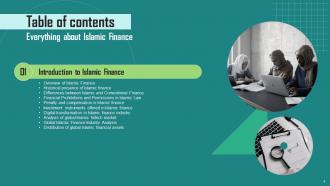
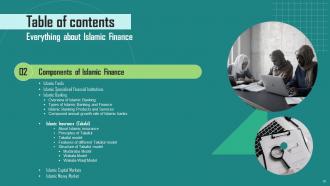
Slide 3: This slide shows Table of Content for the presentation.
Slide 4: This slide highlights title for topics that are to be covered next in the template.
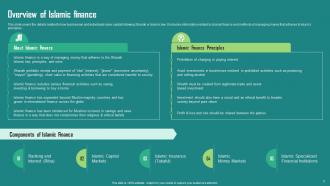
Slide 5: This slide shows Overview of Islamic finance.
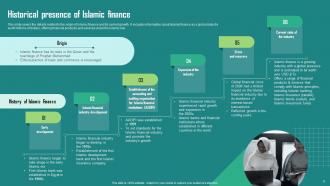
Slide 6: This slide presents Historical presence of Islamic finance.
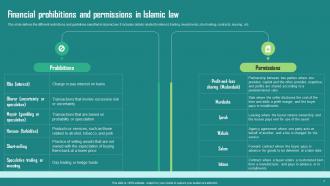
Slide 7: This slide displays Financial prohibitions and permissions in Islamic law.
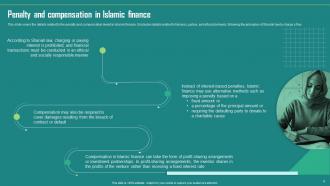
Slide 8: This slide represents Penalty and compensation in Islamic finance.
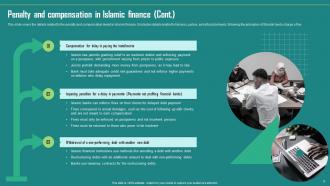
Slide 9: This is another slide continuing Penalty and compensation in Islamic finance.
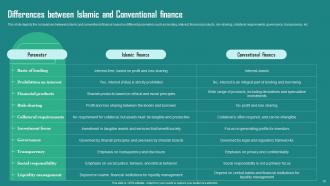
Slide 10: This slide showcases Differences between Islamic and Conventional finance.
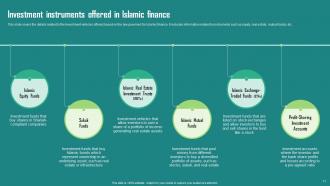
Slide 11: This slide shows Investment instruments offered in Islamic finance.
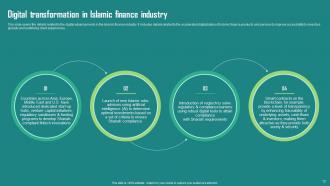
Slide 12: This slide presents Digital transformation in Islamic finance industry.
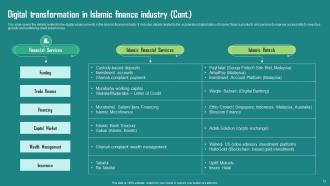
Slide 13: This is another slide continuing Digital transformation in Islamic finance industry.
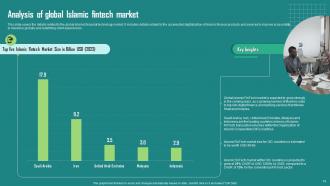
Slide 14: This slide displays Analysis of global Islamic fintech market.
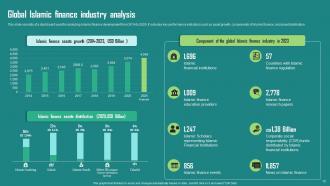
Slide 15: This slide represents Global Islamic finance industry analysis.
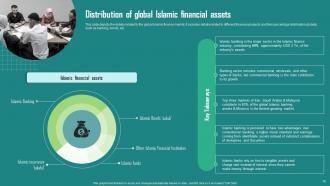
Slide 16: This slide showcases Distribution of global Islamic financial assets.
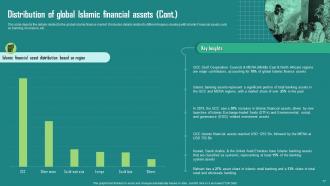
Slide 17: This is another slide continuing Distribution of global Islamic financial assets.
Slide 18: This slide highlights title for topics that are to be covered next in the template.
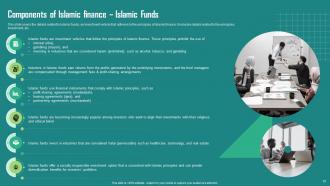
Slide 19: This slide covers the details related to Islamic funds, an investment vehicle that adheres to the principles of Islamic finance.
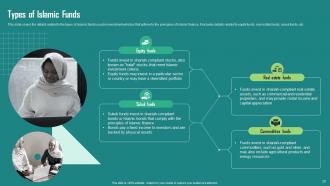
Slide 20: This slide presents types of Islamic funds used in investment vehicles that adhere to the principles of Islamic finance.
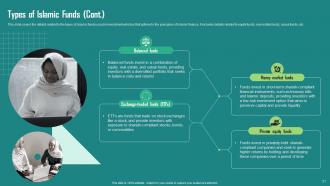
Slide 21: This is another slide continuing Types of Islamic Funds.
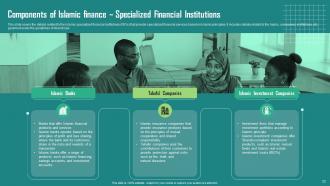
Slide 22: This slide displays Components of Islamic finance – Specialized Financial Institutions.
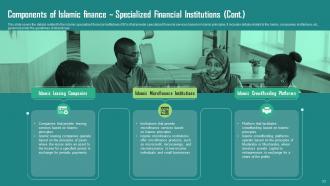
Slide 23: This is another slide continuing Components of Islamic finance – Specialized Financial Institutions.
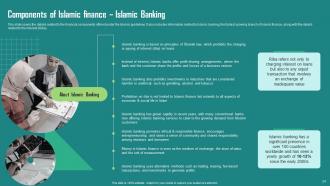
Slide 24: This slide represents Components of Islamic finance – Islamic Banking.
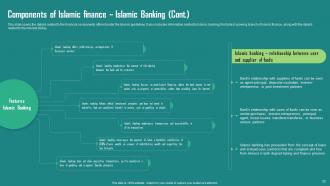
Slide 25: This is another slide continuing Components of Islamic finance – Islamic Banking.
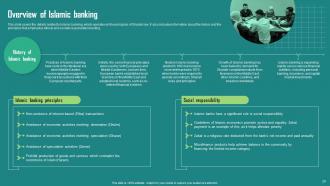
Slide 26: This slide showcases Overview of Islamic banking.
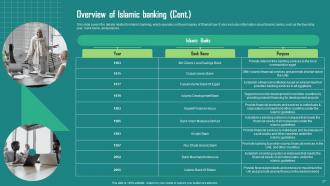
Slide 27: This is another slide continuing Overview of Islamic banking.
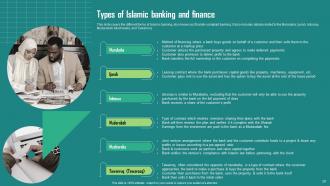
Slide 28: This slide shows Types of Islamic banking and finance.
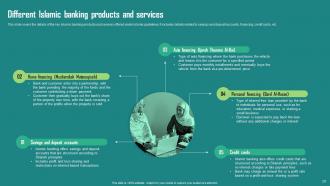
Slide 29: This slide presents Different Islamic banking products and services.
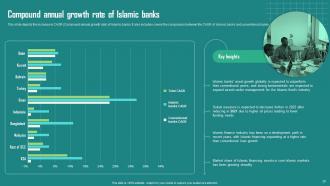
Slide 30: This slide displays Compound annual growth rate of Islamic banks.
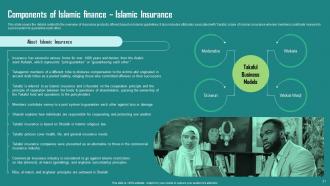
Slide 31: This slide represents Components of Islamic finance – Islamic Insurance.
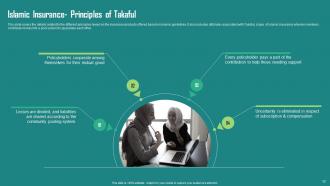
Slide 32: This slide showcases Islamic Insurance- Principles of Takaful.
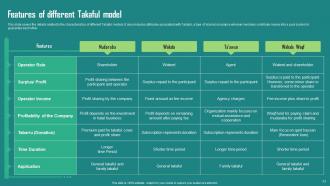
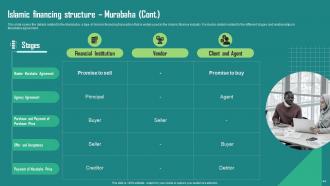
Slide 33: This slide shows Features of different Takaful model.
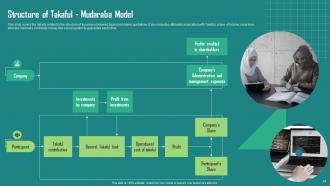
Slide 34: This slide presents Structure of Takaful - Mudaraba Model.
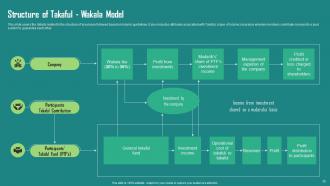
Slide 35: This slide displays Structure of Takaful - Wakala Model.
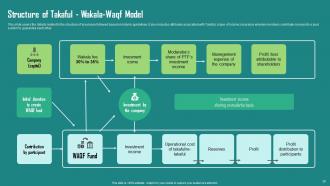
Slide 36: This is another slide continuing Structure of Takaful - Wakala-Waqf Model.
Slide 37: This slide covers the details related to the Islamic capital market, where investment activities do not contradict the principles of Shariah.
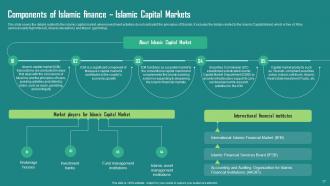
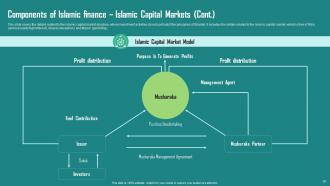
Slide 38: This slide displays Components of Islamic finance – Islamic Capital Markets.
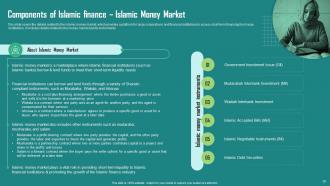
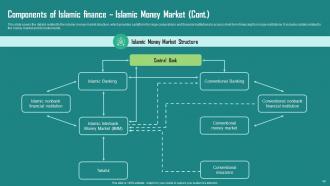
Slide 39: This slide represents Components of Islamic finance – Islamic Money Market.
Slide 40: This slide showcases Components of Islamic finance – Islamic Money Market (Cont.).
Slide 41: This slide shows Table of Content for the presentation.
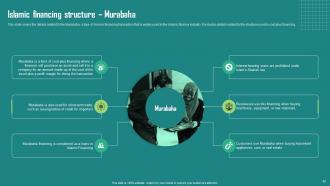
Slide 42: This slide covers the details related to the Murabaha, a type of Islamic financing transaction that is widely used in the Islamic finance industry.
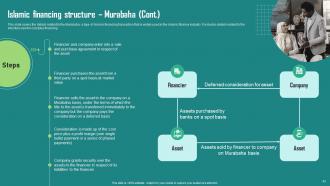
Slide 43: This is another slide continuing Islamic financing structure – Murabaha.
Slide 44: This is another slide continuing Islamic financing structure – Murabaha.
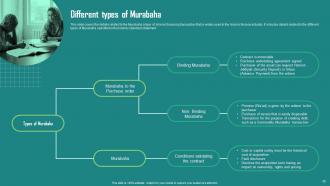
Slide 45: This slide presents Different types of Murabaha.
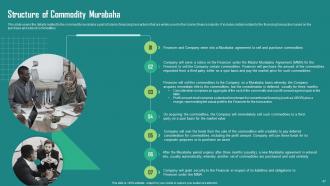
Slide 46: This slide covers the details related to the commodity murabaha also known as Tawarruq Arrangement a part of Islamic financing transactions.
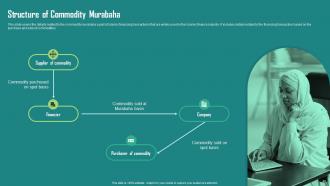
Slide 47: This slide displays Structure of Commodity Murabaha.
Slide 48: This slide represents Structure of Commodity Murabaha.
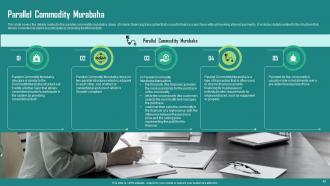
Slide 49: This slide showcases Parallel Commodity Murabaha.
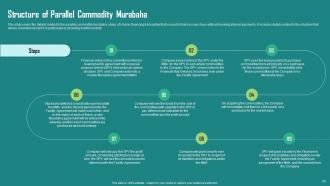
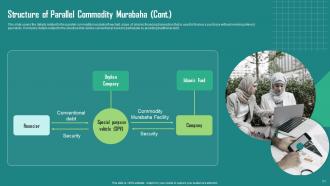
Slide 51: This is another slide continuing Structure of Parallel Commodity Murabaha .
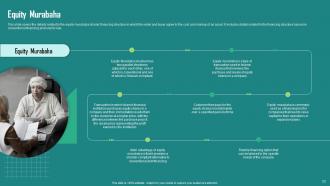
Slide 52: This slide covers the details related to the equity murabaha Islamic financing structure.
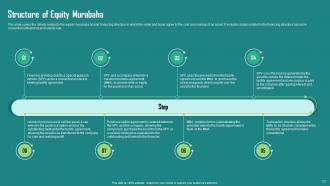
Slide 53: This slide showcases Structure of Equity Murabaha.
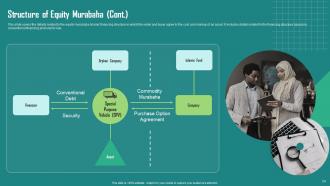
Slide 54: This is another slide continuing Structure of Equity Murabaha.
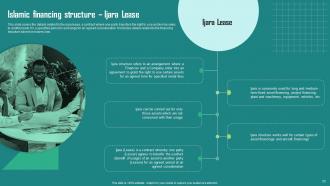
Slide 55: This slide covers the details related to the ijara lease.
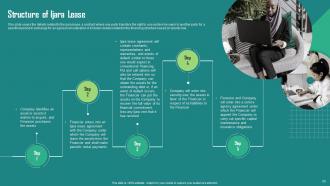
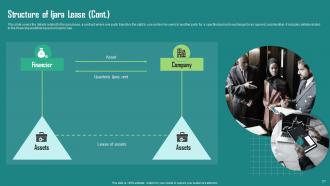
Slide 56: This slide presents Structure of Ijara Lease.
Slide 57: This is another slide continuing Structure of Ijara Lease.
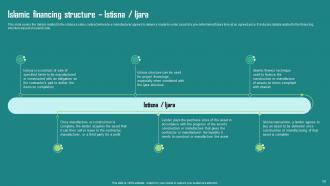
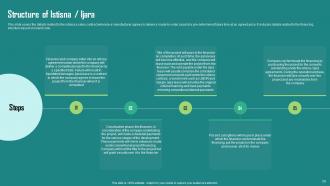
Slide 58: This slide covers the details related to the istisna a sales contract whereby a manufacturer agrees to deliver a made-to-order asset at a pre-determined future time at an agreed price.
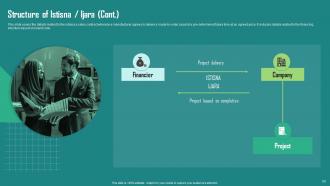
Slide 59: This slide covers the details related to the istisna a sales contract whereby a manufacturer agrees to deliver a made-to-order asset.
Slide 60: This slide covers the details related to the istisna a sales contract.
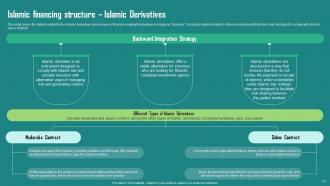
Slide 61: This slide covers the details related to the Islamic derivatives also known as Shariah-compliant derivatives.
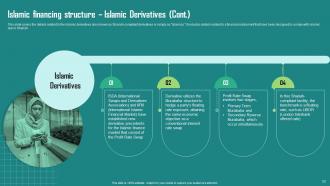
Slide 62: This is another slide continuing Islamic financing structure – Islamic Derivatives.
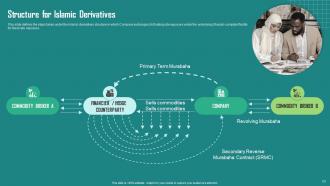
Slide 63: This slide displays Structure for Islamic Derivatives.
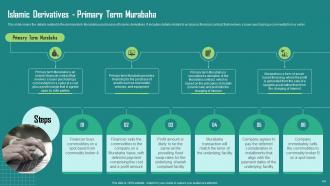
Slide 64: This slide represents Islamic Derivatives - Primary Term Murabaha.
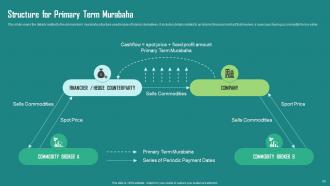
Slide 65: This slide showcases Structure for Primary Term Murabaha.
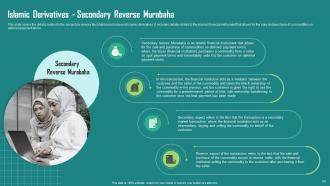
Slide 66: This slide shows Islamic Derivatives - Secondary Reverse Murabaha.
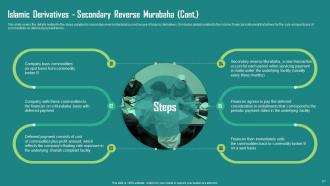
Slide 67: This is another slide continuing Islamic Derivatives - Secondary Reverse Murabaha.
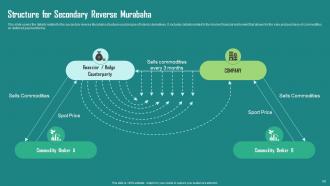
Slide 68: This slide presents Structure for Secondary Reverse Murabaha.
Slide 69: This slide highlights title for topics that are to be covered next in the template.
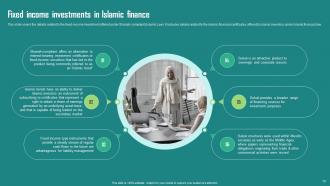
Slide 70: This slide displays Fixed income investments in Islamic finance.
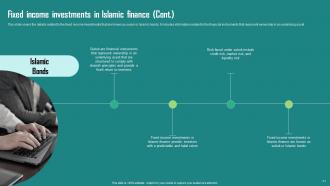
Slide 71: This is another slide continuing Fixed income investments in Islamic finance.
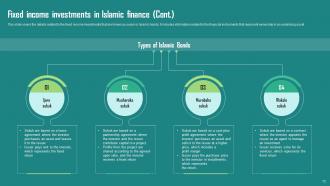
Slide 72: This is another slide continuing Fixed income investments in Islamic finance.
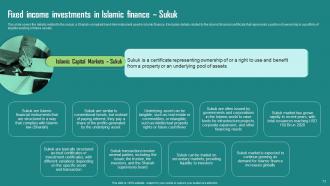
Slide 73: This slide covers the details related to the sukuk, a Shariah-compliant bond-like instrument used in Islamic finance.
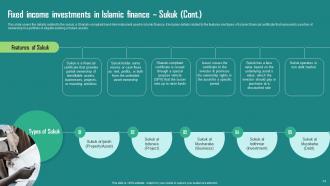
Slide 74: This is another slide continuing Fixed income investments in Islamic finance – Sukuk.
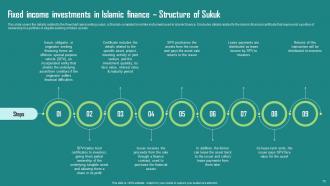
Slide 75: This slide shows Fixed income investments in Islamic finance – Structure of Sukuk.
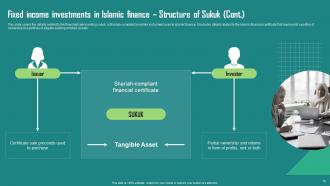
Slide 76: This slide presents Fixed income investments in Islamic finance – Structure of Sukuk.
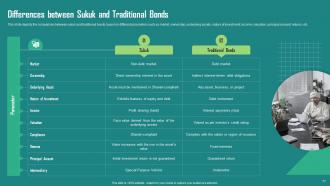
Slide 77: This slide displays Differences between Sukuk and Traditional Bonds.
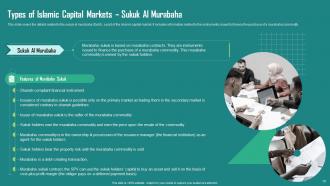
Slide 78: This slide represents Types of Islamic Capital Markets – Sukuk Al Murabaha.
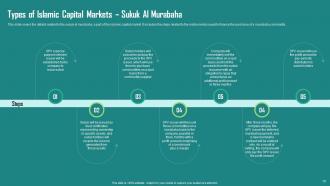
Slide 79: This slide showcases Types of Islamic Capital Markets – Sukuk Al Murabaha.
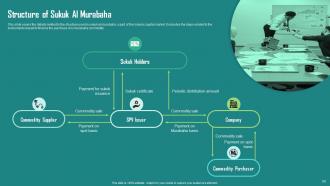
Slide 80: This slide shows Structure of Sukuk Al Murabaha.
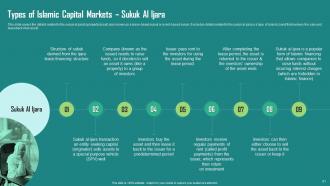
Slide 81: This slide presents Types of Islamic Capital Markets – Sukuk Al Ijara.
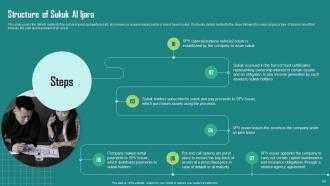
Slide 82: This slide displays Structure of Sukuk Al Ijara.
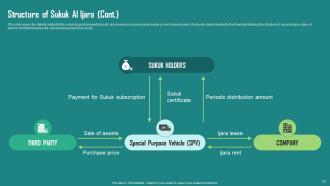
Slide 83: This slide represents Structure of Sukuk Al Ijara.
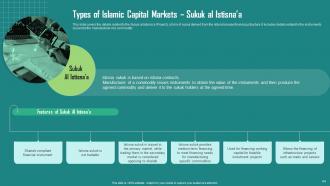
Slide 84: This slide showcases Types of Islamic Capital Markets – Sukuk al Istisna’a.
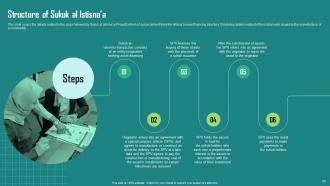
Slide 85: This slide covers the details related to the steps followed by Sukuk al Istisna’a (Project) a form of sukuk derived from the istisna'a lease financing structure.
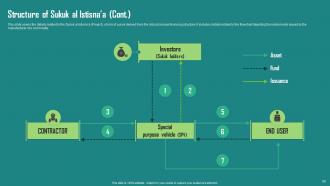
Slide 86: This is another slide continuing Structure of Sukuk al Istisna’a.
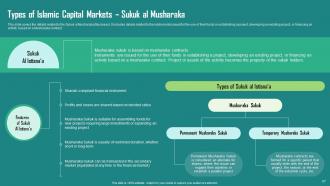
Slide 87: This slide shows Types of Islamic Capital Markets – Sukuk al Musharaka.
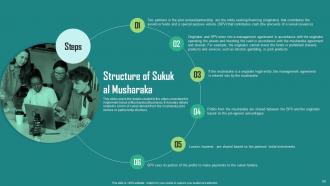
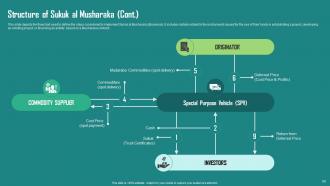
Slide 88: This slide presents Structure of Sukuk al Musharaka.
Slide 89: This is another slide continuing Structure of Sukuk al Musharaka.
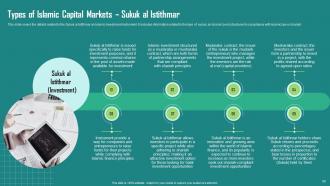
Slide 90: This slide displays Types of Islamic Capital Markets – Sukuk al Istithmar.
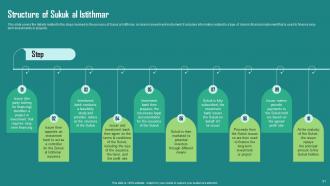
Slide 91: This slide represents Structure of Sukuk al Istithmar.
Slide 92: This is another slide continuing Structure of Sukuk al Istithmar.
Slide 93: This slide highlights title for topics that are to be covered next in the template.
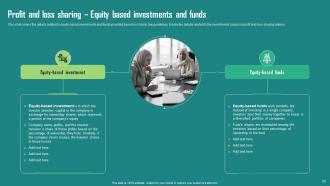
Slide 94: This slide covers the details related to equity-based investments and funds provided based on Islamic law guidelines.
Slide 95: This slide presents Profit and loss sharing – Equity based investments and funds.
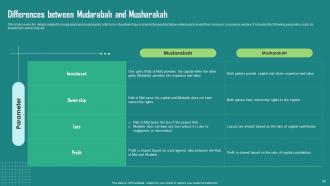
Slide 96: This slide displays Differences between Mudarabah and Musharakah.
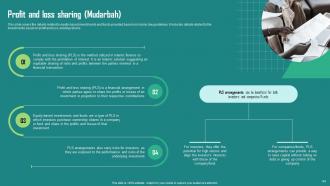
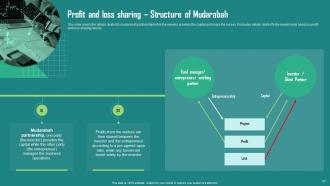
Slide 97: This slide represents Profit and loss sharing – Structure of Mudarabah.
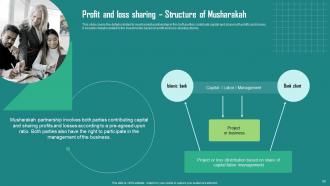
Slide 98: This slide showcases Profit and loss sharing – Structure of Musharakah.
Slide 99: This slide highlights title for topics that are to be covered next in the template.
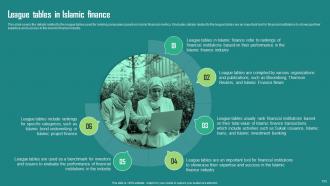
Slide 100: This slide covers the details related to the league tables used for ranking companies based on Islamic financial metrics.
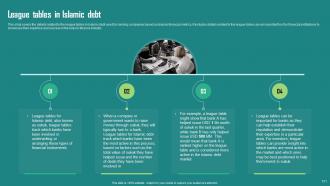
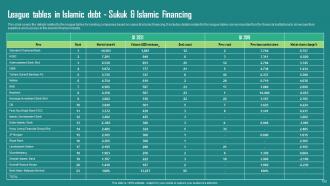
Slide 101: This slide presents League tables in Islamic debt.
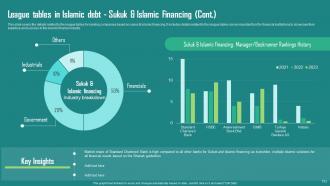
Slide 102: This slide displays League tables in Islamic debt - Sukuk & Islamic Financing.
Slide 103: This is another slide continuing League tables in Islamic debt - Sukuk & Islamic Financing.
Slide 104: This slide highlights title for topics that are to be covered next in the template.
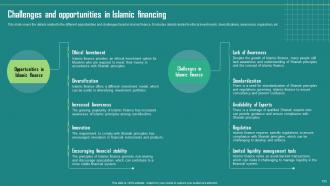
Slide 105: This slide represents Challenges and opportunities in Islamic financing.
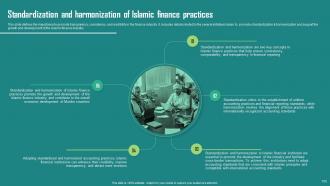
Slide 106: This slide showcases Standardization and harmonization of Islamic finance practices.
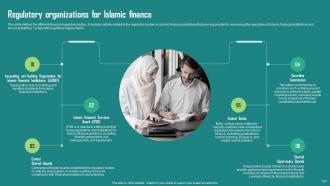
Slide 107: This slide shows Regulatory organizations for Islamic finance.
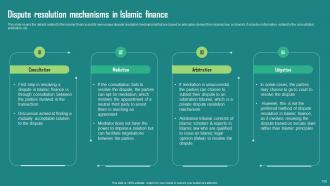
Slide 108: This slide presents Dispute resolution mechanisms in Islamic finance.
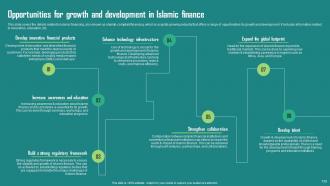
Slide 109: This slide displays Opportunities for growth and development in Islamic finance.
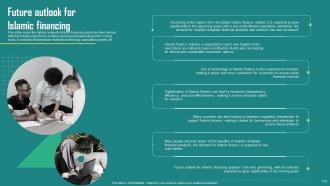
Slide 110: This slide represents Future outlook for Islamic financing.
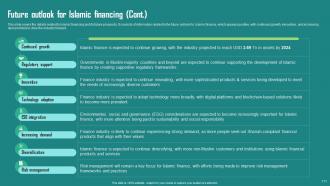
Slide 111: This is another slide continuing Future outlook for Islamic financing.
Slide 112: This slide contains all the icons used in this presentation.
Slide 113: This slide is titled as Additional Slides for moving forward.
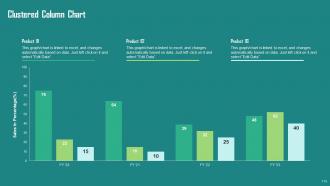
Slide 114: This slide provides Clustered Column chart with two products comparison.
Slide 115: This slide provides 30 60 90 Days Plan with text boxes.
Slide 116: This is an Idea Generation slide to state a new idea or highlight information, specifications etc.
Slide 117: This slide presents Roadmap with additional textboxes.
Slide 118: This slide showcases Magnifying Glass to highlight information, specifications etc
Slide 119: This is a Thank You slide with address, contact numbers and email address.
Everything About Islamic Finance Powerpoint Presentation Slides Fin CD with all 124 slides:
Use our Everything About Islamic Finance Powerpoint Presentation Slides Fin CD to effectively help you save your valuable time. They are readymade to fit into any presentation structure.








FAQs for Everything About Islamic Finance Powerpoint Presentation
So there's basically five main things. No interest (riba) - can't charge it or pay it. Avoid gharar and maysir, which are just fancy words for uncertainty and gambling. Obviously can't invest in stuff like alcohol or pork since that's haram. The coolest part though? Risk-sharing where both people split profits AND losses instead of guaranteed returns. Way more fair if you ask me. Oh and all Islamic finance products follow these rules, so they'll structure deals around them. Pretty different from regular banking honestly.
So they have these Sharia Supervisory Boards - basically Islamic scholars who review everything to make sure it's actually halal. No interest, no gambling investments, that kind of stuff. They're surprisingly strict about it from what I've seen. The institutions get audited regularly and publish compliance reports too. Oh, and they can't invest in alcohol companies either, which makes sense. If you're thinking about going with Islamic finance, definitely check they have proper Sharia certification first. That's really your only way to know they're legit and not just using the name for marketing.
Hey! Islamic finance has a bunch of different options that follow Sharia rules. There's Murabaha (basically cost-plus financing), Ijara for leasing stuff, and Musharaka for joint ventures. Sukuk are like the halal version of bonds - honestly pretty clever how they structured those. You've also got Mudaraba for profit-sharing deals and Istisna if you need manufacturing finance. Main thing is they don't do interest, gambling, or sketchy uncertain deals. Most big banks have Islamic divisions now, so I'd just call yours and see what they offer. Way easier than I thought it'd be when I first looked into it.
Riba is basically interest or usury - totally forbidden in Islamic finance because it's seen as exploitative. Wild concept if you're used to regular banking, right? Instead of charging interest, Islamic banks do profit-sharing and asset-backed deals. They use stuff like murabaha (cost-plus financing) or musharaka (partnership agreements). Honestly, it's pretty clever how they make it work. The key thing is you can't have guaranteed returns just tied to time - has to be linked to actual business risk. So if you're dealing with Muslim clients, any interest-based products are a no-go.
So basically in Islamic finance, you're not just lending money for guaranteed interest - you actually become partners. Both people share the profits AND losses from whatever project you're funding together. If the business fails? You both lose money (which honestly sucks but feels more fair). When it succeeds, you split the gains based on what you each put in. This makes lenders way more careful about picking good projects since they can't just collect interest regardless. For your deals, structure them so everyone's actually invested in making things work - not just the person borrowing money.
So sukuk are basically Islamic bonds but way cooler structurally. Regular bonds are just "I owe you money plus interest" - super straightforward but not halal. Sukuk flip that completely. You're actually co-owning real stuff like buildings or infrastructure projects, so your returns come from legitimate business activity. It's like the difference between lending your friend cash versus going in on a food truck together, you know? The profits might look similar to regular bonds, but you're not just collecting interest. If you're exploring Islamic investing options, they're honestly pretty solid since they give you that fixed-income stability without the religious concerns.
So basically Islamic banks can't just loan you money with interest - that's haram. Instead they use *murabaha* or *ijara* structures where they actually buy the asset first. Like if you need equipment, they purchase it outright, then either sell it to you at a markup or lease it back. The profit comes from owning stuff, not charging interest. Pretty smart workaround honestly. There's always gotta be a real tangible asset behind every deal though - none of that abstract financial stuff. Just make sure you can point to whatever physical thing is backing your transaction. Oh and sometimes the valuation gets tricky depending on what asset we're talking about.
So basically, Murabaha means you're actually buying the thing - the bank gets it first, then sells it to you at cost plus their profit. Once you pay it off, it's yours. Ijara is more like renting though. The bank keeps owning whatever it is, and you just pay to use it. Ownership risk is the big difference here. With Murabaha, that's on you right away. Ijara? Bank's problem the whole time. I'd say go Murabaha if you want to own it eventually - it's basically the Islamic version of a mortgage. Ijara's better when you need flexibility or don't want to be stuck with the asset long-term.
So zakat basically makes hoarding cash expensive - you're paying 2.5% annually on money just sitting there. That pushes you toward stuff that actually generates returns, like stocks, real estate, or starting a business. Pretty clever economic incentive if you think about it. The tricky part is it hits your net liquid wealth, not just income, so you've gotta plan for that ongoing hit. I'd structure things so your investments cover the zakat payments and still grow your money. Otherwise you're just bleeding wealth every year for no reason.
Honestly, it's mostly about people just not getting how Islamic finance works. Western consumers and even finance pros are pretty clueless about Shariah-compliant stuff. Then you've got regulations that were basically designed for traditional banking - they have no idea what to do with profit-sharing vs interest. Tax systems are another nightmare since Islamic products usually need multiple transactions. Oh, and the infrastructure just isn't there yet. It's one of those catch-22 situations where nobody wants to be first. If you're serious about this space though, I'd definitely partner with established Islamic institutions. They know how to deal with all the compliance headaches.
So Islamic funds are actually pretty smart for ESG stuff. They automatically screen out alcohol, gambling, tobacco, weapons - basically anything sketchy. Can't invest if more than 30% of a company's revenue comes from those areas. They also ban pure speculation, which means your money goes into real businesses instead of weird financial tricks. Short sentences work sometimes. It's wild how rules from centuries ago line up so well with today's ethical investing trends. Honestly might be worth checking out if you're into that whole responsible investing thing - the screening framework is already built in.
Honestly, the regulatory push is actually helping Islamic finance go mainstream. Bodies like IFSB and AAOIFI are creating these consistent rules across countries - makes everything way less confusing for investors. Before, conventional investors thought it was too complicated or risky. Now they're jumping in because there's this universal compliance framework everyone follows. Pretty smart move if you ask me. Focus on institutions that already meet these international standards - they'll probably see better growth down the line. The standardization thing is really opening doors globally.
So there's actually a bunch of ways to learn this stuff. Universities have specialized programs, and most Islamic banks run their own training courses - honestly the bank workshops are usually free and pretty hands-on, so I'd start there. Mosques and Islamic centers do community sessions too. If you want something more formal, there's certifications like CIFE that cover both Sharia principles and regular finance concepts. They'll teach you about riba prohibition, how murabaha works, all that. Oh and tons of Islamic banks have apps now with educational content - makes it way easier to understand products like ijara. Check what your local Islamic bank offers first though.
Dude, there's actually some cool stuff happening with Islamic FinTech right now. P2P lending platforms are ditching interest completely, which is huge. Blockchain tech is making asset-backed financing way more transparent - honestly way better than the old clunky systems. You've got robo-advisors automatically filtering out haram investments, plus digital sukuk are blowing up because compliance tracking is finally manageable. AI tools can check if investments meet Shariah requirements instantly too. Oh, and definitely look into how the big Islamic banks are teaming up with startups - that's where the real innovation is happening.
Honestly, geopolitical drama is like rocket fuel for Islamic finance. When Western banking gets messy - sanctions, whatever - countries pivot hard to Shariah-compliant options. Gulf banks get hit pretty bad when oil prices swing from political chaos since they're swimming in petrodollars. Trade wars? That actually boosts demand for Islamic trade finance tools. China's Belt and Road thing uses it tons to crack into Muslim markets. I always tell people - if you're watching this space, political news is your best friend. Way better than any financial report for predicting where demand explodes next.
-
Excellent template with unique design.
-
I was really impressed with the presentation I created with their templates. I’ll be using their services moving forward.