


Five Element Circles Powerpoint Ppt Template Bundles




Try Before you Buy Download Free Sample Product
 Impress Your
 Audience
 100%
100% Editable
 Save Hours
 of Time


Our Five Element Circles Powerpoint Ppt Template Bundles are topically designed to provide an attractive backdrop to any subject. Use them to look like a presentation pro.
People who downloaded this PowerPoint presentation also viewed the following :
Five Element Circles Powerpoint Ppt Template Bundles with all 17 slides:
Use our Five Element Circles Powerpoint Ppt Template Bundles to effectively help you save your valuable time. They are readymade to fit into any presentation structure.
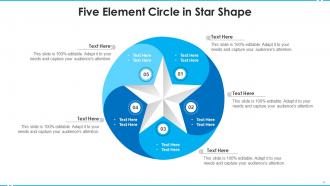
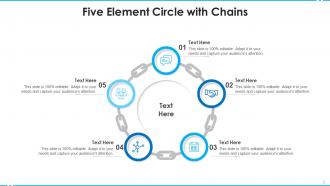
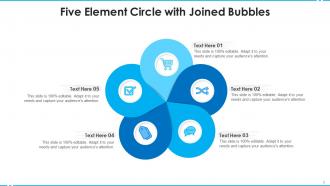
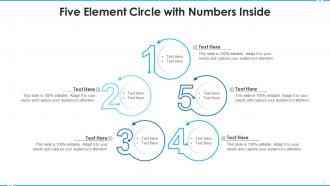





FAQs for Five Element Circles Powerpoint
So basically it's wood, fire, earth, metal, and water - they all cycle through each other. Wood feeds fire, fire creates earth (ash), earth makes metal, metal collects water, water nourishes wood. Pretty neat how it loops back! There's also a destructive cycle but that's where things get messy. You see this stuff everywhere in Chinese medicine and feng shui. Oh and martial arts too, which I think is actually the coolest application. It's really just about how different energies balance each other out in your space.
So basically you can map out everyone's working style using Five Element Circles - Wood types are your go-getters, Fire people love collaborating, Earth folks are super steady, Metal personalities focus on details, and Water types think everything through. Have your team do a quick assessment first. Then match roles to their strengths! Your Wood person will probably butt heads with Metal over timing (happens all the time). The trick is mixing different elements on projects so you're not missing key perspectives. I mean, you don't want a team full of just detail people or just big-picture thinkers, right?
So basically, Five Element Circles make you look at decisions through different angles - earth, water, fire, air, and spirit. Instead of just going with your first instinct, you check: does this ground me? Does it flow? Will it energize me or drain me? Gives you clarity or confusion? And honestly, the spirit part (does it match my deeper values) is where I usually get stuck. But when you run through all five, you catch red flags you'd totally miss otherwise. Way better than just overthinking everything to death. Try it next time you're torn about something big.
So Five Element Circles are actually pretty cool for conflict stuff. Basically you figure out if someone's more "wood" (super direct) or "water" (goes with the flow) and then you adjust how you talk to them. Makes way more sense than just using the same approach for everyone, right? Like, once you start noticing these patterns it's kind of addictive - you'll be categorizing people everywhere lol. But seriously, next time you're stuck between two people fighting, try identifying their elements first. Then frame your solutions differently for each person. It's weirdly effective.
So basically you map your business stuff to the Five Elements thing - Wood for growth, Fire for marketing, Earth for operations, Metal for systems, and Water for planning. They're supposed to flow into each other like a cycle. Planning feeds growth, growth powers marketing, etc. Honestly took me a while to get it at first, but now it makes sense! The real trick is figuring out where you're stuck. Like maybe you're crushing it with marketing but your systems are a total mess? That's where this framework actually helps - you can spot those weak areas and work on balancing everything out instead of just focusing on what you're already good at.
People totally get this wrong - they think Five Element Circles means you're stuck as one "type" forever. Like, once you're labeled "fire," that's your whole personality boxed up. But you've actually got all five elements in you! Your dominant ones just shift depending on stress, growth, whatever's happening in life. Oh, and companies love misusing it as some hiring crystal ball instead of what it really is - a way to figure out communication styles. I've seen that backfire so many times. Don't use it to judge people's skills. Use it to understand how your team actually talks to each other.
So the Five Elements thing is basically old-school emotional intelligence training. Each element has different emotional patterns - Wood's that pushy, go-getter energy while Water's more about deep reflection and wisdom. Once you figure out your dominant elements, you get way better at reading your own reactions plus what your team actually needs. I always default to Fire when I'm stressed (probably oversharing here), but learning to tap into the other elements? Game changer. You can literally switch up your leadership style based on what the situation calls for. It's pretty wild how well it works.
Oh totally! I've used those Five Element Circles in coaching and they're honestly game-changers. Clients can actually see when their "fire" energy (passion, relationships) is totally drowning out their "earth" energy - you know, the stability stuff we all neglect. People get these lightbulb moments when it's mapped out visually. Instead of fixating on just one issue, you're looking at behavior patterns and energy across everything. Way more holistic that way. I actually forgot how useful they were until someone mentioned them last week! Try them as regular check-ins during sessions.
Honestly, mixing Five Element Circles with storytelling frameworks works really well - like Hero's Journey or basic problem-solution stuff. Use the circles as visual anchors while you walk through each piece. I've watched people combine them with design thinking too, which was pretty cool to see in action. The rule of three is another solid approach - just group related elements together since audiences remember things better that way. Really though, let your chosen methodology drive the story while the circles handle the visual side. Definitely sketch both frameworks out first to see how they mesh together.
Honestly, your cultural background totally shapes how you read those Five Element Circles. East Asian traditions go deep on balance and how elements cycle together. Western approaches? They're more about individual element traits. Fire's a perfect example - some cultures see pure creative energy, others view it as destructive and needing control. The colors and symbols change dramatically too, which always trips people up. What means "earth" in one tradition could represent something totally different elsewhere. You really gotta know your audience's cultural perspective first, or you'll be speaking completely different languages.
Honestly, you'll probably see projects wrap up about 15-20% faster, which is huge. Team satisfaction scores go up too - people just seem happier when they're not constantly confused about what they're doing. Scope creep becomes way less of a nightmare since you're thinking through all five elements from day one. Communication gets clearer too, which I didn't expect but totally makes sense when everyone's on the same page. Oh, and fewer emergency meetings - that alone might be worth it. Just make sure you're tracking your current metrics now so you can actually prove the improvement later.
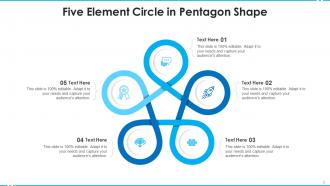
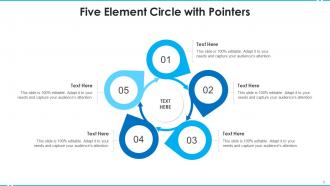
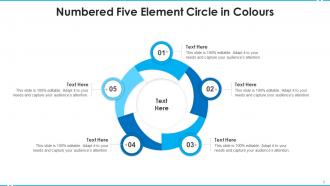
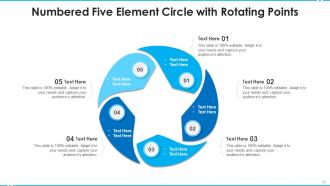
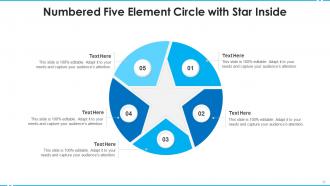
Pentagon shape works best - arrange the five elements in a circle with arrows showing how they connect. Colors make a huge difference here. Earth tones for Earth, blues for Water, you get it. If you're doing this digitally, animation is your friend. Show the energy flowing step by step instead of dumping everything at once. Trust me, I've watched people's eyes glaze over when there's too much on one slide. Build it piece by piece - basic circle first, then productive cycle, destructive cycle last. Honestly, less text is better. Let the visuals do the heavy lifting and your audience will actually follow along.
Honestly? People will think the self-assessment stuff is way too touchy-feely at first. You'll get major pushback on time too - it's not just another quick survey, everyone actually has to think about how they work. Some folks might game it or answer what sounds "right" instead of being real. The five elements thing is pretty abstract until you see it with actual projects (took me a while to get it tbh). Start small - grab a few people who are already interested, use examples from stuff you're actually working on. Don't go company-wide right away or you'll crash and burn.
Check out interactive apps that overlay digital stuff onto your physical circle work - that's probably the easiest starting point. AR apps are pretty cool for visualizing elemental relationships in 3D. Some VR experiences let students actually "walk through" different elemental states, though honestly the tech's still catching up to the concept. Gamified platforms turn balancing exercises into challenges, which kids love. Digital tracking helps you spot where students get stuck moving between elements. I've seen some impressive demos lately - way better than the clunky stuff from a few years ago.
Look, the documentation isn't great since this is pretty new stuff, but I've heard solid things. That design firm case is legit - they cut burnout by 40% using the cycles. Healthcare teams are seeing better collaboration too when departments sync up with the five elements approach. Tech startups seem to love it most, probably because they're already used to trying weird frameworks. The real benefit is teams notice when they're stuck in one mode and actually shift gears instead of just grinding harder. I'd say pick one team to test it with first and track whatever metrics actually matter to your company. Way easier than rolling it out everywhere at once.
-
Excellent design and quick turnaround.
-
Great designs, really helpful.