


Governance Model Powerpoint Presentation Slides




Try Before you Buy Download Free Sample Product
 Impress Your
 Audience
 100%
100% Editable
 Save Hours
 of Time


Analyze the role of governance model framework to your corporate system with our professionally crafted PPT design named as governance model PowerPoint presentation slides. It is technically designed in accordance to the important elements of governance model which can be converted into business responsibilities, practices, and procedures. This governance model presentation is crafted with utmost care by our team of professionals to cover all the main aspects of the governance model. Since this PowerPoint slideshow is designed to increase the abilities of the business management and the board of directors of the company to have a better overview of growth and to assist employees to fulfill their role of governance. Thus, utilize this effective governance framework PPT for representing the components of the business management. It is also one of the most effective tools used by the board of directors and management. Download this amazing Governance structure PowerPoint template for your perusal now. Enfold your thoughts in our Governance Model Powerpoint Presentation Slides. They will stay safe and secure.
People who downloaded this PowerPoint presentation also viewed the following :
Video for Governance Model Powerpoint Presentation Slides
Content of this Powerpoint Presentation
Slide 1: This slide introduces Governance Model. State Your company name and get started.
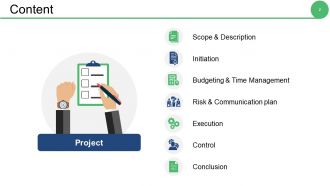
Slide 2: This slide presents Content with the following point- Project, Scope & Description, Budgeting & Time Management, Execution, Control, Initiation, Risk & Communication plan, Conclusion.
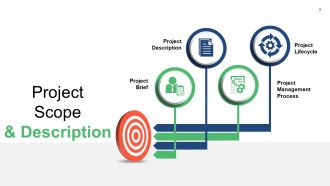
Slide 3: This slide shows Project Scope & Description with- Project Brief, Project Description, Project Lifecycle, Project Management Process.
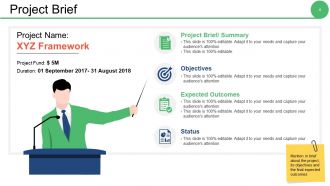
Slide 4: This slide showcases Project Brief consisting of- Project Name, Project Fund, Duration, Status, Expected Outcomes, Objectives, Project Brief/ Summary.
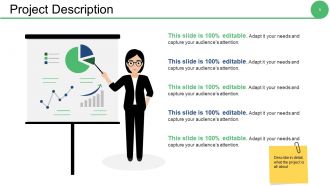
Slide 5: This slide shows Project Description with relevant imagery to describe in detail.
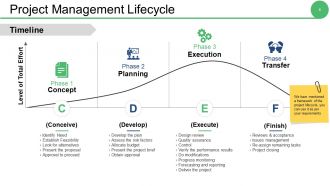
Slide 6: Project Management Lifecycle (Conceive)- Concept, (Develop)- Planning, (Execute)- Execution, (Finish)- Transfer. We have mentioned a framework of the project lifecycle, you can use it as per your requirements
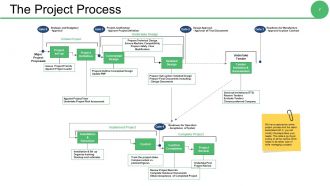
Slide 7: This slide showcases The Project Process consisting of- Project Justification, Design Approval, Readiness for Manufacture, Readiness for Operation. We have captured an entire project process and the tasks associated with it. You can modify the steps basis your needs. This slide give an outline of all the factors which needs to be taken care of while managing a project.
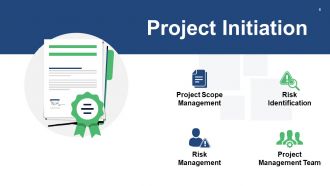
Slide 8: This slide showcases Project Initiation with- Project Scope Management, Risk Identification, Risk Management, Project Management Team.
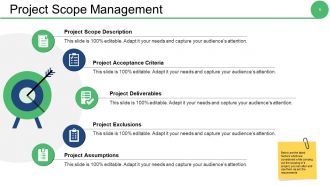
Slide 9: This slide showcases Project Scope Management with the following content- Project Deliverables, Project Assumptions, Project Exclusions, Project Scope Description, Project Acceptance Criteria, Project Scope Management.
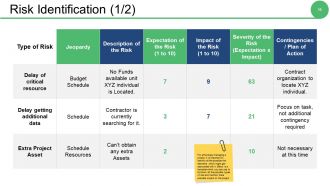
Slide 10: This is the first slide on Risk Identification in tabular form. For effectively managing a project, it is important to identify all the possible risk elements which might get associated with it. Below is a template which you can use to list down all the possible types of risk and mention there possible impact on the project.
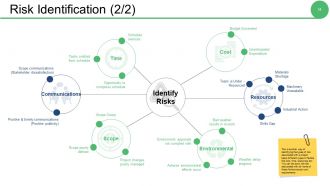
Slide 11: This is the second slide on Risk Identification with the following points- Cost: Budget Exceeded, Unanticipated Expenditure, Skills Gap. Resources: Industrial Action, Machinery Unavailable, Team is Under - Resourced. Environmental: Materials Shortage, Weather delay progress, Bad weather results in re-work, Adverse environmental effects occur, Environment approvals not complied with. Scope: Project changes poorly managed, Scope poorly defined, Scope Creep. Communications: Scope communications (Stakeholder dissatisfaction), Positive & timely communications, (Positive publicity), Opportunity to compress schedule. Time: Tasks omitted from schedule, Schedule overruns, Identify Risks. This is another way of identifying the types of risk associated with a project basis different types of factors like cost, time, resources etc. You can list down the risk associated with all/ some of these factors as per your requirements.
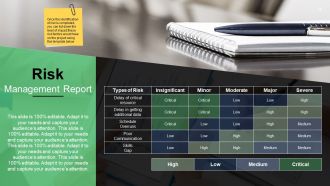
Slide 12: This slide shows a Risk Management Report. Once the identification of risk is completed, you can list down the level of impact these risk factors would have on the project using this template below.
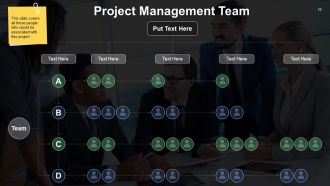
Slide 13: This slide showcases Project Management Team
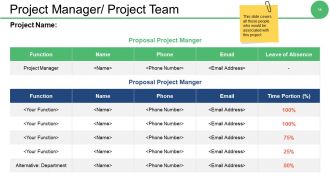
Slide 14: This slide presents Project Manager/ Project Team in hierarchy form. Present and covers all those people who would be associated with a project.
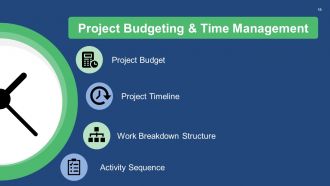
Slide 15: This slide shows Project Budgeting & Time Management with- Project Budget Project Timeline Work Breakdown Structure Activity Sequence
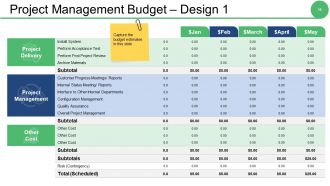
Slide 16: This is the first slide on Project Management Budget Design with- Project Management Project Delivery Other Cost Capture the budget estimates in this slide.
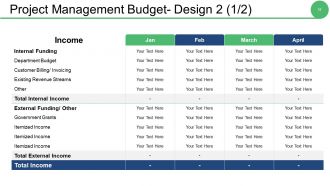
Slide 17: This is the second slide on Project Management Budget Design with- Interna Funding, External Funding. Capture the budget estimates in this slide.
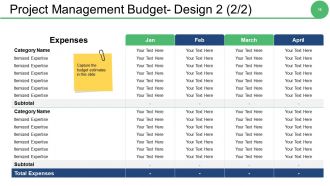
Slide 18: This slide showcases Project Management Budget Design showcasing Expenses. Capture the budget estimates in this slide
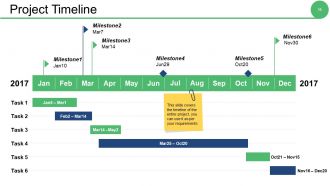
Slide 19: This is a Project Timeline slide in gantt chart form with tasks, milestones and years. This slide covers the timeline of the entire project, you can use it as per your requirements.
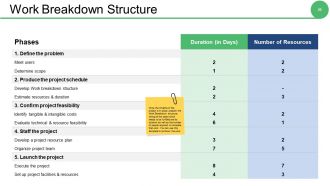
Slide 20: This slide shows a Work Breakdown Structure. Once the timeline of the project is in place, prepare the Work Breakdown structure, listing all the tasks which needs to be fulfilled and its duration as well as the number of people required to complete that work. You can use this template to list down the work involved.
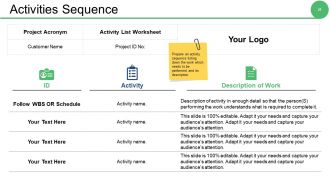
Slide 21: This slide showcases Activities Sequence with- ID, Activity, Description of Work. Prepare an activity sequence listing down the work which needs to be performed and its description.
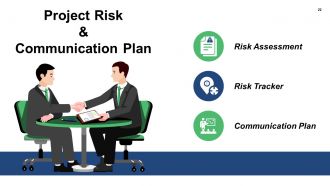
Slide 22: This slide showcases Project Risk & Communication Plan with- Risk Assessment, Risk Tracker, Communication Plan.
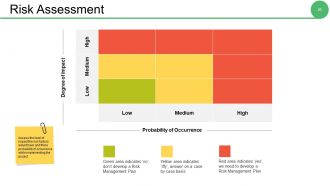
Slide 23: This slide showcases a Risk Assessment matrix in terms of- Probability of Occurrence, Degree of Impact. Assess the level of impact the risk factors would have and there probability of occurrence while implementing the project.
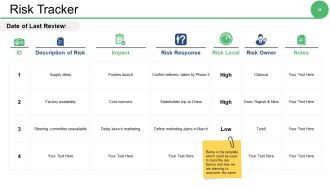
Slide 24: This slide showcases Risk Tracker with the following points- ID Description of Risk Impact Risk Response Risk Level Risk Owner It could be used to track the risk factors and how you are planning to overcome the same.
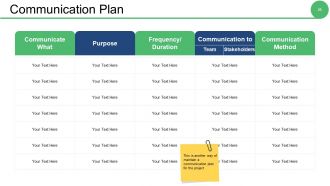
Slide 25: This is a Communication Plan slide for communicating with the major stakeholders.
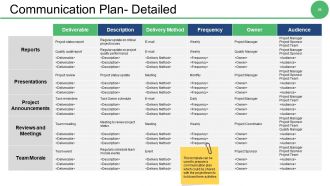
Slide 26: This is a detailed Communication Plan. This template can be used to prepare a communication plan which could be shared with the project team to list down there activities
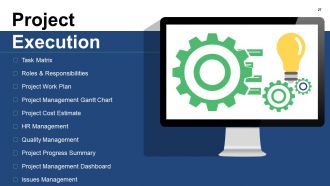
Slide 27: This slide showcases Project Execution with the following points- Task Matrix, Roles & Responsibilities, Project Work Plan, Project Management Gantt Chart, Project Cost Estimate, HR Management, Quality Management, Project Progress Summary, Project Management Dashboard, Issues Management.
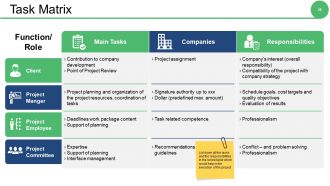
Slide 28: This is a Task Matrix slide showing- Client, Project Manger, Project Employee, Project Committee, Function/ Role, Main Tasks, Responsibilities. List down all the tasks and the responsibilities in the below table which would help in the execution of the project
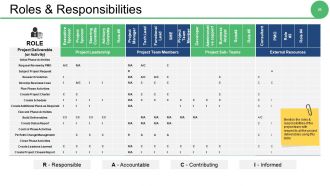
Slide 29: This is a Roles & Responsibilities RACI table slide showing- R - Responsible A - Accountable C - Contributing I - Informed Mention the roles & responsibilities of the project team with respect to all the project deliverables using this table.
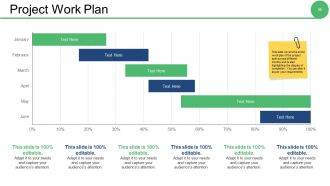
Slide 30: This slide presents a Project Work Plan. This slide covers the entire work plan of the project split across different months and is also highlighting the degree of completion. You can alter it as per your requirements
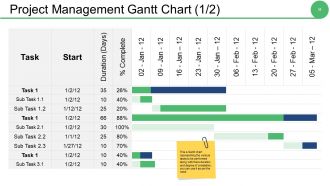
Slide 31: This slide presents the first Project Management Gantt Chart. This a Gantt chart representing the various tasks to be performed along with there duration and degree of completion, you can use it as per the need.
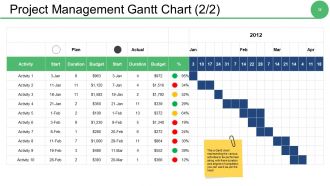
Slide 32: This slide presents the second Project Management Gantt Chart. This a Gantt chart representing the various activities to be performed along with there duration and degree of completion, you can use it as per the need.
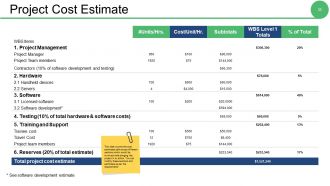
Slide 33: This slide displays Project Cost Estimate. This slide covers the cost estimates split across different sections which would be while bringing the project in to action. You can modify these sections and estimates as per the requirements
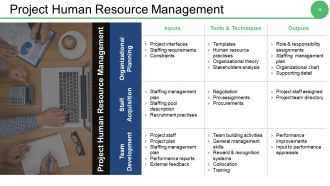
Slide 34: This slide shows Project Human Resource Management tabloid with- Organizational Planning, Staff Acquisition, Team Development, Inputs, Tools & Techniques, Outputs.
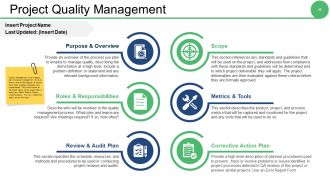
Slide 35: This slide shows Project Quality Management with the following points- Purpose & Overview Corrective Action Plan Metrics & Tools Review & Audit Plan Scope Roles & Responsibilities Quality Management is an integral part of project management so as to ensure that all the aspects of project have been carefully analysed and implemented. This slide covers all the broad topics which would help in ensuring a Good Quality Project implementation. You can modify this topics as per the need.
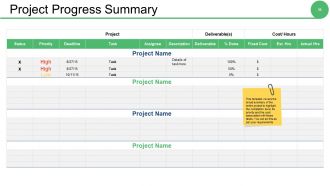
Slide 36: This is a Project Progress Summary slide. This template covers the broad summary of the entire project to highlight the completion level, its priority and the cost associated with these tasks. You can se this as per your requirements
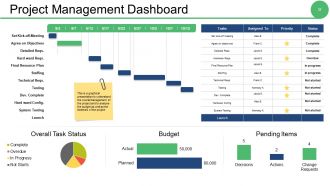
Slide 37: This slide showcases a Project Management Dashboard with the following points- Set Kick-off-Meeting Agree on Objectives Detailed Reqs. Hard ward Reqs. Final Resource Plan Staffing Technical Reqs. Testing Dev. Complete Hard ward Config. System Testing Launch This is a graphical presentation to understand the overall management of the project and to analyse the budget as well as the timelines of the project.
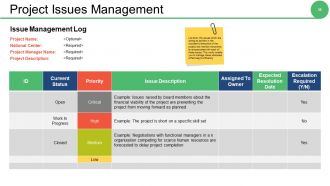
Slide 38: This slide shows Project Issues Management with Issue Management Log. List down the issues which are acting as barriers in the successful execution of the project and mention the priority level associated with each of these issues. This would enable you to manage these obstacles effectively & efficiently.
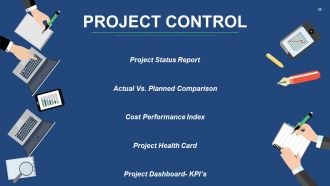
Slide 39: This slide shows PROJECT CONTROL with- Project Status Report, Actual Vs. Planned Comparison, Cost Performance Index, Project Health Card, Project Dashboard- KPI’s.
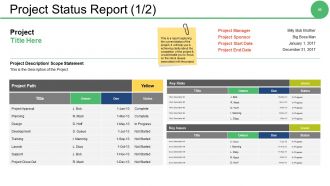
Slide 40: This slide presents a Project Status Report. This slide shows report capturing the current status of the project. It will help you in achieving clarity about the completion of the project & would enable you to focus on the risk & issues associated with the project.
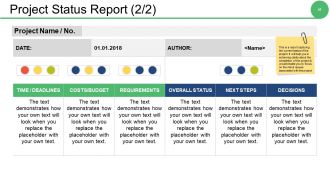
Slide 41: This slide presents another Project Status Report. Project Name / No. This is a report capturing the current status of the project. It will help you in achieving clarity about the completion of the project & would enable you to focus on the risk & issues associated with the project.
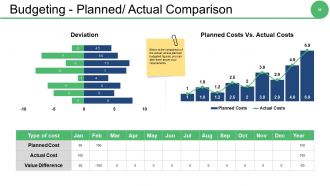
Slide 42: This slide shows Budgeting - Planned/ Actual Comparison. Present comparison of the actual versus planned budgeted figures, and alter them as per your requirements.
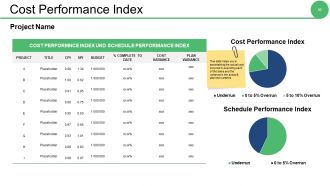
Slide 43: This slide presents a Cost Performance Index. This slide helps you in ascertaining the actual cost incurred in executing each of the tasks and the variance in the actual & planned numbers.
Slide 44: This is a Coffee break slide. You can change the slide content as per need.
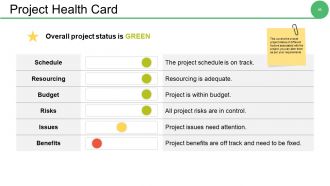
Slide 45: This slide shows a Project Health Card. This covers the overall project status of different factors associated with the project, you can alter them as per your requirements.
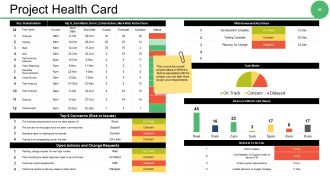
Slide 46: This slide also shows a Project Health Card. This covers the overall project status of different factors associated with the project, you can alter them as per your requirements
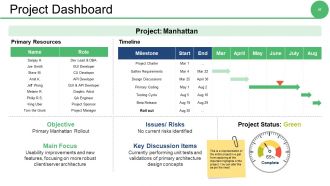
Slide 47: This slide shows a Project Dashboard with- Primary Resources, Timeline, Objective, Rollout, Main Focus, Issues/ Risks, No current risks identified, Key Discussion Items. This is a representation of the entire project in a gist form capturing all the important highlights of the project. You can alter this as per the need.
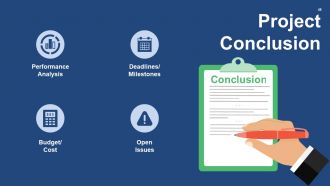
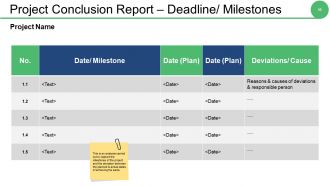
Slide 48: This slide showcases Performance Analysis with- Deadlines/ Milestones, Open Issues, Budget/ Cost, Project Conclusion.
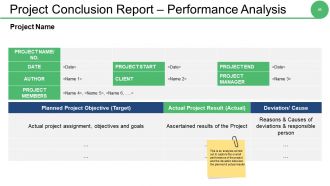
Slide 49: This slide shows Project Conclusion Report – Performance Analysis This is an analysis carried out to capture the overall performance of the project and the deviation between the planned & actual results.
Slide 50: This slide also shows Project Conclusion Report – Performance Analysis This is an analysis carried out to capture the overall performance of the project and the deviation between the planned & actual results.
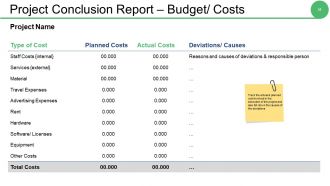
Slide 51: This slide presents a Project Conclusion Report – Budget/ Costs with- Type of Cost, Planned Costs, Actual Costs, Deviations/ Causes. Track the actual & planned cost involved in the execution of the project and also list down the causes of the deviations.
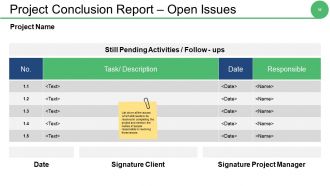
Slide 52: This slide showcases a Project Conclusion Report – Open Issues with- Still Pending Activities / Follow - ups. List down all the issues which still needs to be resolved in completing the project and mention the names of people responsible in resolving those issues.
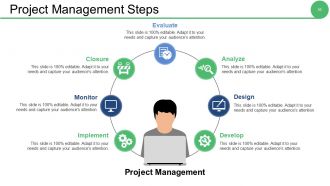
Slide 53: This slide displays Project Management Steps. The listed ones are- Evaluate, Analyze, Closure, Design, Monitor, Develop, Implement.
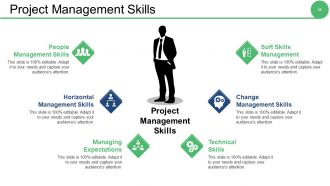
Slide 54: This slide presents Project Management Skills. The listed ones are- People Management Skills, Soft Skills Management, Horizontal Management Skills, Change Management Skills, Managing Expectations, Technical Skills.
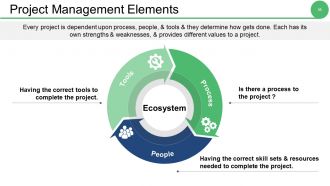
Slide 55: This slide displays Project Management Elements in terms of- Process, People, Tools. Every project is dependent upon process, people, & tools & they determine how gets done. Each has its own strengths & weaknesses, & provides different values to a project.
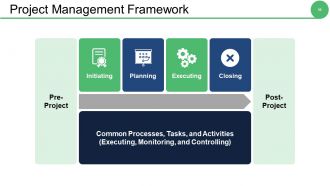
Slide 56: This slide presents a Project Management Framework comprising of- Initiating, Planning, Executing, Closing. Common Processes, Tasks, and Activities (Executing, Monitoring, and Controlling)
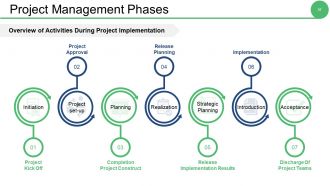
Slide 57: This slide showcases Project Management Phases such as- Initiation, Project Set Up, Planning, Realization, Strategic Planning, Introduction and Acceptance.
Slide 58: This slide is titled Charts & Graph to move forward. You can change the slide content as per need.
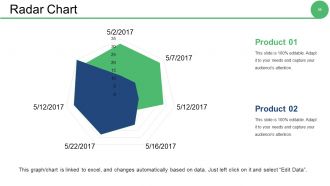
Slide 59: This slide presents a Radar Chart to show product/entity comparison, information etc.
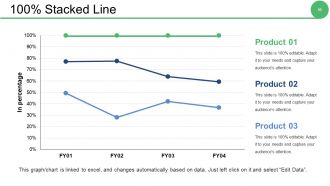
Slide 60: This slide presents a Stacked Line to show product/entity comparison, information etc.
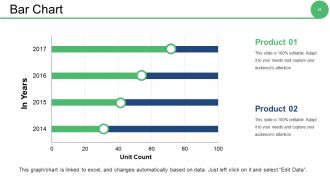
Slide 61: This slide presents a Bar Chart to show product/entity comparison, information etc.
Slide 62: This slide is titled Additional Slides to move forward. You can change the slide content as per need.
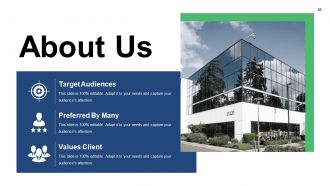
Slide 63: This is an About Us slide. State team/company specifications like target audiences, values client etc. here.
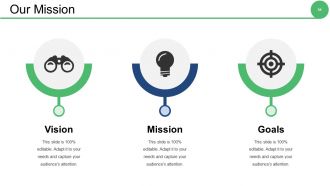
Slide 64: This is an Our Mission slide. State your company vision, missionand goals here.
Slide 65: This is Our Team slide with names, designation and image boxes to fulfill information.
Slide 66: This is a Puzzle image slide to show information, specifications etc.
Slide 67: This is a Target image slide to show targets, goals etc.
Slide 68: This is a Bulb Or Idea image slide to present innovative information, specifications etc.
Slide 69: This slide showcases Quotes. You can add your own quotes. Also this is a representative image, and should be replaced by your own image.
Slide 70: This is a Magnifying glass image slide. State specifications, information here.
Slide 71: This is a Thank You slide with Contact Numbers, Address# street number, city, state, Email Address.
Governance Model Powerpoint Presentation Slides with all 71 slides:
Gain on others with our Governance Model Powerpoint Presentation Slides. Get that much farther in your advance.



FAQs for Governance Model
Honestly, most places screw this up because they skip the oversight part entirely. You'll want four basics: someone needs clear authority over decisions, accountability when stuff breaks, processes people can actually follow, and regular check-ins to see if it's working. Map out how decisions currently flow in your org first - I bet you'll find weird gaps where nobody knows who's in charge. Those murky spots? That's where your governance falls apart. Oh, and build in escalation paths so problems don't just sit there festering. Feedback loops are clutch too.
So your governance model is basically who calls the shots and how. Does your team need approval from like five different people for everything? Or can they actually make decisions without jumping through hoops? Some companies go overboard with committees and red tape - total nightmare. Others let teams run more independently. It affects budget stuff, big strategic moves, even boring daily decisions. The trick is picking something that fits how you actually want to work, not just what sounds impressive in meetings. Trust me, there's nothing worse than a governance structure that looks great but slows everyone down.
Honestly, most companies wait until new regulations drop and then panic - terrible approach. Build in quarterly reviews where you're actively scanning for what's coming down the pipeline. Set up monitoring systems for your industry's regulatory changes, then get cross-functional teams ready to jump on impact assessments. Your board needs clear escalation paths too, especially for urgent stuff. The trick is staying ahead of it - map out which regulations hit your operations hardest, create alerts for proposed changes in those areas. Close relationships with regulatory bodies help a ton here. Regular review cycles keep everything flexible instead of scrambling last minute.
Okay so here's the thing - you absolutely have to get your stakeholders involved or your governance model will be useless. Map out who actually matters first: employees, customers, board members, regulators, whoever. Then build in regular check-ins throughout development, not just at the end. I've seen too many companies skip this step and wonder why their "perfect" system crashes and burns in real life. Early involvement is key because these people will actually be dealing with whatever decisions come out of your model. Don't make it an afterthought.
So basically, tech totally flips how you can run things at work. Digital platforms let teams make decisions without everything going up the chain - way faster feedback and everyone can actually see what's happening. The hard part? Most managers hate giving up control, honestly. You'll need to ditch some of those old approval processes and figure out new ways to track performance. Real-time data sharing means info moves differently now, so your whole communication setup probably needs an overhaul. It's all about finding that sweet spot between moving fast and not letting things go off the rails.
So basically, centralized means one person or group calls all the shots - like how most companies work with executives deciding everything. Decentralized spreads that power around to different teams or people who can make their own calls. Centralized gets you quicker decisions and someone's clearly responsible when things go wrong. But honestly? Decentralized usually sparks more creative ideas since people feel more ownership. Teams also buy in better when they actually have a say. Really depends on how big and complicated your situation is though.
So transparency basically comes down to clear reporting, regular audits, and actually keeping communication open - not just pretending to. Accountability means defining who does what, tracking performance, and having real consequences when people mess up. The sweet spot is when you mix both together. Board oversight, public financials, whistleblower protections that people actually use. Oh and feedback loops that aren't just those pointless annual surveys everyone ignores. Start by mapping out how decisions currently flow in your org, then figure out where you need better visibility or clearer ownership. That's honestly where most places fall apart.
There are a few solid ways to measure this stuff. Balanced scorecards work well since they track performance across different areas. COBIT's good for IT governance specifically - though it can get pretty detailed. Board evaluation frameworks are worth looking into too if you're dealing with executive-level stuff. Honestly though? Pick metrics that actually make sense for your situation instead of just going through the motions. I'd probably start with a basic effectiveness survey to see where you stand. Then add some numbers like how fast decisions get made and compliance rates. Keep it simple - maybe 3-5 key things you can track consistently.
Oh man, this stuff varies SO much by region. East Asian companies? Super hierarchical. Nordic countries go for that flat, everyone-gets-a-say approach. Germans are obsessed with documentation (honestly kind of impressive), while Silicon Valley just wings it half the time. You've gotta match what locals expect - like how fast decisions should happen, who gets input, all that. Religious background matters too, plus whatever political mess shaped their history. Before setting up any governance structure, dig into the local business culture first. What kills it in New York might bomb completely in Tokyo.
Get everyone on the same page about WHY you're doing this first - trust me, it'll save you from so many arguments down the road. Map out who does what and who makes the final calls before you announce anything. Don't try to flip everything overnight though. Roll it out in chunks so you can actually fix what's broken based on real feedback. Oh, and set up regular check-ins with some basic metrics to see if it's working. Honestly? Start simple and just tweak as you go - you don't need the perfect plan right away.
So the main thing is nonprofit boards care about mission stuff, not just making money for shareholders. You get way more variety on those boards - like community people, actual beneficiaries, experts in whatever cause. For-profit boards? Pretty much all about investor returns. Nonprofit governance has tons more transparency requirements too, which honestly can be a pain but makes sense. Different legal setup means different tax stuff, and that actually affects how decisions happen. The tricky part is you're juggling multiple groups who all want different things, so decisions take forever compared to just focusing on profit.
Look, risk management is honestly what separates real governance from just shuffling papers around. You've got to spot potential disasters before they hit - cyber attacks, compliance mess-ups, financial nightmares. The smart move? Build risk assessment right into how you make decisions daily. That way you're not scrambling when something goes sideways. I mean, stakeholder trust is hard enough to maintain without walking into obvious traps. It's really about preventing problems instead of just reacting to them after the damage is done.
Here's what's worked for me - start by auditing your current setup to see where you're lacking diversity. Then bake it right into the structure: require diverse board representation, set actual inclusion targets (not just nice-to-haves), and create real feedback channels for underrepresented voices. Don't just hope it happens naturally because, spoiler alert, it won't. Tie leadership pay to D&I metrics if you're serious about accountability. Oh, and rotate leadership roles regularly - keeps things fresh. Most importantly, build in decision-making processes that actually seek out different perspectives instead of just nodding along with whoever speaks first.
Look at both the numbers and the softer stuff - decision speed, how happy stakeholders are, compliance rates, participation levels. The big question is whether decisions actually get implemented (because what's the point otherwise?). Honestly though, don't go crazy measuring everything right away. I learned this the hard way - you'll just get overwhelmed. Pick maybe 3-4 things that actually matter for your goals. Track those for at least six months before you even think about adding more metrics. Start with decision-making speed - that one's usually pretty telling about how well things are working.
Dude, your governance setup literally controls how fast you can pivot when shit hits the fan. Rigid top-down stuff? You'll be waiting for approvals while competitors eat your lunch. But when you distribute decision-making with clear authority levels, teams actually move. I've watched companies blow massive opportunities because they were drowning in bureaucracy. You need structure for quality and alignment, obviously, but not so much that nobody can make calls. Figure out your bottlenecks first - then give the right people more room to run. That's honestly where most companies screw up.
-
Use of icon with content is very relateable, informative and appealing.
-
Appreciate the research and its presentable format.