


Guide For Effective Event Marketing MKT CD V




Try Before you Buy Download Free Sample Product
 Impress Your
 Audience
 100%
100% Editable
 Save Hours
 of Time


Event marketing is a strategy used to create awareness of a companys products or services through direct customer engagement. Check out Our Guide for an Effective Event Marketing template. It has been carefully designed to help companies engage their target audience effectively. Our Social Media Advertising deck highlights the benefits, emerging trends, and statistics of event advertising while also addressing common challenges faced by marketers, such as audience engagement and converting pre registrants to attendees. Our Conference Marketing PPT covers virtual and physical events, including webinars, live streaming, tradeshows, and conferences. It also provides insights on social media platforms used for promotion and outlines critical steps in event marketing, including goal setting, management checklists, activity management, audience attraction, and performance evaluation. Lastly, our Audience Engagement module details the marketing team, impact, and advertising channel costs. Access our resources today and take your event marketing to the next level.
People who downloaded this PowerPoint presentation also viewed the following :
Content of this Powerpoint Presentation
Slide 1: This slide introduces Guide for Effective Event Marketing. Commence by stating Your Company Name.
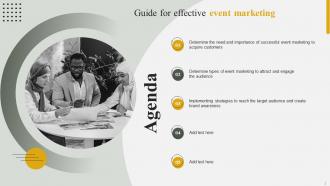
Slide 2: This slide depicts the Agenda of the presentation.
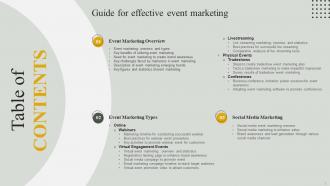
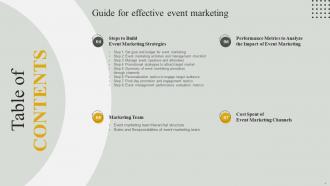
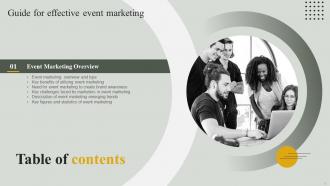
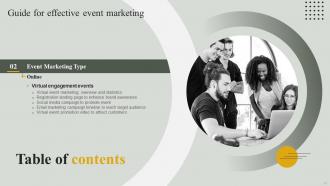
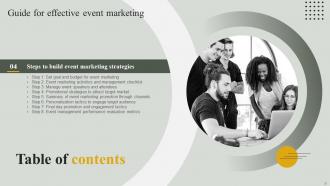
Slide 3: This slide incorporates the Table of Contents.
Slide 4: This is yet another slide continuing the Table of Contents.
Slide 5: This slide highlights the Title for the Topics to be covered further.
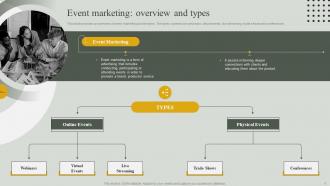
Slide 6: This slide provides an overview of event marketing and its types.
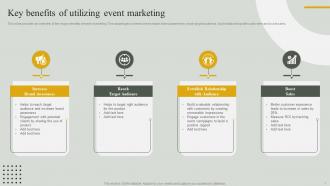
Slide 7: This slide states the Key benefits of utilizing event marketing.
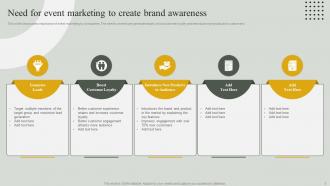
Slide 8: This slide exhibits the Need for event marketing to create brand awareness.
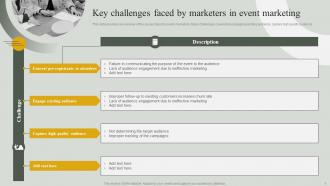
Slide 9: This slide portrays the Key challenges faced by marketers in event marketing.
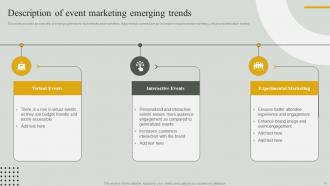
Slide 10: This slide shows the Description of event marketing emerging trends.
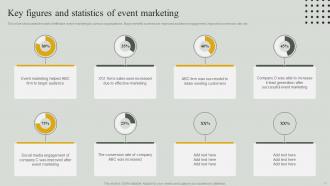
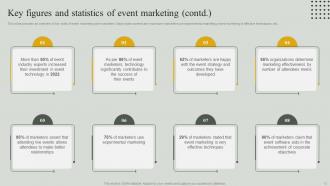
Slide 11: This slide presents the Key figures and statistics of event marketing.
Slide 12: This side continues the Key figures and statistics of event marketing.
Slide 13: This slide includes the Heading for the Topics to be further discussed.
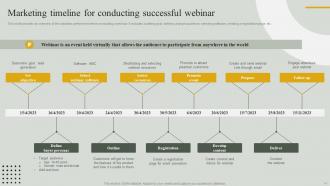
Slide 14: This slide reveals the Marketing timeline for conducting successful webinar.
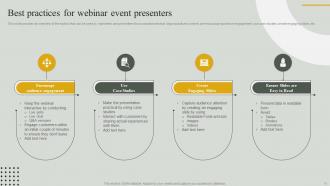
Slide 15: This slide mentions the Best practices for webinar event presenters.
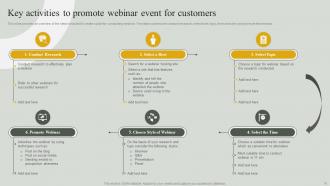
Slide 16: This slide highlights the Key activities to promote webinar event for customers.
Slide 17: This slide indicates the Title for the Ideas to be covered in the upcoming template.
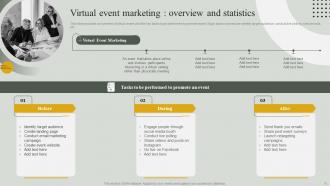
Slide 18: This slide provides an overview of virtual event and the key tasks to pe performed to promote event.
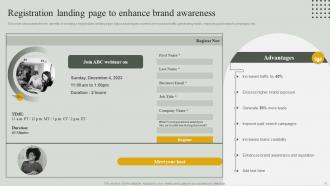
Slide 19: This slide focuses on the Registration landing page to enhance brand awareness.
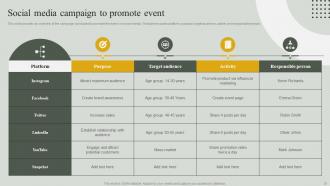
Slide 20: This slide provides an overview of the campaign conducted to promote the event on social media.
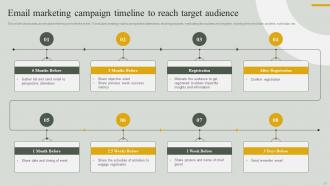
Slide 21: This slide depicts the Email marketing campaign timeline to reach target audience.
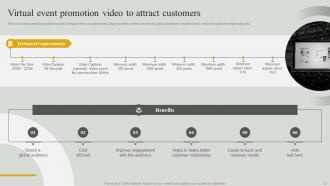
Slide 22: This slide showcases the Virtual event promotion video to attract customers.
Slide 23: This slide portrays the Heading for the Ideas to be discussed further.
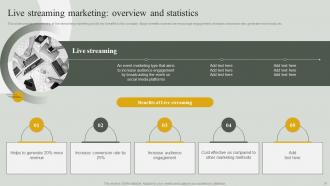
Slide 24: This slide provides an overview of live-streaming marketing and its key benefits to the company.
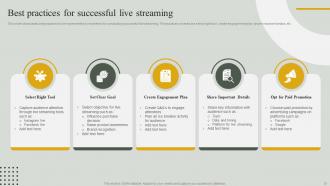
Slide 25: This slide mentions about the Best practices for successful live streaming.
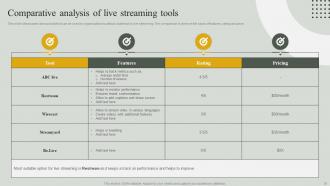
Slide 26: This slide reveals the Comparative analysis of live streaming tools.
Slide 27: This slide indicates the Title for the Contents to be covered in the forth-coming template.
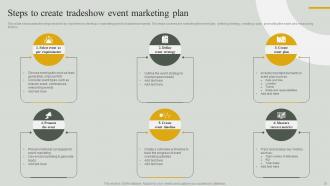
Slide 28: This slide states the Steps to create tradeshow event marketing plan.
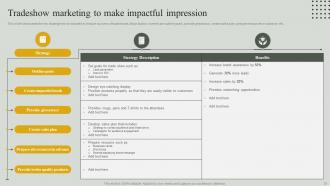
Slide 29: This slide talks about Tradeshow marketing to make impactful impression.
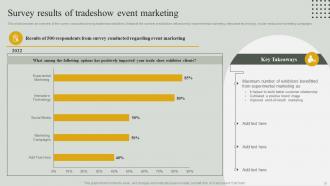
Slide 30: This slide indicates the Survey results of tradeshow event marketing.
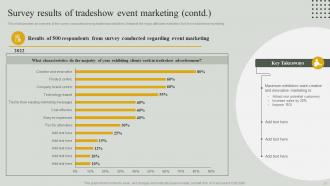
Slide 31: This slide continues the Survey results of tradeshow event marketing.
Slide 32: This slide presents the Heading for the Topics to be discussed next.
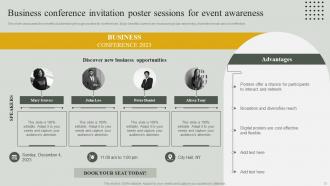
Slide 33: This slide showcases the benefits of advertising through posters for conferences.
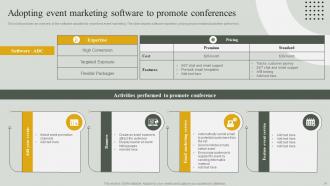
Slide 34: This slide focuses on Adopting event marketing software to promote conferences.
Slide 35: This slide includes the Title for the Topics to be covered in the forth-coming template.
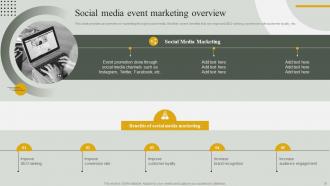
Slide 36: This slide highlights the Social media event marketing overview.
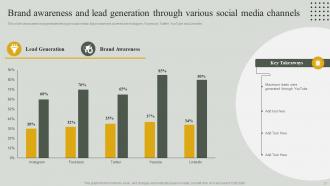
Slide 37: This slide shows Brand awareness and lead generation through various social media channels.
Slide 38: This slide represents the Heading for the Contents to be further discussed.
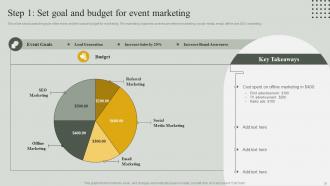
Slide 39: This slide showcases the goals of the event and the overall budget for marketing.
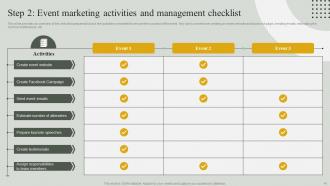
Slide 40: This slide highlights the checklist prepared to track the activities completed.
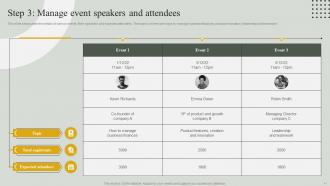
Slide 41: This slide reveals the details of various events, their speakers and expected attendees.
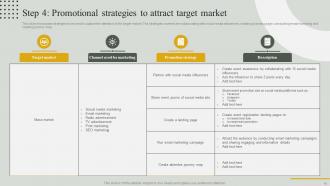
Slide 42: This slide presents the strategies to be used to capture the attention of the target market.
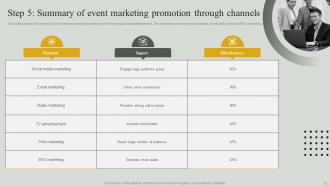
Slide 43: This slide provides an overview of the channels used to promote an event, their impact, and effectiveness.
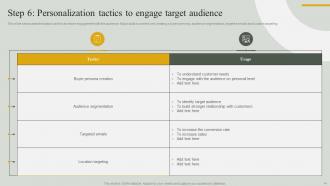
Slide 44: This slide showcases the tactics used to increase engagement with the audience.
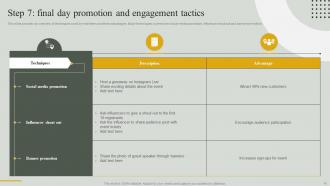
Slide 45: This slide portrays the techniques used by marketers and their advantages.
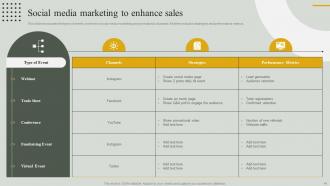
Slide 46: This slide talks about Social media marketing to enhance sales.
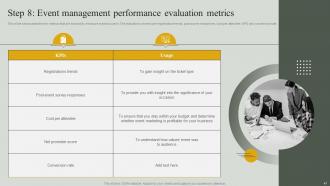
Slide 47: This slide presents the key metrics that are tracked to measure event success.
Slide 48: This slide includes the Title for the Ideas to be discussed next.
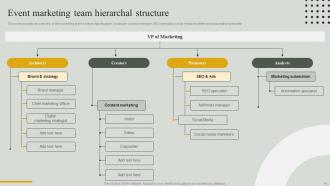
Slide 49: This slide illustrates the Event marketing team hierarchal structure.
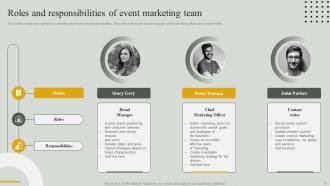
Slide 50: This slide exhibits the Roles and responsibilities of event marketing team.
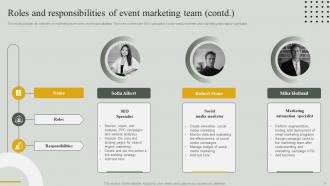
Slide 51: This slide continues the Roles and responsibilities of event marketing team.
Slide 52: This slide shows the Heading for the Ideas to be covered further.
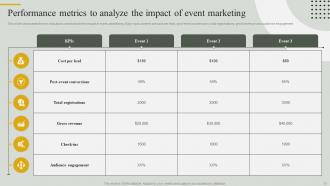
Slide 53: This slide portrays the Performance metrics to analyze the impact of event marketing.
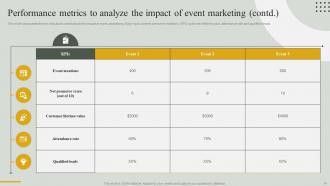
Slide 54: This slide continues the Performance metrics to analyze the impact of event marketing.
Slide 55: This slid edepicts the Title for the Contents to be discussed in the upcoming template.
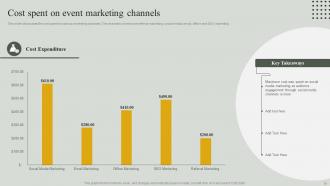
Slide 56: This slide states the Cost spent on event marketing channels.
Slide 57: This is the Icons slide containing all the Icons used in the plan.
Slide 58: This slide is used for depicting some Additional information.
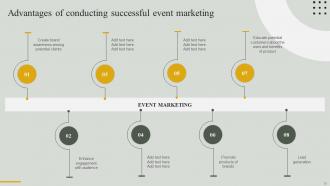
Slide 59: This slide depicts the Advantages of conducting successful event marketing.
Slide 60: This slide shows the Event marketing strategies to reach target audience.
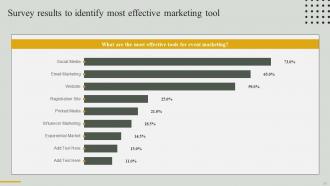
Slide 61: This slide exhibits the Survey results to identify most effective marketing tool.
Slide 62: This slide indicates the KPIs to measure event marketing success.
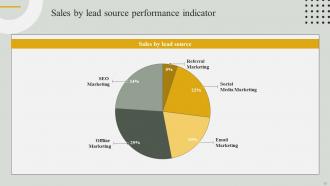
Slide 63: This slide presents the Sales by lead source performance indicator.
Slide 64: This is Our mission slide for stating the company's Vision, Mission, and Goal.
Slide 65: This is the About us slide exhibiting the organization-related information here.
Slide 66: This is Our team slide. State your team-related information here.
Slide 67: This is Our goal slide for depicting the firm's long-term goals.
Slide 68: This slide contains the Post it notes for reminders and deadlines.
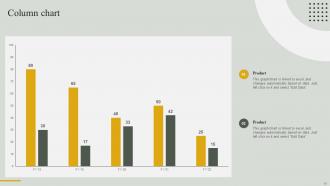
Slide 69: This slide reveals the Column chart.
Slide 70: This slide eluicdates the Timeline.
Slide 71: This is the Thank you slide for acknowledgement.
Guide For Effective Event Marketing MKT CD V with all 76 slides:
Use our Guide For Effective Event Marketing Powerpoint Presentation Slides MKT CD to effectively help you save your valuable time. They are readymade to fit into any presentation structure.









FAQs for Guide For Effective Event Marketing
Key components include clear objective setting, comprehensive audience targeting, strategic venue selection, multi-channel promotional campaigns, and detailed post-event analysis. These elements work together by aligning event goals with business outcomes, maximizing attendee engagement through targeted messaging, and delivering measurable ROI, with many organizations finding that integrated approaches significantly enhance brand visibility and lead generation.
Social media enhances event marketing by amplifying reach through targeted advertising, creating interactive engagement with hashtags and live content, and building community through attendee connections and user-generated content. Platforms like LinkedIn for B2B conferences, Instagram for lifestyle events, and Twitter for real-time updates enable marketers to drive registrations, boost attendance, and extend event impact beyond the physical experience.
Audience segmentation enables event marketers to create targeted campaigns by analyzing demographics, interests, behavioral patterns, and engagement preferences. Through strategic segmentation, organizations deliver personalized messaging, optimize resource allocation, and enhance attendee experiences across virtual, hybrid, and in-person formats, ultimately increasing registration rates, engagement levels, and event ROI.
Event marketing success metrics include registration numbers, attendance rates, engagement levels, lead generation, conversion rates, and social media reach. These measurements enable organizations to assess ROI by tracking participant interactions, post-event sales, and brand awareness growth, with many companies finding that comprehensive analytics ultimately deliver strategic insights for optimizing future campaigns and enhancing competitive positioning.
Event marketing adapts for virtual and hybrid events through interactive digital platforms, personalized content delivery, multi-channel engagement strategies, and data-driven audience targeting. These approaches streamline attendee experiences by offering on-demand access, real-time networking tools, and integrated social media campaigns, with many organizations finding that hybrid formats ultimately deliver broader reach and enhanced engagement metrics.
Best practices for creating compelling event marketing collateral include clear value propositions, consistent branding, targeted messaging, engaging visuals, and strategic calls-to-action across all materials. These elements work together by capturing audience attention, communicating key benefits, and driving registration conversions, with many event organizers finding that professionally designed collateral significantly increases attendance rates and sponsor engagement.
Influencer marketing significantly enhances event promotion by expanding reach, building credibility, and driving targeted attendance through authentic endorsements. These partnerships enable event organizers to tap into established audiences, create compelling content across multiple platforms, and generate social proof, with many conferences, product launches, and trade shows finding that strategic influencer collaborations ultimately deliver higher registration rates and broader brand awareness.
Pre-event engagement tactics include personalized invitations, early-bird incentives, social media campaigns, exclusive content previews, and interactive registration processes. During events, live polling, gamification, networking apps, breakout sessions, and real-time social sharing maximize participation, while post-event follow-ups, content sharing, feedback surveys, and community building sustain momentum, ultimately delivering stronger relationships and increased ROI.
Email marketing boosts event registrations through personalized invitations, segmented audience targeting, compelling subject lines, and strategic timing across multiple touchpoints. By implementing automated drip campaigns, early-bird incentives, and social proof elements, organizations streamline their outreach while delivering higher conversion rates, ultimately enhancing attendee acquisition and maximizing event ROI.
Event sponsorships deliver brand visibility, targeted audience access, lead generation opportunities, enhanced credibility, and valuable networking connections within specific industry segments. Through strategic partnerships with relevant events, companies streamline customer acquisition, accelerate relationship building, and enhance market positioning, with many organizations finding that sponsorships ultimately provide measurable ROI and competitive advantage.
Storytelling enhances event marketing by creating emotional connections, building memorable experiences, and differentiating brands from competitors through compelling narratives. Through strategic storytelling, event marketers deliver personalized content, increase attendee engagement, and generate stronger brand recall, with many organizations finding that narrative-driven events produce higher conversion rates and lasting customer relationships.
Event marketing technology tools include CRM platforms, email automation software, social media management systems, event registration platforms, and analytics dashboards. These technologies streamline campaigns by automating attendee communications, tracking engagement metrics, and managing multi-channel promotions, with many organizations finding that integrated platforms ultimately deliver higher attendance rates and measurable ROI.
Event marketers should approach partnerships by identifying complementary brands, industry leaders, and strategic sponsors who share similar target audiences and values. These collaborations enhance event reach through cross-promotion, shared resources, and combined expertise, with many successful partnerships in sectors like technology conferences and retail showcases delivering expanded attendee bases, reduced costs, and stronger brand positioning.
Event feedback can enhance future marketing efforts by identifying attendee preferences, measuring engagement levels, evaluating channel effectiveness, and pinpointing content gaps. Through systematic analysis of post-event surveys and behavioral data, organizations streamline their messaging strategies, optimize budget allocation across platforms, and deliver more targeted experiences, with many companies finding that feedback-driven improvements increase attendance rates and ultimately strengthen their competitive positioning in increasingly crowded markets.
Common event marketing pitfalls include inadequate audience research, poor timing, insufficient promotion, unclear messaging, and neglecting post-event follow-up. These challenges can significantly impact ROI and brand perception, with many organizations finding that strategic planning, multi-channel promotion, and systematic attendee engagement ultimately deliver higher conversion rates and stronger customer relationships.
-
Top Quality presentations that are easily editable.
-
“There is so much choice. At first, it seems like there isn't but you have to just keep looking, there are endless amounts to explore.”