


Proposition de présentation PowerPoint pour des services de conseil en ressources humaines





Try Before you Buy Download Free Sample Product
 Impress Your
 Audience
 100%
100% Editable
 Save Hours
 of Time


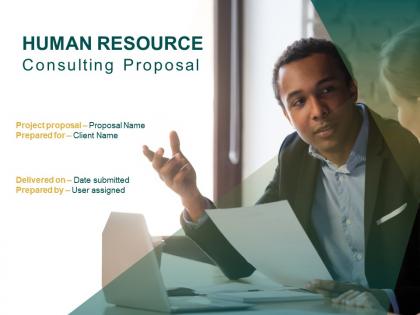
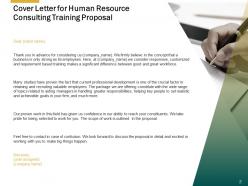
Les ressources humaines sont considérées comme l'un des meilleurs atouts d'une entreprise. Certaines entreprises font donc appel aux services de consultants en ressources humaines pour les aider avec le processus de recrutement et d'autres tâches qu'un service des ressources humaines doit accomplir. Si vous êtes une entreprise fournissant des services de conseil en ressources humaines et que vous recherchez des moyens d'attirer de nouveaux clients, ce modèle de proposition de conseil en ressources humaines est parfait pour vous. Cette proposition est très utile pour la rédaction de lettres de conseil, l'explication des solutions RH, des avantages, etc. Présentez les services que vous offrez, les membres de votre équipe, leur expertise, etc. Fournissez à vos clients un aperçu détaillé de votre projet, de votre processus, de votre investissement, de votre déclaration de travail, de votre forfait, etc. Ce modèle est conçu avec une attention irréprochable répondant à tous les besoins et exigences de l'utilisateur. Vous pouvez y intégrer toutes vos informations et mettre en évidence tous les aspects cruciaux. Ce modèle de proposition détaillé et bien structuré vous aidera à présenter et à évaluer vos compétences afin qu'elles correspondent parfaitement aux exigences de l'utilisateur. Conçu avec un intérêt aiguisé et une recherche approfondie, cette présentation vous aidera à façonner les demandes du client en fournissant des informations détaillées. Ce modèle est sur mesure pour répondre au mieux à vos besoins et exigences. Alors, téléchargez maintenant ce modèle de proposition pour gagner du temps et des efforts dans la création d'une proposition de conseil en ressources humaines à partir de zéro.
People who downloaded this PowerPoint presentation also viewed the following :
Contenu de cette présentation Powerpoint
Même si une organisation manque de ressources financières ou physiques nécessaires pour maintenir un service des ressources humaines dans ses locaux, elle peut toujours opter pour une pléthore de cabinets de conseil en ressources humaines à sa disposition. Par conséquent, si vous êtes un cabinet de conseil en ressources humaines tiers, vous voudrez peut-être vous démarquer de la foule. La meilleure façon de procéder est de répondre aux exigences de votre clientèle potentielle ainsi que de présenter tous vos services en une seule fois. Pour cela, vous pouvez créer une proposition personnalisée pour tous vos clients et leurs demandes à la demande, ce qui peut devenir fastidieux à certains moments.
Au lieu de rédiger une proposition spécifique pour chaque client potentiel, vous pouvez plutôt utiliser un modèle personnalisable qui contient déjà tout ce dont vous avez besoin pour rédiger une proposition unique.
Heureusement, le modèle de proposition de conseil en ressources humaines 100% modifiable de SlideTeam est là pour vous aider. Ce modèle de présentation couvre tous les aspects du domaine du conseil. Vous pouvez éclairer votre audience sur les services que vous avez à offrir, leurs prix, les termes et conditions, et bien plus encore.
Alors, jetons un coup d'œil au modèle PPT et découvrons en détail ses principales caractéristiques.
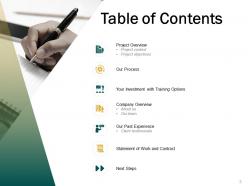
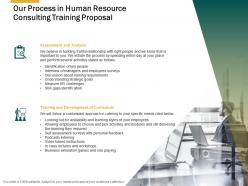
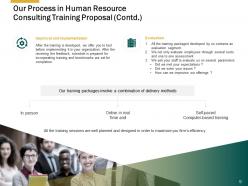
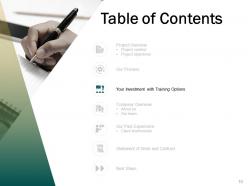
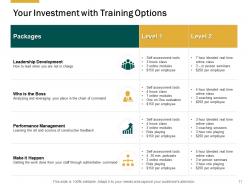
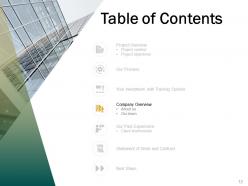
1. Introduction 2. Notre expertise en ressources humaines 3. Nos services de conseil en ressources humaines 4. Processus de recrutement 5. Gestion des talents 6. Développement des compétences 7. Rémunération et avantages sociaux 8. Relations de travail 9. Conformité et gouvernance 10. Transformation organisationnelle 11. Analyse des données RH 12. Nos clients satisfaits 13. Pourquoi nous choisir ? 14. Notre équipe d'experts 15. Nos engagements 16. Nos tarifs 17. Notre processus de travail 18. Étude de cas 1 19. Étude de cas 2 20. Étude de cas 3 21. Témoignages de nos clients 22. Nos certifications et accréditations 23. Nos partenaires 24. Notre présence géographique 25. Nos réalisations 26. Nos valeurs 27. Prochaines étapes 28. Contactez-nous 29. Merci
Utilisez nos diapositives de présentation PowerPoint de proposition de conseil en ressources humaines pour vous aider à gagner un temps précieux. Elles sont prêtes à s'intégrer dans n'importe quelle structure de présentation.




FAQs for Human resource consulting proposal
Alright so you need the usual suspects: exec summary, show them you get their specific HR mess, your solutions with realistic timelines, team credentials, and pricing that makes sense. Honestly, I always screw up the timeline section when I'm in a rush - those dates will bite you later if they're wrong. Include some measurable stuff they can actually track, plus a rock-solid scope of work section. Trust me on that one, it'll save your sanity when they start asking for "just one more thing." Wrap it up with next steps and when you're free to chat. Keep it tight but detailed enough to prove you actually did your homework on their company.
Honestly, you need to figure out what's actually broken first - high turnover, compliance headaches, whatever. Do some real digging with interviews and data before you write anything. Those cookie-cutter proposals are such a joke, like they just swapped out company names. Your solution has to fit their specific mess, not some template you found online. Timeline and deliverables should match their culture too. Oh, and definitely spell out how you'll track success - people hate vague promises about "improved outcomes" or whatever. They want to know exactly what they're paying for.
Start by getting their baseline numbers first - that's crucial. Focus on stuff that actually matters to them: turnover reduction percentages, faster hiring times, retention cost savings. Engagement scores work too if you can tie them to real numbers. Finance people are obsessed with dollar signs (honestly, who isn't?), so translate everything into potential savings or revenue impact. Don't overwhelm them though. Pick your strongest 4-5 metrics and set up 3-6 month checkpoints so they can see you're actually delivering results fast. Quick wins build trust.
Honestly, just swap your examples for stuff that actually matters to them. Tech startups don't care about your manufacturing case studies - they want to see other scrappy companies you've helped. Small businesses? They need something they can roll out fast, not some fancy 6-month strategy. Big enterprises are the opposite - they love complex multi-phase plans (go figure). Also, different industries have totally different headaches. Healthcare is drowning in compliance stuff while retail couldn't care less about that. Do yourself a favor and research their top 3 problems first. Your core approach doesn't change, but everything else should sound like you built it just for them.
Honestly, you can't skip talking to stakeholders - it's the difference between a proposal that actually hits vs. one that falls flat. Interview people at different levels, not just the executives who think they know what's broken. I learned this the hard way watching other consultants bomb because they didn't do their homework. The conversations help you figure out what to prioritize and set timelines that aren't completely unrealistic. Plus people are way more likely to support changes when they feel heard. Oh, and definitely run your approach by them before you submit - saves you from looking clueless later.
Okay so first you gotta map out clear phases that fit their specific HR mess - discovery, analysis, design, implementation, all that. Timeline is huge because everyone wants to know when things actually get done (learned this the hard way). Be super specific about your tools too - surveys, competency mapping, whatever applies to their situation. Don't just throw around generic consultant buzzwords. Oh and definitely explain how you'll measure if it's working and get their team trained up so they're not calling you forever. Makes you look less like you're trying to create dependency, you know?
Honestly, skip the boring achievement lists and focus on telling an actual story. Numbers are everything though - "reduced turnover by 35%" beats generic fluff every time. Before/after format works best since it's super clear what you actually did. Grab client testimonials if you can swing it. Awards are nice too but don't stress if you don't have any. One page max or people zone out - I learned that the hard way. Oh, and definitely customize each one for whoever you're pitching to. Makes such a difference when they see their specific industry challenges addressed.
Beat them to the punch - add an "Addressing Your Concerns" section that hits their biggest worries upfront. Budget, timeline, operational chaos, ROI questions. I've watched too many deals tank because people pretended these weren't obvious issues. Break down each objection, then smack it down with real examples and data. Show cost-per-employee for budget stuff, or potential savings they'll actually see. Honestly, most clients appreciate when you're not dancing around the hard questions. Wrap each response with something like "here's exactly how we'll prevent this problem for you."
Definitely start with confidentiality stuff - that's table stakes when you're dealing with employee data. Make sure you spell out who can access what and how everything gets stored. Conflict of interest policies matter too, especially if you might work with their competitors later (I've seen that get messy). Fair treatment and bias-free practices should be in there obviously. Oh, and figure out upfront how you'll handle any legal compliance weirdness that pops up. Honestly, just get all this ethical stuff documented so nobody gets surprised later and everyone's covered.
Honestly, visuals and data are game-changers for HR proposals. Charts showing cost savings or ROI numbers give clients something concrete instead of just more text to wade through. Before/after metrics from similar projects? Pure gold. People are so tired of reading walls of text - yours will actually get noticed with some solid infographics or process diagrams. Plus data builds your credibility fast. When you're throwing around specific industry benchmarks, you sound like you actually know your stuff rather than just winging it. I'd say include at least 2-3 visuals that back up your main points. Makes everything way more persuasive.
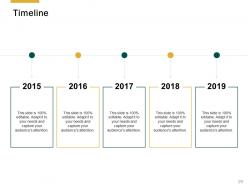
Dude, you need that timeline locked down from day one. Clients get weird when they don't know what's happening or when stuff's due. I learned this the hard way - now I map out every milestone and deadline upfront. Saves you from those random "hey, any updates?" messages too. Oh, and it's your best defense against scope creep since you can literally point to what you agreed on. Build in extra time for their feedback though. They always take longer than they think they will. Makes you look super professional compared to people who just... figure it out as they go.
Show them the money, basically. Throw in specific numbers like "cut hiring time by 30%" or "save $50K yearly on benefits admin." Clients eat that stuff up, even rough estimates. Break down your pricing against what others charge and spell out exactly what they're getting. Here's the thing - you've got to paint the disaster scenario too. What's it costing them to do nothing? I always include turnover costs, productivity losses, compliance nightmares. Make it hurt a little. Then your solution looks like the obvious choice when you've got hard numbers backing everything up.
Make it interactive - ask stuff like "what's broken with your current setup?" then actually wait for answers. I always bring props they can mess with because honestly, people need something to do with their hands. Share war stories from similar companies, they eat that up. Mix in some breakout time where they chat amongst themselves first, then report back. Oh and read the room - if they're low energy, don't come in all hyped up. Practice switching gears mid-presentation because your perfect agenda will probably go out the window anyway.
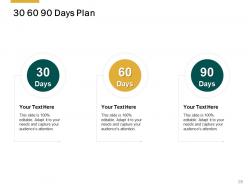
Definitely add a whole section on post-engagement support. Most consultants are terrible at this - they just vanish once the project's done. Lay out your 30, 60, 90-day check-ins upfront. Be super specific about what's included vs what costs extra. Phone support? Email? Training sessions when things go sideways during implementation? All that stuff needs clear boundaries. Oh, and don't forget duration - are you talking 6 months or ongoing? Clients hate ambiguity here. End with your contact info and how fast you'll respond. Trust me, they'll actually read this part.
Ugh, the template thing is the worst - clients spot copy-paste jobs from a mile away. Don't lead with your credentials either (seriously, nobody wants your company's life story upfront). Focus on their actual problems and what you'll fix for them. Write like you're talking to real people, not corporate robots. Proofread obsessively because typos make you look sloppy as hell, especially in HR work. Oh, and always end with clear next steps and when things will happen. Vague timelines are useless.
-
Very unique, user-friendly presentation interface.
-
Excellent products for quick understanding.
-
Excellent design and quick turnaround.