


Inventory Management Powerpoint Ppt Template Bundles




Try Before you Buy Download Free Sample Product
 Impress Your
 Audience
 100%
100% Editable
 Save Hours
 of Time


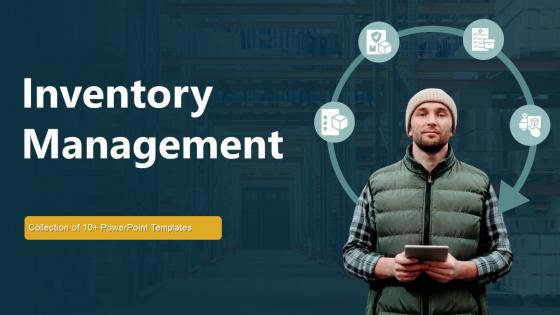
Our Inventory Management Powerpoint Ppt Template Bundles are topically designed to provide an attractive backdrop to any subject. Use them to look like a presentation pro.
People who downloaded this PowerPoint presentation also viewed the following :
Inventory Management Powerpoint Ppt Template Bundles with all 22 slides:
Use our Inventory Management Powerpoint Ppt Template Bundles to effectively help you save your valuable time. They are readymade to fit into any presentation structure.
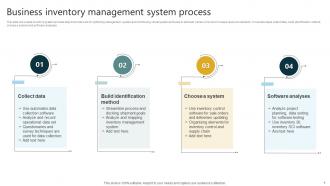
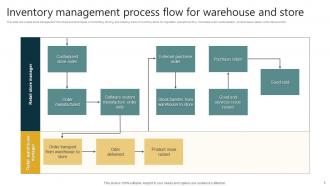
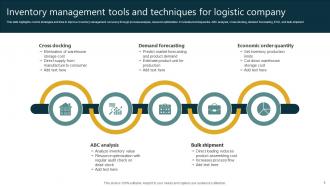
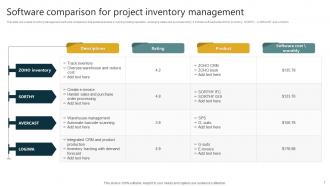






FAQs for Inventory Management Powerpoint
Start with demand forecasting and real-time tracking - that's your foundation. Automated reorder points will save you tons of headaches. Don't sleep on supplier management either, and ABC analysis helps you focus on the stuff that actually matters money-wise. But honestly? Most people totally botch the tracking piece. Your system could be amazing but garbage data makes everything useless. Oh, and inventory turnover reports are clutch - shows you what's flying off shelves vs. what's just taking up space. Get tracking locked down first, then worry about the fancy features.
Honestly, demand forecasting is your best friend here - use your sales data to figure out what actually moves. ABC analysis works great too; focus on your high-value stuff that sells fast. Don't let dead inventory just sit around eating up your cash flow (learned that one the hard way). Just-in-time ordering helps when you can swing it. Also, review those safety stock levels regularly so you're not overstocking. I know it sounds obvious, but finding that balance between having enough product vs. tying up too much money is trickier than it looks.
Dude, you're still doing inventory by hand? Get some tech in there - even basic software will save you so much time. Barcode scanners and RFID systems give you real-time tracking across locations, which is honestly a game changer. The AI stuff now predicts demand way better than those old Excel sheets we used to hate. Plus automated alerts stop you from running out of stock or ordering too much. I was skeptical at first, but the cloud-based systems are pretty solid. You'll cut down on errors and free up hours every week. Seriously worth the investment.
Demand volatility and seasonal swings are gonna be your biggest headaches. Oh, and crappy data - that'll kill you every time. Rolling forecasts work way better than those rigid annual plans since you can actually adjust as things change. I'd use multiple forecasting methods to double-check your predictions. For seasonal stuff, look at several years of historical data instead of just last year's numbers - gives you a much clearer picture. Honestly though, fix your data quality first before diving into fancy statistical models. Can't build anything solid on a shaky foundation, you know?
Oh man, JIT is honestly a game-changer for cash flow - you're basically only buying what you actually need instead of hoarding stuff. Warehouse costs drop big time. Less expired inventory sitting around too, which is nice. The downside? It's pretty stressful at first because you're cutting it so close. Your suppliers better be rock solid or you're screwed if something goes wrong. But once you get the hang of it, the whole operation runs smoother and you're not tying up money in inventory that just sits there. I'd test it with non-critical items first though.
Okay so three things have saved my butt with inventory stuff. First, get better at predicting what you'll actually sell - sounds obvious but most people suck at this. JIT ordering is clutch too, only buy what you need when you need it. The audit thing is honestly annoying but you gotta do it regularly or you'll end up with tons of dead stock sitting around. Oh and discounts work pretty well for moving excess inventory, or bundle it with popular items. Start by checking your turnover rates for each product category - that'll show you where the real problems are hiding.
Dude, seasonal demand is like trying to read tea leaves with your inventory. You're ordering winter coats in August hoping you guessed right about December sales. Super weird timeline but that's retail for you. Build up stock before peak seasons, then brace yourself for the crash when you're drowning in leftovers. The balance is tough - having enough product without your cash tied up in dead stock. My first holiday season was brutal, totally miscalculated. Look at your past sales data and try getting flexible supplier deals so you can pivot when things get clearer. Way less painful than guessing blind.
Dude, skip the annual inventory thing - it's way too late to catch problems. Do cycle counts regularly instead. ABC analysis works great here: count your expensive stuff more often than the junk that barely moves. Honestly? Most mess-ups happen at receiving. Your team needs to actually scan everything and double-check the quantities match what's on the PO. I've seen this go wrong so many times it's not even funny. Get real-time tracking through your WMS too. Start counting your top 20% of items daily and build from there.
So basically you can dig into your sales data to catch patterns and predict when demand's gonna spike. Historical stuff plus seasonal trends help you nail down when to reorder and how much safety stock to keep. What really blew my mind though was seeing which products actually make money vs the ones just hogging warehouse space - total game changer. Set up some automated dashboards that ping you when inventory hits certain levels. Oh and start with your top 20% of products first, then expand. Way less overwhelming that way.
Honestly, supply chain issues make you throw out everything you thought you knew about inventory. Stock up way more than usual - those lean "just-in-time" systems are basically useless when suppliers flake out. Find multiple suppliers instead of relying on one or two. Local suppliers might cost extra but they're worth it when overseas stuff gets delayed for weeks. Your demand forecasting better be on point too. Focus on your most critical items first - that random widget can wait, but your core products can't. Oh, and have backup plans for your backups because Murphy's Law loves supply chains.
Dude, you've gotta bake compliance into your daily workflow right from the start. Figure out which regulations hit your industry first - some are obvious, others will blindside you. Automated alerts are your friend for tracking expiration dates and batch info. The paperwork is honestly such a pain, but going digital saves your sanity. I'd run internal audits regularly so you catch problems before the regulators show up at your door. Don't make it a once-yearly panic thing. Build it into what you do every day and you'll actually sleep at night.
So dropshipping is pretty sweet because you don't have to deal with buying inventory upfront or finding warehouse space. But honestly? You're kinda screwed if your supplier messes up because customers will blame YOU, not them. Shipping takes forever, quality control is basically nonexistent, and your profits get eaten alive by fees. Oh and good luck when something goes out of stock - that's your problem now. I'd definitely start small with like 2-3 products to test if your suppliers are actually decent before you commit to anything bigger.
So you calculate annual dollar volume for each item - just multiply unit cost by how much you use yearly. Rank everything from highest to lowest. Your A items are the top 20% by value - these need weekly reviews and good forecasting because they're your money makers. B items (next 30%) get decent attention, nothing crazy. The remaining 50% are C items and honestly? Don't stress about them too much since they're cheap. I learned this the hard way - focus on where the big money is. Those A items will totally make or break your whole inventory game.
Honestly, AI and machine learning are crushing it right now - demand forecasting has gotten so much better. IoT sensors give you real-time stock visibility, which is clutch. RFID tech has evolved like crazy too (some of this stuff feels straight out of a movie). Cloud platforms make collaboration across your supply chain way smoother. Oh, and automation is where you'll actually see your money back fast. If I were you, I'd probably start with automating reorder points - that's low-hanging fruit that pays off quick.
Working closely with your suppliers is a game changer for inventory management. Share your sales data with them so they can tweak production to match what you actually need. You'll get heads up about delays or shortages before they screw you over. Some suppliers even do vendor-managed inventory where they watch your stock and reorder automatically - saves you tons of headaches. Better forecasting comes from this too since they know their own lead times way better than you do. Start with regular calls to your main suppliers. Trust me, the visibility alone makes it worth it.
-
SlideTeam is the way to go when you are in a time crunch. Their templates have saved me many times in the past three months.
-
Easily Understandable slides.