


Key elements of project management it determine stakeholder communication plan




Try Before you Buy Download Free Sample Product
 Impress Your
 Audience
 100%
100% Editable
 Save Hours
 of Time


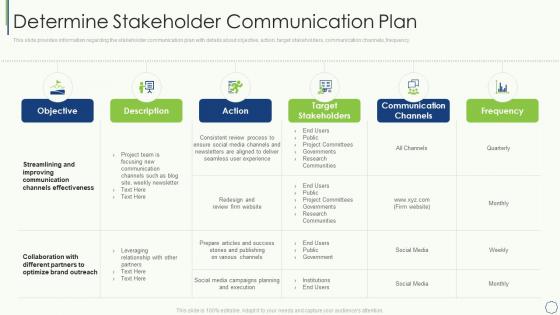
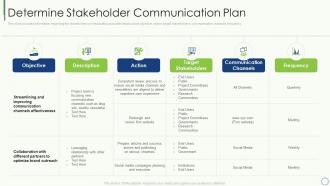
This slide provides information regarding the stakeholder communication plan with details about objective, action, target stakeholders, communication channels, frequency.
People who downloaded this PowerPoint presentation also viewed the following :
Key elements of project management it determine stakeholder communication plan with all 6 slides:
Use our Key Elements Of Project Management It Determine Stakeholder Communication Plan to effectively help you save your valuable time. They are readymade to fit into any presentation structure.





FAQs for Key elements of project management it determine
So there are five phases that kinda flow together: initiation where you define everything, planning to map it all out, execution (the actual work), monitoring to catch problems, and closing to wrap up. Planning directly affects how well execution goes, and honestly? Real projects bounce around between phases way more than any textbook tells you. You'll circle back to planning constantly when new stuff comes up - it's just how it works. Think of them as connected checkpoints, not strict rules. Oh, and nail down your scope early in initiation. Trust me, it'll save you so many headaches down the road.
Dude, communication literally saves projects from going off the rails. Half the disasters I've witnessed happened because people thought everyone understood the plan - they didn't. Set up those weekly check-ins and make sure stakeholders actually get what's going on. Honestly, I'm probably overly paranoid about this stuff now, but catching problems early beats scrambling later when everything's on fire. Clear channels matter too. Figure out who needs what updates and when. Trust me, those "nightmare scenarios" where your team builds completely different things? They're avoidable if you just talk to each other regularly.
Dude, stakeholders can totally make or break your project, so figure out who they are early. Map out their influence levels - some need constant updates, others just want the final recap. I learned this the hard way on my last project lol. Create an engagement plan that spells out who gets what communication and when. Weekly check-ins work for high-influence people. Monthly summaries are fine for others. Actually listen to their feedback though, don't just go through the motions. Regular targeted updates will save you so much headache later. Trust me on this one.
Dude, risk management is honestly a lifesaver for avoiding those project disasters that come out of nowhere. You want to spot potential problems early - stuff like vendor delays or team members calling in sick. We had a developer disappear for two weeks once and it nearly killed our timeline! The trick is making backup plans before you actually need them. Maybe do a quick brainstorm this week about your biggest risks? List like 5 things that could go wrong and figure out plan B for each. Sounds boring but it's way better than scrambling when everything hits the fan.
Honestly, SMART goals are your best bet here. Specific, measurable, achievable, relevant, time-bound - all that stuff. Instead of saying "make the product better," try something like "boost user engagement 25% in 6 months." Way easier to track progress that way. I've watched so many teams crash and burn because they had zero clue what "winning" actually meant. Schedule regular check-ins to see how you're doing against those numbers. Oh, and don't get stubborn if you're totally missing the mark - pivot when you need to. Nothing worse than explaining vague progress to impatient stakeholders.
Honestly, your methodology choice can totally make or break everything. Clear requirements that won't change? Waterfall's perfect - especially for stuff like construction or compliance work. But if things keep evolving and you need constant feedback, go Agile. You'll thank me later when you're not pulling your hair out trying to adapt. I've seen people mix methodologies too, which actually works pretty well. Just match what you pick to your project's complexity and team size. Oh, and how much uncertainty you're dealing with. Don't just stick with what you already know - actually think about what fits this specific mess you're working on.
Asana or Monday.com are pretty solid for project tracking - Jira too if you're doing dev work. Honestly though, I've watched so many teams waste weeks hunting for the "perfect" tool when basic ones work just as well. Slack's great for quick chats, Teams if you're already in the Microsoft world. Google Workspace handles documents fine unless you need fancy Office features. The real trick? Pick stuff your team will actually stick with. Start simple - one tracker, one chat app. You can always add more later if something's genuinely missing, but most teams never need to.
Honestly, you gotta nail down change control right from the start. Document everything they originally wanted - trust me on this one. When they inevitably come asking for "just a tiny tweak" (yeah right), don't just shut them down. Show them exactly how it'll mess with the timeline and budget. Make sponsors sign off on changes too. I started putting scope creep right in my weekly reports because people hate seeing their requests spelled out like that. It's kinda harsh but it works. Get a formal process going so you're not constantly fighting these battles.
Start with the basics - scope, schedule, budget. Did you deliver what you promised on time without going over? Quality stuff matters too like defect rates and whether customers are actually happy. I'd also watch resource utilization because nobody wants their team burning out (learned that one the hard way). ROI shows stakeholders you're not just throwing money around. But honestly? Sometimes those stakeholder satisfaction surveys tell you way more than any fancy spreadsheet metric. Pick maybe 4-6 that actually match your project goals. Don't go crazy tracking everything or you'll just drown in numbers that don't help you make real decisions.
Money and people basically control your project speed - underfund something or don't have the right skills available, and you're stuck waiting. It's like cooking for 10 people with one tiny pan, which honestly sounds like a nightmare. The trick is getting enough resources so you can actually run stuff at the same time instead of doing everything one by one. That parallel work can save you months. I'd definitely map out your critical path early and see where you might run into resource issues. Way easier to spot problems before they completely mess up your timeline.
Okay so first thing - make sure people feel safe screwing up and throwing out wild ideas. That's when real collaboration happens. I'd start doing weekly retrospectives where everyone can actually say what's broken (not just the polite stuff). Check in on people regularly too, like how they're really doing, not just project updates. Oh and celebrate the tiny wins! Sounds cheesy but it works. Some people won't speak up in meetings but they'll write paragraphs in Slack, so mix up how you communicate. Most important though - everyone needs to see how their work fits the bigger goal or they'll just coast.
Just start with weekly 15-minute huddles where everyone mentions one thing that's bugging them. Simple but it works. Schedule check-ins at major milestones too - mid-project reviews, post-delivery stuff, you know the drill. Retrospectives are clutch for catching what went sideways. But here's the thing that drives me nuts - most teams collect all this feedback then do absolutely nothing with it! Write down what you learn and actually change your process. I'd honestly rather skip the feedback entirely than waste everyone's time pretending we'll act on it. Start small though, don't overwhelm yourself with too many meetings right off the bat.
Dude, scope creep and crazy deadlines will absolutely wreck you if you're not careful. Document everything from day one - seriously, make change requests a whole formal thing or clients will keep adding "just one more feature." Break big projects into chunks so you can actually hit some wins along the way. Oh and communicate risks super early instead of crossing your fingers hoping it'll work out (learned that one the hard way). Regular check-ins help too, plus those project management tools that keep everyone looking at the same info. Being ahead of problems beats scrambling to fix them later.
Honestly, communication is everything - you'll be explaining stuff to people constantly. Adaptability matters too since projects always go sideways somehow. You need decent problem-solving skills and at least some tech knowledge so you're not totally lost when your team talks shop. Risk management is key, obviously. But here's the thing - emotional intelligence might actually be the most underrated part. Keeping people happy when everything's on fire? That's an art form. I'd figure out what you're worst at from this list and work on that first. Some of it you can learn pretty fast, but the people skills take time.
Oh man, cultural stuff can totally derail your project if you don't see it coming. Some people won't directly disagree with you - they're just being respectful, but then you think everyone's on board when they're not. Others will challenge literally everything you say. Deadlines are weird too - what feels urgent to you might not to someone else. Communication styles are all over the place... some want everything in writing, others just want a quick chat. Honestly, I learned this the hard way on my last project. Just talk to everyone upfront about how they like to work and communicate.
-
Helpful product design for delivering presentation.
-
Awesome use of colors and designs in product templates.