


Land and water management powerpoint presentation slides




Try Before you Buy Download Free Sample Product
 Impress Your
 Audience
 100%
100% Editable
 Save Hours
 of Time


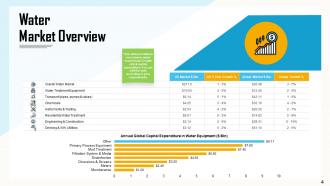
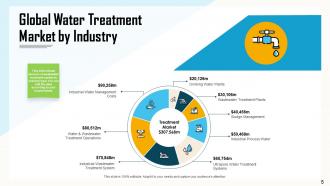
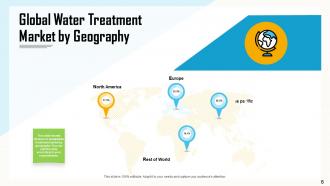
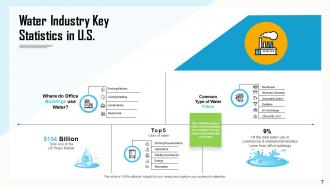
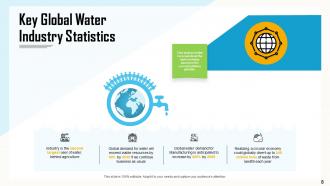
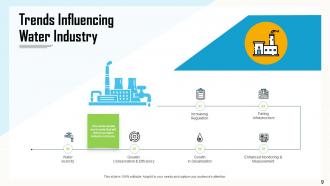
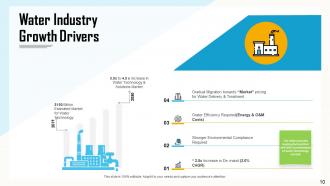
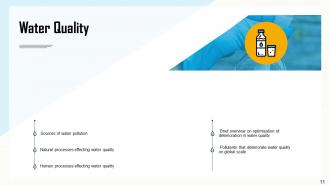
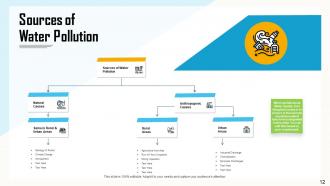
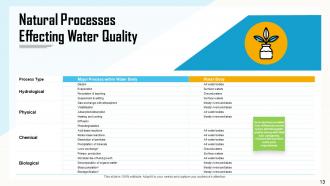
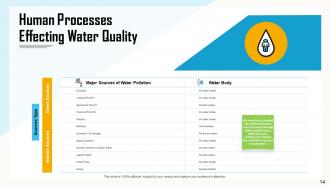
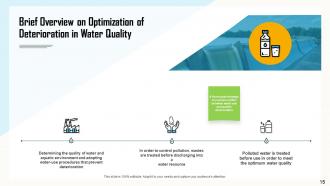
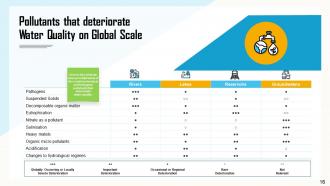
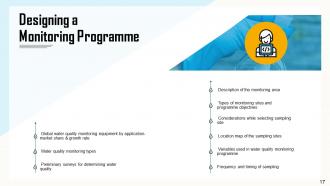
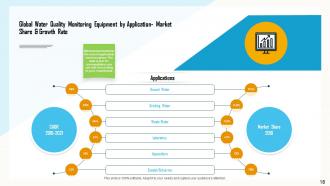
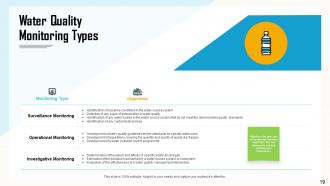
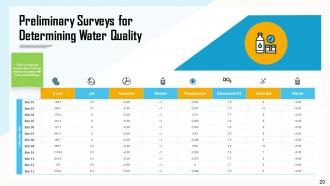
Demonstrate the process of managing the use and development of water and land resources by using Land And Water Management PowerPoint Presentation Slides. Discuss how you can control the resources in order to minimize damage to life and property and to maximize efficient beneficial use. Take the advantage of our land management PPT layouts and provide an overview of land market size, growth rate, and capital expenditure. You can demonstrate the trends influencing the water and land industry. Showcase the natural and human processes that affect the water quality by taking the assistance of our land and water quality modeling PPT templates. If you want to make your presentation much informative and reliable then use our high-grade icons and stunning images present in the slide. You can also showcase the wastewater treatment according to various industry types by utilizing these water quality monitoring PowerPoint slides. Give a brief overview of the optimization of deterioration in water quality. Hence, download our ready-to-use water and land management PowerPoint presentation and ensure the optimum use of land and water resources.
People who downloaded this PowerPoint presentation also viewed the following :
Land and water management powerpoint presentation slides with all 78 slides:
Use our Land And Water Management Powerpoint Presentation Slides to effectively help you save your valuable time. They are readymade to fit into any presentation structure.













FAQs for Land and water management
Honestly, green infrastructure is where it's at - permeable surfaces, urban wetlands, stuff that does double duty. Rain gardens are amazing for smaller areas, and green roofs/walls make a huge difference. Buffer zones around waterways are clutch too. What really matters is treating everything as one connected system instead of tackling land and water separately. Oh, and definitely map out your watershed boundaries first - sounds boring but it'll save you so much time figuring out priorities and who you need to work with. Smart zoning that actually considers how water moves is game-changing.
Look into subsidies for drip irrigation and precision farming tech - farmers will actually use stuff if it saves them money. Tax breaks for soil conservation work too. California's Groundwater Management Act is honestly pretty solid because it mixes incentives with some regulation. You'll want policies that tie water rights to sustainable practices rather than just telling people what they can't do (farmers hate that). Cover cropping helps with both soil and water issues, so that's a win-win. Oh, and zoning laws can stop agricultural sprawl into watersheds. Make it profitable, not punitive.
So basically, these catchment areas work like giant natural sponges for your property. They collect rainwater and filter out all the nasty stuff before slowly releasing it downstream. Without them, you'd get crazy erosion and runoff everywhere - trust me, I've seen properties get wrecked by ignoring this. The vegetation in these spots acts as a buffer, plus they help recharge your groundwater which is huge for soil stability. Before you start any major land projects, map out where water naturally flows first. Way easier to work with nature than fight it, and honestly it'll save you headaches later.
Honestly, GIS is pretty amazing for this stuff. You can map out water flow, track where soil's eroding, monitor how your crops are doing - all visually. The best part? Layer different data together like rainfall and topography to spot patterns you'd totally miss otherwise. Way better than just winging it with decisions. I'd mess around with QGIS first since it's free (though the interface is kinda clunky at first). Map what you've got now, then add more complex stuff once you get the hang of it. It's one of those tools that actually lives up to the hype.
Honestly, climate change is wreaking havoc on our land and water systems. Droughts are getting worse, floods more intense, and soil erosion is accelerating - all messing with our agriculture and water supplies. The frustrating thing? Degraded land can't store carbon well, so it becomes this endless cycle. Your best bet is starting with sustainable farming - cover crops, rotational grazing, that sort of thing. Also, restoring wetlands and forests helps a ton. Drought-resistant crops are becoming pretty essential too. I'd say figure out what your area's most vulnerable to first, then tackle those issues. Way more effective than trying to fix everything at once.
So basically if you own land, you get to call the shots on water - like pulling from wells or diverting streams that run through your property. Though state laws mess with this sometimes. Water's tricky because it doesn't care about your fence lines, right? What some guy does upstream can totally screw over everyone downstream. I'd honestly look up your local water rights before doing anything major that might change how water moves around your land. Different states handle this stuff completely differently. Short answer: you control it, but with strings attached.
Start with cover crops - they're honestly your best bang for buck. Keeps roots in the soil and breaks up heavy rain. Grass strips work great along slopes too. I'd throw some mulch down on any bare spots you've got. For the water stuff, swales or berms will redirect runoff from problem areas. Terracing is amazing if you don't mind spending upfront, especially on steep ground. Oh and permeable surfaces help where you can swing it. The cover crops though? Do those first - they'll handle both erosion and drainage issues pretty well.
Dude, get the community involved early - like, before you even write up your plan. Locals know stuff you'd never find in reports: where it floods every spring, which soil is garbage, seasonal quirks that matter. They're also way less likely to vandalize something they helped create. Free monitoring help is nice too, especially when budgets are tight. I learned this the hard way on a project where we basically ignored residents until the end - total disaster. Start with town halls or coffee shop meetings, whatever works. People have to feel ownership or your conservation work is basically doomed.
Dude, you'll save serious money on fertilizer and water costs. Your yields stay way more consistent too - none of that boom/bust cycle. Property values go up because everyone wants sustainable land now. Water stays cleaner so there's less treatment costs, plus way less chance of getting wrecked by erosion or flooding. Yeah the startup costs hurt a bit, I won't lie. But most people see payback in 3-5 years. I'd start with something easy like cover crops first, then add more practices once you see the cash flow improve.
Indigenous communities have been figuring this stuff out for literally thousands of years. Controlled burning, rotational grazing, traditional water harvesting - these methods often work way better than what we're doing now. They've basically been running massive environmental experiments across generations, and honestly? The results speak for themselves. Local climate patterns, seasonal cycles, biodiversity management - they know their land in ways that no amount of satellite data can match. If you're planning any kind of land project, talk to local indigenous groups first. You'll save yourself headaches and actually learn something useful.
Bad land and water management totally wrecks biodiversity. Habitat destruction happens fast when you've got soil erosion, pesticide overuse, and polluted waterways messing up entire food webs. Wetlands vanish. Migratory animals lose their routes, and invasive species take over because they handle trashed environments better than native ones. The damage spreads everywhere - pollinators, predators, you name it. My environmental science prof always said it's like dominoes falling. If you're doing any land projects, definitely run biodiversity checks upfront. Way cheaper than trying to fix everything after it's already broken.
So planting trees is actually genius for water stuff. Their roots make these little channels that let rain soak in instead of just washing away everything. During heavy rain, trees soak it up like sponges, then slowly release it when things get dry - honestly works better than you'd think. The leaves also cut down on evaporation which is nice. My neighbor did this after their yard kept flooding and it totally worked. Way cheaper than installing drainage systems or whatever. If you've got groundwater issues, strategically placed trees can fix a lot of problems.
So legislation basically creates all the rules around land and water use - zoning laws, water rights, environmental stuff. Without these laws, it'd be total chaos. Farmers would drain aquifers dry, developers would build houses in flood zones, companies would dump waste anywhere they felt like it. Pretty messy situation honestly. The regulations set up permits and usage limits to keep everyone from going crazy with resources. Oh, and they throw in penalties too if you break the rules. If you're thinking about any land or water projects, definitely look up your local laws first - trust me on that one.
So agroecology is basically working *with* nature instead of fighting it - way better results for your land and water. Cover crops and less tillage will improve your soil health, which means better water retention and way less erosion. When you diversify crops and do integrated pest management, you don't need as many chemicals that mess up water sources. The soil biology does most of the work for you with nutrient cycling and water infiltration, which is pretty cool honestly. I'd say start with just cover crops - you'll notice the soil structure getting better within like a season or two.
Honestly, the tech for groundwater stuff is getting pretty impressive. Smart sensors can track water levels and quality across whole aquifers in real-time - super helpful for catching problems early. There's also this thing called managed aquifer recharge where they basically pump treated wastewater or stormwater back underground, which sounds weird but actually works great. Oh, and communities are doing "groundwater banking" now - storing extra surface water underground during good years. The modeling software is nuts too, predicting depletion patterns years out. I'd start by checking what monitoring tech your area has available though.
-
Thanks for all your great templates they have saved me lots of time and accelerate my presentations. Great product, keep them up!
-
Awesome presentation, really professional and easy to edit.
-
Informative presentations that are easily editable.