


Logistikmanagement Powerpoint-Präsentationsfolien





Try Before you Buy Download Free Sample Product
 Impress Your
 Audience
 100%
100% Editable
 Save Hours
 of Time


Erhellen Sie Journalisten mit unseren Powerpoint-Präsentationsfolien für Logistikmanagement. Leiten Sie sie auf die Suche nach Fakten.
People who downloaded this PowerPoint presentation also viewed the following :
Inhalt dieser Powerpoint-Präsentation
Folie 1 : Diese Folie führt in das Logistikmanagement ein. Geben Sie Ihren Firmennamen an und beginnt.
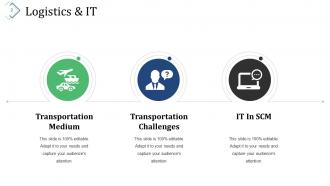
Folie 2 : Diese Folie zeigt Logistik und IT mit diesen drei Faktoren – Transportmedium, Transportherausforderungen, IT im SCM.
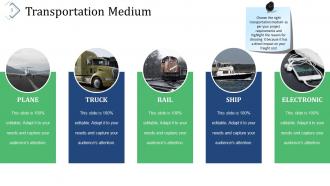
Folie 3 : Diese Folie stellt Transportmedium mit diesen fünf Medien vor – Flugzeug, LKW, Bahn, Schiff, Elektronisch
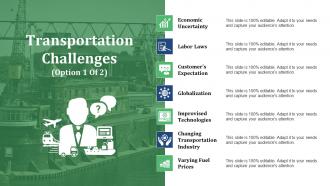
Folie 4 : Diese Folie stellt Transportherausforderungen mit diesen sieben Parametern vor – wirtschaftliche Unsicherheit, Arbeitsgesetze, Kundenerwartungen, Globalisierung, improvisierte Technologien, sich ändernde Transportindustrie, schwankende Kraftstoffpreise.
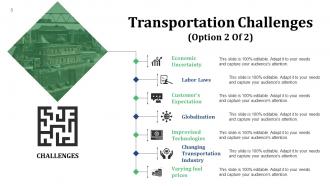
Folie 5 : Diese Folie zeigt Transportherausforderungen mit diesen Faktoren – wirtschaftliche Unsicherheit, Arbeitsgesetze, Kundenerwartungen, Globalisierung, improvisierte Technologien, sich ändernde Transportindustrie, schwankende Kraftstoffpreise.
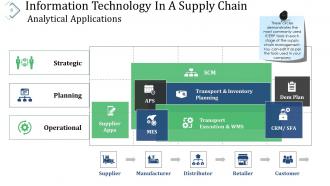
Folie 6 : Diese Folie präsentiert analytische Anwendungen der Informationstechnologie in einer Lieferkette: Strategisch, Planung, Betrieb, Lieferant, Hersteller, Händler, Einzelhändler, Kunde, SCM, Transport- und Bestandsplanung, Dem Plan, APS, Lieferant, Apps, Transportausführung und WMS , CRM/ SFA, MES, Diese Kreise zeigen die am häufigsten verwendeten IT/ERP-Tools in jeder Phase des Supply Chain Managements. Sie können es gemäß den in Ihrem Unternehmen verwendeten Tools bearbeiten
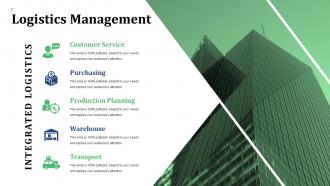
Folie 7 : Diese Folie stellt das Logistikmanagement mit diesen fünf der integrierten Logistik vor – Kundenservice, Einkauf, Produktionsplanung, Lager, Transport.
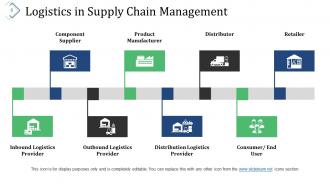
Folie 8 : Diese Folie zeigt die Logistik im Supply Chain Management und zeigt diese der Faktoren – Inbound-Logistikanbieter, Outbound-Logistikanbieter, Distributionslogistikanbieter, Verbraucher/Endbenutzer, Komponentenlieferant, Produkthersteller, Distributor, Einzelhändler.
Folie 9 : Diese Folie ist ein Kaffeepause-Bild für eine Pause.
Folie 10 : Diese Folie geht weiter zu Diagrammen und Grafiken.
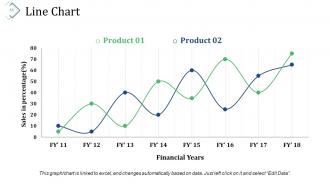
Folie 11 : Diese Folie zeigt ein Liniendiagramm zum Vergleich von zwei Produkten.
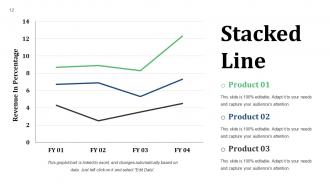
Folie 12 : Diese Folie zeigt ein gestapeltes Liniendiagramm in Prozent und Jahren zum Vergleich von Produkt 01, Produkt 02, Produkt 03 usw.
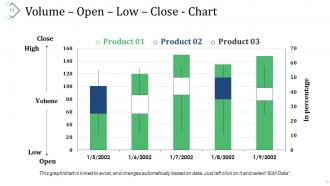
Folie 13 : Diese Folie zeigt a mit Lautstärke als Parameter in Bezug auf Hoch und Tief, Öffnen und Schließen.
Folie 14 : Diese Folie trägt den Titel Zusätzliche Folien.
Folie 15 : Diese Folie hilft, unser Team mit Textfeldern darzustellen.
Folie 16 : Dies ist unsere Missionsfolie mit Bildern und Textfeldern.
Folie 17 : Dies ist eine Über uns-Folie zur Angabe von Firmenspezifikationen usw.
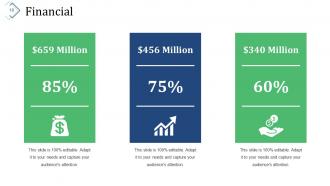
Folie 18 : Diese Folie zeigt die anzuzeigenden Finanzergebnisse.
Folie 19 : Diese Folie zeigt den Vergleich positiver Faktoren vs. negativer Faktoren mit Daumen-hoch- und Daumen-unten-Bildern.
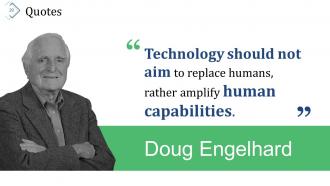
Folie 20 : Dies ist eine Zitate-Folie, um Botschaften, Überzeugungen usw.
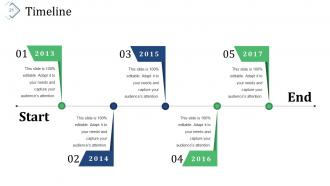
Folie 21 : Dies ist eine Timelines-Folie zum Anzeigen von Plan, Budget, Zeitplan, Überprüfung.
Folie 22 : Diese Folie zeigt eine Mindmap zur Darstellung von Entitäten.
Folie 23 : Dies ist eine Dankeschön-Bildfolie mit Adresse, E-Mail und Kontaktnummer.
Logistikmanagement Powerpoint-Präsentationsfolien mit allen 23 Folien:
Geben Sie mit Ihren Aussagen ein Statement ab. Logistikmanagement Powerpoint-Präsentationsfolien können Ihren Präsentationen helfen, mehr zu sagen.







FAQs for Logistics Management
You'll need transportation management, inventory optimization, warehouse ops, and demand forecasting as your core pieces. Supplier relationships are huge too - don't underestimate that part. Tech integration is honestly make-or-break these days, plus your distribution network design and cost management. Oh, and performance metrics obviously. But here's the thing - it's not about having perfect systems in each area. Getting them to actually work together is what matters. I'd start by mapping your current processes first. Find your biggest bottlenecks because that's where you'll see the biggest wins right away.
Dude, tech can seriously change your whole logistics game. Start with warehouse management systems - they'll track inventory without you lifting a finger. GPS tracking for shipments is obvious but necessary. AI forecasting is actually pretty wild once you see it predict demand patterns you'd never catch yourself. IoT sensors are where things get interesting though - temperature, location, all that stuff monitored 24/7. Here's the thing: don't try to overhaul everything at once or you'll lose your mind. Pick whatever's driving you crazy first and fix that. The data insights you'll get are honestly addictive once you start seeing the patterns.
You basically get real-time tracking of where all your stuff is and how it's moving. Like GPS but for your whole supply chain. Bottlenecks? You'll spot them before they screw you over. Without it, you're honestly just guessing at everything - which suppliers are actually reliable, where to route shipments, how much inventory to keep on hand. The tricky part is finding systems that actually talk to each other. Nobody wants to flip between a million different dashboards just to figure out what's happening. Once you can see the whole picture though, decision-making gets way easier.
Honestly, it's all about balancing cost vs speed and not going broke in the process. Ocean freight is super cheap but you're waiting 2-4 weeks internationally - brutal if you need stuff fast. Air freight gets there in days but costs like 5-10x more (your finance team will hate you). Rail and trucks are somewhere in between for both. The tricky part? Sometimes paying more for faster shipping actually saves money when you factor in warehousing and inventory costs. I learned that the hard way on a project last year. Map out your total costs first - don't just look at the shipping price.
Ugh, where do I even start? Customs rules change like every week, and one tiny missing document can literally strand your stuff for days. Shipping delays are brutal and totally random. Currency swings will mess up your budget constantly - learned that one the hard way. Working across time zones with different business cultures is exhausting, especially when there's language barriers. Oh and tariffs? They shift constantly based on whatever political drama is happening. Honestly, your best bet is finding solid local partners you can actually trust. Always have a backup plan for important shipments too.
Honestly, start with an audit of what you've got sitting around - I bet there's tons of slow-moving stuff just burning cash and space. Look at your sales history to predict what you'll actually need, then group everything by how much money it makes you. That whole 80/20 thing is legit - your best sellers are probably like 20% of your products but most of your revenue. Set up automatic reorder points so you're not scrambling, but don't hoard inventory just because you're scared of running out. For your big movers, maybe try just-in-time delivery? Way less stress than playing the guessing game constantly.
Group your deliveries by area first - that's like logistics 101. Route optimization software will save you tons of time and gas money right off the bat. Real-time routing adjusts for traffic jams and missed deliveries, which honestly happens more than you'd think. Those pickup lockers aren't just trendy - customers actually dig not waiting around at home all day. If you can swing it, micro-fulfillment spots get your stuff way closer to people. Let customers pick delivery windows too. Fewer do-overs that way. Start with the route software though - easiest quick win.
Honestly, sustainability is changing everything in logistics right now. Companies are switching to electric trucks, using rail instead of road transport, and totally rethinking their packaging. Route optimization helps cut emissions too. Customers actually expect this stuff now - it's not just nice to have anymore. You've also got reverse logistics to deal with for returns and recycling. The trick is finding suppliers who actually care about environmental standards (easier said than done). But here's the thing - it saves money long-term, not just costs it. I'd start with a carbon audit to see where you're bleeding the most emissions first.
Honestly, just track four main things: delivery time, order accuracy, inventory turnover, and transportation costs. Customer satisfaction scores matter too - if people are happy, you're probably doing okay. Don't go crazy measuring everything though, you'll just get overwhelmed with numbers. I learned this the hard way when I first started tracking stuff. Keep it simple with these basics, measure them regularly, then add more later if you need to dig into specific issues. Way better than drowning in spreadsheets from day one.
Honestly, getting your logistics right is huge for keeping customers happy. Fast delivery and good communication are game-changers - people get so annoyed when their stuff just disappears into the shipping void. If you can nail accurate orders, reasonable shipping costs, and actually tell people what's happening with their package, they'll trust you way more. I swear everyone expects free shipping now too, so efficient operations help you offer that without losing money. Focus on speed and keeping customers in the loop first. Those two things will make the biggest difference in your satisfaction scores.
Ugh, trade regulations are such a pain but they totally control how fast you can move stuff internationally. Customs paperwork, tariffs, banned items - every country has different rules and it's honestly exhausting to track. Your whole supply chain gets affected too. Like, if new tariffs hit, you might need different suppliers or shipping routes entirely. Costs and timing go crazy. I'd definitely get a good customs broker or join some trade groups - they'll give you heads up when regulations change. Way better than finding out the hard way when your shipment gets stuck somewhere.
Look, your warehouse setup pretty much controls your whole supply chain. Smart inventory placement and good picking processes? You'll slash fulfillment times and save on shipping costs. But mess up the layout and you're dealing with delays that hit customers plus crazy labor expenses. Warehouse location is tricky too - being close to customers gets you faster delivery, but rent costs way more. There's always some trade-off you're making. Honestly, I'd start by figuring out where things are getting stuck in your current setup, then work backwards from there to fix the layout.
Honestly, the biggest stuff to watch is AI automation and sustainability - customers really care about eco-friendly shipping now. Machine learning for demand prediction is getting pretty solid. Real-time visibility platforms are huge too, way more important than people think. Blockchain's being hyped for transparency but idk, feels like overkill half the time. Since COVID, last-mile delivery went crazy - drones, autonomous vehicles, all that. Oh and route optimization is saving companies tons. Start with visibility tools first, then automate your boring repetitive stuff. Don't try to do everything at once though.
So data analytics stops you from just guessing what'll happen with your supply chain. You can actually see demand patterns coming and fix route problems before they cost you money. Honestly, catching bottlenecks early is huge - saves so much headache later. It helps predict when you'll need more inventory too, which is pretty sweet. I'd start with route optimization since that shows results fast, then maybe move into forecasting? You'll probably find weird inefficiencies you didn't even know existed. Way better than flying blind.
Build risk assessment right into your planning from the start. Map out where things could go wrong - supplier issues, weather, capacity problems, all that stuff. Then make backup plans for each scenario. Honestly, I've learned the hard way that you need buffers and multiple options built in everywhere. Short sentences work. But you also want longer planning cycles that give you room to breathe when stuff inevitably hits the fan. Don't wait until you're in crisis mode to think about this. Schedule regular check-ins to review risks and update your contingency plans so they're actually useful.
-
Best way of representation of the topic.
-
It saves your time and decrease your efforts in half.