


Análise de Mercado para Apresentação de Slides de Novo Produto





Try Before you Buy Download Free Sample Product
 Impress Your
 Audience
 100%
100% Editable
 Save Hours
 of Time


Você está desenvolvendo um novo produto para sua marca? Então você deve estar procurando um design excepcional de PPT para preparar uma apresentação bem-sucedida sobre a pesquisa sendo realizada em novos produtos. Você precisa usar nossa análise de mercado para slides de apresentação em PowerPoint de novos produtos, o que ajudará a definir o cenário de mercado para seu novo produto. Use este modelo profissional de PowerPoint para explicar os vários fatores que afetam o desenvolvimento de novos produtos e os vários fatores que ajudam seu produto a se estabelecer com sucesso no mercado. Você pode usar este slide de apresentação para planejar o ciclo de vida do seu novo produto e mais, o que ajuda sua gerência a dar uma olhada no estágio de desenvolvimento do produto também. Então, comece agora clicando no link de download abaixo e comece a preparar uma imagem eficaz do PowerPoint. Precisa de uma apresentação estelar? Nossas Slides de Apresentação em PowerPoint de Análise de Mercado para Novos Produtos são de outro mundo.
People who downloaded this PowerPoint presentation also viewed the following :
Conteúdo desta apresentação em PowerPoint
Slide 1: Este slide apresenta a Análise de Mercado Para Novo Produto. Declare o Nome da Sua Empresa e comece.
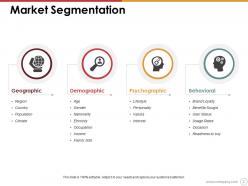
Slide 2: Este slide mostra a Segmentação de Mercado dividida em - Geográfica: Região, País, População, Clima. Demográfica: Idade, Gênero, Nacionalidade, Etnia, Ocupação, Renda, Tamanho da Família. Psicográfica: Estilo de Vida, Personalidade, Valores, Interesses. Comportamental: Fidelidade à Marca, Benefícios Procurados, Status de Usuário, Taxas de Uso, Ocasião, Prontidão para Comprar.
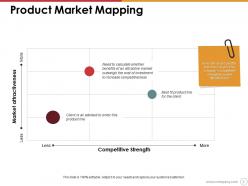
Slide 3: Este slide mostra o Mapeamento de Mercado de Produtos em termos de - Menos, Mais, Atratividade de Mercado, Força Competitiva.
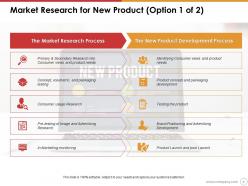
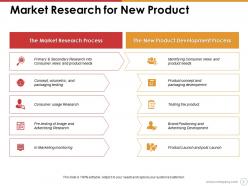
Slide 4: Este slide apresenta a Pesquisa de Mercado para Novo Produto segregada como - O Processo de Pesquisa de Mercado: (Pesquisa Primária e Secundária sobre opiniões e necessidades do consumidor. Teste de conceito, volumétrico e de embalagem, Pesquisa de Uso do Consumidor, Pré-teste de Imagem e Pesquisa de Publicidade, Monitoramento de Marketing). O Processo de Desenvolvimento de Novos Produtos: (Identificação de opiniões e necessidades do consumidor e do produto, Teste do produto, Lançamento e pós-lançamento do produto, Posicionamento de Marca e Desenvolvimento de Publicidade, Desenvolvimento de conceito e embalagem do produto).
Slide 5: Este slide também apresenta a Pesquisa de Mercado para Novo Produto dividida em O Processo de Pesquisa de Mercado e O Processo de Desenvolvimento de Novos Produtos.
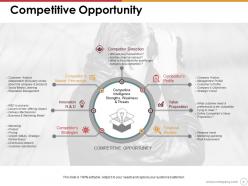
Slide 6: Este slide apresenta Oportunidade Competitiva com os seguintes constituintes - Revisão Financeira, Proposta de Valor, Perfil do Concorrente, Detecção de Concorrentes, Percepção de Mercado do Concorrente, Inovação e P&D, Estratégias do Concorrente.
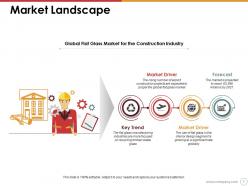
Slide 7: Este slide apresenta o Panorama de Mercado com - Tendência Chave, Direcionador de Mercado, Direcionador de Mercado, Previsão.
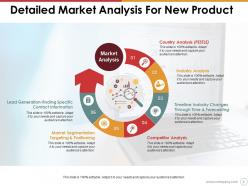
Slide 8: Este slide apresenta uma Análise de Mercado Detalhada Para Novo Produto consistindo em - Análise de País (PESTLE), Análise da Indústria, Linha do Tempo: Mudanças na Indústria Através do Tempo e Previsão, Análise de Concorrentes, Segmentação de Mercado, Direcionamento e Posicionamento, Geração de Leads - encontrando Informações de Contato Específicas.
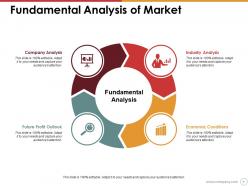
Slide 9: Este slide apresenta a Análise Fundamental do Mercado consistindo em - Análise da Indústria, Condições Econômicas, Perspectiva de Lucro Futuro, Análise da Empresa.
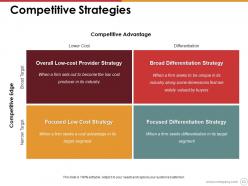
Slide 10: Este slide mostra as Estratégias Competitivas a serem implementadas categorizadas como - Estratégia de Diferenciação Ampla, Estratégia de Diferenciação Focada, Estratégia de Baixo Custo Focada Alvo Estreito, Alvo Amplo, Baixo Custo, Diferenciação e Estratégia Geral de Baixo Custo em termos de Vantagem Competitiva e Vantagem Competitiva.
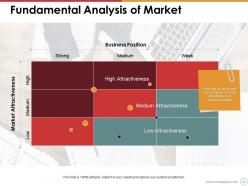
Slide 11: Este slide apresenta a Análise Fundamental do Mercado em termos de Posição de Negócios e Atratividade de Mercado.
Slide 12: Este slide mostra Ícones de Análise de Mercado para Novo Produto. Use-os conforme necessário.
Slide 13: Este é um slide de intervalo para Hora do Café para pausar. Você pode alterar o conteúdo do slide conforme necessário.
Slide 14: Este slide é intitulado Gráficos e Gráficos para avançar.
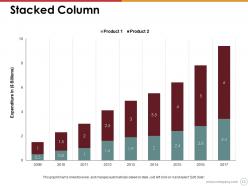
Slide 15: Este é um slide de Coluna Empilhada para mostrar comparação de produto/entidade, etc.
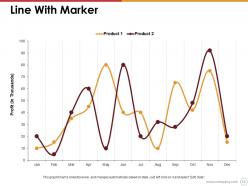
Slide 16: Este é um slide de Linha com Marcador para mostrar comparação de produto/entidade, etc.
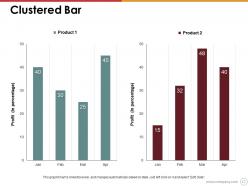
Slide 17: Este é um slide de Barra Agrupada para mostrar comparação de produto/entidade, etc.
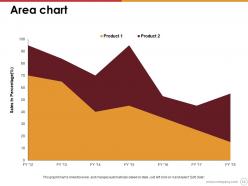
Slide 18: Este é um slide de Gráfico de Área para mostrar comparação de produto/entidade, etc.
Slide 19: Este slide é intitulado Slides Adicionais para avançar.
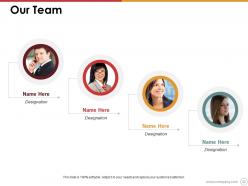
Slide 20: Este é um slide Nossa Equipe com nomes, designação e caixas de imagem. Declare-os aqui com elegância.
Slide 21: Este é um slide Sobre Nós para declarar especificações da empresa/equipe.
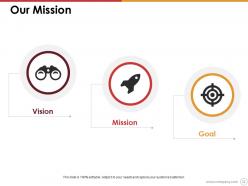
Slide 22: Este é um slide Nossa Missão mostrando Missão, Objetivo, Visão. Declare-os aqui.
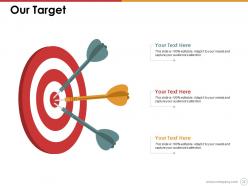
Slide 23: Este é um slide Nosso Alvo. Declare metas, objetivos aqui.
Slide 24: Este é um slide de Obrigado com Endereço# número da rua, cidade, estado, Endereço de E-mail, Números de Contato.
Análise de Mercado para Apresentação de Slides de Novo Produto Slide 1: Introdução Slide 2: Visão Geral do Produto Slide 3: Análise do Mercado-Alvo Slide 4: Segmentação do Mercado Slide 5: Perfil do Consumidor Slide 6: Tendências do Mercado Slide 7: Análise da Concorrência Slide 8: Vantagens Competitivas Slide 9: Estratégia de Posicionamento Slide 10: Plano de Marketing Slide 11: Estratégia de Preço Slide 12: Estratégia de Distribuição Slide 13: Estratégia de Promoção Slide 14: Orçamento de Marketing Slide 15: Projeções de Vendas Slide 16: Análise Financeira Slide 17: Ponto de Equilíbrio Slide 18: Retorno sobre o Investimento Slide 19: Análise de Risco Slide 20: Plano de Implementação Slide 21: Cronograma Slide 22: Recursos Necessários Slide 23: Equipe do Projeto Slide 24: Conclusão
Inspire pessoas a funcionar de forma coesa com nossos Slides de Apresentação de Powerpoint de Análise de Mercado para Novo Produto. Incentive-os a unirem forças.





FAQs for Market Analysis For New Product
Honestly, I'd focus on price movements and volume first - volume tells you if people actually care about what's happening or if it's just random noise. RSI and MACD are solid for momentum too. Moving averages help cut through the daily chaos to see the real direction. Support and resistance levels matter because traders get weirdly psychological about certain price points. I mean, you could go crazy with indicators, but mixing 3-4 usually works better than putting all your eggs in one basket. These basics will give you a decent sense of what's actually going on versus what looks flashy on the surface.
So demographic data shows you who's actually buying your stuff and what trends are coming. Age, income, education, location - all that helps predict where demand's heading. Like how boomers aging out is huge for healthcare tech right now. Millennials vs Gen Z spend totally differently too, which matters if you're in retail. Honestly, most companies sleep on this until it's too late. Grab census data for your markets first, then see how it matches up with your current customers. You'll probably spot some gaps you didn't even know existed.
Honestly, competitor analysis is like having a cheat sheet for your business decisions. Track what 3-5 main competitors are doing - their pricing, messaging, how customers actually respond to them. You'll spot market gaps they're missing and avoid their dumb mistakes. The best part? Finding where you can position yourself differently. I always get a little too into stalking competitor websites tbh, but their customer reviews tell you everything about what people actually want. Don't just copy what works - figure out what they're doing wrong and do it better.
Honestly, just start with the free stuff first - Google Analytics and whatever social media insights you can get. Those'll give you decent audience data without spending anything. Typeform or SurveyMonkey are solid for surveys, though sometimes I think people overthink this and forget you can literally just ask customers what they want. If you've got budget later, SEMrush and Ahrefs are pretty good for checking out competitors. Oh, and actual interviews with people - super time-consuming but you'll learn stuff you'd never get from data alone. Build up from free tools, then get fancy once you know what you actually need.
Dude, consumer behavior insights are a game changer - they turn guesswork into actual strategy. You're not just seeing what people bought, but *why* they bought it and what made them hit purchase. Think of it as reading your customers' minds, which honestly sounds creepy but is incredibly useful. This stuff helps you catch trends before your competition does and spot demand shifts early. You can even find market segments you totally missed with regular data. Start tracking buying patterns with demographic info - that's where you build those detailed customer profiles that actually matter.
Honestly, I'd start with demographic stuff - age, income, the basics. Gets you a foundation to work with. Then layer on behavioral data because that's pure gold - shows what people actually buy, not just what they claim they'll do. Psychographic is where it gets fun though, diving into values and lifestyle choices. Geographic works if location matters for your business, obviously. You can mix and match these however makes sense. Behavioral is probably my favorite since it's based on real actions, but combining a few different approaches usually gives you the clearest picture of who you're actually dealing with.
Regulations totally change how entire markets work - they force companies to switch strategies, change prices, or just bail completely. GDPR was insane for this, it made every tech company rethink their whole data game. Healthcare and finance get hit constantly with new rules. What's smart is watching for upcoming changes early, because companies that adapt fast usually get ahead while everyone else is still figuring things out. I always try to guess what's coming next when I'm looking at different markets - saves you from getting blindsided later.
AI and machine learning are everywhere now. Companies are using predictive analytics to catch stuff humans would totally miss. Real-time processing is getting big too - helps when you need to switch directions fast. Sentiment analysis from social media is kind of having a moment, which honestly makes sense since that's where everyone's talking anyway. Satellite imagery and web scraping aren't just for the fancy fintech companies anymore. The automation side is pretty cool - less grunt work, more actual strategy. You should probably see what your competitors are doing though, this whole space changes like every month.
Market analysis is basically your roadmap for knowing what to build and when. Track emerging customer needs and spot the gaps your competitors are totally missing. It's way better than just guessing - you're using actual data instead of throwing random features at users and hoping something works. Honestly, the companies that skip this step always regret it later. Bake the research right into your sprint planning so you're always building stuff people actually want. User feedback and market trends will guide you better than gut instincts every time.
Oh man, the worst mistake? Using stale data like it's gospel truth. I see this all the time - people assume their current customers are the whole market, which is so wrong. Plus we all love research that confirms what we already think, right? Fight that urge. Look beyond your existing base and direct competitors too. Sometimes your biggest threat comes from left field - like how Netflix killed Blockbuster. Set up quarterly reality checks instead of those massive annual reports. Trust me, fresh contradicting data is way more valuable than stuff that makes you feel good about your assumptions.
So basically you need both types of data to actually understand what's going on. Like, your survey might show 60% of customers hate something (that's your numbers), but then you do interviews and find out it's your checkout process, not pricing. Which is honestly way more actionable. Numbers are great for spotting trends and measuring stuff. But throw in some focus groups or customer chats to figure out the *why* behind those patterns. That's where the real insights live. I'd probably start with whatever type you're missing most - like if you're drowning in surveys, go talk to people directly.
SWOT is honestly just a fancy way to get real about your business situation. You're looking at what you're good at, what sucks, plus outside stuff that could help or hurt you. The cool part? Sometimes what feels like a weakness is actually a chance to grow - like maybe you think having zero rural customers is bad, but it's really just an untapped market waiting for you. Do this with your team every few months since things change crazy fast. Oh, and don't go easy on the weaknesses part - that's where the gold is.
Oh man, international analysis is a total headache compared to domestic stuff. Currency swings alone will mess with your projections constantly. Then you've got different regulations in every country, plus cultural differences that completely change buying patterns. The data quality? Usually terrible - good luck finding reliable sources in some markets lol. Political risks and trade policies add another layer of chaos. Oh and local competitors might play by totally different rules than what you're used to. Honestly, just focus on 2-3 markets first instead of going worldwide right away. You'll save yourself a lot of frustration.
Honestly, the main things are getting proper consent and protecting people's privacy. Don't be shady about data collection - tell people upfront what you're doing with their info. Anonymize everything personal and let folks opt out if they want. Cherry-picking results is such BS, even when you're tempted because the data isn't cooperating. Also don't mess with vulnerable groups or use sketchy manipulation tactics. I always think about whether I'd be cool with someone doing the same research methods on me. That usually keeps you on the right track, you know?
Honestly, social media analytics are a goldmine if you're not using them already. Check your platform's built-in stats first - they'll show you demographics, what posts actually work, and how people talk about your stuff. Way cheaper than traditional surveys, and you get results instantly instead of waiting forever. I'd start monitoring hashtags in your space and see what language people really use. Hootsuite's decent for deeper dives if you want to get fancy with it. The real-time sentiment tracking is pretty clutch for spotting trends before everyone else jumps on them.
-
Perfect template with attractive color combination.
-
Nice and innovative design.