


New product management powerpoint presentation slides
With our 78 slides content-ready New Product Management Powerpoint Presentation Slides deck, you can easily construct your PPT presentation for product management. This will save you time and money as it takes huge effort and time in planning a professional presentation from scratch. You can take advantage of New Product Management presentation deck example to showcase various topics such as new product introduction, product detailed overview, product idea screening, understanding customer needs, internal sources of new product ideas, product roadmap, product analysis, Porter’s five forces model, introduction and growth stage, and many more. Apart from this, BCG matrix, Ansoff matrix, empathy map, kano map, geographic and demographic segmentation are also included in this professional PPT sample file. Here we have widely covered each aspect of product management. This New Product Development Presentation templates can also has one off designs like product market mapping, digital marketing plan, budgeting plan, branding & repositioning, feasibility review etc. Just download this New Product Management PPT Presentation Slides to easily go through the tough task of planning everything on your own. Extol the benefits of being gentle with our New Product Management Powerpoint Presentation Slides. They help discourage harsh behavior.















































You must be logged in to download this presentation.


Do you want to remove this product from your favourites?
 Impress your
 audience
 100%
100% Editable
 Save Hours
 of Time
PowerPoint presentation slides
Presenting New Product Management PowerPoint Presentation Slides. Set of 78 PowerPoint Slides and professional layouts. When you download the PPT, you get the deck in both widescreen (16:9) and standard (4:3) aspect ratio. This ready-to-use PPT comprises visually stunning PowerPoint templates, vector icons, images, and business diagrams. The PowerPoint presentation is 100% editable. Customize the presentation background, font, and colors as per your company’s branding. The slide templates are compatible with Google slides, PDF and JPG formats.

People who downloaded this PowerPoint presentation also viewed the following :
Content of this Powerpoint Presentation
Slide 1: This slide introduces New Product Management. State Your Company Name and begin.
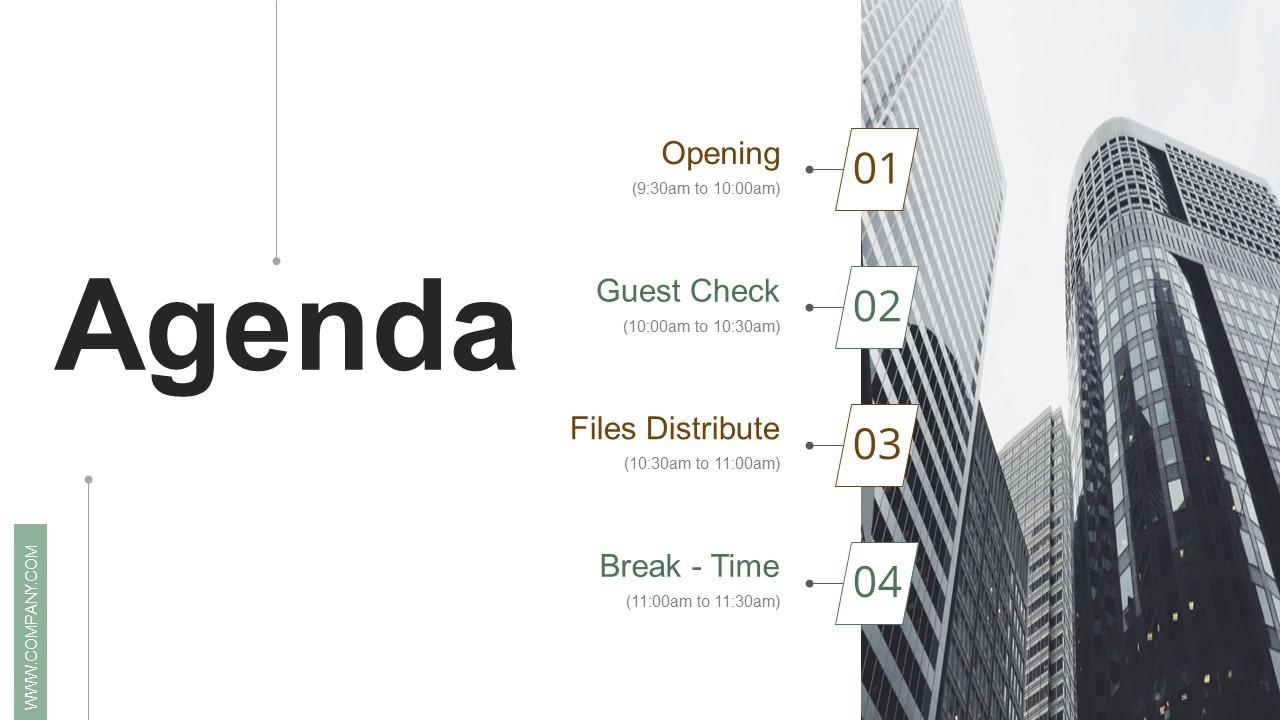
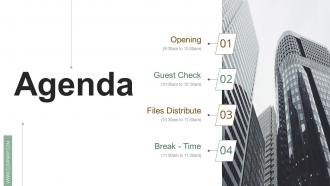
Slide 2: This is an Agenda slide. Present your agendas here.
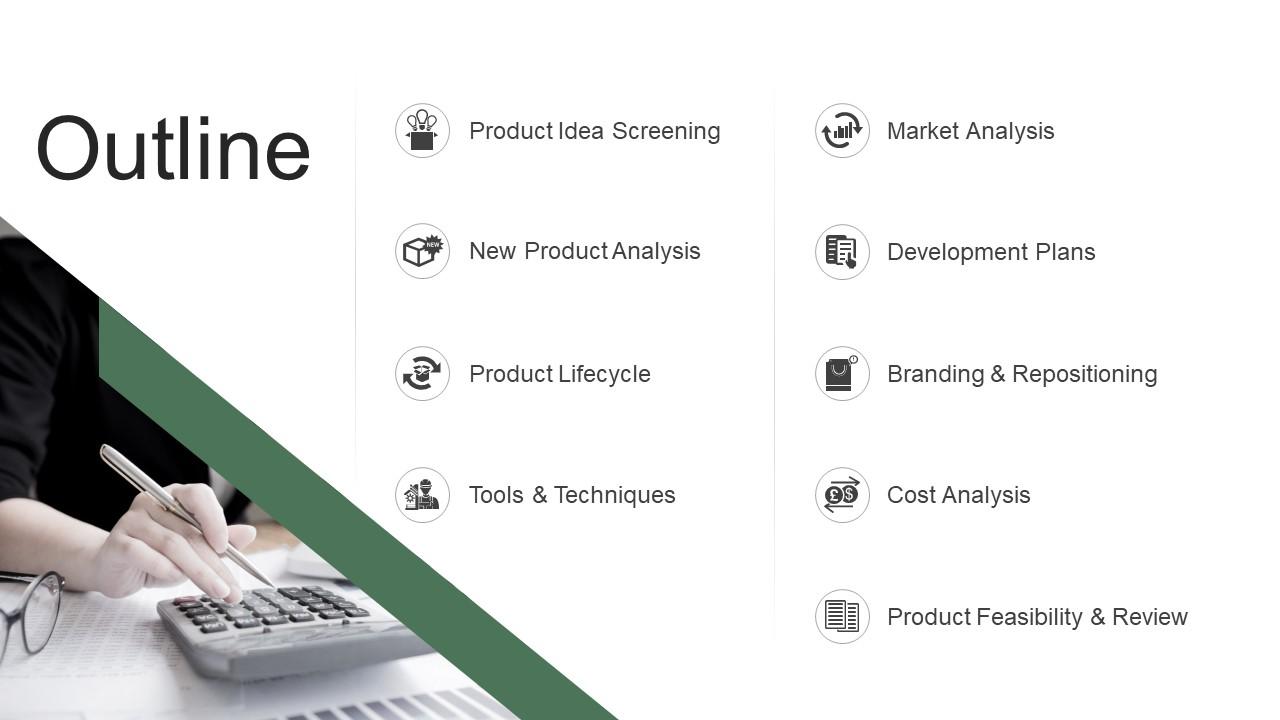
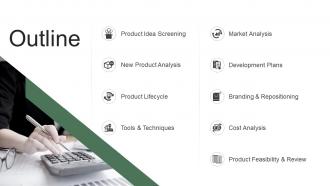
Slide 3: This slide presents the Outline containing- Product Idea Screening, Tools & Techniques, New Product Analysis, Product Lifecycle, Branding & Repositioning, Market Analysis, Cost Analysis, Development Plans, Product Feasibility & Review.
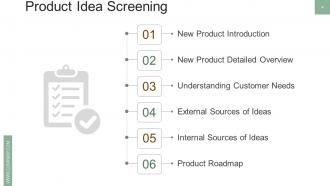
Slide 4: This slide presents Product Idea Screening with- New Product Introduction, New Product Detailed Overview, External Sources of Ideas, Internal Sources of Ideas, Understanding Customer Needs, Product Roadmap.
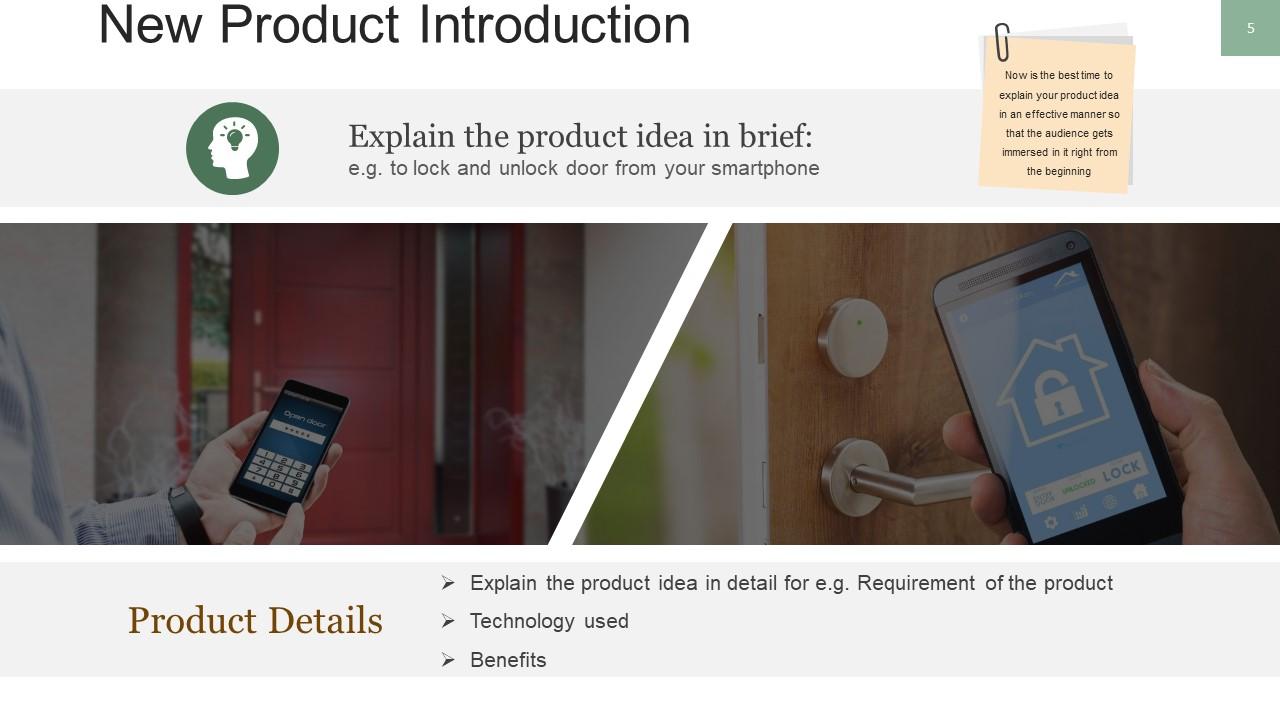
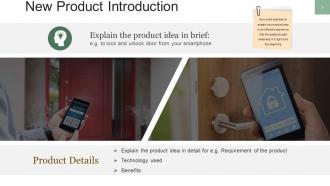
Slide 5: This slide shows New Product Introduction with- Technology used, Benefits, Product Details.
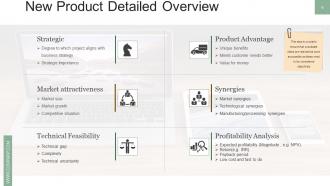
Slide 6: This slide presents New Product Detailed Overview. This step is crucial to ensure that unsuitable ideas are rejected as soon as possible as Ideas need to be considered objectively.
Slide 7: This slide presents Understanding Customer Needs.
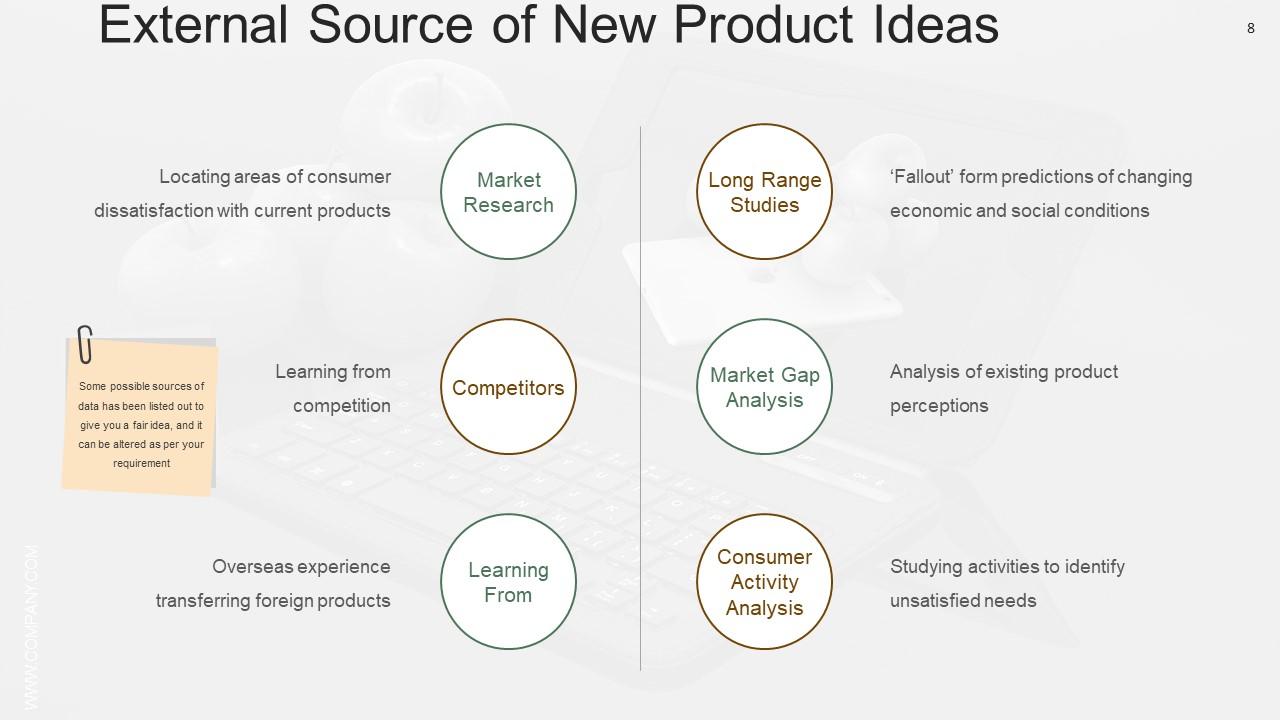
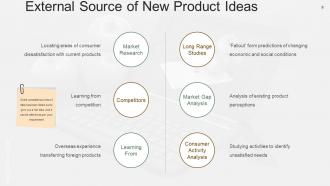
Slide 8: This slide showcases External Source of New Product Ideas such as- Consumer Activity Analysis, Market Gap Analysis Competitors, Long Range Studies, Learning From, Market Research.
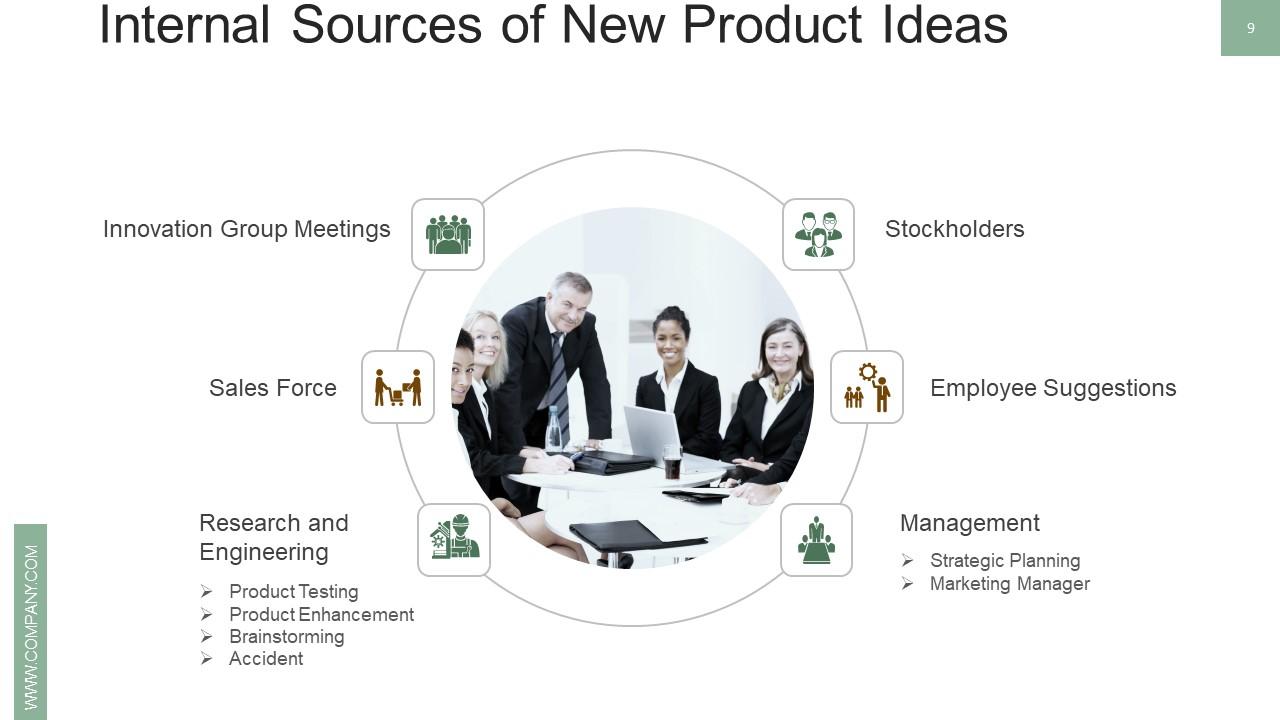
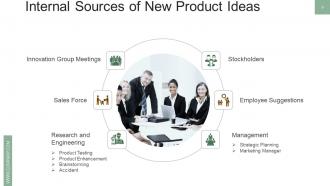
Slide 9: This slide shows Internal Sources of New Product Ideas with the following subheadings- Sales Force, Innovation Group Meetings, Stockholders, Employee Suggestions, Research and Engineering: Product Testing, Product Enhancement, Brainstorming, Management: Strategic Planning, Marketing Manager.
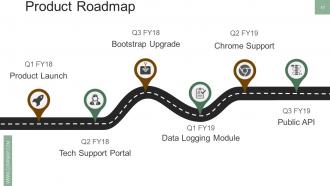
Slide 10: This slide presents a Product Roadmap showing- Product Launch, Tech Support Portal, Bootstrap Upgrade, Data Logging Module, Chrome Support, Public API.
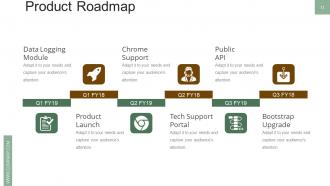
Slide 11: Product Roadmap 11 WWW.COMPANY.COM Q1 FY18 Q2 FY18 Q3 FY18 Q1 FY19 Q2 FY19 Q3 FY19 Product Launch Adapt it to your needs and capture your audience's attention. Tech Support Portal Adapt it to your needs and capture your audience's attention. Bootstrap Upgrade Adapt it to your needs and capture your audience's attention. Chrome Support Adapt it to your needs and capture your audience's attention. Data Logging Module Adapt it to your needs and capture your audience's attention. Public API Adapt it to your needs and capture your audience's attention.
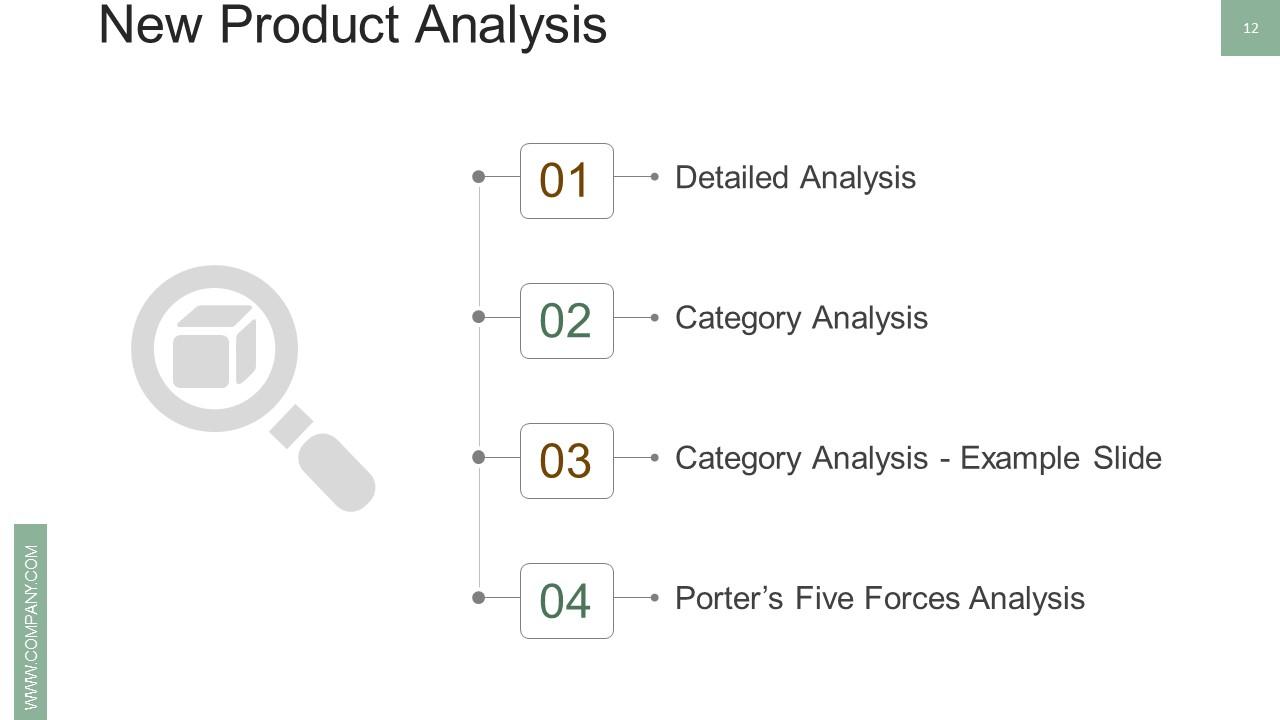
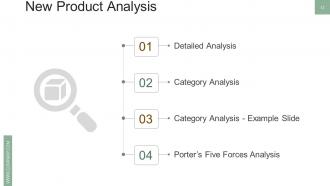
Slide 12: This slide shows New Product Analysis categorized as- Detailed Analysis, Category Analysis, Porter’s Five Forces Analysis, Category Analysis - Example Slide.
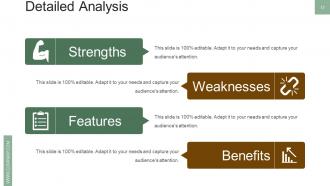
Slide 13: This slide showcases a Detailed Analysis displaying- Strengths, Weakness, Features, Benefits.
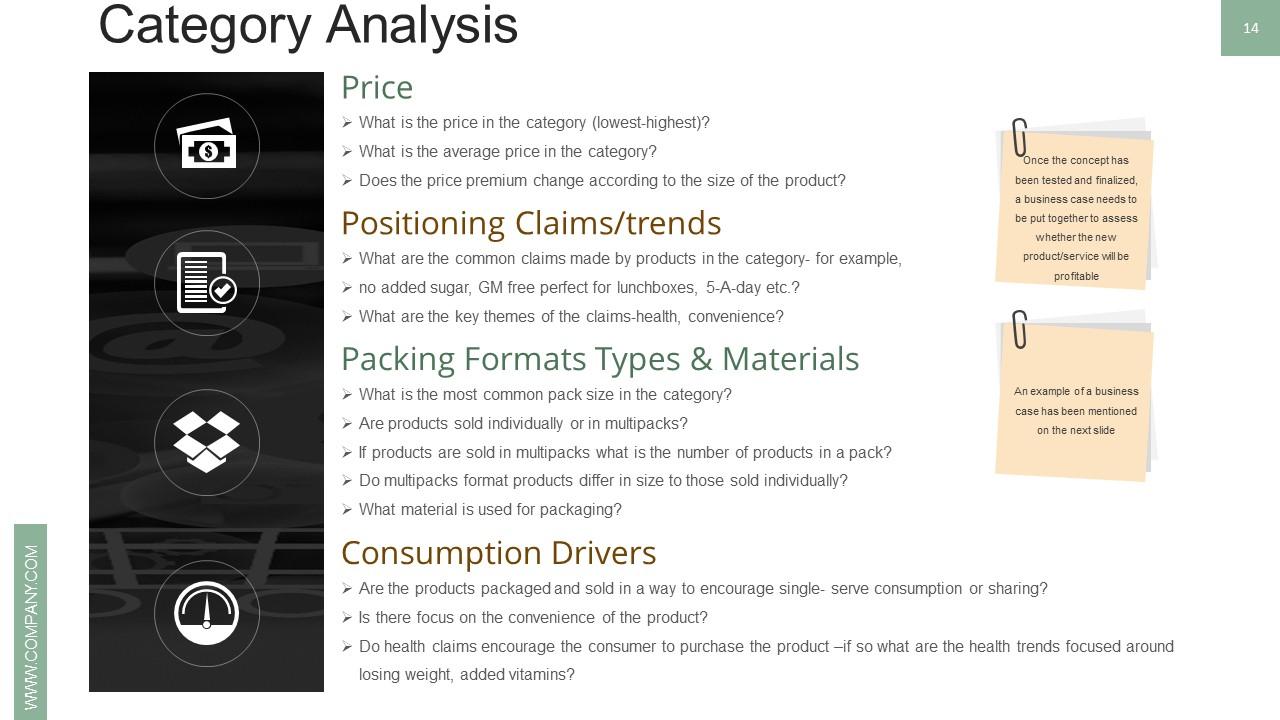
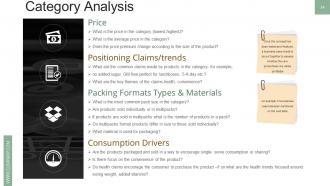
Slide 14: This slide shows Category Analysis with the following subheadings- Packing formats types & materials: What is the most common pack size in the category? Are products sold individually or in multipacks? If products are sold in multipacks what is the number of products in a pack? Do multipacks format products differ in size to those sold individually? What material is used for packaging. Consumption Drivers: Are the products packaged and sold in a way to encourage single- serve consumption or sharing? Is there focus on the convenience of the product? Do health claims encourage the consumer to purchase the product –if so what are the health trends focused around losing weight, added vitamins? Price: What is the price in the category (lowest-highest)? What is the average price in the category? Does the price premium change according to the size of the product? Positioning Claims/trends: What are the common claims made by products in the category- for example, no added sugar, GM free perfect for lunchboxes, 5-A-day etc.? What are the key themes of the claims-health, convenience? Once the concept has been tested and finalized, a business case needs to be put together to assess whether the new product/service will be profitable.
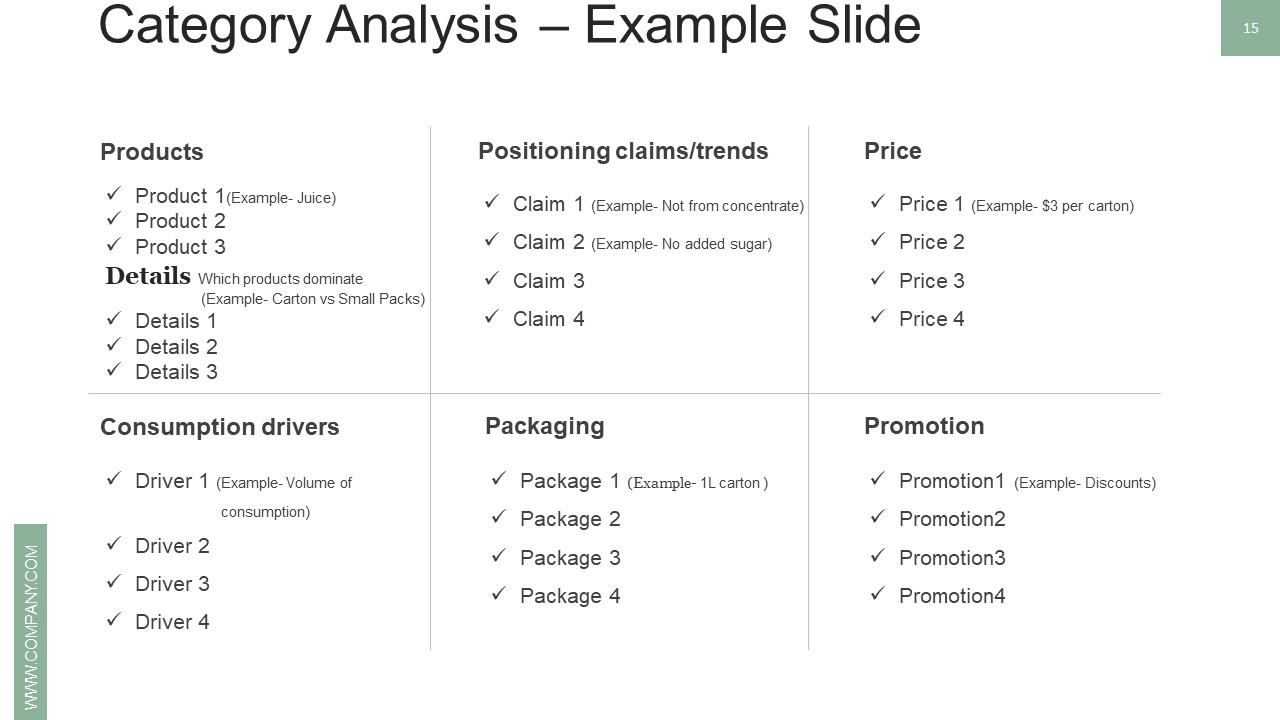
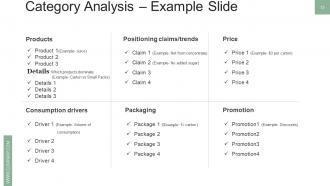
Slide 15: This slide shows Category Analysis- Example Slide with the following subheadings- Products, Details, Positioning claims/trends, Claim, Price, Consumption drivers, Packaging, Promotion.
Slide 16: This slide presents Porter’s Five Forces Model displaying- Bargaining Power of suppliers, Bargaining Power of Buyer, Barriers to Entry, Substitutes as Intensity of Rivalry. Its a framework for analyzing the level of competition within an industry and business strategy development to derive five forces that determine the competitive intensity and therefore the attractiveness of an industry
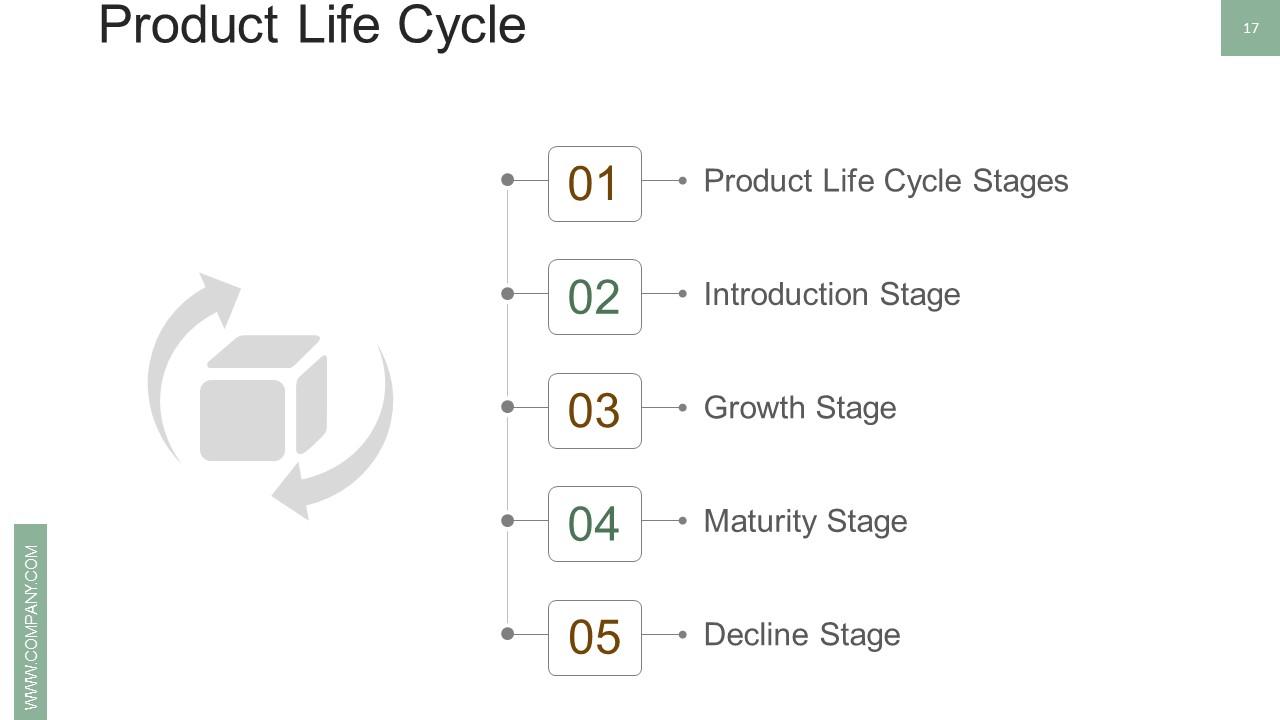
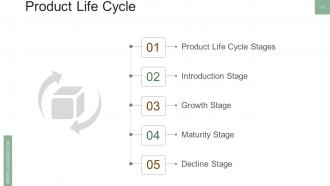
Slide 17: This slide showcases Product Life Cycle displaying- Repositioning a Product, Introduction Stage, Maturity Stage, Decline Stage, Growth Stage.
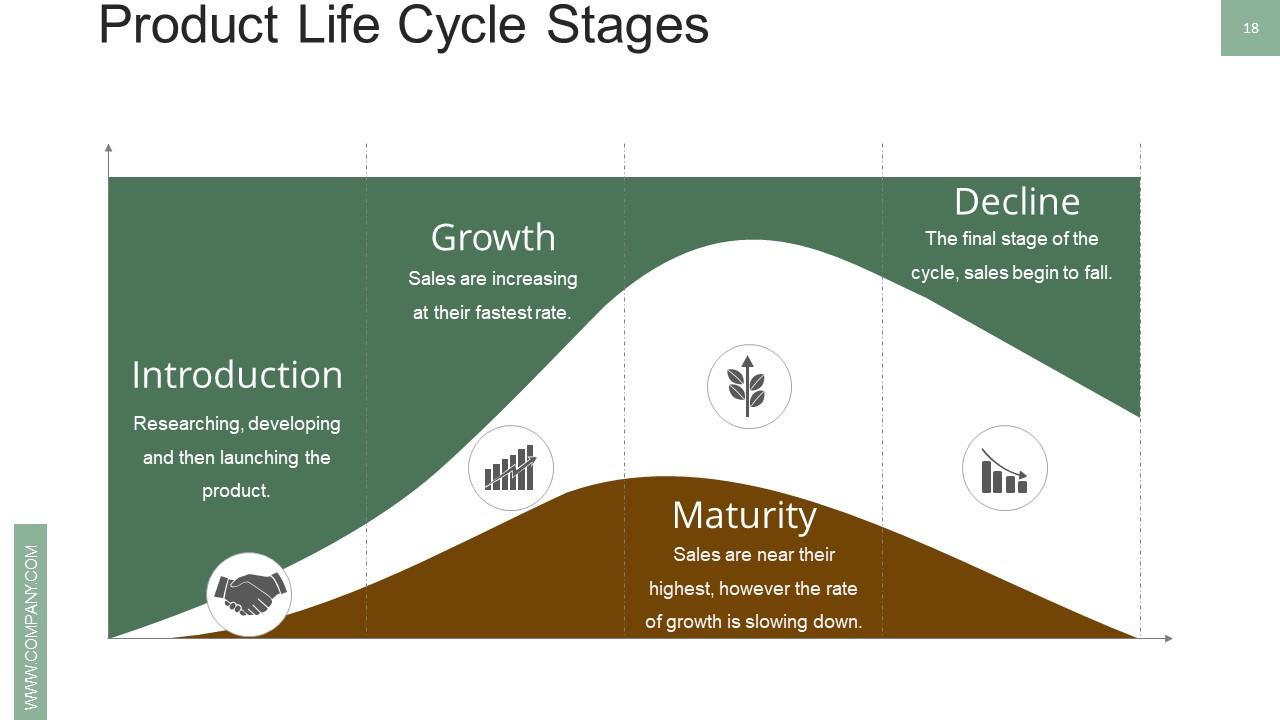
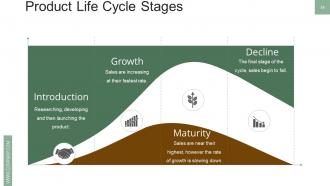
Slide 18: This slide presents Product Life Cycle Stages crest graph showing- Introduction, Growth, Maturity, Decline.
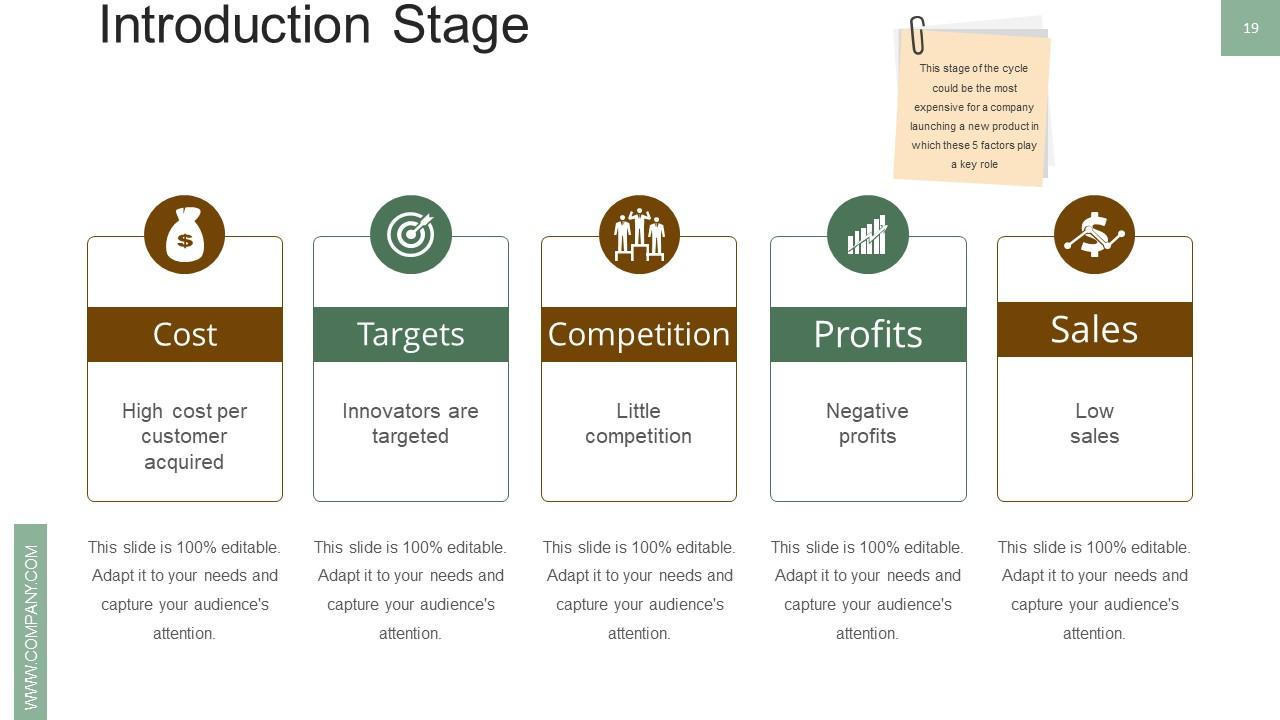
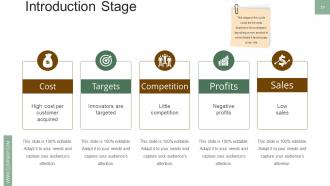
Slide 19: This slide shows the Introduction Stage with the following subheadings- Cost: High cost per customer acquired Targets: Innovators are targeted Competition: Little competition Profits: Negative profits Sales: Low sales This stage of the cycle could be the most expensive for a company launching a new product in which these 5 factors play a key role.
Slide 20: This slide shows the Growth Stage consisting of- Pricing, Distribution Channels, Product Quality, Promotions. The growth stage is typically characterized by a strong growth in sales and profits, and because the company can start to benefit from economies of scale in production, profit margins will increase.
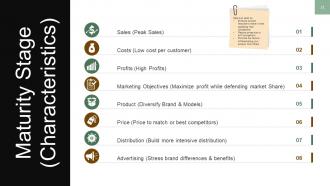
Slide 21: This slide shows Maturity Stage with- Enhance product features to make it more appealing than competitors, Reduce prices due to stiff competition, Promote the factors differentiating your product from others.
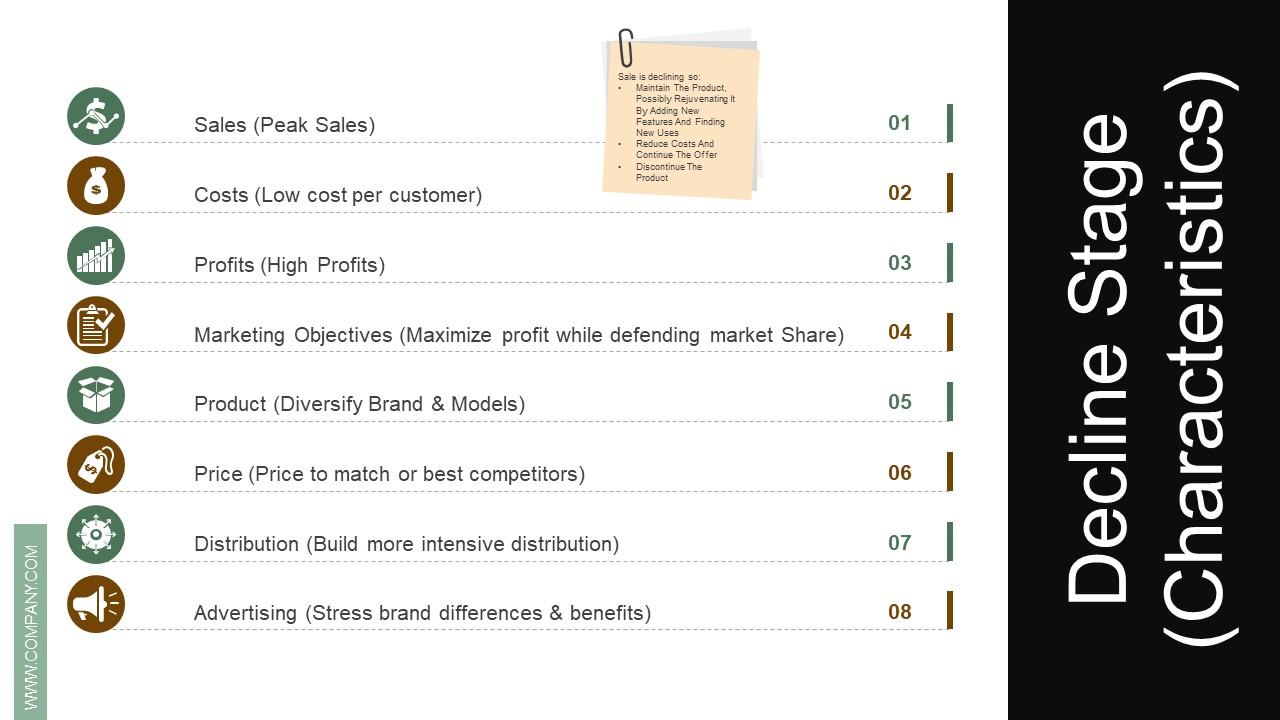
Slide 22: This slide presents the Decline Stage comprising of- Maintain The Product, Possibly Rejuvenating It By Adding New Features And Finding New Uses, Reduce Costs And Continue The Offer, Discontinue The Product.
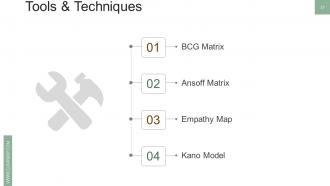
Slide 23: This slide presents the Tools and Techniques- Listed ones are- BCG Matrix, Ansoff Matrix, Kano Model, Empathy Map.
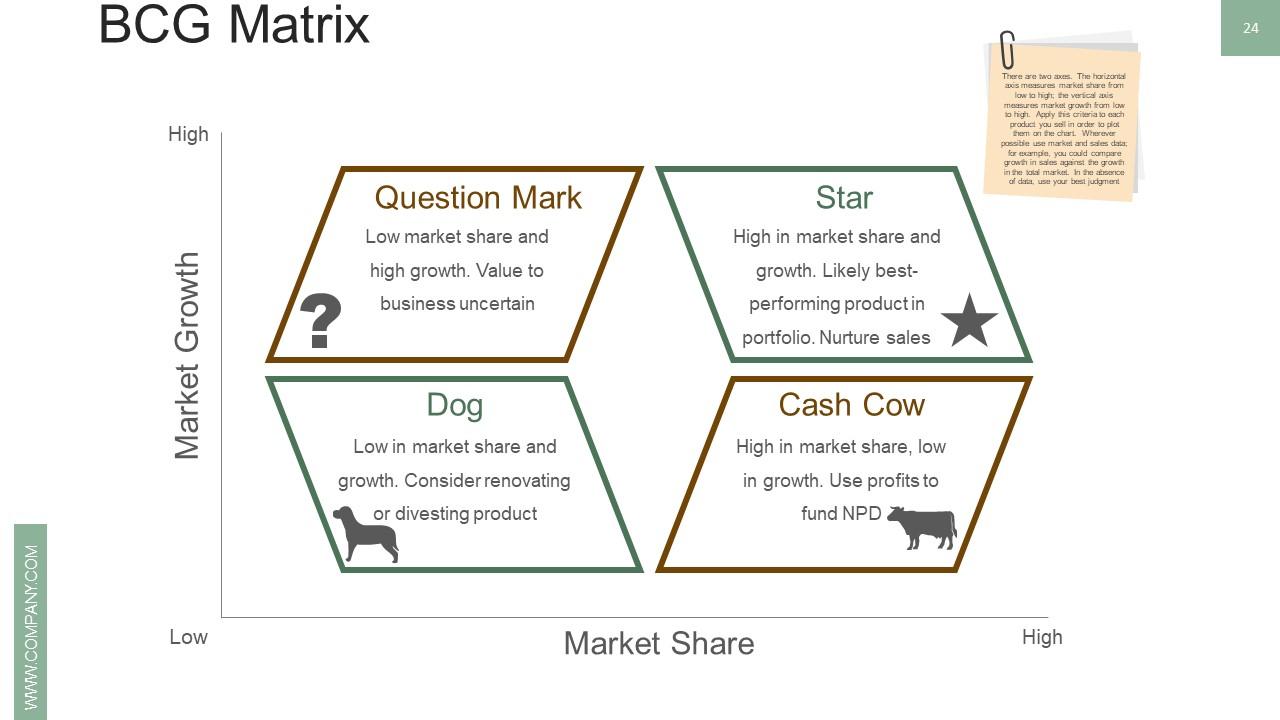
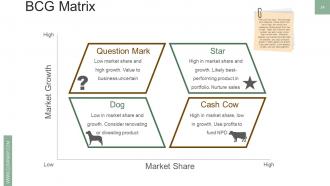
Slide 24: This slide shows a BCG Matrix in terms of- Market Share and Market Growth. There are two axes. The horizontal axis measures market share from low to high; the vertical axis measures market growth from low to high. Apply this criteria to each product you sell in order to plot them on the chart. Wherever possible use market and sales data; for example, you could compare growth in sales against the growth in the total market. In the absence of data, use your best judgment
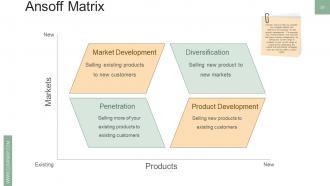
Slide 25: This slide shows an Ansoff Matrix showing- Market Development: Selling existing products to new customers, Penetration: Selling more of your existing products to existing customers, Diversification: Selling new product to new markets, Product Development: Selling new products to existing customers. Use the matrix to help you consider your strategic options and determine the necessity for new product development. For example, your market analysis may conclude that there is plenty of opportunity for selling your current range of products to your current range of customers by penetrating the market with promotional strategies, such as multi-buy offers, to build loyalty
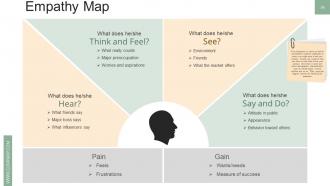
Slide 26: This slide shows an Empathy Map.
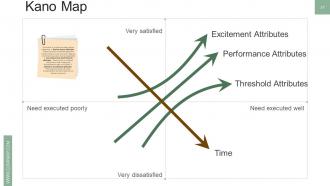
Slide 27: This slide showcases a Kano Map.
Slide 28: This slide presents Market Analysis with the following points- Market Segmentation, Product Market Mapping, Market Attractiveness, Competitive Strategies.
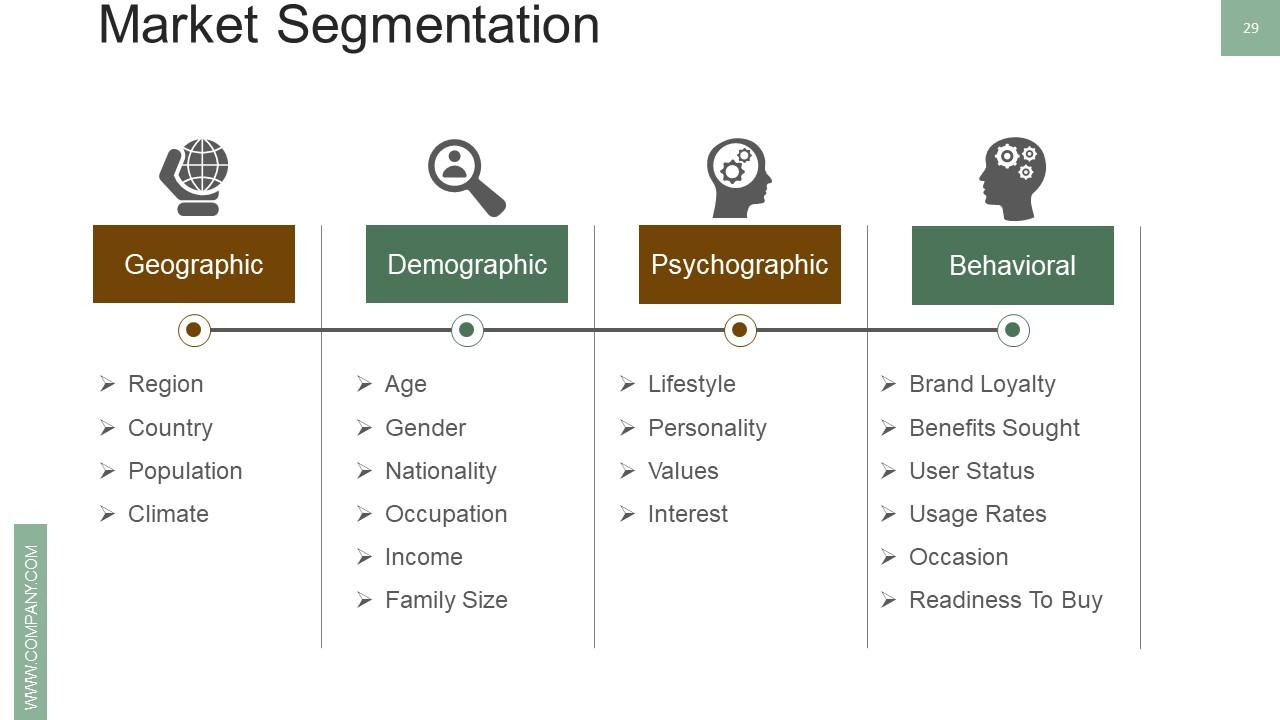
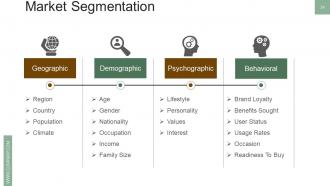
Slide 29: This slide showcases Market Segmentation divided as- Geographic: Region, Country, Population, Climate. Demographic: Age, Gender, Nationality, Ethnicity, Occupation, Income, Family Size. Psychographic: Lifestyle, Personality, Values, Interest. Behavioral: Brand Loyalty, Benefits Sought, User Status, Usage Rates, Occasion, Readiness to buy.
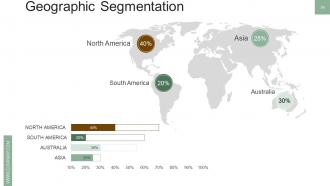
Slide 30: This slide showcases Geographic Segmentation on a world map image.
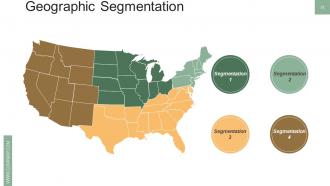
Slide 31: This slide showcases Geographic Segmentation on a US map image.
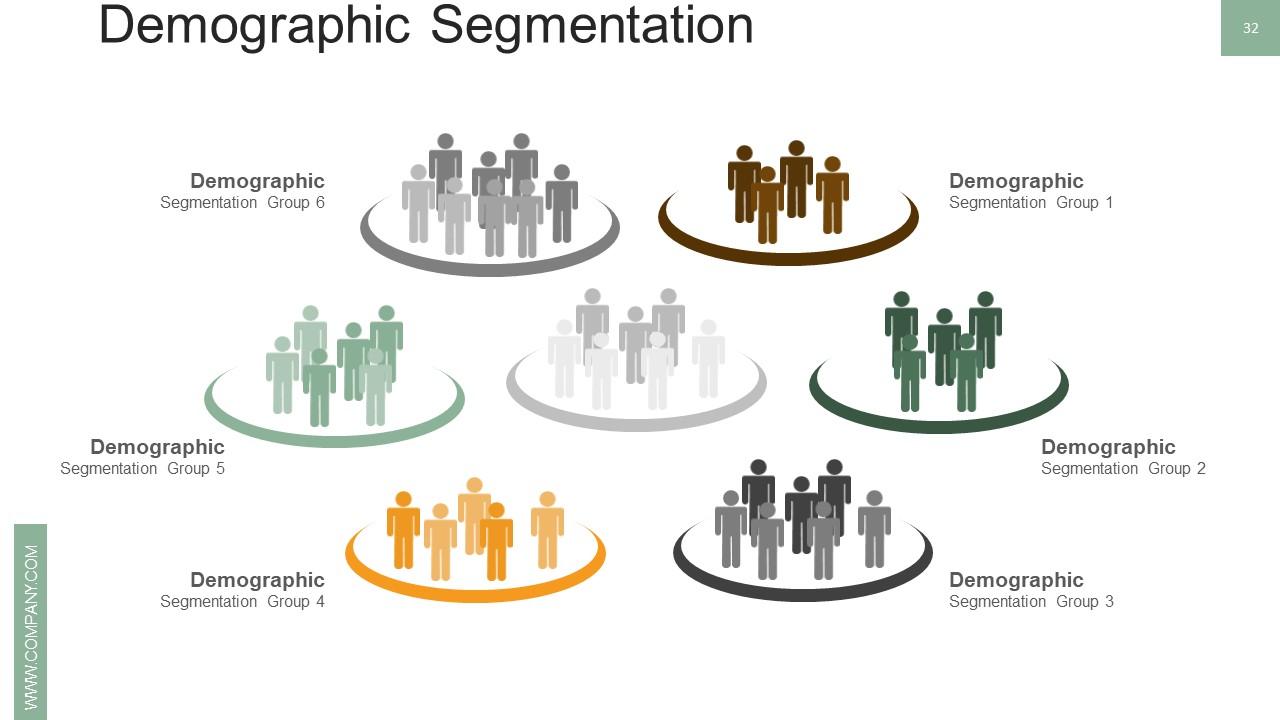
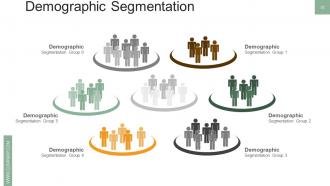
Slide 32: This slide showcases Demographic Segmentation with different segements to fill information for.
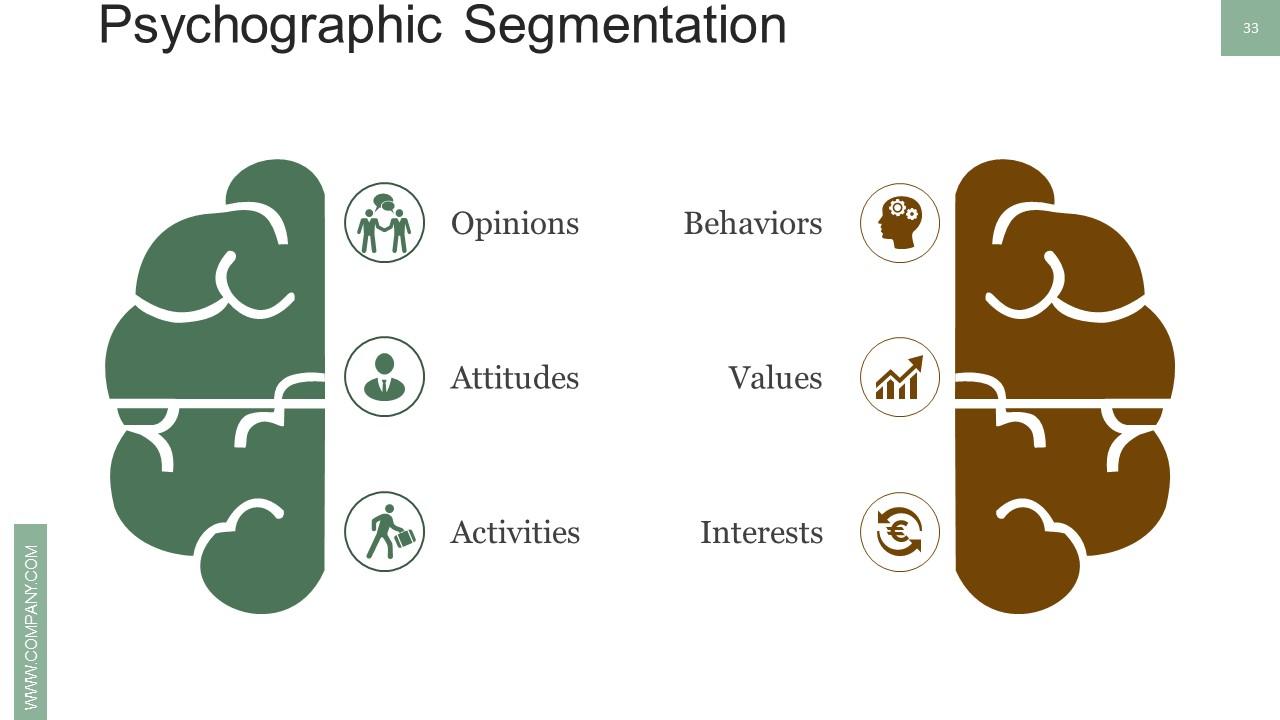
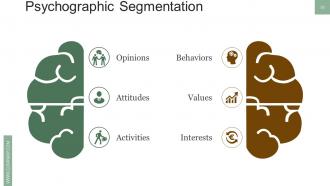
Slide 33: This slide presents Psychographic Segmentation showing- Opinions, Attitudes, Activities, Behaviors, Values, Interests.
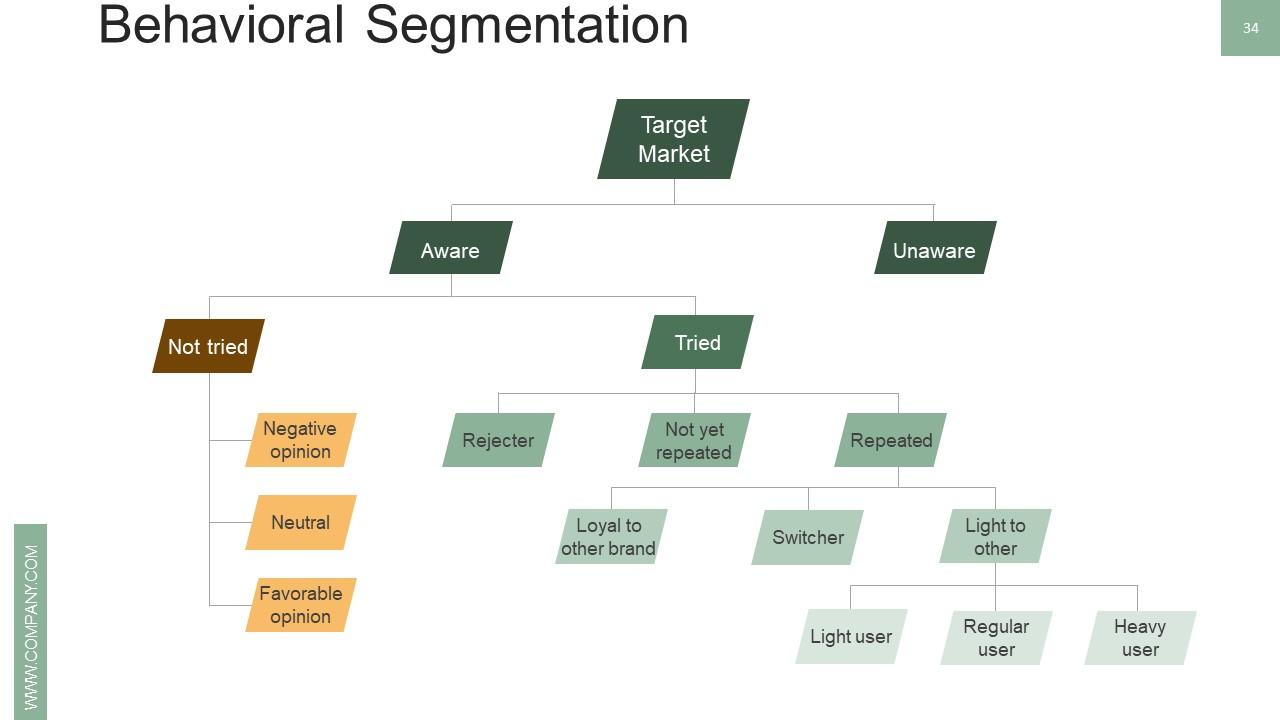
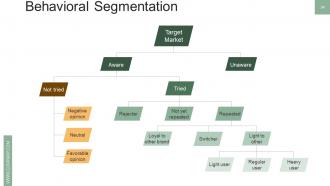
Slide 34: This slide showcases Behavioral Segmentation in hierarchy form consisting of- Rejecter, Not yet repeated, Repeated, Target Market, Aware, Unaware, Light to other, Switcher, Loyal to other brand, Light user, Regular user, Heavy user, Negative opinion, Neutral, Favorable opinion, Not tried, Tried.
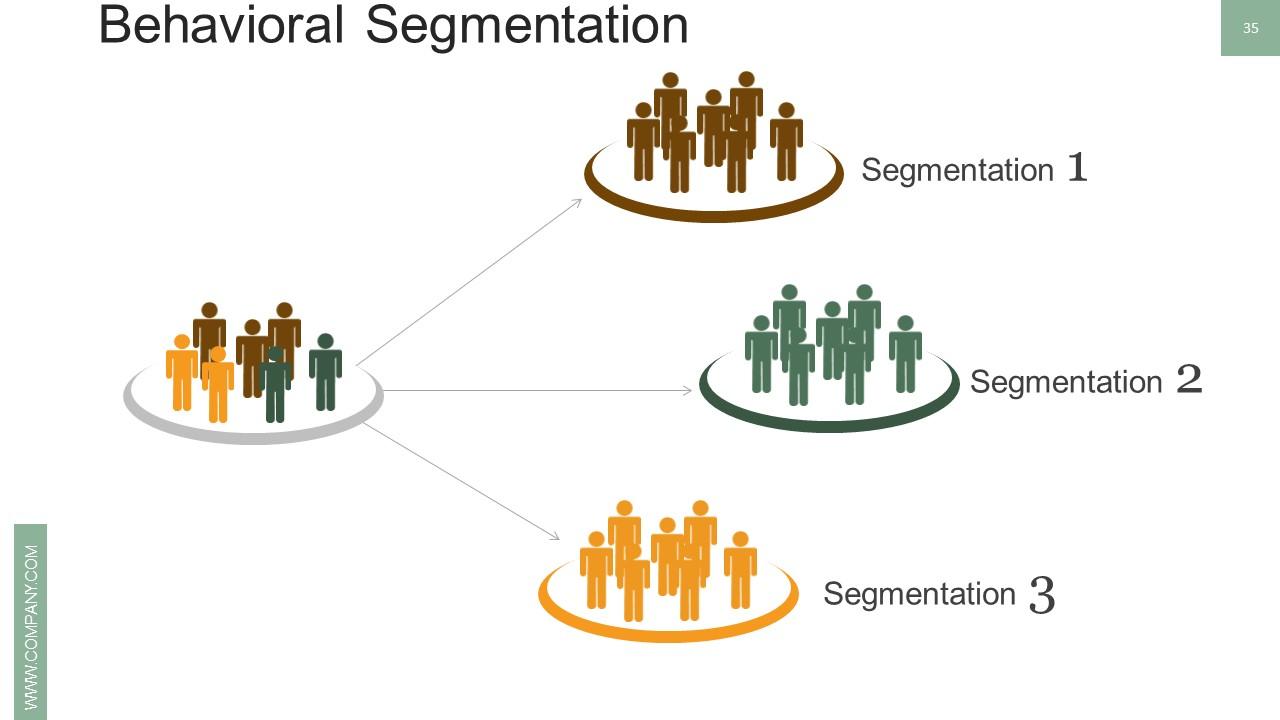
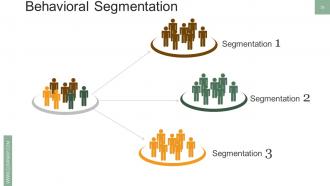
Slide 35: This slide displays Behavioral Segmentation with different segements to be shown.
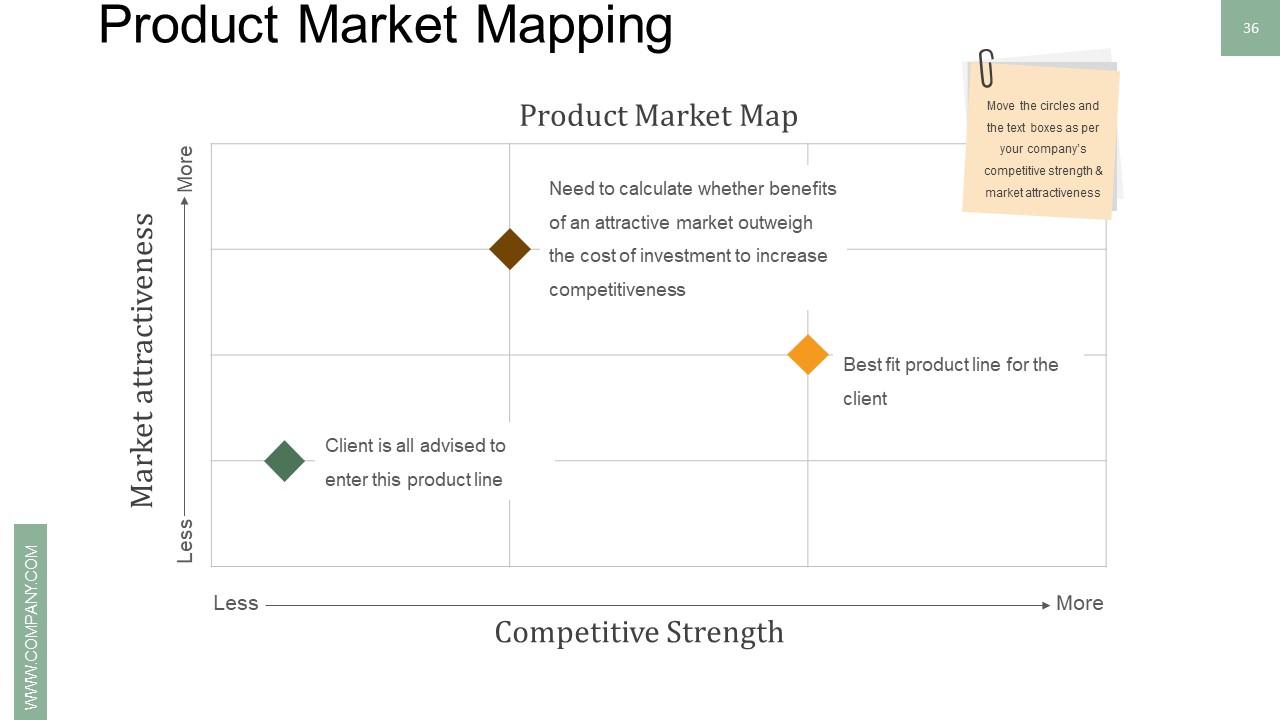
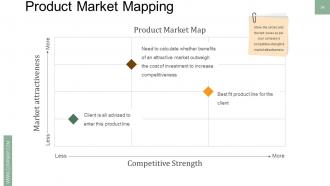
Slide 36: This slide presents Product Market Mapping in terms of Market Attractiveness and Competitive Strength.
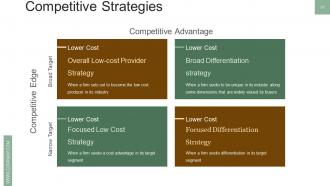
Slide 37: This slide displays Competitive Strategies matrix showing- Broad Differentiation strategy, Focused Low Cost Strategy, Overall Low-cost Provider Strategy, Focused Differentiation Strategy in terms of Competitive Advantage and Competitive Edge.
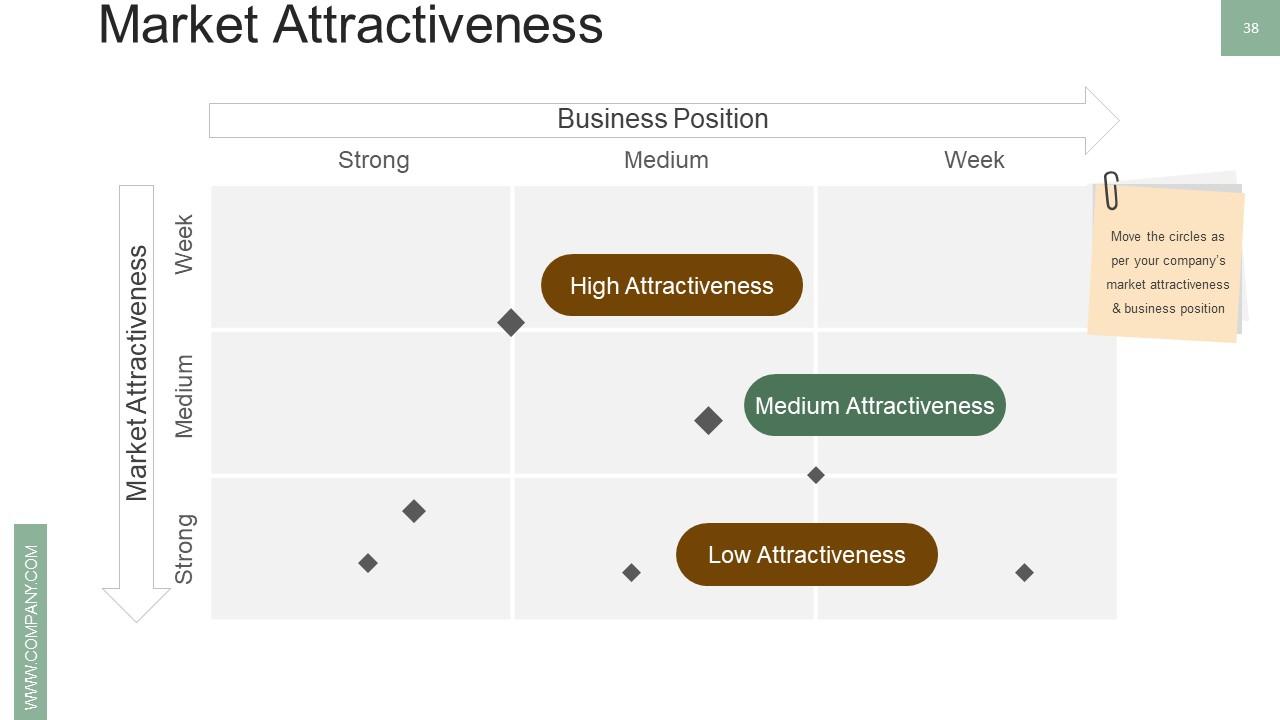
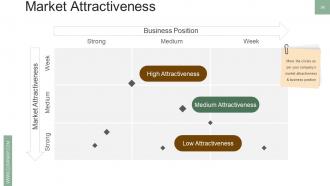
Slide 38: This is a Market Attractiveness risk matrix showing- Business Position, Market Attractiveness, High Attractiveness, Medium Attractiveness, Low Attractiveness.
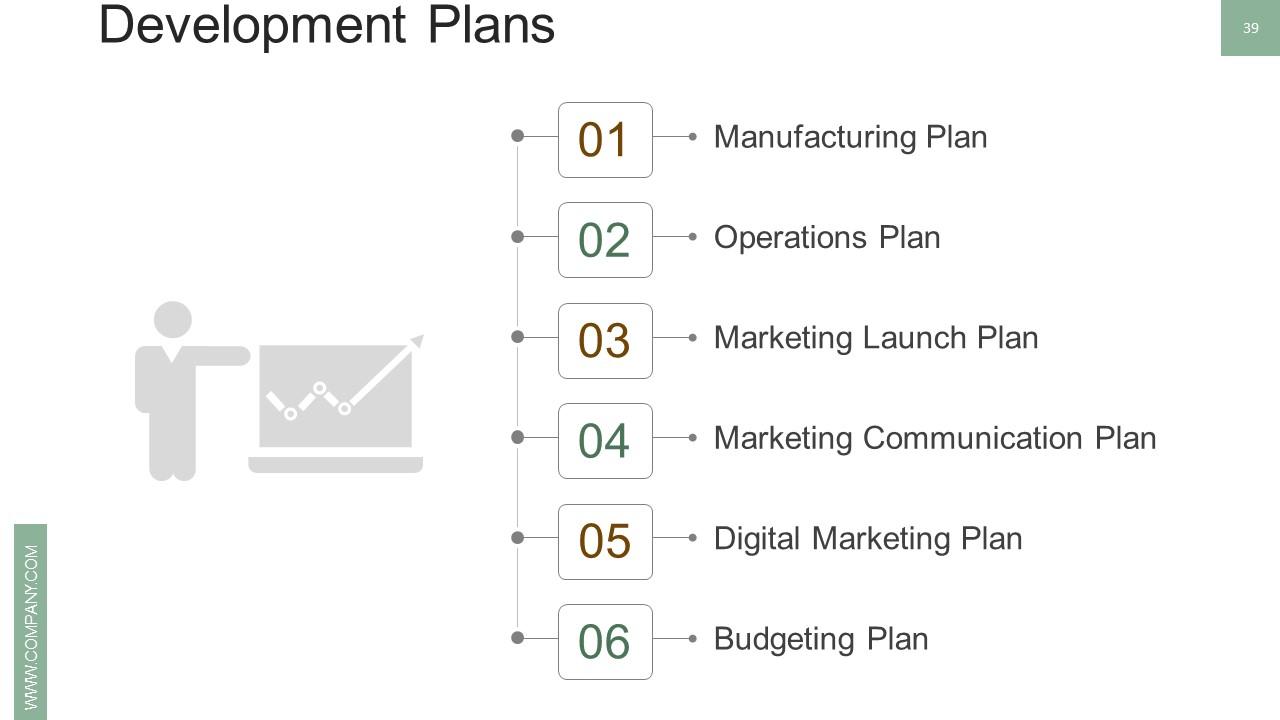
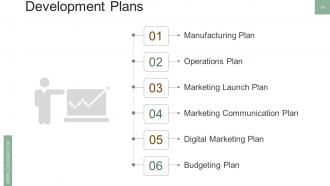
Slide 39: This slide shows Development Plans consisting of- Manufacturing Plan, Operations Plan, Marketing Communication Plan, Digital Marketing Plan, Marketing Launch Plan, Budgeting Plan.
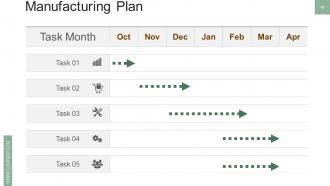
Slide 40: This slide shows Manufacturing Plan in gantt chart form.
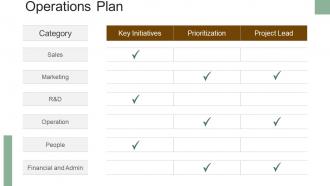
Slide 41: This slide presents Operation Plan in tabular form.
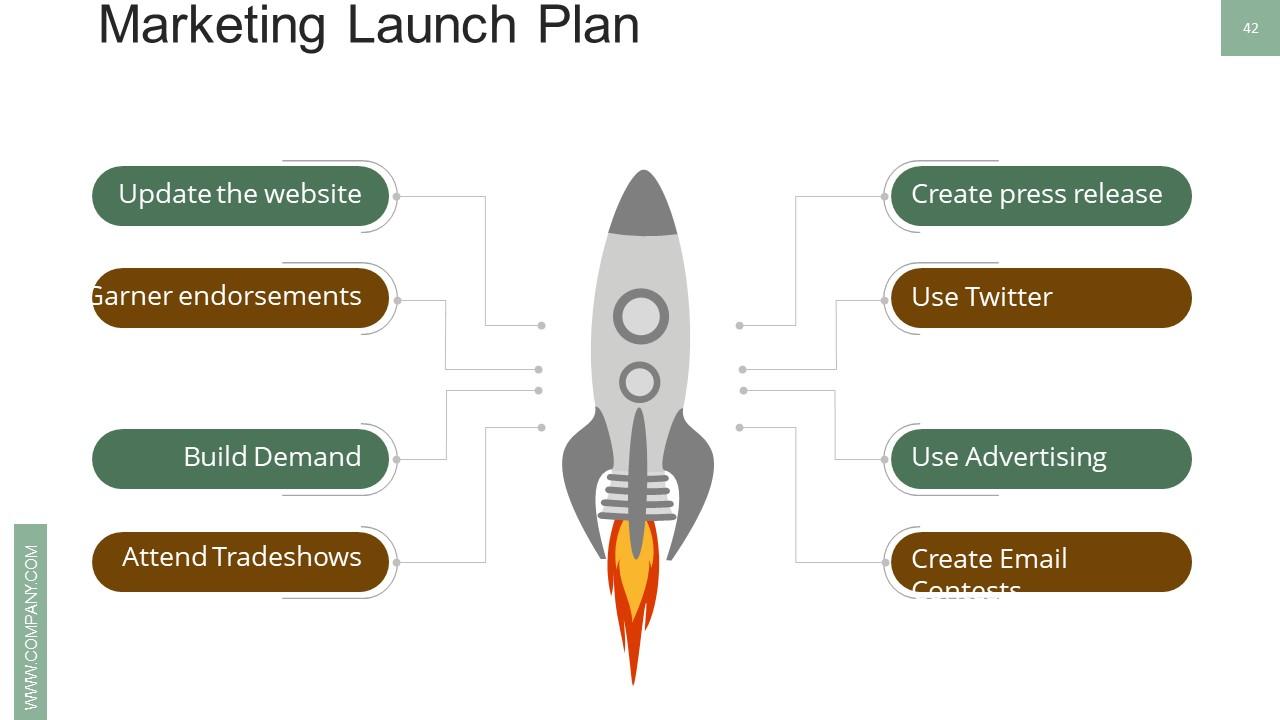
Slide 42: This slide presents Marketing Launch Plan showcasing- Update the website, Create press release, Garner endorsements, Use Twitter, Build Demand, Use Advertising, Attend Tradeshows, Create Email Contests.
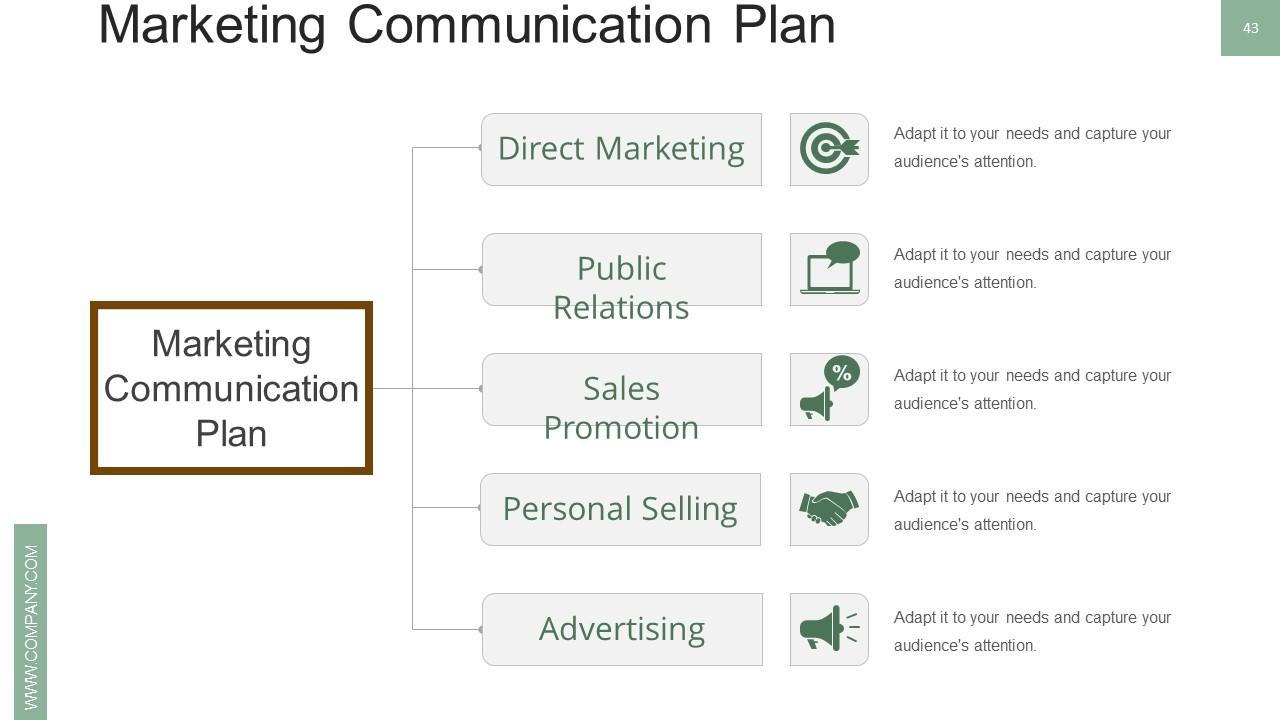
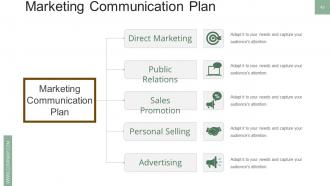
Slide 43: This slide presents a Marketing Communication Plan consisting of- Direct Marketing, Personal Selling, Sales Promotion, Advertising, Public Relations.
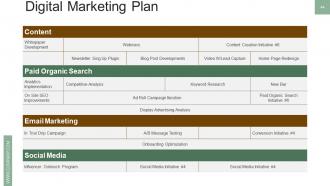
Slide 44: This slide showcases a Digital Marketing Plan.
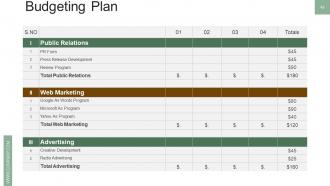
Slide 45: This slide showcases a Budgeting Template
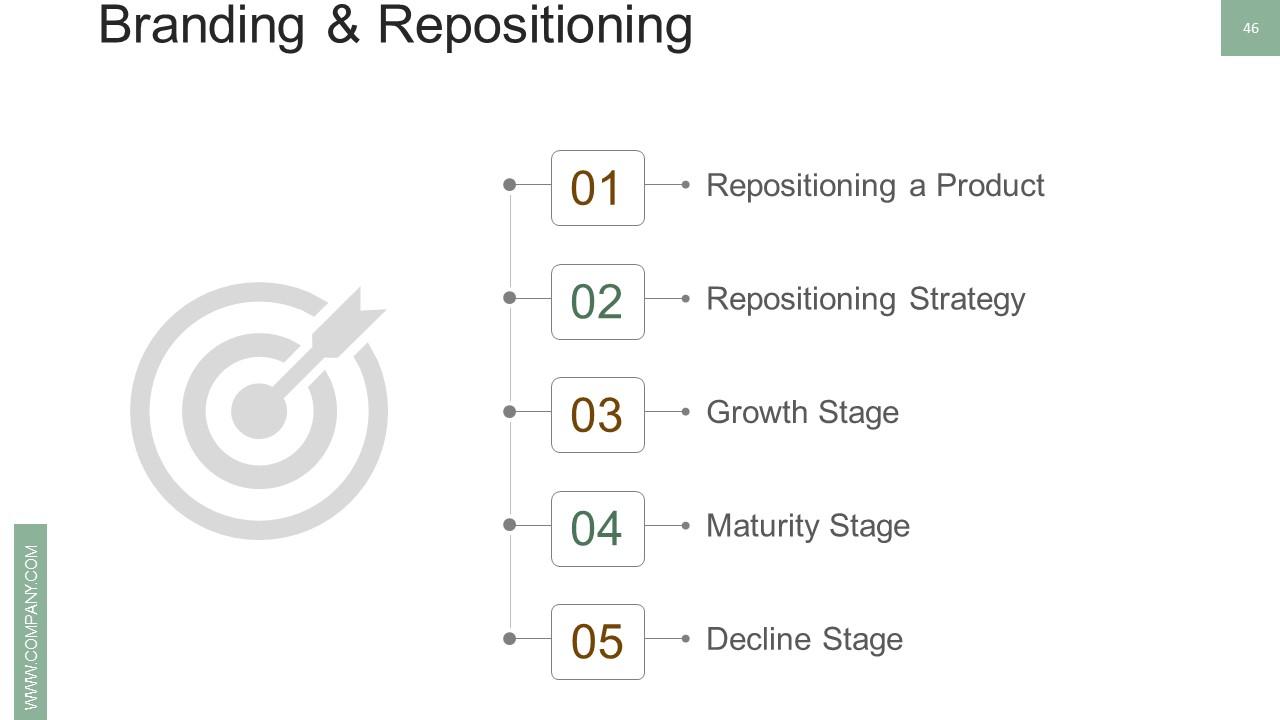
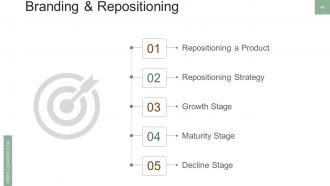
Slide 46: This slide showcases Branding & Repositioning with- Repositioning a Product, Repositioning Strategy, Maturity Stage, Decline Stage, Growth Stage.
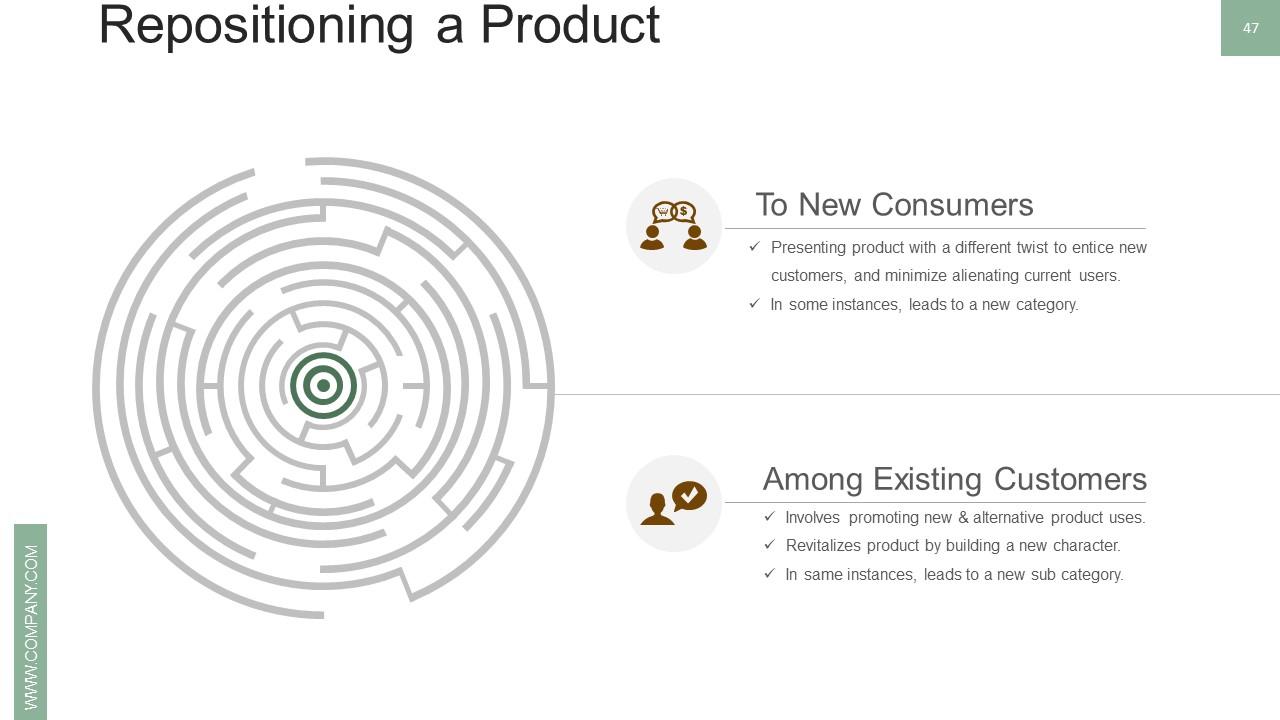
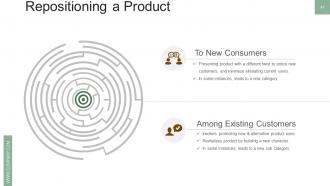
Slide 47: This slide shows Repositioning A Product maze with- To new Consumers: Presenting product with a different twist to entice new customers, and minimize alienating current users. In some instances, leads to a new category Among Existing Customers: Involves promoting new & alternative product uses. Revitalizes product by building a new character. In same instances, leads to a new sub category.
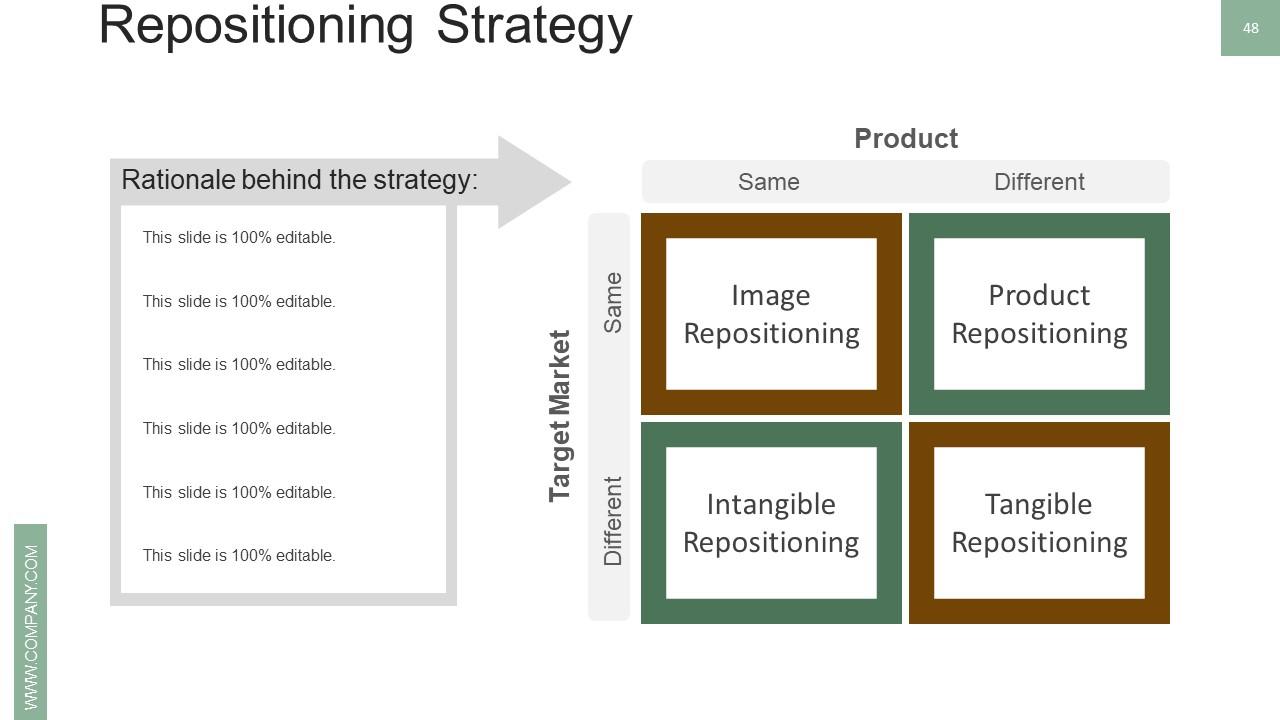
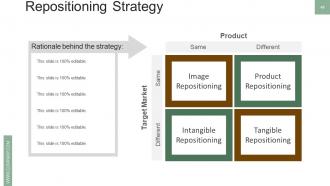
Slide 48: This slide showcases Repositioning Strategy matrix with- Image Repositioning, Intangible Repositioning, Tangible Repositioning, Product Repositioning.
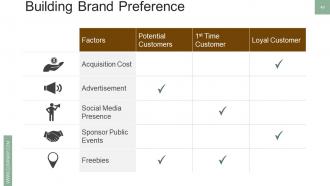
Slide 49: This slide presents Building Brand Preference in tabular form.
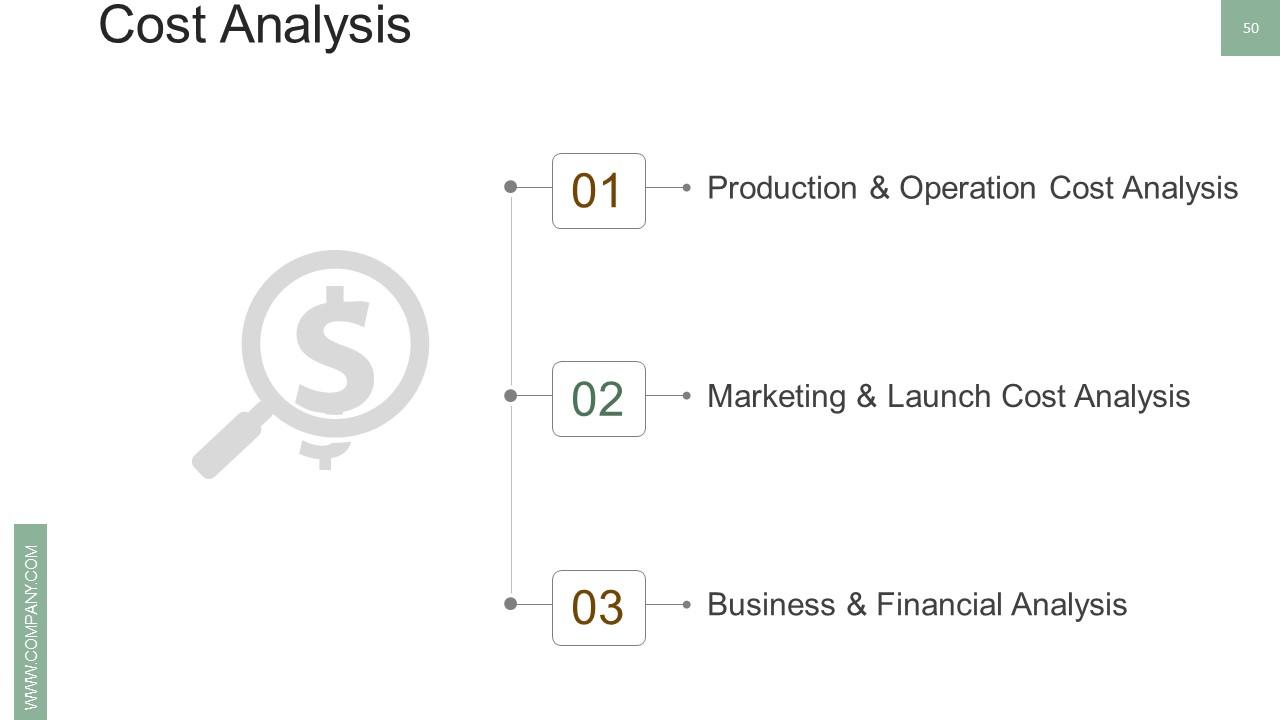
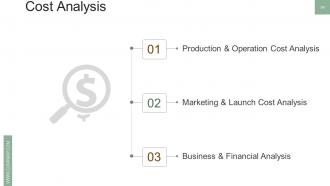
Slide 50: This slide shows Cost Analysis consisting of- Production & Operation Cost Analysis, Marketing & Launch Cost Analysis, Business & Financial Analysis.
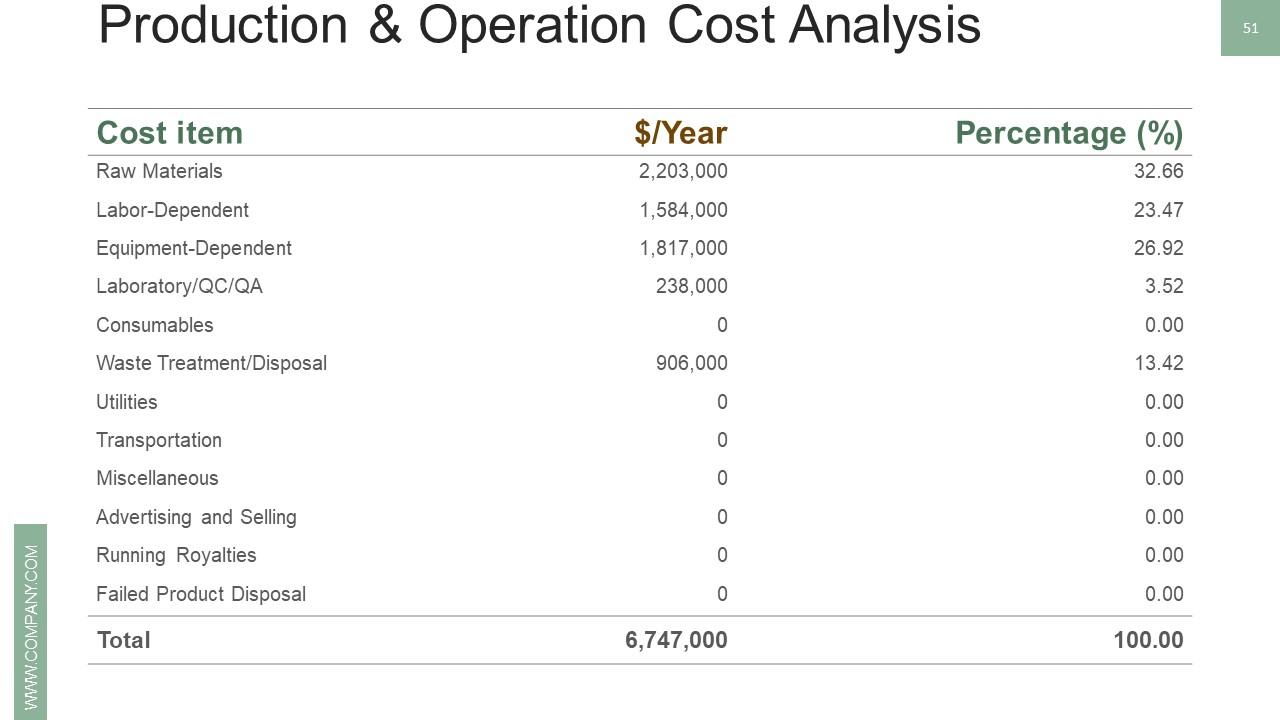
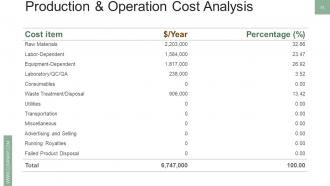
Slide 51: This slide showcases Production & Operation Cost Analysis in tabular form.
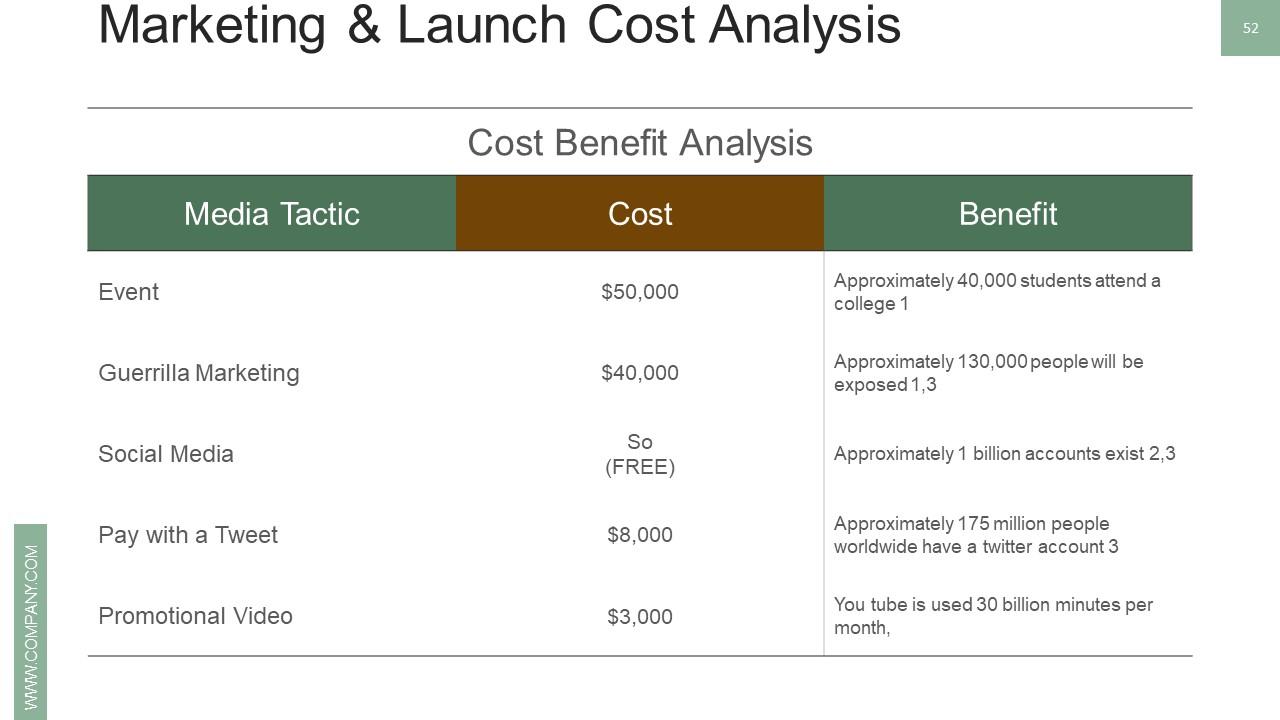
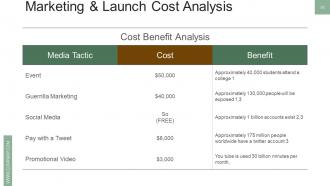
Slide 52: This slide shows Marketing & Launch Cost Analysis in tabular form.
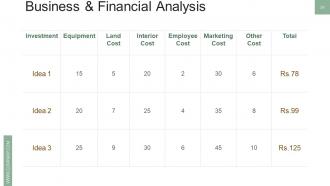
Slide 53: This slide shows Business & Financial Analysis in tabular form.
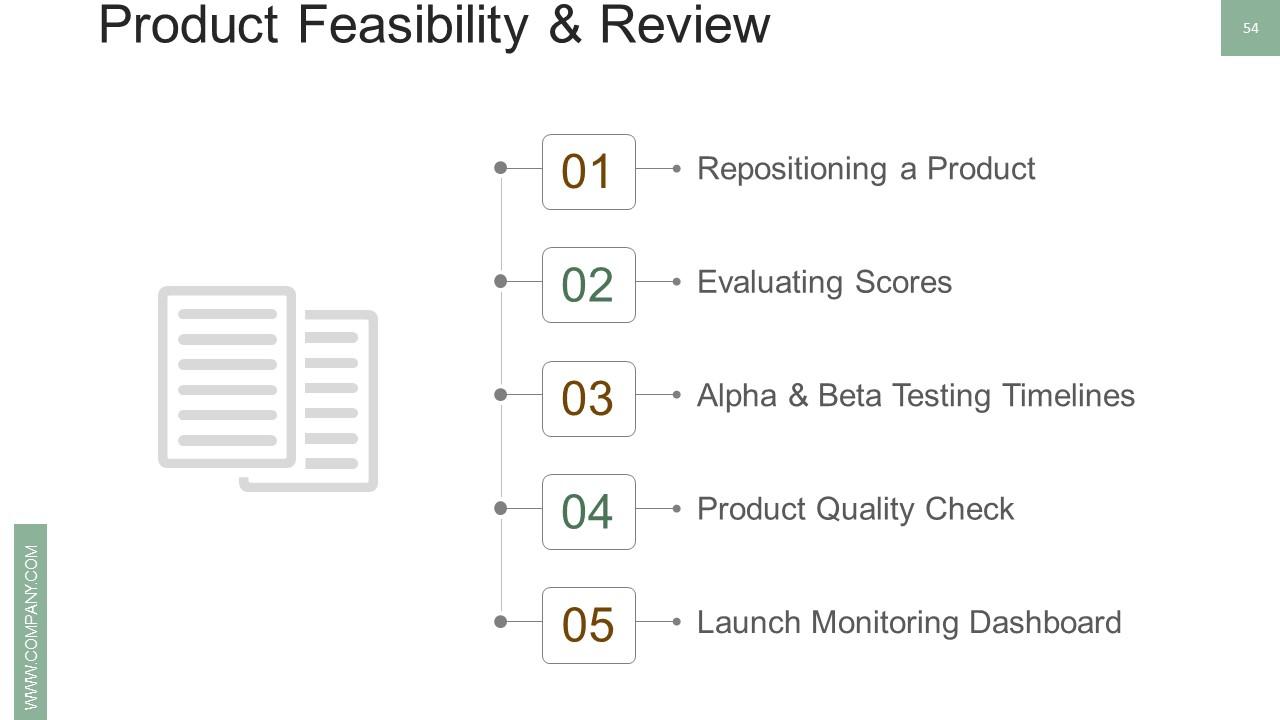
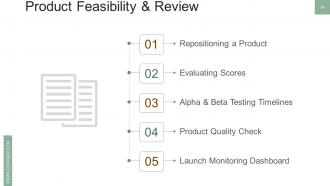
Slide 54: This slide showcases Product Feasibility & Review with- Feasibility Review, Evaluating Scores, Product Quality Check, Launch Monitoring Dashboard, Alpha & Beta Testing Timelines.
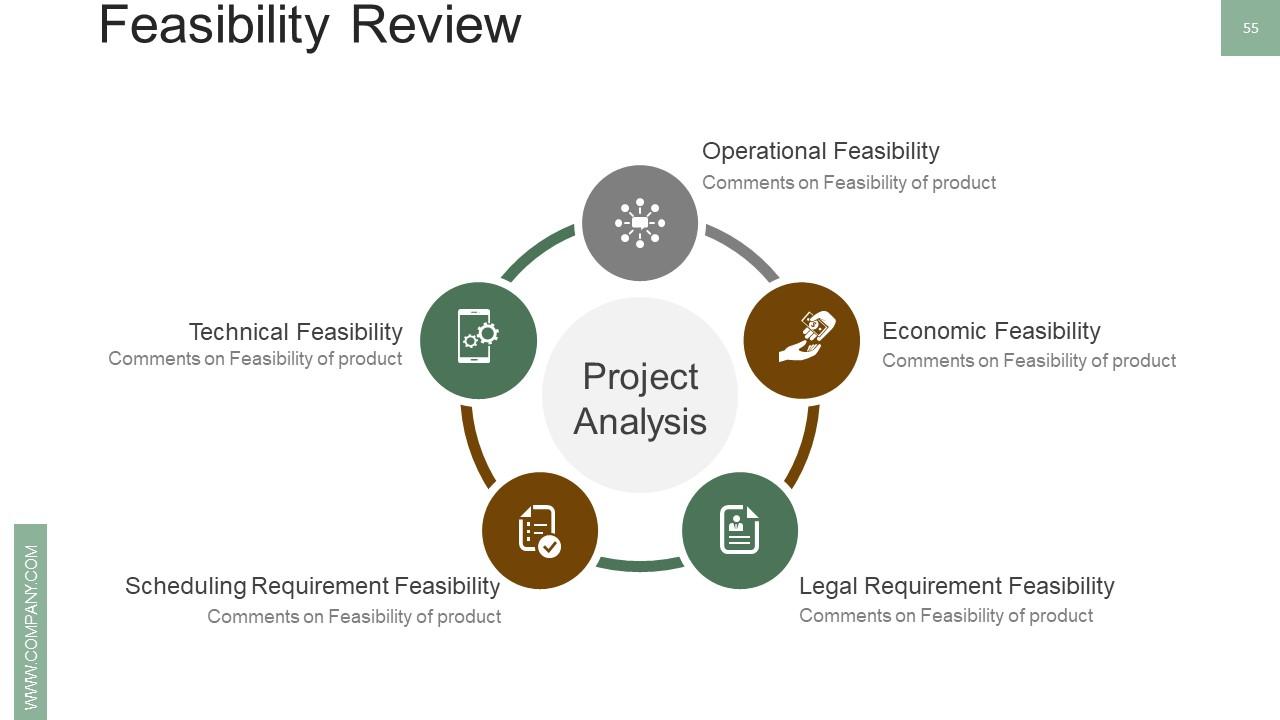
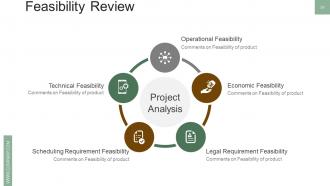
Slide 55: This slide showcases Feasibility Review with- Comments on Feasibility of product, Scheduling Requirement Feasibility, Legal Requirement Feasibility, Economic Feasibility, Operational Feasibility, Technical Feasibility as Project Analysis.
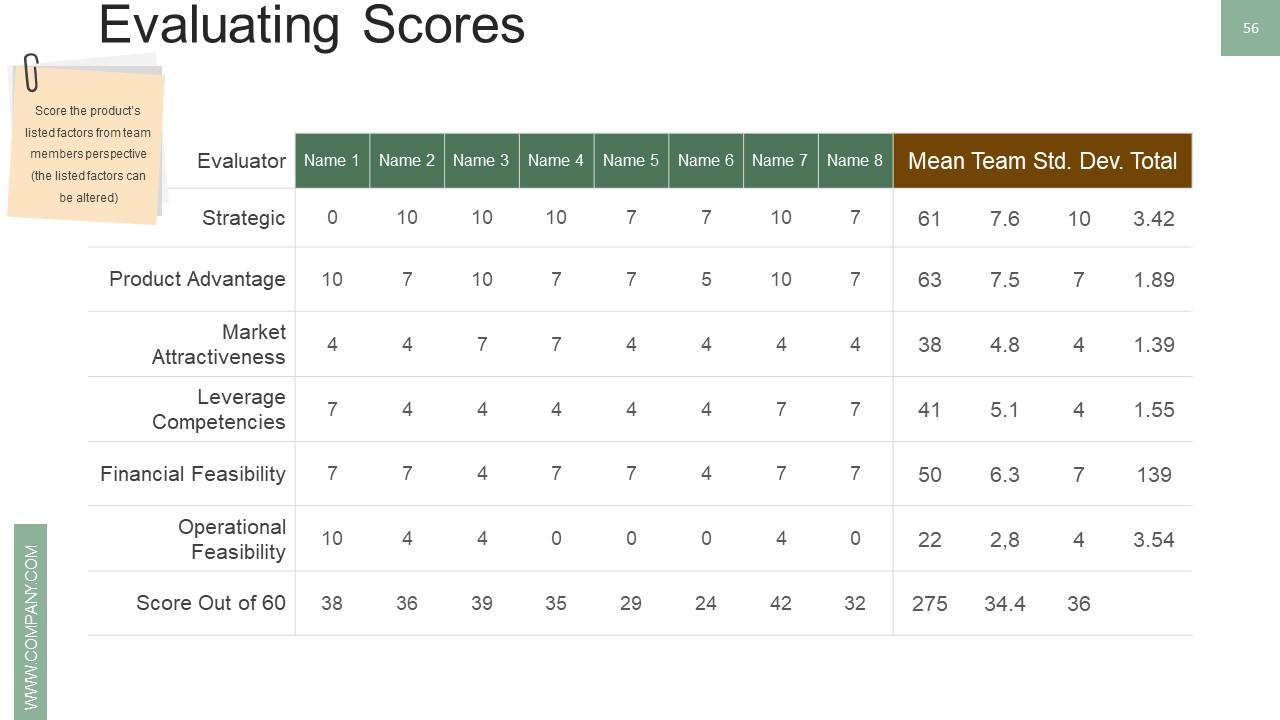
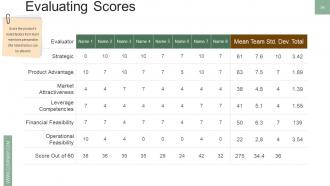
Slide 56: This slide presents Evaluating Scores. Score the product’s listed factors from team members perspective (the listed factors can be altered).
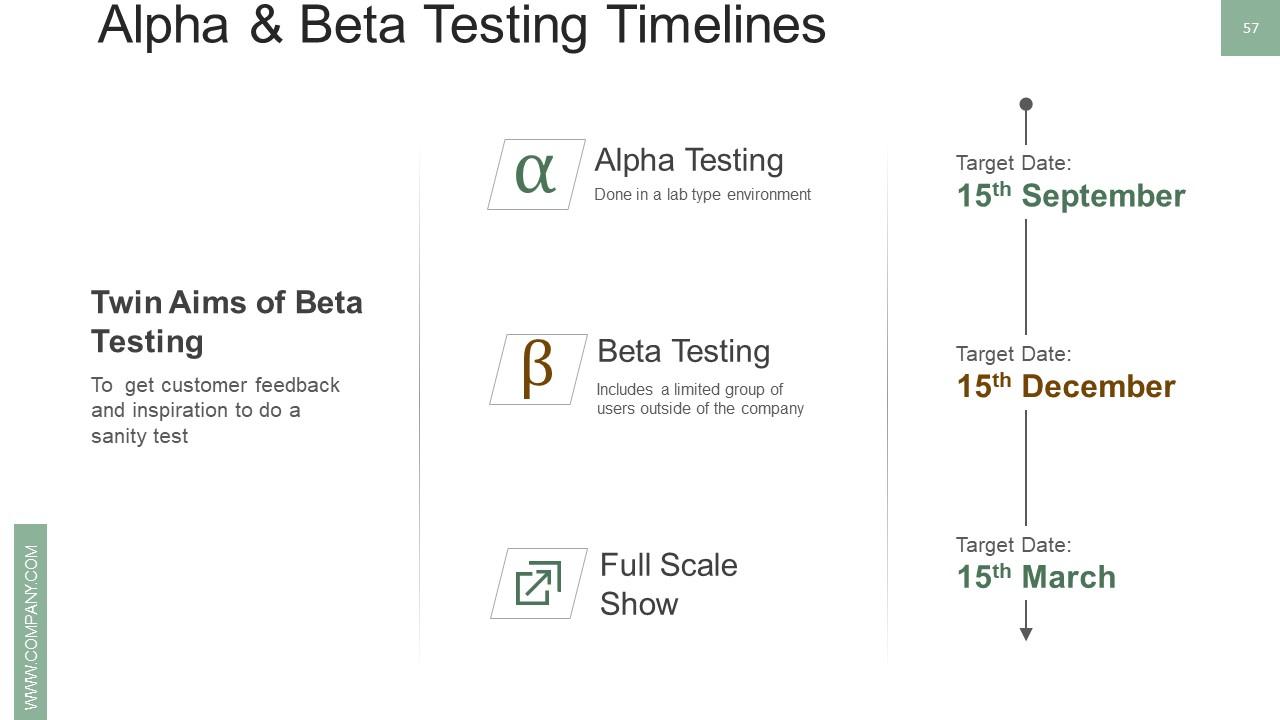
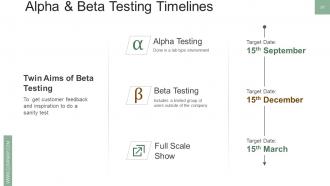
Slide 57: This slide shows Alpha & Beta Testing Timelines displaying- Alpha Testing, Beta Testing, Full Scale Show.
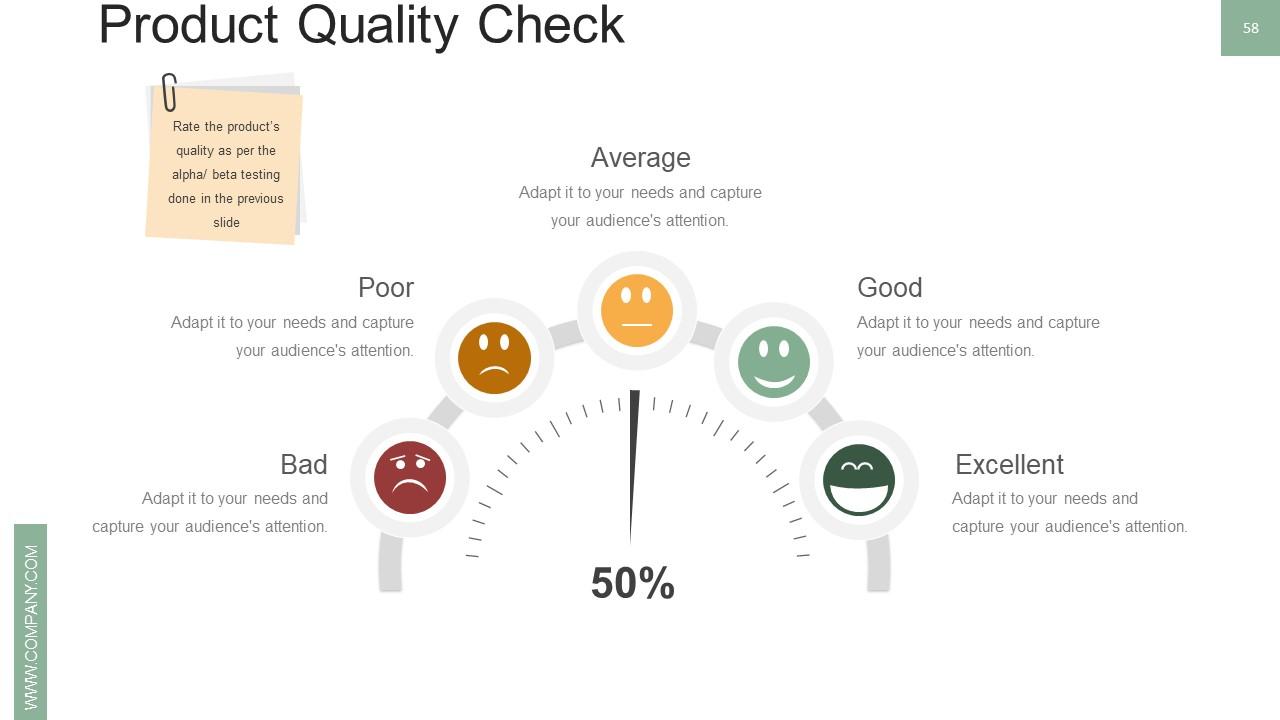
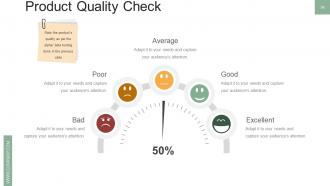
Slide 58: This slide shows Product Quality Check in metric scale with- Bad, Poor, Average, Good, Excellent as parameters. Rate the product’s quality as per the alpha/ beta testing done in the previous slide
Slide 59: This slide presents a Launch Monitoring Dashboard showing- Customer Satisfaction, Return on Investment, Target Units Sold, Monitor the launch of the product on the basis of any three KPI’s in terms of Medium, High, Low.
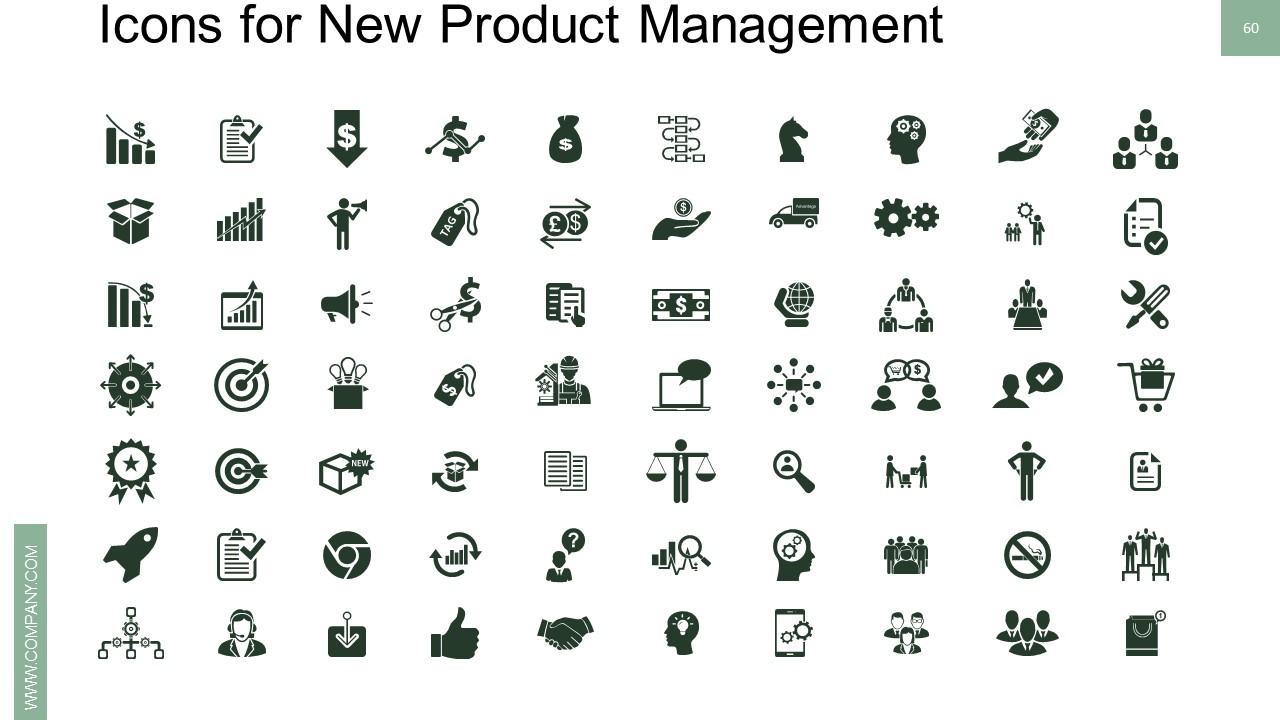
Slide 60: This slide presents Icons for NPM. Use them as per need.
Slide 61: This slide is titled Additional Slides to move forward. You can change the slide content as per need.
Slide 62: This is Vision, Mission and Goals slide. State them here.
Slide 63: This is an About Us slide. State company/team specifications here.
Slide 64: This is Our Team slide with names, designation and text boxes.
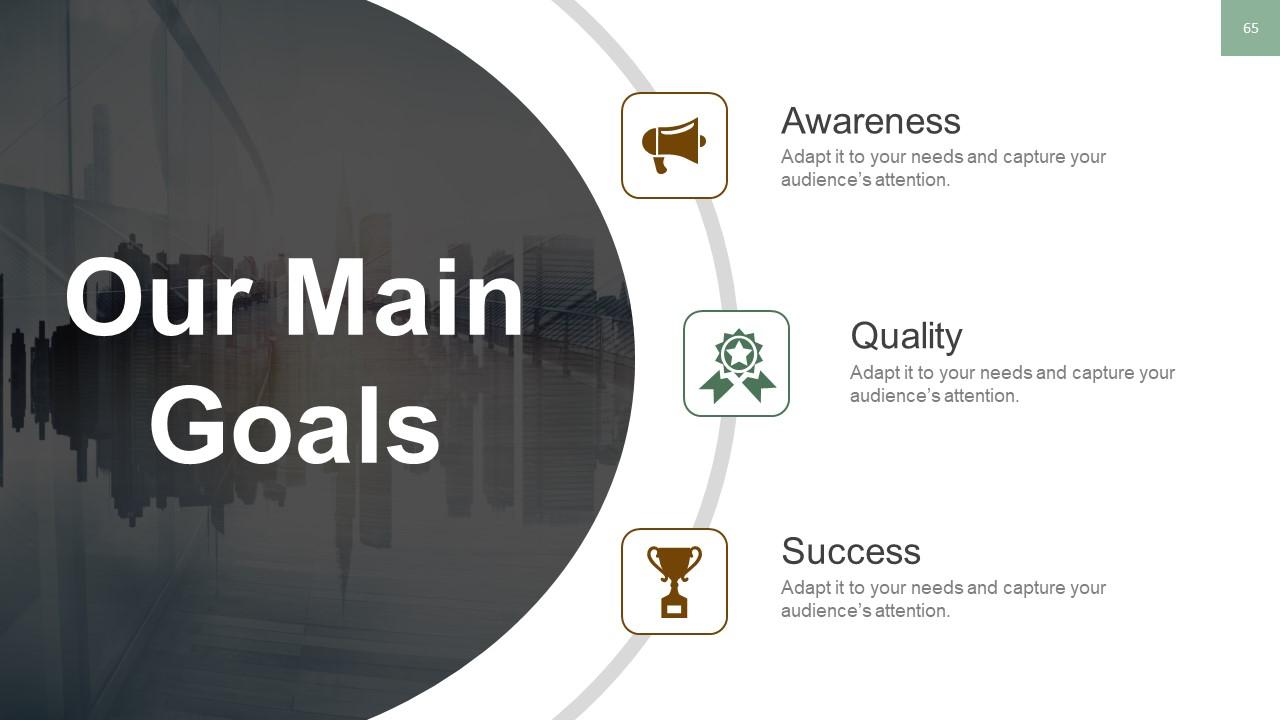
Slide 65: This is Our Main Goal slide. State your goals here.
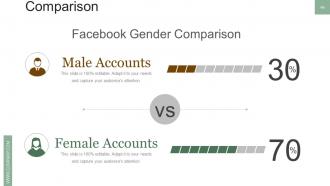
Slide 66: This slide showcases Comparison of two entities in a creative scale form.
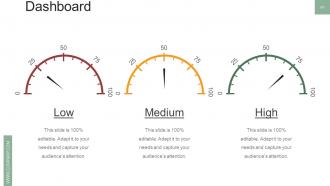
Slide 67: This slide displays a Dashboard. State performance aspects here.
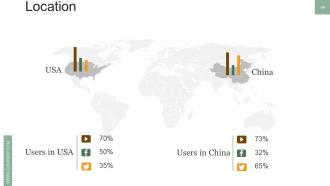
Slide 68: This is a Location slide of world map image to show global growth, presence etc.
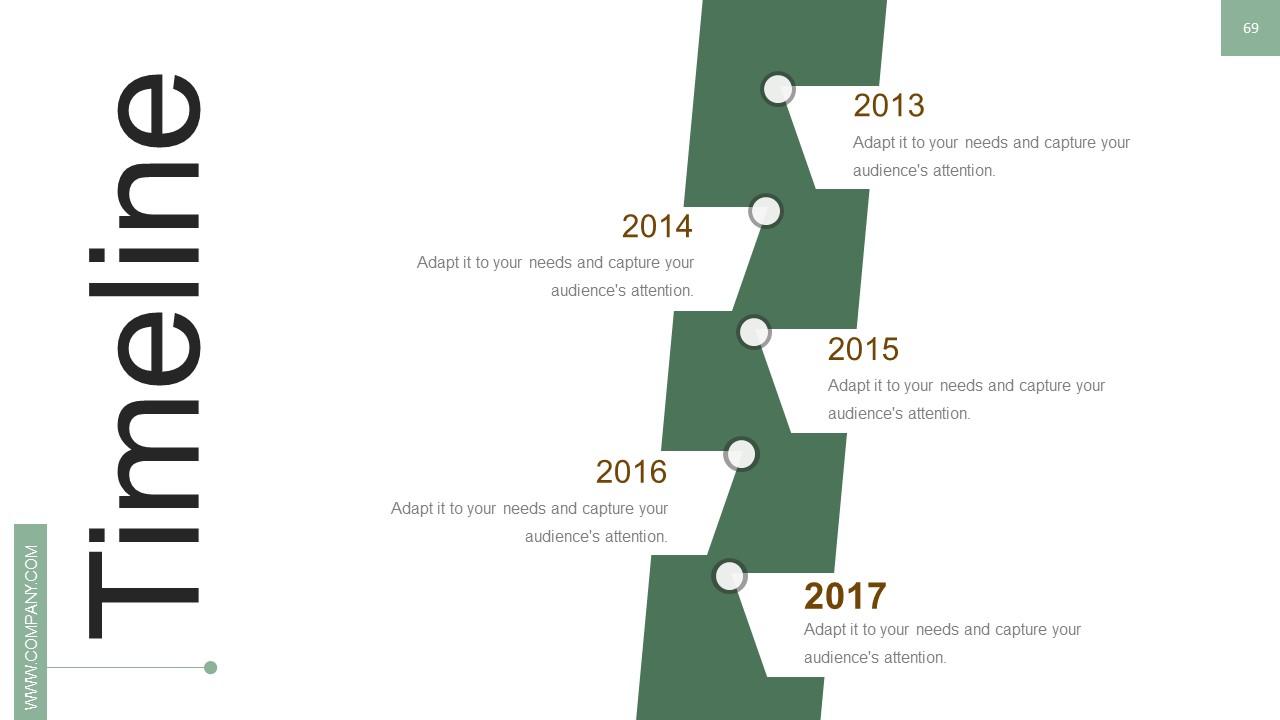
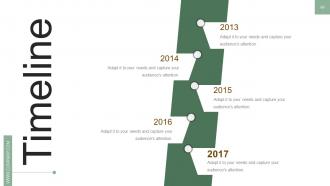
Slide 69: This is a Timeline slide to show company growth, milestones etc.
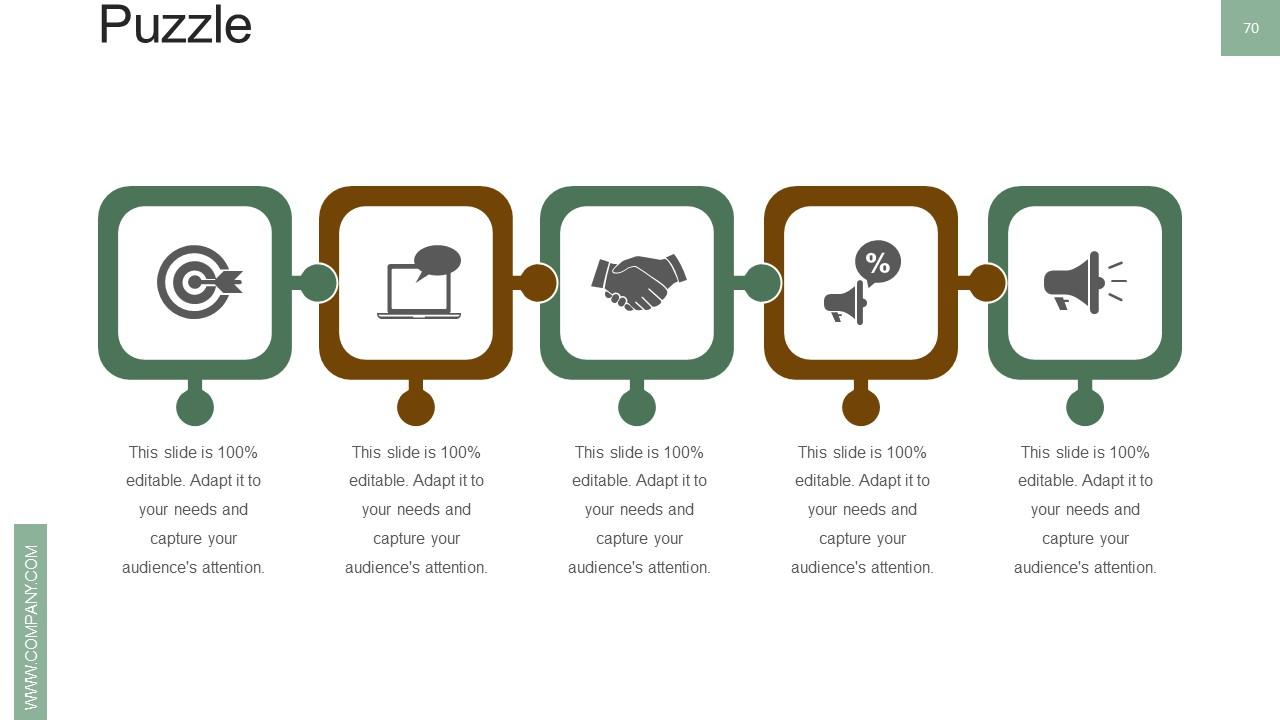
Slide 70: This is a Puzzle image slide to show information, specifications etc.
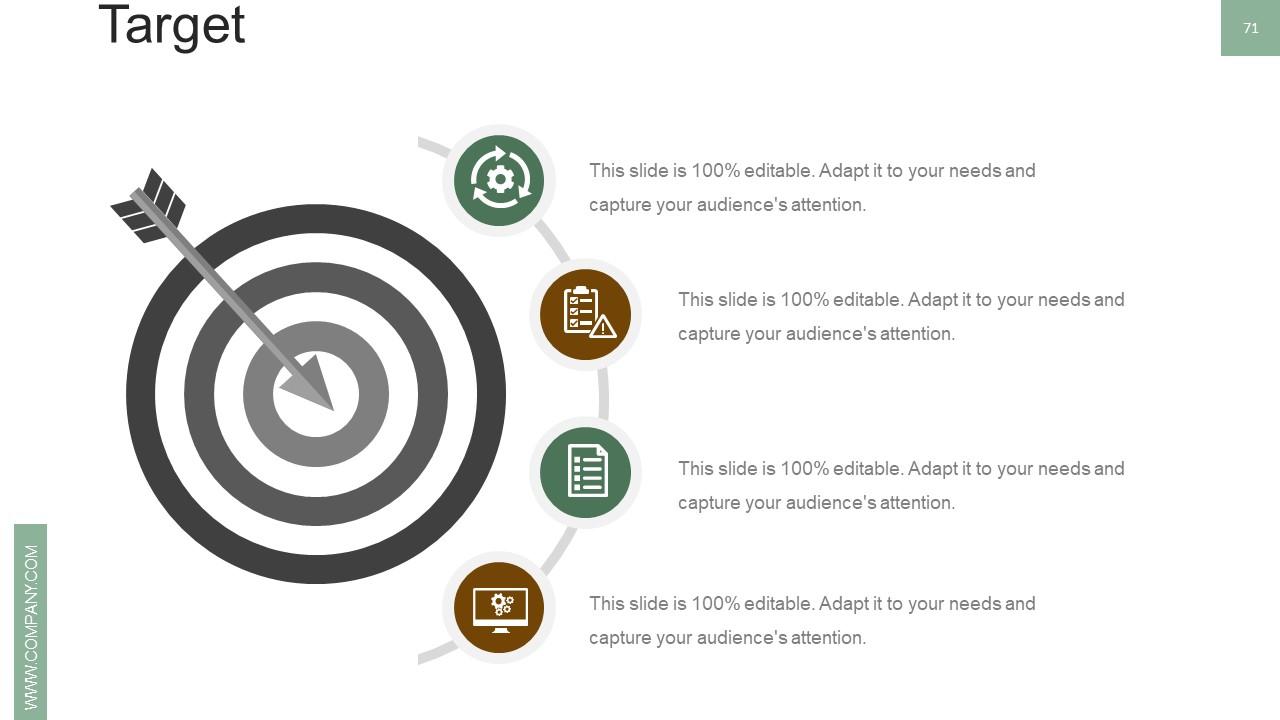
Slide 71: This is a Target slide. State targets, goals etc. here.
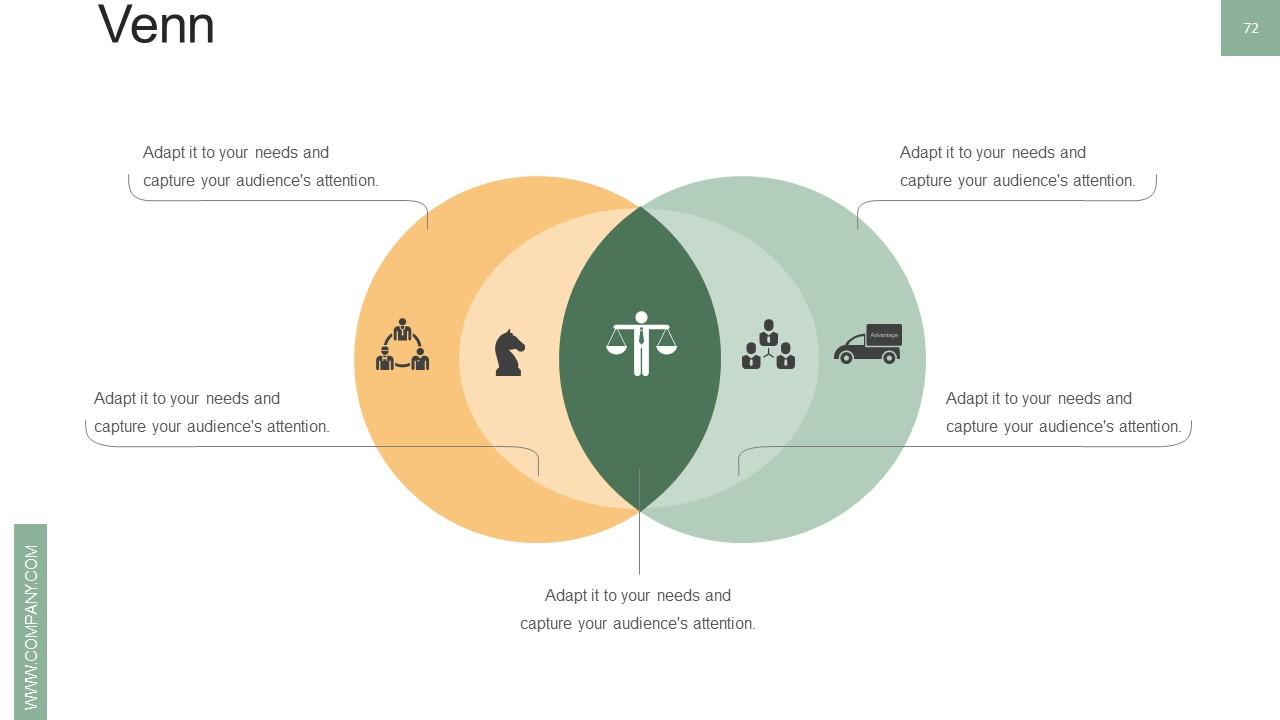
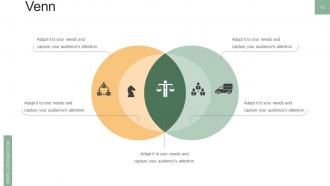
Slide 72: This is a Venn diagram image slide to present information, specifications etc.
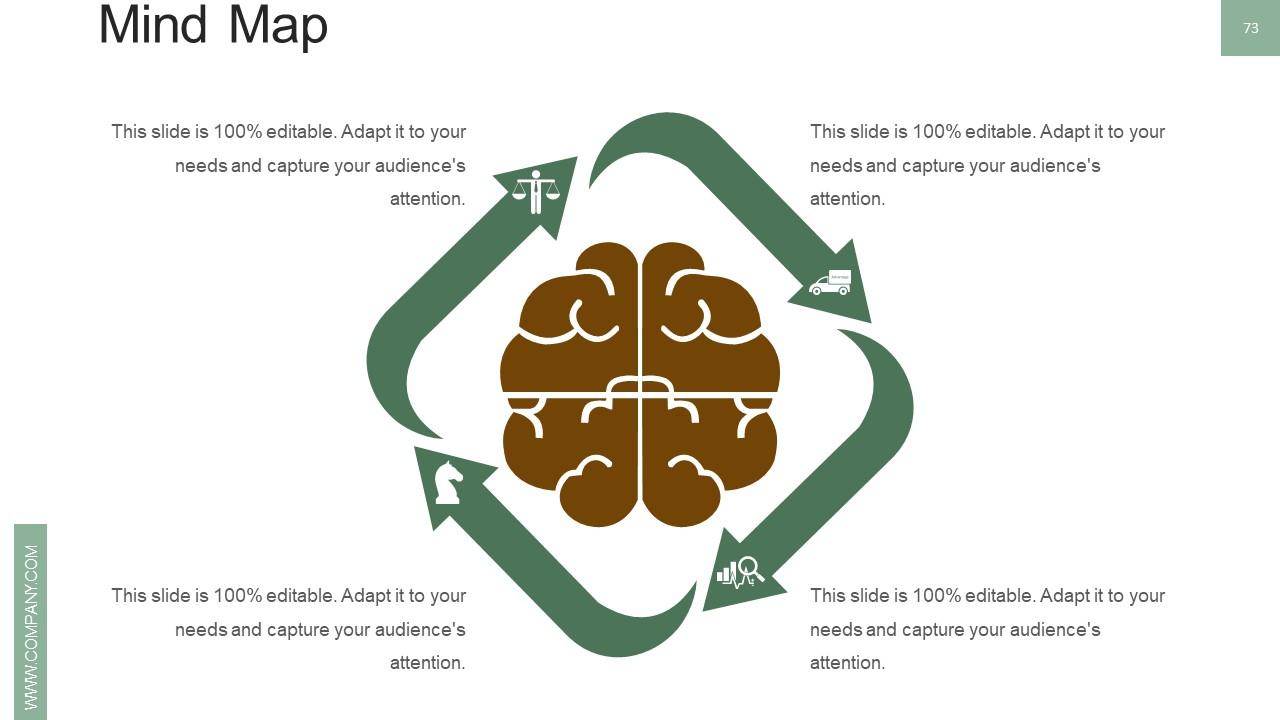
Slide 73: This is a Mind map image slide to show information, segregation, specifications etc.
Slide 74: This slide is titled Our Charts to move forward. You can alter the slide content as per need.
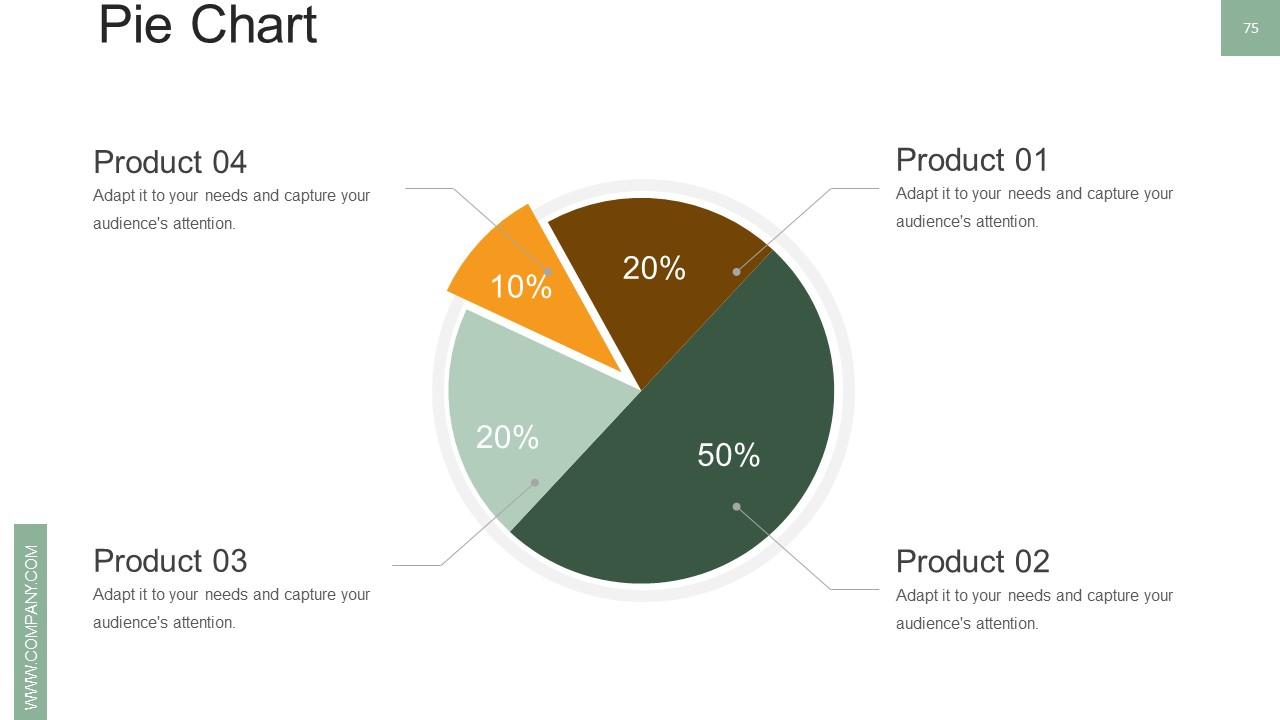
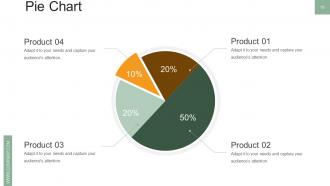
Slide 75: This is a Pie chart slide. State specifications, comparison of products/entities here.
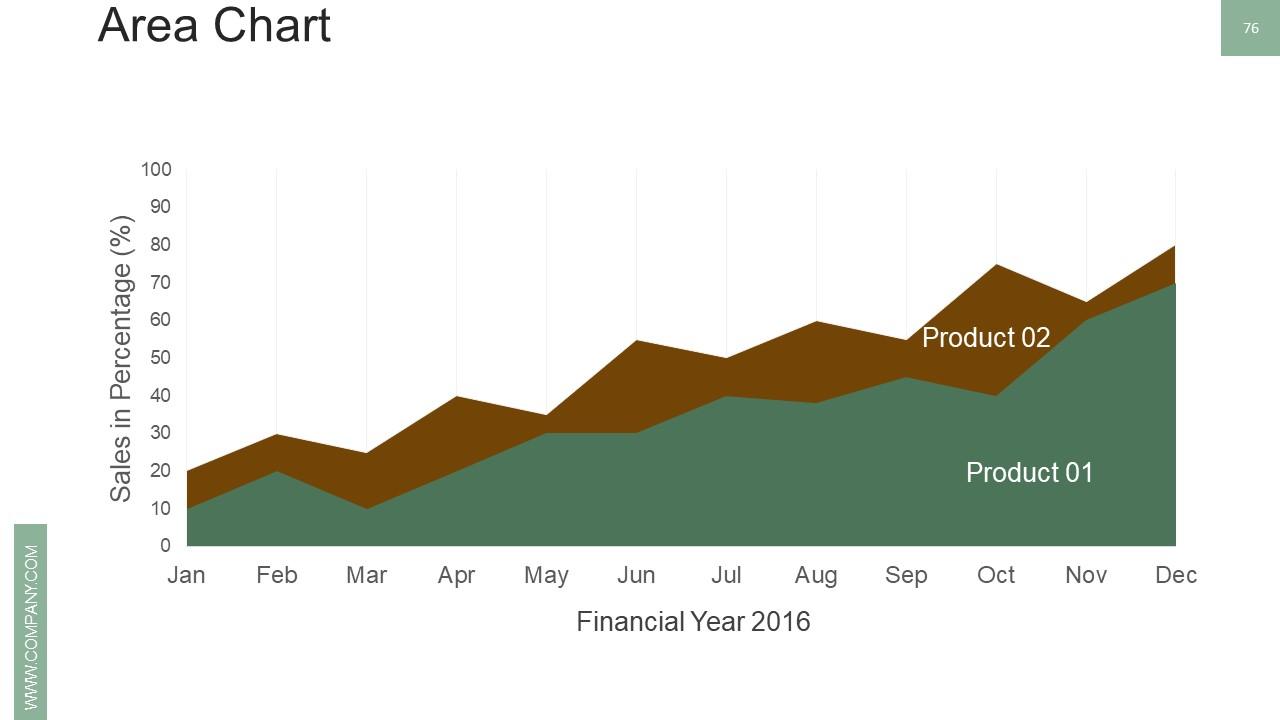
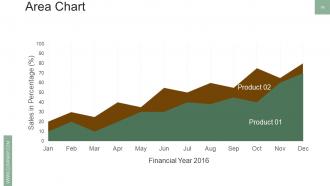
Slide 76: This is an Area chart slide. State specifications, comparison of products/entities here.
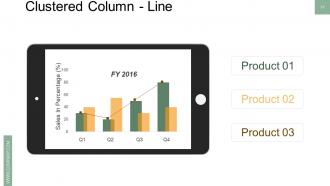
Slide 77: This is a Clustered Column line chart slide. State specifications, comparison of products/entities here.
Slide 78: This is a Thank You slide with Address# street number, city, state, Contact Number, Email Address.
New product management powerpoint presentation slides with all 78 slides:
Fight intolerance with our New Product Management Powerpoint Presentation Slides. Build a foundation for harmonious co-existence.
-
Much better than the original! Thanks for the quick turnaround.
-
Presentation Design is very nice, good work with the content as well.
