


Market segmentation strategy solutions powerpoint presentation with slides





Try Before you Buy Download Free Sample Product
 Impress Your
 Audience
 100%
100% Editable
 Save Hours
 of Time


Transform your next market segmentation strategy solutions PowerPoint slide deck into an example of great PPT. To further help you out here are few ideas to use this pre designed PPT example. With help of this PowerPoint show you can successfully explain the concept of market segmentation or customer segmentation to your team. In addition, our PPT model supports to emphasize different ways of segmenting customer groups for better alignment of products with prospective customers. Apart from this, by using our PPT sample file you can cast spotlight on advantages of market segmentation to exert pull on new customers for enhancing market share. Crux here is that a symbolic visual communication can be established to precisely penetrate market and reach customers with specific needs. This is certainly not the end, as by utilizing this pictorial symphony you can portray related concepts like categorizing, industry classification, target market, market research, competitor analysis, precision marketing etc. In short, this is a complete package of presentation images having everything you need to make a stunning communication.Bring down the hype with our Market Segmentation Strategy Solutions Complete Powerpoint Deck With Slides. Don't allow heightened expectations to build.
People who downloaded this PowerPoint presentation also viewed the following :
Content of this Powerpoint Presentation
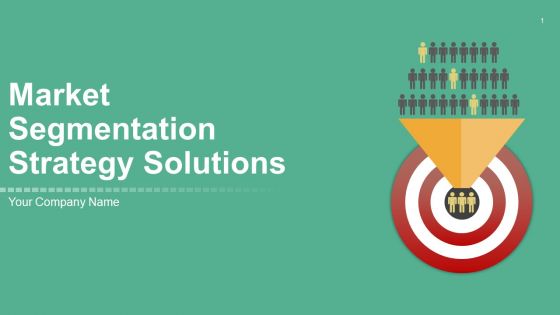
Slide 1: This slide introduces Segmentation, Targeting & Positioning Model. State Your Company Name and get started.
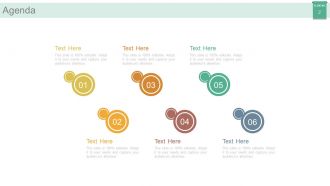
Slide 2: This is an Agenda slide. State your agendas here.
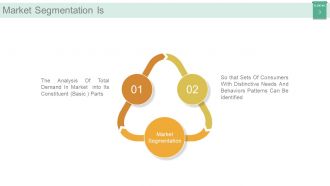
Slide 3: This slide defines what Market Segmentation Is in detail.
Slide 4: This slide showcases Objective Of Marketing Segmentation. State them here.
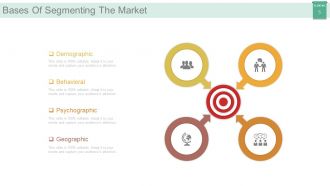
Slide 5: This slide showcases the Bases Of Segmenting The Market into- Demographic, Behavioral, Psychographic, Geographic.
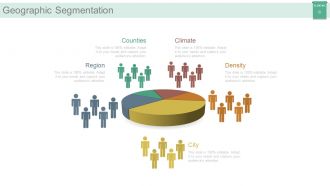
Slide 6: This slide shows Geographic Segmentation- Region, City, Density, Climate. State these aspects here.
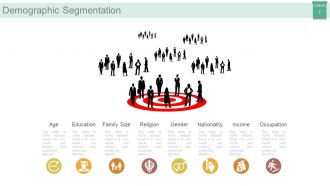
Slide 7: This slide shows Demographic Segmentation- Age, Education, Family Size, Religion, Gender, Nationality, Income, Occupation. State these aspects here.
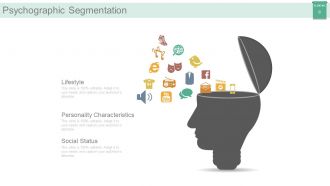
Slide 8: This slide shows Psychographic Segmentation- Lifestyle, Personality Characteristics, Social Status. State these aspects here.
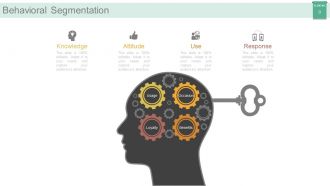
Slide 9: This slide shows Behavioral Segmentation Knowledge Attitude Use Response Usage Occasion Benefits. State these aspects here.
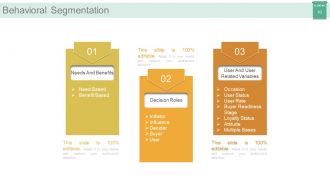
Slide 10: This slide presents Behavioral Segmentation showcasing- Needs And Benefits: Need Based, Benefit Based. Decision Roles: Initiator, Influence, Decider, Buyer, User. User And User Related Variables: Occasion, User Status, User Rate, Buyer Readiness Stage, Loyalty Status, Attitude Multiple Bases.
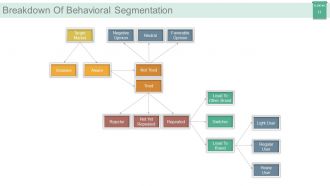
Slide 11: This slide presents Breakdown Of Behavioral Segmentation into- Unaware- Target Market-Aware- Not Tried: Tried: Negative Opinion, Neutral, Favorable Opinion, Rejecter, Not Yet Repeated, Repeated, Loyal To Other Brand, Switcher, Loyal To Brand, Light User, Regular User, Heavy User.
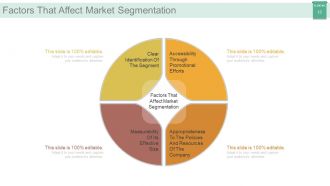
Slide 12: This slide presents Factors That Affect Market Segmentation- Appropriateness To The Policies And Resources Of The Company, Accessibility Through Promotional Efforts, Measurability Of Its Effective Size, Clear Identification Of The Segment, Factors That Affect Market Segmentation.
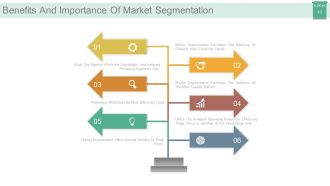
Slide 13: This slide presents Benefits And Importance Of Market Segmentation such as- Market Segmentation Facilitates The Matching Of Products With Consumer Needs, Market Segmentation Facilitates The Selection Of The Most Suitable Market, Utilize The Available Marketing Resources Effectively Target Group Is Identified At The Initial Stage Only, Avoid The Markets Which Are Unprofitable And Irrelevant Promising Segments Only, Advertising Media Can Be More Effectively Used, Market Segmentation Offers Special Benefits To Small Firms.
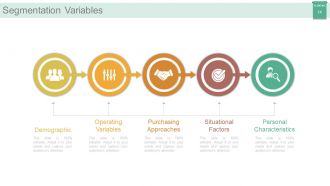
Slide 14: This slide showcases Segmentation Variables- Demographic, Purchasing Approaches, Personal Characteristics, Situational Factors, Operating Variables.
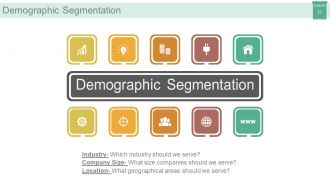
Slide 15: This slid shows Demographic Segmentation with- Industry- Which industry should we serve? Company size- What size companies should we serve? Location- What geographical areas should we serve?
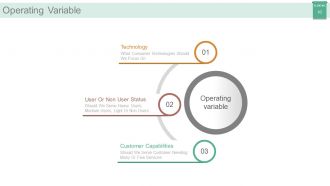
Slide 16: This slide displays Operating Variable in terms of Customer Capabilities: Should we serve customer needing many or few services? User Or Non User Status: Should we serve heavy users, medium users, light or non users? Technology: What consumer technologies should we focus on?
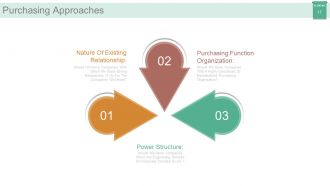
Slide 17: This slide shows Purchasing Approaches such as- Purchasing Function Organization, Nature Of Existing Relationship, Power Structure.
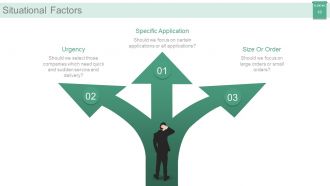
Slide 18: This slide shows Situational Factors such as- Specific Application, Urgency, Size Or Order.
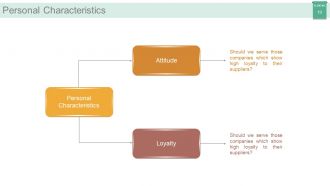
Slide 19: This slide showcases Personal Characteristics divided into- Loyalty, Attitude.
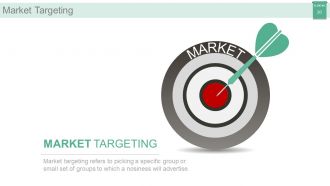
Slide 20: This slide presents Market Targeting with dart arrow imagery. State market's targeting points here.
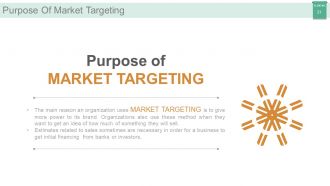
Slide 21: This slide showcases Purpose Of Market Targeting such as- The main reason an organization uses MARKET TARGETING is to give more power to its brand. Organizations also use these method when they want to get an idea of how much of something they will sell. Estimates related to sales sometimes are necessary in order for a business to get initial financing from banks or investors.
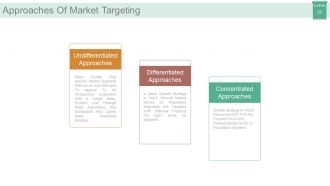
Slide 22: This slide shows Approaches Of Market Targeting such as- Undifferentiated Approaches, Differentiated Approaches, Concentrated Approaches.
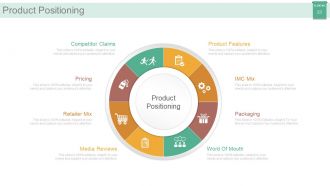
Slide 23: This slide shows Product Positioning with the following points- Packaging, Product Features, Competitor Claims, IMC Mix, Pricing, Retailer Mix, Word Of Mouth, Media Reviews.
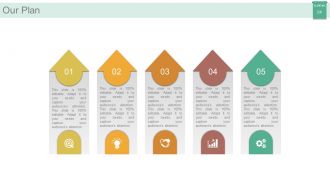
Slide 24: This slide shows Our Plan with creative arrow imagery.
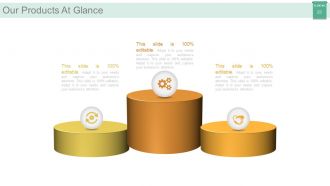
Slide 25: This slide showcases Our Products At Glance. State product aspects, features etc. here.
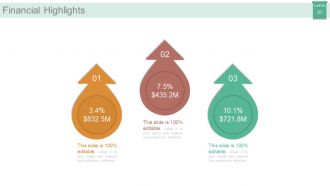
Slide 26: This slide shows Financial Highlights. State financial aspects here.
Slide 27: This slide shows Research Results. State in graph form here.
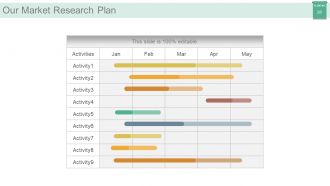
Slide 28: This slide presents Our Market Research Plan. State planning aspects here.
Slide 29: This is Our Customers slide with name, image and text boxes.
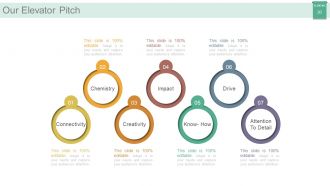
Slide 30: This slide shows Our Elevator Pitch to display- Connectivity Chemistry Creativity Impact Know- How Drive Attention To Detail as the highlighting factors.
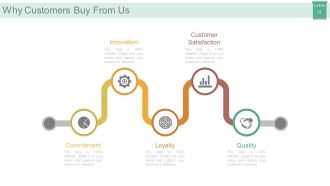
Slide 31: This slide shows Why Customers Buy From Us in terms of- Commitment, Innovation, Loyalty, Customer Satisfaction, Quality.
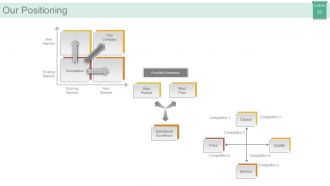
Slide 32: This slide shows Our Positioning displaying- Competition, New Markets, Existing Markets, New Markets, Existing Markets, Possible Dimension, Best Price, Best Product, Operational Excellence, Choice, Quality, Service, Price, Competitor.
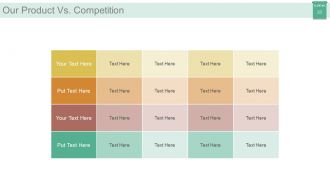
Slide 33: This slide shows Our Product Vs. Competition in tabular form.
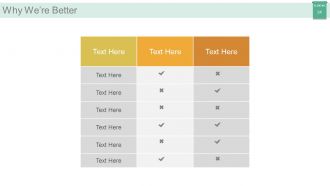
Slide 34: This slide displays Why We’re Better. State your USP here.
Slide 35: This slide is titled Additional Slides to move forward. You can change the slide content as per need.
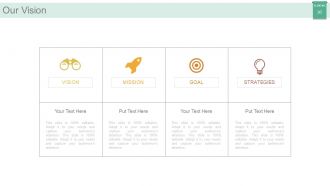
Slide 36: This is Our Mission with Vision and Strategy slide. State them here.
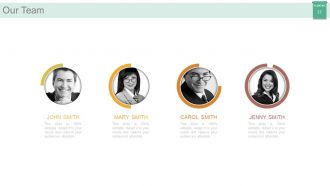
Slide 37: This is Our Team slide with names, designation and text boxes to fill information.
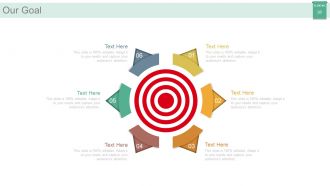
Slide 38: This is Our Goal slide. State your goals here.
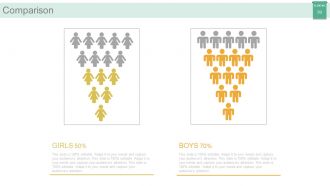
Slide 39: This is a Comparison slide in creative form. State comparison, specifications etc. here.
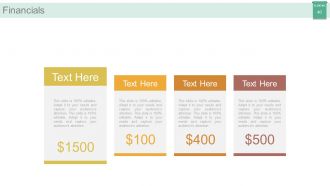
Slide 40: This is a Financials score slide to state financial aspects etc.
Slide 41: This is a Quotes slide to show something you want to convey. You may change the slide content as required.
Slide 42: This is a Dashboard slide to state Low, medium and High aspects, kpis, metrics etc.
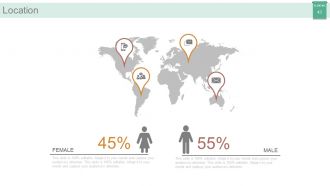
Slide 43: This is a Location slide displaying male & female and world map image. Mark specific locations for company growth, market etc. here.
Slide 44: This slide showcases a Timeline to show milestones, important highlights etc.
Slide 45: This is a Newspaper image slide to show important information, events etc. Pin your information here.
Slide 46: This is a Puzzle image slide. State information, specifications etc. here.
Slide 47: This is a Target slide. State here your targets.
Slide 48: This is a Circular image slide. State specifications, information here.
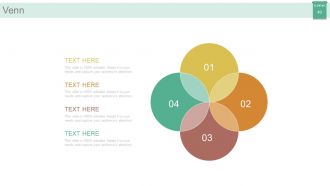
Slide 49: This is a Venn diagram slide to show information, specifications etc.
Slide 50: This is a Mind Map image slide to show segmentation, information, specifications etc.
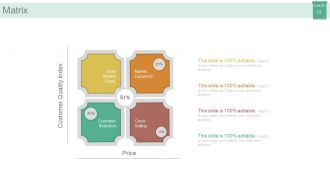
Slide 51: This is a Matrix slide to show segmentation, information, specifications such as- Grow Market share, Market Expansion, Customer Retention, Cross Selling in terms of Customer Quality Index and Price.
Slide 52: This is a Lego image slide. State information, specifications etc. here.
Slide 53: This slide shows Silhouettes with text boxes. State people related information, specifications etc. here.
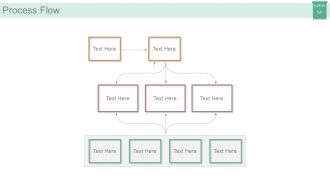
Slide 54: This slide shows Process Flow with text boxes. State process related information, specifications etc. here.
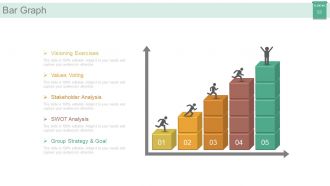
Slide 55: This is a Bar Graph slide to show information, specifications etc. such as- Visioning Exercises, Values Voting, Stakeholder Analysis, SWOT Analysis, Group Strategy & Goal.
Slide 56: This is a Magnifier Glass image slide to show information, specifications etc.
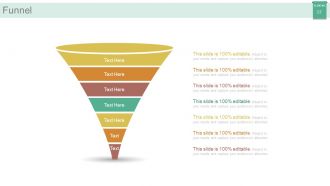
Slide 57: This is a Funnel image slide to show information, specifications etc.
Slide 58: This is a Thank You slide for acknowledgement and ending a presentation.
Market segmentation strategy solutions powerpoint presentation with slides with all 58 slides:
Our Market Segmentation Strategy Solutions Complete Powerpoint Deck With Slides enable you to glide along. Your advance will be effortless.


FAQs for Market segmentation strategy solutions powerpoint
Look for segments that are measurable, accessible, substantial, differentiable, and actionable. Make sure they're actually big enough to be worth your time - I've seen too many people chase tiny niches that go nowhere. You need to be able to reach these people with your marketing, and they should respond differently to your messaging than other groups. Having solid data to identify who belongs where is crucial. Oh, and actionable means you can actually build targeted campaigns for each segment. Test these against your current customers first. Does your segmentation actually make sense for driving results? That's what matters.
Honestly, focus on what actually makes your customers buy differently - that's the real game changer. Age and income are super easy to track, but lifestyle and values usually predict purchases way better. Don't get distracted by every shiny new segmentation method though! Take 2-3 key variables and test them against your actual sales data. See which ones clearly separate your high-value customers from the meh ones. Local businesses should def look at geography first. B2B companies do better with company size and industry stuff. Start simple and prove it works before you get all complicated about it.
Honestly, demographics drive pretty much everything about your product. Age, income, lifestyle - all that stuff helps you figure out what features to build and how to price things. Take skincare brands - the ones going after Gen Z are doing totally different things than brands targeting boomers, you know? Different ingredients, different packaging, different everything. You'll want to match your product complexity and where you sell it to who's actually buying. Oh, and definitely map out your current customers against what you're offering - might find some weird gaps you hadn't noticed before.
Okay so psychographic segmentation is honestly your best bet for positioning. Demographics tell you *who* buys, but psychographics reveal *why* they buy - which is way more useful. You're targeting "sustainability-focused early adopters" instead of just "millennials with disposable income." Your messaging can actually speak to their values and lifestyle choices. Makes your brand feel like it genuinely understands them, you know? I'd start by surveying your top customers about what motivates them. You'll probably discover positioning angles you hadn't even thought of before. It's just so much more effective than age brackets.
So basically you group customers by how they actually use your stuff - like how often they buy, what they click on, that kind of thing. Heavy users? Give them early access to new products. People who barely shop need those "hey, miss you" emails to come back. Way better than blasting everyone with the same generic message, which honestly just annoys people. Track your top 3 behavior patterns first - don't overcomplicate it. Then build different strategies for each group. Makes customers feel like you actually get them instead of treating them like a random number.
Honestly, the resource strain hits you first - you're basically juggling multiple mini-businesses at once. Each segment wants different messaging and marketing channels, plus you'll probably need product variations too. Data tracking becomes a nightmare when you're monitoring several audiences (learned this the hard way). Your team starts competing for priorities, and if segments overlap? Your brand messaging gets confusing fast. I'd say start with maybe 2-3 really clear segments before going crazy with it. Oh, and get your tracking systems sorted first - you don't want to be flying blind on performance.
Honestly, the data tools we have now blow the old demographic guessing games out of the water. You can dig into purchase patterns, website clicks, social stuff - way beyond just age and location. Customer data platforms are clutch because they actually connect all your scattered info. I'm a big fan of mixing AI clustering with your gut instincts about customers. Analytics will spot trends you'd miss completely. Start simple though - see what data you're already sitting on, then grab one decent tool to mess around with. The predictive stuff that shows who's ready to buy? That's where it gets really interesting.
Nike's probably the best example - they go after different sports, performance levels, plus lifestyle stuff like Air Jordan versus their running gear. Apple nails this too, honestly. They hit creative professionals, regular people, and business users with completely different messaging for basically the same products. McDonald's switches up their approach based on who's eating and when - breakfast crowd, families, late-night people. Oh, and their international menus change by country which is pretty clever. Starbucks does location-based stuff, like how they target office workers differently than students. These brands don't just make different products though - they're creating entirely separate experiences for each group.
Honestly, you've gotta bake flexibility into your segmentation from day one. Real-time data is your friend here - don't rely on those ancient annual reviews. I'd go quarterly at most. The pandemic taught me this lesson the brutal way when everything flipped overnight! Demographics are pretty useless tbh. Behavioral segments actually tell you something useful about how people act. Oh, and create micro-segments you can swap between fast. Having backup models ready means you won't be stuck rebuilding from scratch when things go sideways.
Okay so cultural stuff totally changes how you segment markets. You can't just blast the same message everywhere - what clicks in individualistic places like the US might bomb somewhere more collectivist. I learned this the hard way actually. Values and buying habits are completely different across cultures. Power distance matters too, plus how people handle uncertainty. Honestly, you've gotta research each culture separately and build different personas for each group. The messaging that works in Japan won't work in Brazil, you know? Skip the one-size-fits-all approach - it's basically guaranteed to backfire somewhere.
Look, small businesses crush it with targeted customers because you can actually get to know people - big corps can't do that. Why waste money shouting at everyone when you could talk directly to folks who'll actually buy? Your conversion rates will be way better, plus you'll build real loyalty instead of just... noise, I guess. Here's what I'd do: check out your current best customers first. What's similar about them? That's your starting point right there. Build your first segment around that pattern, then expand once you've nailed it. Way smarter than spraying and praying with your marketing budget.
Track the money stuff first - revenue per segment, conversion rates, and what it costs to get customers. Lifetime value matters too since better targeting should keep people around longer. Email opens and time on your site by segment are solid indicators. But honestly? Most people obsess over too many numbers and get overwhelmed. Pick like 4-5 metrics that actually matter for your goals. I'd set up a simple monthly comparison between segments - when you spot clear winners, double down on what's working for those groups.
Okay so basically you group people by what they have in common - age, buying habits, whatever. Then you can actually talk to them about stuff they care about instead of blasting everyone with the same boring message. Like, millennials probably want different things than boomers, right? You'll get way better results because people feel like you actually understand them. Higher clicks, more sales, all that good stuff. I'd start with maybe 3 or 4 groups and see what works. Way less work than you'd think once you get the hang of it.
Honestly, just start with SurveyMonkey or something similar to collect customer data - super straightforward. Google Analytics or Mixpanel work great for tracking how people actually behave on your site. If you're feeling ambitious, SPSS or R can run the fancy cluster analysis stuff, but don't sleep on Excel for basic segmentation. Works fine when you're starting out. Oh, and social listening tools like Brandwatch help you figure out what different customer groups are actually saying online - which is pretty valuable. I'd probably pick one survey tool first, use whatever analytics you've got, then see what you're missing from there.
So basically, take your bigger audience and keep narrowing it down until you hit these super specific groups that nobody's really serving well. I'd start with the obvious stuff - age, location, whatever - then dig into what makes them tick and what's driving them crazy that no one's fixing. Honestly, the sweet spot is finding problems where current solutions kinda suck. Survey people, stalk social media comments (in a non-creepy way), actually talk to potential customers. You want something big enough to make money but small enough that you can actually own it. Oh, and definitely test with like a tiny campaign first - I learned that one the hard way.
-
Great designs, Easily Editable.
-
Innovative and attractive designs.