

Monthly Financial Graph With Operating Profit And Cost Of Goods Sold





Try Before you Buy Download Free Sample Product
 Impress Your
Audience
 100%
Editable
 Save Hours
of Time


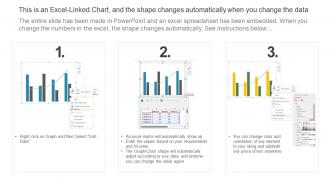
This slide showcases monthly analytics for to keep company finances organized and identify problem areas. It further includes details about marketing, professional fees, COGS and other operations.
People who downloaded this PowerPoint presentation also viewed the following :
Monthly Financial Graph With Operating Profit And Cost Of Goods Sold with all 7 slides:
Use our Monthly Financial Graph With Operating Profit And Cost Of Goods Sold to effectively help you save your valuable time. They are readymade to fit into any presentation structure.






FAQs for Monthly Financial Graph With Operating Profit And Cost
Take your total revenue and subtract everything you spend to actually run the business - wages, rent, utilities, inventory costs, marketing, all that stuff. Taxes and loan interest don't count since they're not really operational expenses. Some costs are weird gray areas, but if you need it to keep the lights on and sell your product, it probably counts. I'd track this monthly because catching problems early beats scrambling later. It's honestly one of the cleaner metrics to follow once you get the hang of what goes where.
So gross profit is just revenue minus what you paid for your actual products - pretty straightforward. Operating profit digs deeper though. It subtracts all your day-to-day business expenses too - payroll, rent, marketing, that kind of stuff. Honestly, this is the number that matters most to me when I'm looking at how things are going. Net profit comes last and includes taxes, loan interest, all that fun financial stuff. I think of operating profit as like... how's your actual business doing before accountants get their hands on it? Makes way more sense than getting lost in the other numbers.
So operating profit is basically what you want to look at when you're trying to figure out if a company's actual business is doing well. It strips out all the random stuff like taxes and interest payments that can make things confusing. Think of it like your paycheck before all the deductions get taken out - you get the real picture of what's coming in. I always check this first when I'm comparing different companies because honestly, everything else can be kind of misleading. It shows you whether management actually knows what they're doing. Way cleaner than looking at net income, which gets messy fast.
Honestly, there are two ways to tackle this - bump up your revenue per sale or slash your operating costs. I'd start with the big expense buckets first (labor, materials, overhead stuff). Quick wins? Renegotiate with suppliers or automate the boring repetitive tasks. Pricing strategy is huge on the revenue side - make sure you're pushing those high-margin products. Oh, and definitely track your margins monthly. I can't stress this enough because otherwise you'll waste time on stuff that doesn't actually help your bottom line.
So operating profit is basically revenue minus all your costs, right? Variable costs scale with how much you're selling - more units means higher costs. Fixed costs stay put no matter what (rent, salaries, that kind of stuff). Here's what's kinda counterintuitive though - sometimes higher fixed costs aren't the enemy if you can sell enough volume to spread them out. I learned this the hard way with my last project. You just gotta know your cost structure so you can price things right and predict what happens when sales go up or down.
Look, operating profit is basically what investors care about most - it shows if your actual business makes money before all the fancy accounting stuff. Analysts love using it for P/E ratios and comparing you to competitors. Consistent growth here? Your stock price usually follows. But when it drops, investors start getting nervous about whether you can compete. I always tell people to watch those quarterly margin trends - that's where the real story is. Honestly, it's probably the most honest metric you'll find since it cuts through all the noise.
Dude, operating profit is everything in retail, airlines, and manufacturing. These industries have insane thin margins so you really need to see what's left after all the operational costs hit. Retail's tricky because stores, labor, inventory - it all adds up fast. Airlines? Don't even get me started on fuel costs eating everything. Manufacturing too with all that production overhead. Revenue can look amazing but they're actually bleeding money once you factor in operations. Honestly, I always skip straight to operating profit when I'm looking at these sectors. It shows you if management actually knows what they're doing.
Operating profit margin is your best bet here - divide operating profit by revenue and compare that percentage to your competitors. Most companies drop this info in their annual reports, so it's not too hard to find. What's nice is operating profit cuts out all the random stuff like one-time charges or different tax setups, so you get a cleaner comparison of how businesses actually perform. Stick to similar-sized companies in your exact niche though, not the whole industry (learned that one the hard way). Check it quarterly to see if you're trending up or down against them.
So it really depends on what industry you're talking about. People still gotta eat and keep the lights on, so food companies and utilities usually weather recessions pretty well. But luxury stuff? Restaurants, travel, fancy handbags - those get crushed because nobody's spending on extras anymore. Manufacturing takes a hit too since demand just disappears but they're still paying for all their equipment and facilities. Tech is honestly unpredictable though - some companies do great if they're helping people save money or work remotely. The real question is whether your sector can still charge decent prices when everyone's broke.
Honestly, management decisions affect operating profit in so many ways it's kinda crazy. Revenue stuff is obvious - raise prices, launch new products, hit different markets. Cost cutting though? That's where you can really go wild. Renegotiate with suppliers, tweak staffing, automate whatever makes sense. Even boring stuff like switching software or fixing how you handle inventory adds up fast. I've seen companies obsess over decisions that look important but don't actually change the numbers. Focus on what genuinely moves things, not just what feels productive.
Here's the thing - people constantly mess up by throwing interest payments and random one-time costs into their operating expenses. Total disaster for your numbers. You also can't keep changing how you categorize stuff between months, otherwise your trends are garbage. Depreciation trips people up too (honestly, accounting can be such a pain). Sometimes they ignore it completely or just wing the calculation. Bottom line: stay consistent with what goes where, and always make sure you're actually comparing the same types of expenses when you're looking at performance over time.
Dude, start with automating the boring stuff - it'll slash your labor costs and cut way down on mistakes. Cloud systems are huge for this too, plus they give you way better data to actually make smart calls with. The ROI on automation tools right now is honestly insane. CRM software makes your sales team way more efficient, and good inventory management stops you from either sitting on too much stock or running out. Oh, and analytics tools? They'll show you money leaks you didn't even know you had. But don't go crazy - just pick one problem area first and fix that.
Operating profit isn't the same as actual cash flow - it includes stuff like depreciation that doesn't hit your bank account, plus it ignores things like equipment purchases or loan payments. But here's what I've noticed: companies with solid operating margins usually have way more flexibility. They can negotiate longer payment terms with suppliers or actually invest in growing their inventory without sweating it. The real trick is tracking how your profit trends impact your cash conversion cycle. Don't just assume profit automatically means cash sitting there waiting for you.
Think of operating profit as your pricing strategy's reality check. It shows if your revenue moves actually work once you factor in what it costs to run everything. Here's the thing though - more sales don't always equal better profits, which honestly trips up a lot of people. You've got to hit that sweet spot between volume and margins. Sometimes boosting revenue backfires if your costs jump too much. Before any big pricing changes, crunch the numbers on both what's coming in and what you're spending to deliver it. That balance is everything.
First thing - don't compare raw numbers since companies are totally different sizes. Use operating profit margins instead. Stick to the same industry too because tech margins are crazy different from retail. I'd look at 3-5 years of data rather than just one year. Oh and watch out for weird one-time events that mess with the numbers - those can be misleading. Operating profit per employee is another good metric to throw in. The whole point is comparing similar situations, then figuring out why some companies are crushing it while others aren't.
-
“I always have a wonderful experience with SlideTeam. It's my ""go to"" when I need a template.”
-
Exclusive and extensive collection of templates. Really helped me create a professional presentation in just no time.