


New product introduction presentation examples





Try Before you Buy Download Free Sample Product
 Impress Your
 Audience
 100%
100% Editable
 Save Hours
 of Time


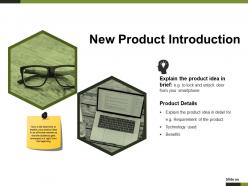
Win the crowd by releasing your latest products in a sophisticated way with this New Product Introduction Presentation Examples template. This product development PowerPoint PPT can be used to elucidate the product idea and its details. Take advantage of this marketing layout to depict the objectives, issues, SWOT analysis, and action plan for a particular offering. Reveal the marketing mix of your offering that includes product, price, place, and promotion with this launching products slide. Take the assistance of this introduction phase diagram to analyze the actions of your competitors and draft a strategy for the success of your product. Start the marketing of your offerings at an early phase and provide product information leaks online to intrigue prospective clients with this product image. Download this product release infographic to launch your product or service in an extraordinary and modern way to captivate your potential customers.
People who downloaded this PowerPoint presentation also viewed the following :
New product introduction presentation examples with all 5 slides:
Bring back the intensity of excitement with our New Product Introduction Presentation Examples. Invigorate jaded folks.
FAQs for New product
Honestly, start with market research - like actually talk to people who'd buy this thing. Too many launches fail because nobody wanted it in the first place. Build something that fixes a real problem, then test it with actual users (not just your team). Figure out your pricing and how you'll get it out there before you launch. Oh, and make sure everyone on your team is on the same page from the beginning. I swear miscommunication screws up more launches than crappy products do. Track everything once it's live and listen to feedback. That's where the real learning happens.
Dude, market research is literally your GPS for building stuff people actually want. I'd start by figuring out your biggest question marks, then design research around those specific gaps. Test your concept early, get feedback on prototypes, keep tweaking based on what you discover. Don't just do it once at the beginning though - that's where most teams mess up. You need insights at multiple stages to nail your features, pricing, all that stuff. I swear I've watched so many startups build these elaborate products that nobody even wanted because they skipped this step. It's kinda painful to watch honestly.
So competitive analysis is basically your cheat sheet for not walking into a disaster. Figure out what your top 3-5 competitors are doing - their pricing, features, messaging, the whole deal. Customer reviews are gold for spotting where they're screwing up. That's where you can swoop in and do better. Timing matters too - launching right when your biggest competitor drops their new campaign? Yeah, probably not ideal unless you want that headache. Look for gaps they're missing and position yourself there instead.
Honestly, cross-functional teams are a game changer for product launches. When you get engineering, marketing, sales, and support talking from day one, they catch problems before they blow up. No more "wait, the product doesn't actually do what we promised" disasters. Your messaging stays consistent, sales knows what they're selling, and everyone's on the same page. The trick is those regular sync meetings right from the start - don't just dump everyone together last minute and hope for the best. I learned this the hard way on my last launch.
Track both the quick wins and long-term stuff. Sales velocity, market share, customer acquisition cost - those show immediate momentum. Customer satisfaction and repeat purchases tell you if it'll actually last. Production efficiency matters too, and honestly, support tickets can get crazy fast if you're not paying attention. Before you launch, set your benchmarks so you're not guessing what success looks like later. I'd stick to 4-5 key metrics max - any more and you'll drown in data. Check them weekly for the first three months, then you can probably space it out.
Dude, think about it - people judge your product before they even touch it based on your branding. Good positioning makes them instantly get what problem you're solving. The emotional stuff matters way more than you'd think honestly, like people decide in seconds if something "feels right" to them. I've seen incredible products totally flop because the messaging was confusing or off-brand. You gotta be super clear about what makes you different and then... this is the hard part... make sure literally everything says the same thing. Sounds simple but it's not.
Honestly, figure out what actually makes your product different first - like, what can you do that nobody else can? Pick a specific group of people to focus on instead of trying to please everyone (trust me on this one). Decide if you're the fancy expensive option or the budget-friendly choice based on what you're actually good at. Stalk your competitors a bit - see where they're screwing up or missing opportunities. Test your pitch with real people before you go all-in. Can you explain your main selling point in one sentence? If not, you've got more work to do.
Honestly, customer feedback is everything - it's what keeps you grounded when your team gets tunnel vision. Get those outside voices early, like during wireframes, not just at the end when pivoting costs a fortune. They'll spot blind spots you missed and tell you if you're actually solving real problems. I learned this the hard way watching teams (including mine once) get obsessed with features nobody wanted. Short feedback loops are your friend here. Keep asking, keep iterating, and don't fall in love with your first idea because it's probably not your best one.
Honestly the worst mistake is skipping customer research - like you build this amazing thing and then crickets because nobody actually wants it. Happens all the time. Also rushing to launch without testing properly will bite you in the ass. Pricing is tricky too, most people get it wrong initially. Oh and don't underestimate how long it takes people to "get" your product. Sometimes you're explaining basic stuff for months. Teams not talking to each other screws things up constantly too. My take? Do way more customer interviews than feels necessary. Buffer time for literally everything because it always takes longer.
Here's what works really well - tell a story about your customer's journey. Start with their actual problem, then walk through how your product fixes it. Stories stick way better than boring feature lists, I swear. So like: "Sarah was drowning in X problem, found our tool, here's what changed in her workflow, now she's saving 3 hours every week." Real examples with actual numbers are gold. Paint that before/after picture clearly. The key thing? Help your audience picture themselves as Sarah by the end. They need to see their own transformation, not just hers.
Honestly, focus on three things: targeted social ads, email campaigns to your current list, and influencer partnerships. Those are gonna give you the most ROI. Start teasing content like two weeks before launch to build hype, then go all-in with demo videos once you're live. Oh, and retargeting is clutch - people are lazy and need to see stuff multiple times before they actually buy. For platforms, LinkedIn's your friend if it's B2B, but Instagram and TikTok absolutely demolish for consumer stuff. Don't forget to segment your email list based on what people actually care about.
Honestly? Before you dive into building anything, figure out if this product actually fits your business goals and target audience. Does it help your competitive edge? Better serve current customers? Open new markets you want? I've watched so many companies get hyped about "cool" features that don't impact their bottom line at all. Your roadmap needs to tie directly to revenue and growth plans - sounds boring but it works. Draft a one-page doc showing how this connects to your bigger strategy. Trust me, it keeps everyone on track when things get chaotic later.
Honestly, timing can make or break everything with product launches. You've got to juggle so many moving pieces - market readiness, seasonal stuff, what competitors are doing, whether your team can actually handle it. Jump the gun and you'll hit technical problems or customers who aren't ready yet. Wait too long? Someone else swoops in or the moment just passes. I've watched incredible products tank purely because of bad timing - it's brutal to see. The magic happens when demand is high, you're actually prepared, and there's room to stand out. Oh, and always sketch out these timing factors first before you pick any dates.
Honestly, start teasing features way before you launch - like cryptic posts or behind-the-scenes stuff to get people curious. Find some influencers in your niche for real endorsements (not the obviously paid ones). User-generated content is gold too. Get early users sharing with a hashtag you create. Live demos work great. So do countdown posts and exclusive sneak peeks for followers. Oh, and don't try to be everywhere at once - that's exhausting. Pick maybe 2-3 platforms where your people actually are and focus there. Consistency beats perfection every time, trust me on that one.
Start with actual product demos - your sales team needs to touch and feel what they're selling. Role-playing sessions come next for handling objections. I swear, most launches bomb because someone just threw together a PowerPoint deck. Give them competitive talking points and customer success stories they can actually tell. Short reference sheets work way better than long manuals during live calls. Oh, and make sure they know the key differentiators cold. The whole point is building confidence, not cramming their heads with random facts.
-
Innovative and Colorful designs.
-
Colors used are bright and distinctive.