


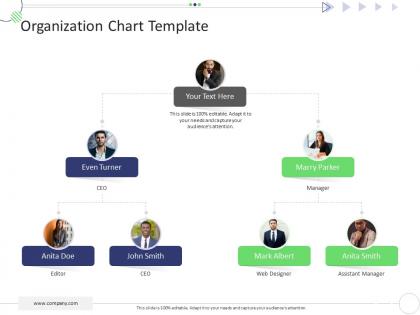
Organization chart template mckinsey 7s strategic framework project management ppt microsoft




Try Before you Buy Download Free Sample Product
 Impress Your
 Audience
 100%
100% Editable
 Save Hours
 of Time


Our Organization Chart Template Mckinsey 7s Strategic Framework Project Management Ppt Microsoft are topically designed to provide an attractive backdrop to any subject. Use them to look like a presentation pro.
People who downloaded this PowerPoint presentation also viewed the following :
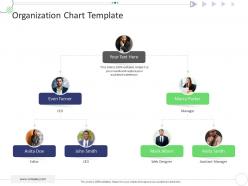
Organization chart template mckinsey 7s strategic framework project management ppt microsoft with all 2 slides:
Use our Organization Chart Template Mckinsey 7s Strategic Framework Project Management Ppt Microsoft to effectively help you save your valuable time. They are readymade to fit into any presentation structure.
FAQs for Organization chart template mckinsey 7s strategic framework project
So it's Strategy, Structure, Systems, Shared Values, Style, Staff, and Skills - yeah, they really went all-in on that alliteration thing. The first three are the "hard" stuff you can actually measure and change pretty easily. Then you've got the "soft" elements that are way trickier because they're about people and culture. Shared Values is supposedly the center that connects everything else. Honestly, the whole thing works best when you check if all seven pieces actually fit together - most companies mess up because these elements are pulling in different directions and nobody notices.
Okay so the 7S Framework is basically your reality check for change management. Map out where you currently stand on all seven elements - strategy, structure, systems, skills, staff, style, and shared values. Then figure out which ones need tweaking to hit your goals. What's wild is how interconnected everything is. Leaders always obsess over strategy changes but totally ignore whether their team actually has the right skills or if the company culture will support it. That's where things fall apart. You can't just flip one switch and expect everything else to magically align. Oh, and honestly? The "soft" stuff like culture usually matters way more than people think.
So the 7S Framework is actually really useful for figuring out why teams feel stuck. It breaks everything down into seven areas - strategy, structure, systems, shared values, skills, style, and staff. What's cool is when you map it out, you'll often spot weird disconnects. Like maybe your team structure totally clashes with the strategy you're pushing, or people don't have the right skills for what you need them to do. I've seen this so many times. Just do a quick check of where you stand on each area and see what jumps out. It's kind of amazing how the gaps become obvious once you actually look.
Honestly, the 7S thing is pretty straightforward once you get it. Map out your strategy first, then see if your org structure actually helps or fights against it - that's where like 90% of companies screw themselves over. Check if your systems and processes match what you're trying to do. The soft stuff matters too though - your people's skills, leadership style, company values, all that. It forces you to look at the whole picture instead of just moving people around on paper. I'd run through all seven before changing anything major. Oh and don't skip the "shared values" part even if it feels touchy-feely.
So shared values are basically the centerpiece of the whole 7S thing - they're like your company's DNA that shapes everything else. McKinsey stuck them right in the middle because they touch strategy, structure, systems, all of it. Honestly, they're a pain to actually change, which is why most transformation efforts fail. You gotta figure out what your team really believes in first (ignore whatever's printed on those motivational posters). Then see if those values match where you're headed. If they don't align, good luck getting the other six elements to work together. It's messy but worth doing right.
So basically you need to map out where you're at now vs where you want to be across all 7 elements - strategy, structure, systems, values, leadership style, people, and skills. Honestly, the mapping part is kind of a pain but necessary. Look for spots where things don't match up, like if you're pushing innovation but your systems are stuck in the stone age. Get input through surveys and interviews at different levels. Don't just tick boxes though - you're hunting for actual conflicts between the elements. A visual tracker helps keep tabs on everything. Oh and workshops work great for this stuff too.
Honestly, the hardest part is how everything connects - touch one thing and suddenly three other areas are shifting too. Those "soft" elements like company culture and employee skills? Way trickier to pin down than just redoing an org chart. I'd map out where you are now across all seven areas first, then pick maybe two to focus on. Don't try fixing everything at once or you'll go crazy. The whole thing can feel pretty overwhelming at first, but it's actually solid once you get the hang of it.
So McKinsey's 7S is totally different from other change models because it hits you with everything at once. Most frameworks like Kotter's are step-by-step, but this one? You're juggling strategy, structure, systems, skills, staff, style, and shared values all together. Honestly sounds chaotic, but that's the point - you can't just fix one thing and call it done. Everything's connected. Other models feel more manageable since they're linear, but 7S forces you to think like everything affects everything else. My advice? Map out where you stand on all seven before you touch anything. It's overwhelming but way more realistic.
Honestly, the 7S Framework shines during big organizational shake-ups - mergers, restructuring, those fun strategic pivots that make everyone panic. Use it when surface fixes aren't cutting it and you suspect deeper misalignment issues. Post-acquisition integration is where I've seen it really save people's butts (and trust me, those situations are always a disaster waiting to happen). You can also get ahead of problems by using it before major changes hit. The whole point is looking at all seven elements as a connected system instead of band-aiding individual pieces. Map your current state first, then spot the gaps.
Yeah definitely! The 7S Framework is actually perfect for startups - might work better than for big companies honestly. Instead of fixing broken stuff, you're building everything fresh. I'd focus hard on the "soft" parts like company culture and values since those make or break early companies. Your strategy and structure will change constantly (totally normal), but when all seven pieces align, scaling gets way smoother. Oh and map out where you currently stand on each element first, then spot the gaps that'll bite you later.
Start with quarterly check-ins to see how changes in one area affect the others. Pick two connected elements first - maybe strategy and structure - and track how they influence each other. The framework's pretty good at showing these ripple effects automatically. Create metrics for each S, then watch how they connect over time. Honestly, I'd avoid trying to tackle all seven at once because that gets messy fast. Once you've got your feedback system working for two elements, expand it to capture the whole network. It's basically an early warning system that tells you when things are getting out of sync.
So IBM totally nailed this back in the 90s when they shifted from hardware to services - they made sure strategy, structure, skills, culture, all of it pointed the same direction. Jack Welch did something similar at GE with his whole "be
-
Thanks for all your great templates they have saved me lots of time and accelerate my presentations. Great product, keep them up!