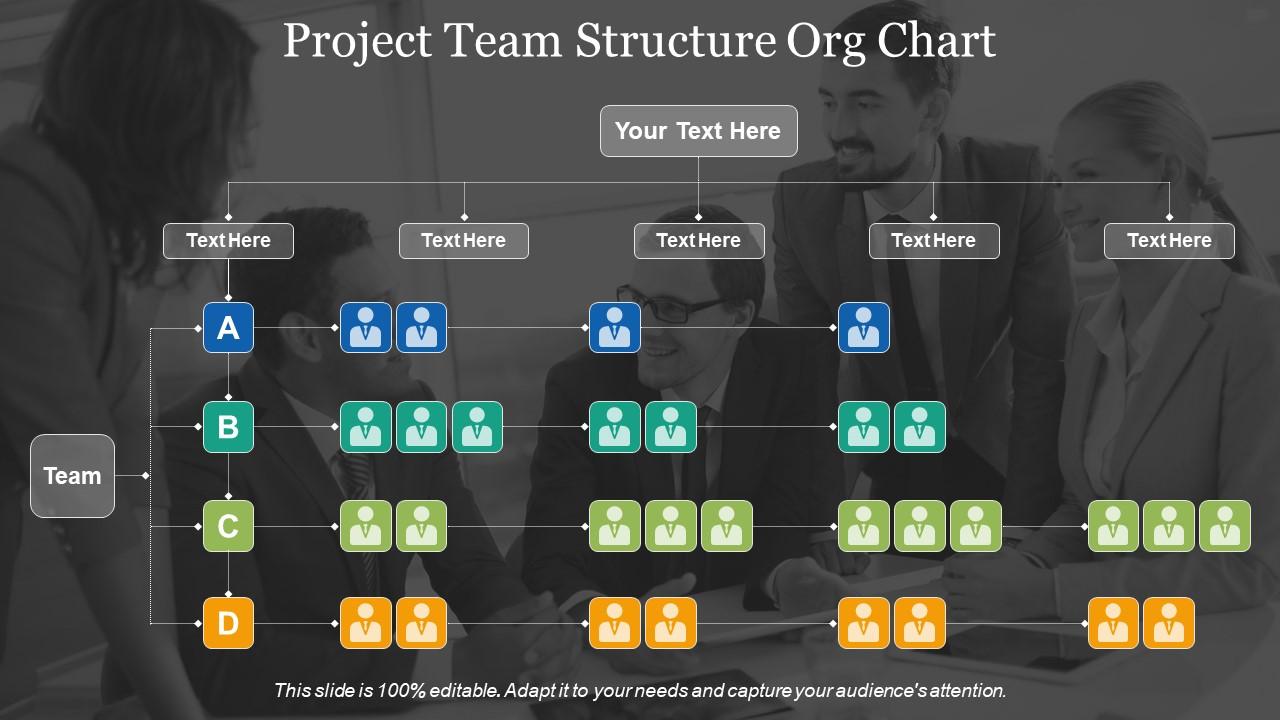
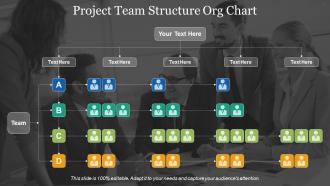
Project team structure org chart

Slide 1 of 6
Favourites Favourites

Try Before you Buy Download Free Sample Product

Audience Impress Your
Audience
Editable 100%
Editable
Time Save Hours
of Time
The Biggest Sale is ending soon in
0
0
:
0
0
:
0
0
PPT design is easy download and can be changed into other software programs such as JPEG and PDF. Presentation template is available with choice to download with different nodes and stages. Completely editable PowerPoint diagram can be edited as colors, icons, and text. Easy to present amongst large set of audience as accessible in widescreen view option. Presentation slide can be merged with Google slides as fully compatible with them.

FAQs for Project team

So you've got your basic crew: project manager runs everything, business analyst translates what people actually want (good luck with that), developers build the thing, QA tests so it doesn't explode, and product owner decides what features matter. Agile teams sometimes add a scrum master too, though honestly? That job's pretty similar to PM work anyway. Really depends how big your project is. Look at who you're missing first, then figure out if you need separate people for each role or if someone can juggle a few hats.

Honestly, 5-7 people is the sweet spot for most projects. Smaller teams are great - they move fast and actually talk to each other. But you might be missing key skills or just not have enough hands. Go bigger than 8 people though? Good luck with that mess. I sat through way too many giant standups where half the team zones out. You end up coordinating more than actually working. Match your team size to what you're building, I guess. Start small and only add people when you're genuinely stuck without their specific expertise.

Honestly, just get your communication sorted from the start. Daily check-ins work well if things are moving fast, weekly ones for slower projects. Pick one place for all your project stuff - I hate email chains personally, shared docs are way better. Everyone needs to know who decides what and when to bring others in. The biggest thing though? People need to feel safe speaking up when shit hits the fan. Try asking your team how they like to communicate in your next meeting - sounds basic but it actually helps a ton.

Waterfall's all about those clear hierarchies - project managers at the top, then analysts, devs, testers working one after another. Agile throws that out the window though. Cross-functional teams become your thing, where everyone tackles problems together during sprints. Honestly? The transition was rough for our team at first. But here's the deal - instead of passing work down like a relay race, Agile folks just swarm issues as a group. Figure out what roles you actually need first. Then decide if they're working separately or as one tight unit. Makes a huge difference in how fast you can pivot when things get weird.

So flat structures are great because decisions happen fast and people actually talk to each other instead of playing telephone through managers. Everyone feels more involved too. But man, with bigger projects it turns into a mess - too many people trying to lead and nobody really in charge. Hierarchical setups give you clear lines of who's responsible for what, which works for complex stuff. The downside? Everything moves slower and people feel left out of decisions. I'd go flat for small creative teams, hierarchical when you're dealing with lots of people or need tight control.

Honestly, I'd start by listing out all your deliverables and breaking them into actual tasks. Figure out what skills each piece needs - tech stuff, domain knowledge, communication, problem-solving, whatever. Don't sleep on the boring bits like stakeholder management or regulatory stuff if that's relevant. Once you've got your skills list, you can work backwards to see how many people you need and what their backgrounds should look like. The hardest part? Being brutally honest about what your current team can't do. Then decide if you're hiring, training people up, or just bringing in contractors to plug the gaps.

Honestly, you're like the architect AND the repair guy for your team. Define who does what, set up clear reporting - the basics. But here's the thing that trips people up: you can't just set it and forget it. Projects change constantly (mine always spiral into something totally different), so your structure needs to bend with it. Document everything visually - trust me on this one. When something feels off, don't be scared to shake things up. I check in on our team setup every couple weeks because what worked in month one might be completely wrong by month three.

Honestly, mixed teams are where the magic happens. You get people thinking about problems in totally different ways - someone from marketing might spot something an engineer would miss completely. Different backgrounds mean fewer blind spots too. I've seen way too many homogeneous teams just nod along with the first decent idea instead of really digging deeper. The trick is actually getting everyone to speak up during meetings though. Some people need more encouragement to share their perspective, but it's worth it for the creative solutions you'll get.

Honestly, just grab a few good tools and stick with them. Slack or Teams work great for quick messages, and something like Trello keeps projects organized without being overwhelming. Cloud storage is a lifesaver - no more "which version is the latest?" drama. Video calls are obviously clutch for remote folks, though I'm personally over staring at screens all day lol. Google Docs lets everyone edit at once which is pretty cool. Don't go overboard though! Pick maybe 3-4 tools max and actually get your team to use them consistently. Otherwise you'll just confuse everyone.

So make a RACI matrix - sounds fancy but it's just mapping out who's Responsible, Accountable, Consulted, and Informed for each task. List all your major deliverables first. Then assign ONE person as accountable (seriously, don't double up here or you'll hate your life). Figure out who actually does the work vs who just needs updates. I know it seems like busy work, but when everyone's panicking about deadlines, you'll just point to the chart. Share it with the team and actually use it in meetings when people start the whole "wait, whose job is this?" thing.

Definitely pair them with a buddy for the first week or two. Game changer, honestly. Get them into all your project docs right away and do a quick rundown of what's urgent right now. I know team intro meetings feel super cheesy, but they actually help - saves everyone from the "wait, who handles that again?" confusion later. Make sure they know how you guys communicate too, like whether it's Slack for quick stuff or email for the formal things. Oh, and don't forget to check in after their first week to see how they're doing.

Honestly, you gotta stay flexible with team structure as things change. Start flat for brainstorming sessions, then break into specialized groups when technical stuff gets hairy. Tight deadline? Pull your decision-makers into a war room situation. Sometimes you'll need outside experts or have to shuffle people around - it happens. Don't get attached to your original setup just because it looked good on paper. Oh, and definitely overcommunicate when you make changes. Nothing worse than people not knowing who they report to or what their role actually is anymore.

Here's what I'd focus on if I were you: sprint velocity and on-time delivery rates are solid starting points. Quality stuff matters too - defect rates, how much rework you're doing. But honestly? Don't sleep on the team health metrics. Satisfaction surveys, how well people collaborate, whether they're actually sharing knowledge with each other. Communication is probably the biggest one though - response times, whether your meetings are productive or just time-wasters. I learned this the hard way on my last project. Pick maybe 3-4 metrics max that actually match your goals. You'll go crazy trying to measure everything.

Dude, team dynamics literally make or break everything. I've watched amazing ideas crash and burn just because people couldn't get along. Clear roles and good communication? You'll actually hit your deadlines and the work won't suck. But when there's drama or nobody knows what they're doing, even basic stuff becomes a total mess. Plus good vibes keep everyone motivated when things get rough (which they always do, let's be real). Honestly, spend time at the beginning figuring out how you'll work together. Way better than trying to fix a dysfunctional team halfway through.

Honestly, deal with conflicts right when they pop up - don't let that stuff sit and get weird. Make sure people feel safe speaking up about issues, but keep it focused on the actual problem instead of getting personal (which is harder than it sounds, trust me). Listen to everyone's side first. Then brainstorm solutions together that work for the whole team. If things get really messy, sometimes bringing in someone neutral helps. Oh, and set up clear communication rules from day one so your team knows handling conflict is just normal business, not some big dramatic failure.

Ratings and Reviews

0% of 100
Review Form
Write a review
Most Relevant Reviews

No Reviews