


Pharmaceutical Company Sales Analysis On Power BI




Try Before you Buy Download Free Sample Product
 Impress Your
 Audience
 100%
100% Editable
 Save Hours
 of Time


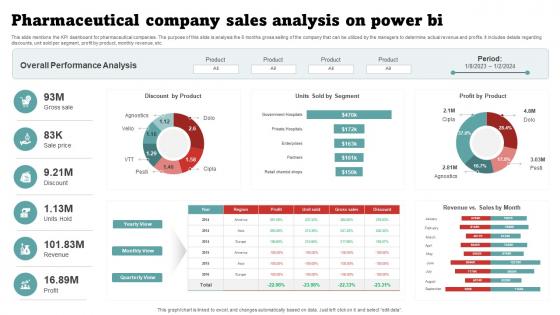
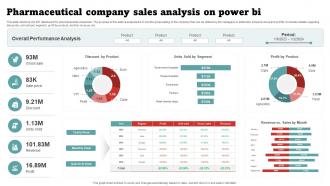
This slide mentions the KPI dashboard for pharmaceutical companies. The purpose of this slide is analysis the 6 months gross selling of the company that can be utilized by the managers to determine actual revenue and profits. It includes details regarding discounts, unit sold per segment, profit by product, monthly revenue, etc.
People who downloaded this PowerPoint presentation also viewed the following :
Pharmaceutical Company Sales Analysis On Power BI with all 10 slides:
Use our Pharmaceutical Company Sales Analysis On Power BI to effectively help you save your valuable time. They are readymade to fit into any presentation structure.








FAQs for Pharmaceutical Company Sales Analysis
Honestly, you need both the hard numbers and the softer stuff. Sales volume and revenue per territory are obvious starting points. Track prescription growth rates too - that's where you'll see real impact. Activity-wise, monitor call frequency, sample distribution, and how well they're reaching the high-value docs. Market share in their territory matters huge. But here's the thing - don't sleep on relationship metrics like customer satisfaction scores. The reps who actually build connections with physicians? They crush the ones who just push product. Monthly dashboards work great for spotting trends early. Oh, and retention rates tell you a lot about rep quality too.
So here's the thing - market segmentation is a game changer for pharma sales. You can ditch the one-size-fits-all approach and actually speak to what each group cares about. A cardiologist dealing with complex cases has totally different headaches than a family doc seeing 30 patients a day, you know? Look at your customer data first and find maybe 3-4 clear segments based on specialty, practice size, patient mix - that kind of stuff. Then build messaging that hits their specific pain points. Honestly, the engagement rates speak for themselves when you get this right.
Competitive analysis is your secret weapon for pharma sales - shows you exactly what competitors are up to so you can position better. Track their launches, clinical results, and sales tactics religiously. Look for gaps in their messaging and untapped segments they're missing. Honestly feels a bit like spying sometimes, but it's totally legit business intel. Use those insights to craft stronger pitches for doctors and highlight what makes your product different. Don't forget pricing strategy either - knowing their moves helps you stay competitive. It's basically how you avoid getting blindsided by the competition.
Ugh, regulatory changes are such a headache - they basically blow up your whole sales strategy overnight. Your team needs retraining, all your materials become outdated, and sometimes you're scrambling to rethink your entire approach. Some doctors get super cautious with new rules while others actually like the changes. The trick is watching for updates before they drop so you can pivot faster than everyone else. It sucks dealing with compliance stuff, but honestly? If you move quick enough, there's usually some advantage to grab while competitors are still figuring things out.
Time series models like ARIMA work well for pharma forecasting, but you'll definitely want to mix in regression for the big drivers. Patent cliffs are brutal - honestly they'll tank your numbers if you miss them. Random forests handle all those messy variables pretty nicely too. Start simple with moving averages, then get fancy later. Don't forget seasonality and competitive launches (they hurt more than you think). Regulatory stuff is impossible to predict but try factoring in approval timelines anyway. Oh, and always backtest against historical data - learned that one the hard way. Economic indicators and demographics matter too, just saying.
So with CRM systems, you get this complete picture of all your healthcare provider relationships - like their prescribing habits, past conversations, preferences, the works. Managing hundreds of accounts becomes way more doable when the system automatically handles follow-ups and reminds you about key touchpoints. The analytics piece is where things get interesting though. You'll start noticing patterns, like which docs jump on new products first or who might be thinking about switching. Oh, and here's the thing nobody talks about enough - your team has to actually put in good data consistently. Otherwise you're just working with junk.
Look, doctors are literally everything in pharma sales. No prescriptions = no money, period. What drives their choices? Efficacy data, side effects, how easy the dosing is. Patient outcomes matter huge. Sometimes it's weird stuff too - like whether your support programs are decent or if the packaging sucks. Different specialties care about totally different things though. Oncologists aren't thinking like family docs at all. Here's what actually works: figure out what each important prescriber really values, then adjust your pitch. I learned this the hard way when I kept losing deals because I wasn't paying attention to what they actually cared about.
Dude, digital marketing tools will seriously change how you do pharma sales outreach. CRM platforms help you track which doctors are actually engaging with your stuff. Email automation scales your lead nurturing without you going crazy. LinkedIn Sales Navigator? Total game-changer for finding the right contacts - I'm kind of obsessed with it honestly. Marketing automation sends personalized content based on what docs prescribe and their specialties. Social media analytics finds key opinion leaders too. Don't try implementing everything at once though. Start with a good CRM to organize all your prospect data first.
Honestly, pharma ROI is a nightmare to track. Sales cycles drag on forever - months, sometimes years before docs actually change prescribing habits. You can't just point to one call and say "that made us $50K" like other sales jobs. Way too many moving pieces mess with the data: insurance changes, other reps hitting the same docs, new studies coming out, formulary updates. It's chaos trying to figure out what actually worked. I'd focus on stuff you can actually measure in the short term instead - prescription trends, picking up new prescribers, share metrics that usually predict sales down the road.
Here's what I'd do - dig into your prescription data first to see where docs are prescribing competitors instead of you. Patient demographics are huge too, especially with aging populations driving different disease patterns. Honestly, most pharma companies are sitting on goldmines of CRM data they barely use. Cross-reference your historical sales with market intelligence to figure out which physicians might be ready to switch or boost their prescribing. Territory gaps become super obvious once you map this stuff out. I'd start by scoring your physician database - look at their prescription potential versus how engaged they actually are with your reps.
Honestly, patient privacy is huge here - you've gotta anonymize everything and stick to HIPAA like your job depends on it (because it does). Don't let your analysis accidentally push overprescribing or unfairly target certain groups. Be upfront about where your data comes from, especially if doctors might base decisions on your work. And obviously don't mess with the numbers to make drugs look better than they are - that's just sketchy. Run it by compliance first though, seriously. Document what safeguards you're using. This stuff can get messy fast if you're not careful.
Dude, longitudinal studies are game-changers for sales. Instead of just looking at quarterly snapshots, you're tracking the same tactics for months or years. That way you actually see what drives real growth vs. just quick wins. Like, relationship-building might look slow at first but then compounds like crazy over time. Meanwhile those pushy promo tactics? They usually hit a wall pretty fast. It's honestly the difference between watching random movie clips and seeing the whole story unfold. Plus you get solid data to back up your budget requests instead of just guessing.
Dude, pharma sales training is a game-changer. Your reps are talking to doctors who know their stuff inside and out - these aren't easy sells. They need rock-solid knowledge on drug mechanisms, trial results, all that clinical data. Honestly, the compliance piece alone makes it worth it since regulations shift constantly (seriously feels like every few months). Best approach I've seen? Mix product training with reading people and handling pushback. Track your call success rates after - you'll see the difference pretty quick.
Set up pulse surveys and advisory boards to actually capture what HCPs think about your products. Most reps just ask basic stuff during calls - waste of time honestly. Track their real concerns about efficacy, side effects, patient outcomes. Then use that data for your territory planning and messaging. If you systematically collect their insights, you'll spot market trends way before your competitors catch on. Oh, and create a simple feedback template for your next ten calls - makes the whole process way easier. It's amazing how many people skip this step but then wonder why their positioning feels off.
Honestly, AI stuff is where it's at right now for pharma sales. You can predict which docs will actually prescribe your products instead of just guessing. Real-time analytics are pretty sweet too - no more waiting around for those monthly reports that are already outdated. Mobile CRM is huge for field reps since they're always on the go anyway. Predictive modeling helps with market forecasting, though that one took me a while to wrap my head around. I'd probably start with just one AI analytics tool first. Don't try to do everything at once or you'll go crazy.
-
Loved the templates on SlideTeam, I believe I have found the go to place for my presentation needs!
-
Great combination of visuals and information. Glad I purchased your subscription.