


Pitch deck to raise debt capital from commercial finance companies powerpoint presentation slides




Try Before you Buy Download Free Sample Product
 Impress Your
 Audience
 100%
100% Editable
 Save Hours
 of Time


Our Pitch Deck To Raise Debt Capital From Commercial Finance Companies Powerpoint Presentation Slides are topically designed to provide an attractive backdrop to any subject. Use them to look like a presentation pro.
People who downloaded this PowerPoint presentation also viewed the following :
Content of this Powerpoint Presentation
Slide 1: This slide displays title i.e. 'Pitch Deck to Raise Debt Capital from Commercial Finance Companies' and your Company Name.
Slide 2: This slide presents agenda.
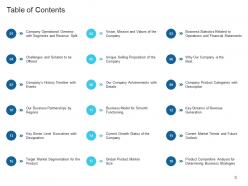
Slide 3: This slide exhibits table of contents.
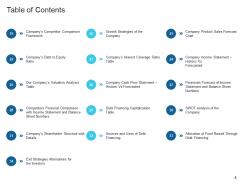
Slide 4: This slide shows table of contents.
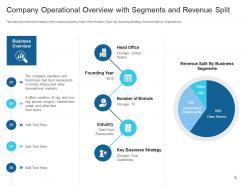
Slide 5: This slide shows the brief outline of the company including Head Office, Industry Type, Key Business Strategy, Revenue Split by Segments etc.
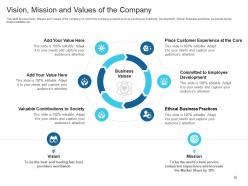
Slide 6: This slide shows Vision, Mission and Values of the company on which the company is based.
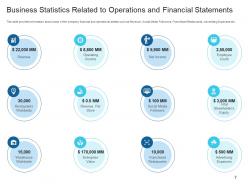
Slide 7: This slide provides information about some of the company financial and operational details such as Revenue, Social Media Followers, etc.
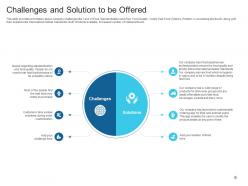
Slide 8: This slide provides information about company challenges like Lack of Food Standardization and Poor Food Quality, Costly Fast Food Options, etc.
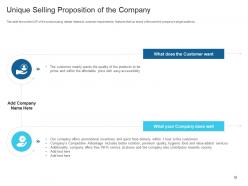
Slide 9: This slide shows the USP of the product along details related to customer requirements, features that our brand offers.
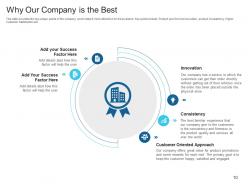
Slide 10: This slide provides the key unique points of the company which make it more attractive for the investors.
Slide 11: This slide shows history of the company with years and some important events such as Mobile application Launched, Market Share acquired in US, etc.
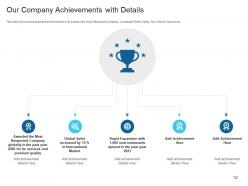
Slide 12: This slide shows some business achievements over a period like Most Respected Company, Increased Global Sales, New Stores Opened etc.
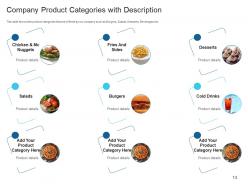
Slide 13: This slide shows the product categories that are offered by our company such as Burgers, Salads, Desserts, Beverages etc.
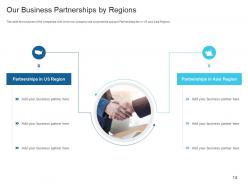
Slide 14: This slide shows some of the companies with which our company has corporate tie ups and Partnerships like in US and Asia Regions.
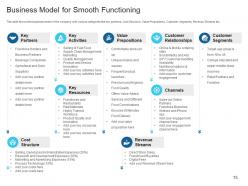
Slide 15: This slide shows the business model of the company with various categories like key partners, Cost Structure, Value Propositions, etc.
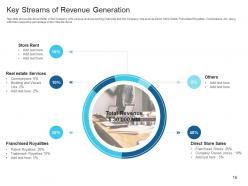
Slide 16: This slide shows Revenue Model of the Company with various revenue earning Channels that the Company has such as Direct Store Sales, etc.
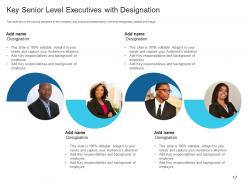
Slide 17: This slide show the various members of the company and a structural team along with their designation details and image.
Slide 18: This slide shows Current Growth Performance of the company in terms of rise in Earning per Share and overall Company Revenue.
Slide 19: This slide shows the current market overview of fast food market worldwide and Global Fast Food Market Size with a graph.
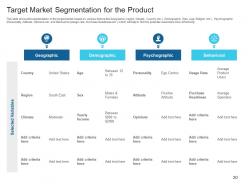
Slide 20: This slide shows the segmentation of the target market based on various factors like Geographic, Demographic, Psychographic, etc.
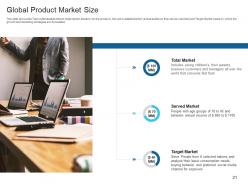
Slide 21: This slide shows the Total Addressable Market, Served Available Market and Target Market.
Slide 22: This slide provides product competitive analysis with respect to the competitors based on certain paraments like Key marketing Message, etc.
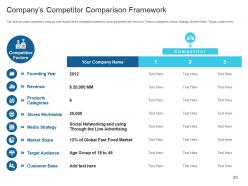
Slide 23: This slide provides competitive analysis with respect to the competitors based on some paraments like Revenue, Product categories, etc.
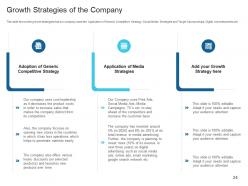
Slide 24: This slide shows the growth strategies that our company uses like Application of Generic Competitive Strategy, Social Media Strategies, etc.
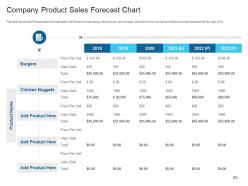
Slide 25: This slide shows the Product sales forecast table with Product names along with price per unit and total units sold for the current.
Slide 26: This slide shows company’s Debt Equity Structure Chart with Total Debt and Total Shareholder’s Equity.
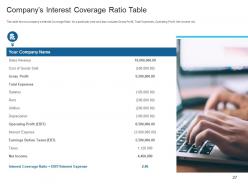
Slide 27: This slide shows company’s Interest Coverage Ratio for a particular year and also includes Gross Profit, Total Expenses, Operating Profit, Net Income etc.
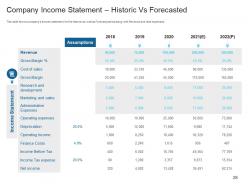
Slide 28: This slide shows company’s Income statement for the historic as well as Forecast period along with Revenue and total expenses.
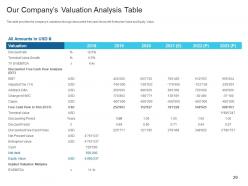
Slide 29: This slide provides the company’s valuations through discounted free cash flows with Enterprise Value and Equity Value.
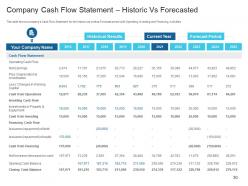
Slide 30: This slide shows company’s Cash Flow Statement for the historic as well as Forecast period with Operating, Investing and Financing Activities.
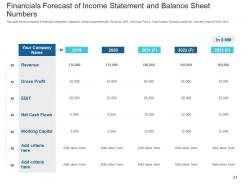
Slide 31: This slide shows company’s Financial Comparison based on certain parameters like Revenue, EBIT, Net Cash Flows, Total Assets, Working Capital etc.
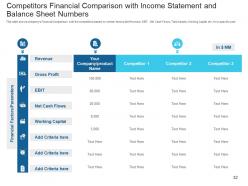
Slide 32: This slide shows company’s Financial Comparison with the competitors based on certain factors like Revenue, EBIT, Net Cash Flows, etc.
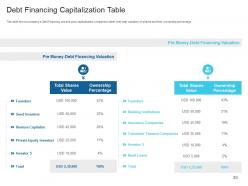
Slide 33: This slide shows company’s Debt Financing pre and post capitalization comparison table with total valuation of shares and their ownership percentage.
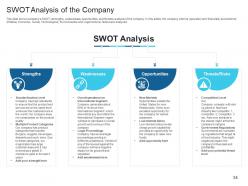
Slide 34: This slide shows company’s SWOT (strengths, weaknesses, opportunities, and threats) analysis of the company.
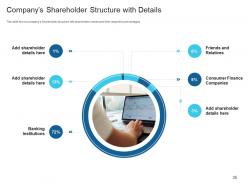
Slide 35: This slide shows company’s Shareholder structure with shareholder names and their respective percentages.
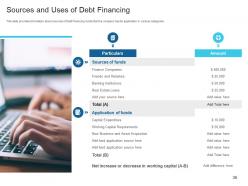
Slide 36: This slide provides information about sources of Debt Financing funds that the company has its application in various categories.
Slide 37: This slide shows that where the Debt Financing funds that the company has gathered, will be allocated like Capital Expenditure, etc.
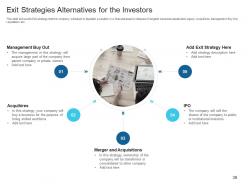
Slide 38: This slide shows the Exit strategy that the company will adopt to liquidate a position in a financial asset or dispose of tangible business assets.
Slide 39: This is the icons slide.
Slide 40: This slide presents title for additional slides.
Slide 41: This slide presents your company's vision, mission and goals.
Slide 42: This slide shows about your company, target audience and its client's values.
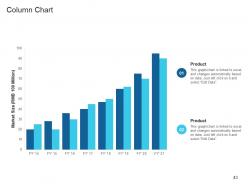
Slide 43: This slide exhibits yearly market size column charts for different products. The charts are linked to Excel.
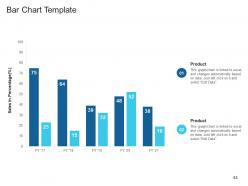
Slide 44: This slide displays yearly sales bar charts for different products. The charts are linked to Excel.
Slide 45: This slide displays Venn.
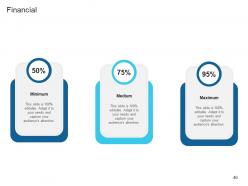
Slide 46: This slide showcases financials.
Slide 47: This slide shows roadmap.
Slide 48: This slide displays mind map.
Slide 49: This slide depicts 30-60-90 days plan for projects.
Slide 50: This slide exhibits ideas generated.
Slide 51: This slide depicts posts for past experiences of clients.
Slide 52: This is thank you slide & contains contact details of company like office address, phone no., etc.
Pitch deck to raise debt capital from commercial finance companies powerpoint presentation slides with all 52 slides:
Use our Pitch Deck To Raise Debt Capital From Commercial Finance Companies Powerpoint Presentation Slides to effectively help you save your valuable time. They are readymade to fit into any presentation structure.














FAQs for Pitch deck to raise debt capital from commercial finance companies
Dude, first get your cash flow projections rock solid - lenders are gonna tear those apart. Your credit and existing debt load will make or break this whole thing. Honestly, rates are still pretty brutal right now, so think hard about secured vs unsecured options. Don't overlook the fees and covenants that'll tie your hands later. I'd start by getting an audit done and maybe chatting with 3-4 lenders early just to see what's out there. Oh, and timing matters more than people think - you don't want to be desperate when you're negotiating.
So basically different types of debt mess with your ratios and borrowing costs in weird ways. Senior debt's cheap but they'll micromanage you with all these rules. Subordinated debt costs more but at least they leave you alone to run your business. Convertible bonds are honestly kind of annoying - lower rates now but your shareholders might get diluted later. Asset-backed stuff is cool though, you can squeeze cash out of specific assets without tanking your overall credit score. Each one hits your debt-to-equity differently and rating agencies read into what type you're using. They're always trying to figure out how risky you are.
Your credit rating basically controls everything when you're trying to raise debt. AAA or AA ratings? You'll get amazing interest rates and tons of investor interest. But if your rating sucks, you're gonna pay insane borrowing costs - assuming anyone even wants to lend to you. The jump from investment-grade to junk bond territory is honestly kind of shocking. I've seen deals die just because companies misjudged where they'd land. Before you pitch investors, figure out what the rating agencies will actually give you so you don't look clueless.
Okay so debt pitches are totally different than equity ones. Show them rock-solid cash flow numbers first - that's what they actually care about. Be super transparent about what you're doing with the money and how you'll pay it back. Conservative projections are your friend here, maybe throw in a couple different scenarios. Debt guys hate surprises way more than VCs do. Get your term sheet ready with realistic rates and terms. Oh and have all your audited financials organized in a data room before you even start - nothing kills momentum like scrambling for documents later. The whole thing should feel pretty straightforward, honestly.
Honestly, the biggest mistakes I see are crappy financial docs and only talking to like 2-3 lenders. Bad move. Your projections need to be realistic too - banks aren't stupid, they'll call out overly rosy numbers immediately. Time-wise, people always underestimate how long this takes, so don't wait until the last minute. Oh and here's something most people miss: the actual relationship with your lender matters way more than just getting the lowest rate. Trust me on that one. Start early, get your paperwork rock solid, and hit up at least 5-7 lenders to get them competing.
Honestly, market sentiment is everything when you're raising debt. Good vibes = better terms and quicker deals. Bad vibes? Even rock-solid companies get stuck. Remember 2022 when rates went crazy? The market basically vanished for like half a year - it was wild. You gotta watch for those sweet spots when credit spreads are tight and investors actually want your type of deal. If things start looking sketchy, either move super fast or just wait it out. Oh, and always keep your pitch materials ready because when that window opens, you don't want to be scrambling around looking for docs.
Honestly, convertibles are pretty sweet for cash flow - lower interest rates because investors get that equity upside later. But here's the catch: if you absolutely crush it, those investors convert and suddenly own way more of your company than they would've with regular debt. It's like being punished for doing well, which is annoying. Regular debt costs more upfront and has stricter rules, but at least your equity stays yours. I'd go convertible if you need cheaper money now and aren't too worried about giving up control down the road.
Get quotes from multiple lenders - they hate losing to competitors so you'll get better terms. Make sure your financials look perfect first though. Timing is huge here (seriously, most people mess this up). Don't negotiate when you're desperate for cash - do it while business is good. If it's a big raise, maybe hire a debt advisor? They know which lenders are actively looking and what's actually realistic. The whole game is making them compete for your deal.
Look, currency choice makes or breaks your international debt deal. You're gambling on FX rates if you issue foreign currency without hedging - and hedging isn't free. USD bonds get the best liquidity and widest investor pool, but honestly, the market's pretty crowded these days so don't expect amazing pricing. Euro or yen might work better depending on where your business actually makes money. The smart move? Match your debt currency to your revenue streams if you can. Otherwise you'll need a solid hedging plan before going to market. It's not rocket science but people mess this up constantly.
So this stuff gets messy fast depending on where you're doing it. US means dealing with SEC rules - either public offerings or finding the right private placement exemptions. Europe's got MiFID II and all their prospectus regs which honestly are kind of a pain. Asia-Pacific is all over the map - some countries make it pretty easy, others... not so much. Main things to figure out: does your debt need registration, what protections do investors get, any cross-border weirdness. Oh and definitely get local lawyers involved early. Trust me on that one.
Honestly, start with your current bank first - they already know your business inside and out, so you won't have to go through all that paperwork hell again. Relationship managers get bonuses for growing accounts, so they're actually motivated to help you out. Ask about upsizing what you already have or getting better rates based on your history with them. They can also hook you up with their specialized teams for equipment loans or whatever you need. I mean, why make it harder on yourself by cold-calling random lenders when you've got an existing relationship? Way less hassle.
Track your debt service coverage and interest coverage ratios first - those tell you if payments are actually manageable. Lenders obsess over debt-to-equity and debt-to-EBITDA ratios too, so watch those closely. Cash flow from operations is obviously critical. Oh, and don't miss covenant compliance stuff from your loan agreements - that's where things get messy fast if you're off track. Honestly, just build a simple monthly dashboard for all this. Makes it way easier to catch problems early instead of scrambling later when your banker calls asking questions.
Look, debt investors basically want proof you're not just making stuff up as you go. Your business plan shows them you actually get your market and have realistic numbers for paying them back. Cash flow forecasts are huge - they need to see how you'll handle different scenarios and what happens if things go sideways. It's kinda like getting a mortgage but way more complicated, honestly. Without a solid plan, you're asking someone to hand over money based on nothing but your word. Make sure you include detailed financials and show exactly how their money fits your growth plans. Trust me, skip this step and you're toast.
Look, macro stuff controls everything in debt markets. Rising rates mean higher borrowing costs and investors flee to safer bets. GDP growth changes how people view default risk. Inflation messes with credit spreads big time - honestly the Fed probably has more impact on your deal than your actual business fundamentals do. Central bank moves can totally shift timing windows. You've got to obsess over employment data, Fed announcements, all that jazz. Geopolitical drama either creates opportunities or kills them overnight. It's all connected in ways that'll make your head spin.
So debt covenants are basically rules lenders stick in agreements to protect themselves. They'll cap things like how much more you can borrow, what dividends you pay out, or big spending on equipment. Plus they love those financial ratio requirements - debt-to-EBITDA is their favorite. Honestly, some of these can be pretty brutal and really tie your hands. When times get rough or you want to grow fast, tight covenants become a real pain. My advice? Before you sign anything, think through how each restriction might screw with your plans down the road. Fight for wiggle room upfront because you'll need it later.
-
Great designs, really helpful.
-
Awesome presentation, really professional and easy to edit.
-
Wonderful templates design to use in business meetings.
-
Easily Understandable slides.
-
Awesomely designed templates, Easy to understand.
-
Great designs, really helpful.
-
Awesomely designed templates, Easy to understand.
-
Easily Understandable slides.
-
Content of slide is easy to understand and edit.
-
Use of different colors is good. It's simple and attractive.
-
Page:
- You're currently reading page 1
- Page 2
-
