


Pitch deck to raise funding from series a investment powerpoint presentation slides
Our Pitch Deck To Raise Funding From Series A Investment Powerpoint Presentation Slides are topically designed to provide an attractive backdrop to any subject. Use them to look like a presentation pro.
Our Pitch Deck To Raise Funding From Series A Investment Powerpoint Presentation Slides are topically designed to provide a..



















-

- Google Slides is a new FREE Presentation software from Google.
- All our content is 100% compatible with Google Slides.
- Just download our designs, and upload them to Google Slides and they will work automatically.
- Amaze your audience with SlideTeam and Google Slides.
-

Want Changes to This PPT Slide? Check out our Presentation Design Services
-

- WideScreen Aspect ratio is becoming a very popular format. When you download this product, the downloaded ZIP will contain this product in both standard and widescreen format.
-

- Some older products that we have may only be in standard format, but they can easily be converted to widescreen.
- To do this, please open the SlideTeam product in Powerpoint, and go to
- Design ( On the top bar) -> Page Setup -> and select "On-screen Show (16:9)” in the drop down for "Slides Sized for".
- The slide or theme will change to widescreen, and all graphics will adjust automatically. You can similarly convert our content to any other desired screen aspect ratio.
Compatible With Google Slides

Get This In WideScreen
You must be logged in to download this presentation.


Do you want to remove this product from your favourites?
PowerPoint presentation slides
Pitch Deck To Raise Funding From Series A Investment Powerpoint Presentation Slides. The slideshow is completely customizable in PowerPoint and other related software. Modify the font style, font color, and other components with ease. Transform this PPT into numerous documents or image formats like PDF or JPEG. High-quality graphics ensure that the picture quality is maintained.

People who downloaded this PowerPoint presentation also viewed the following :
Content of this Powerpoint Presentation
Slide 1: This slide introduces Pitch Deck to Raise Funding from Series-A Investment. State your Company name and begin.
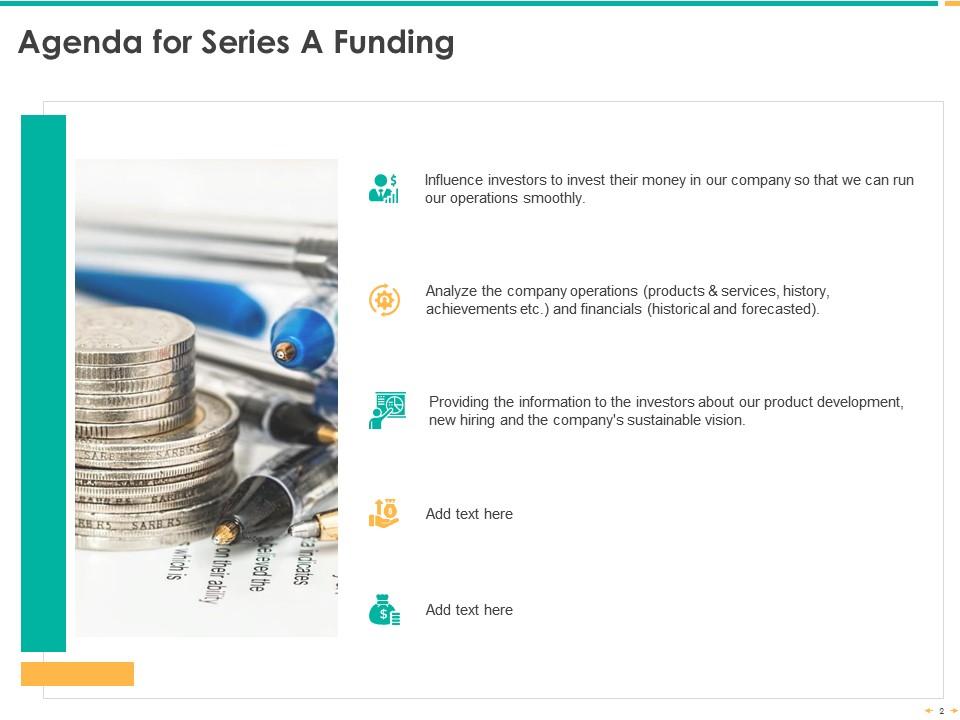
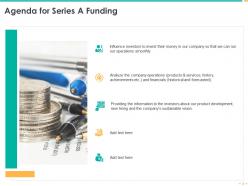
Slide 2: This slide displays Agenda for Series A Funding
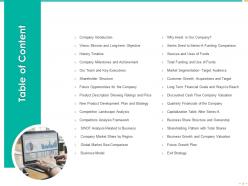
Slide 3: This slide displays Table of Content.
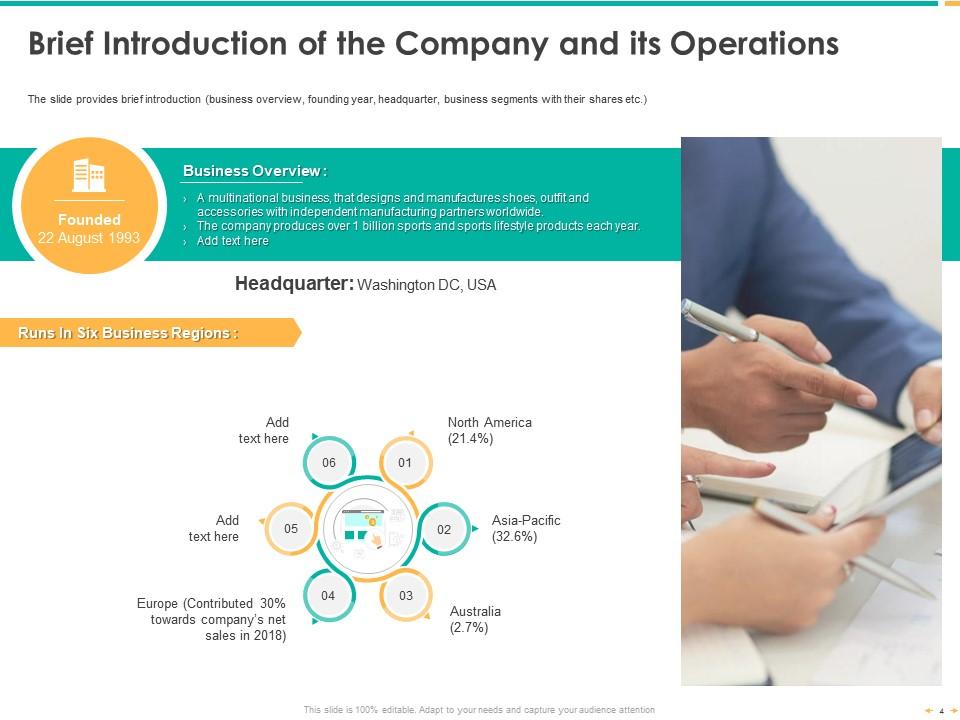
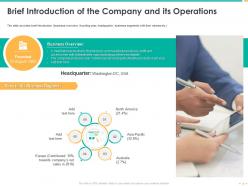
Slide 4: This slide showcases Brief Introduction of the Company and its Operations.
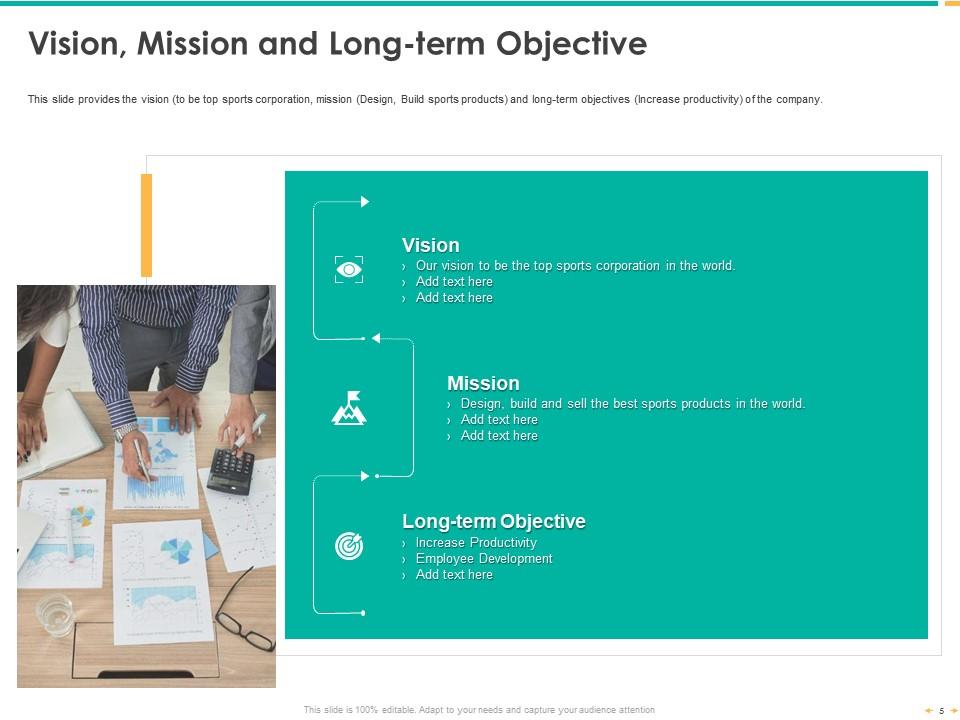
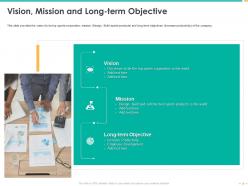
Slide 5: This slide provides the vision (to be top sports corporation, mission (Design, Build sports products) and long-term objectives (Increase productivity) of the company.
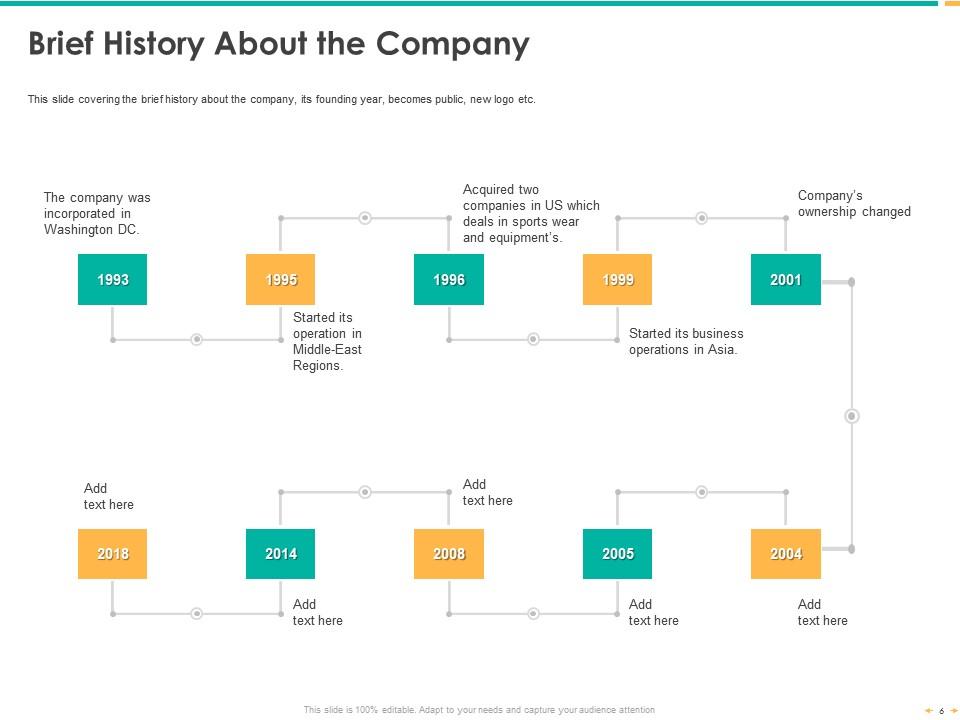
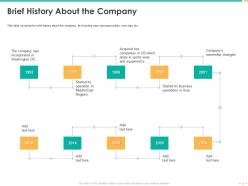
Slide 6: This slide is covering the brief history about the company, its founding year, becomes public, new logo etc.
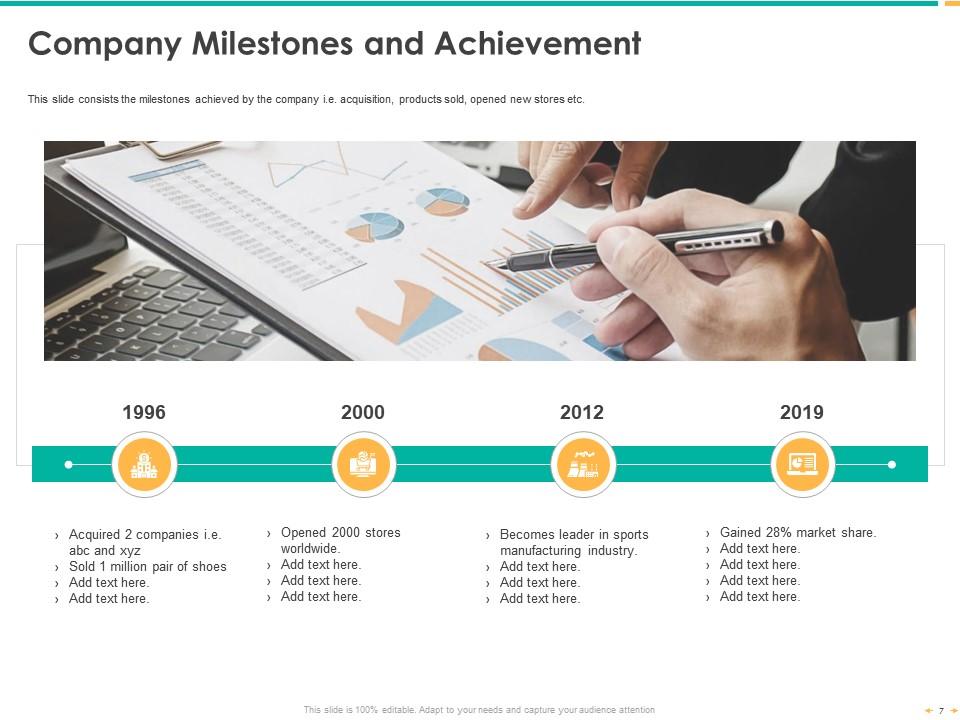
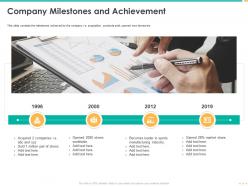
Slide 7: This slide consists the milestones achieved by the company i.e. acquisition, products sold, opened new stores etc.
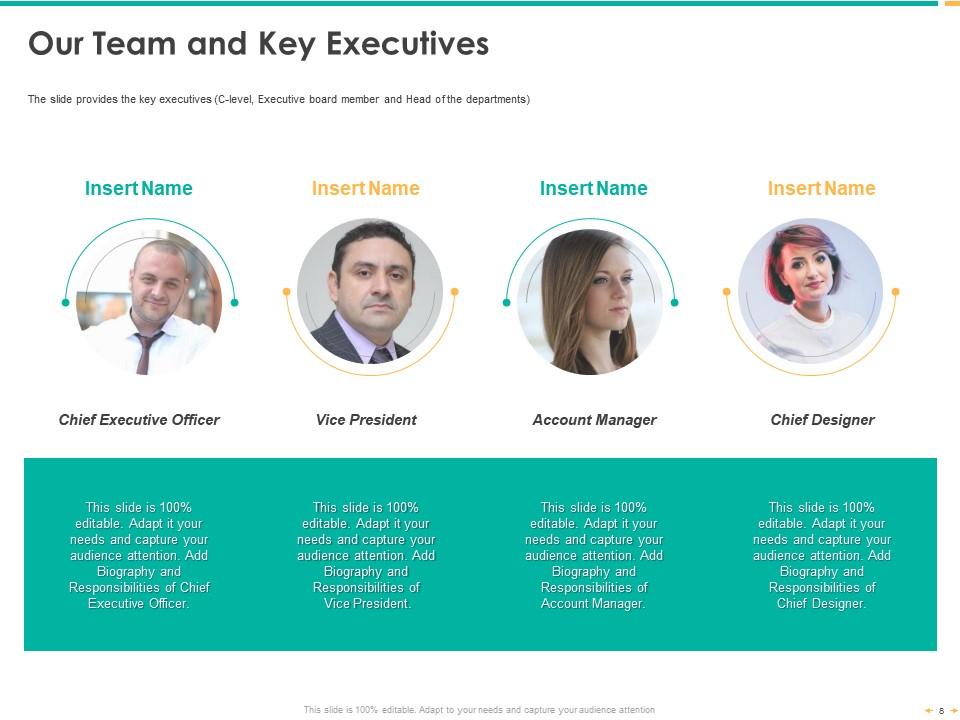
Slide 8: The slide provides the key executives (C-level, Executive board member and Head of the departments)
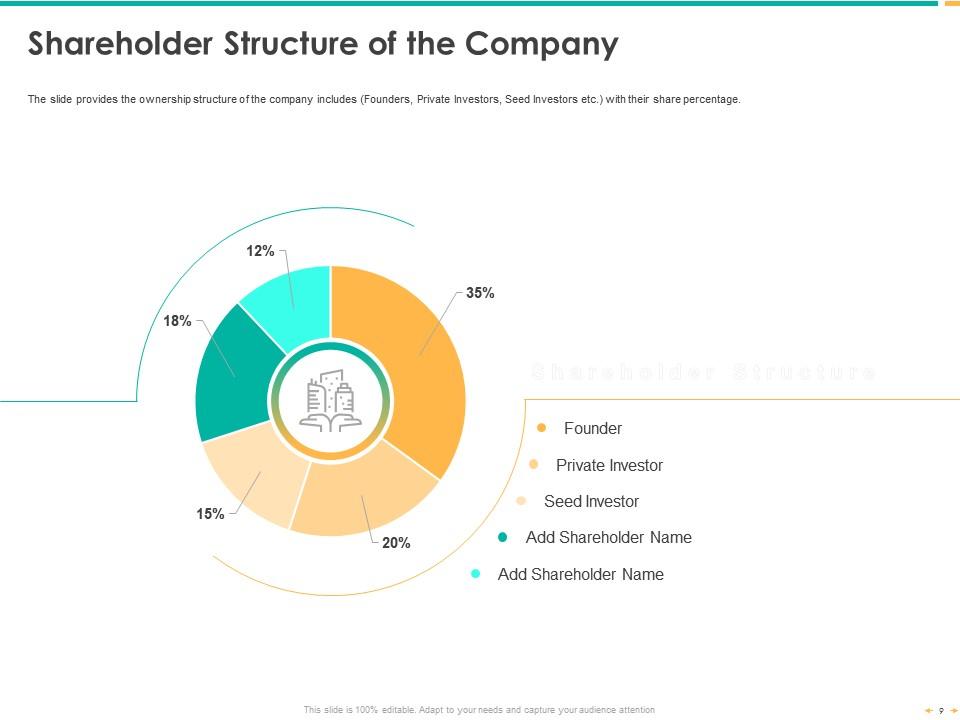
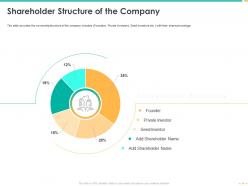
Slide 9: The slide provides the ownership structure of the company includes (Founders, Private Investors, Seed Investors etc.) with their share percentage.
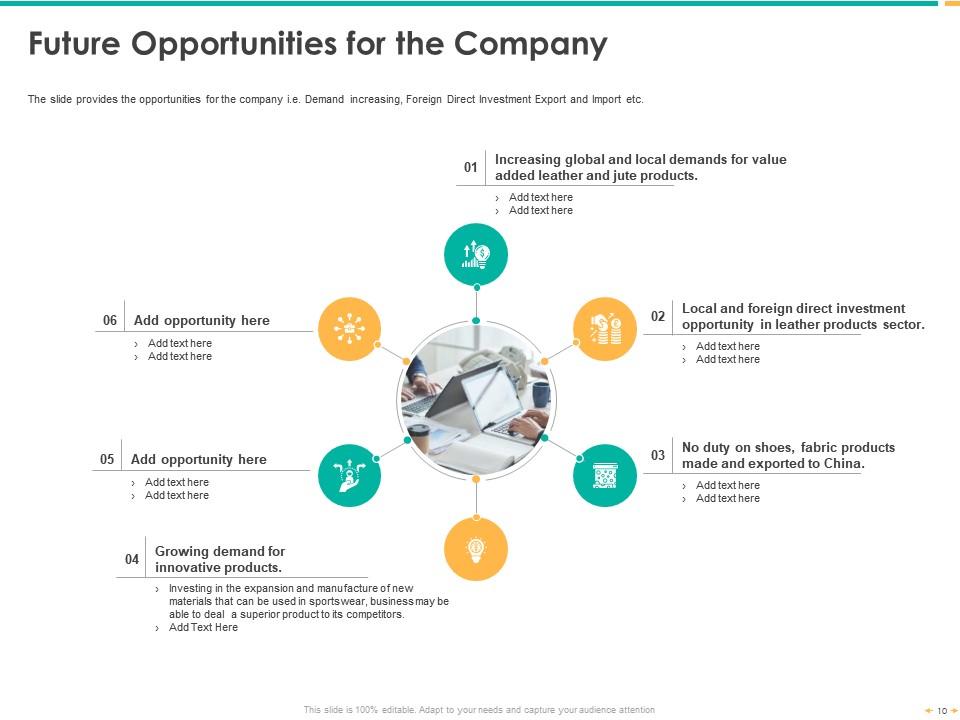
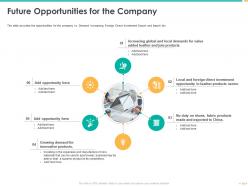
Slide 10: The slide provides the opportunities for the company i.e. Demand increasing, Foreign Direct Investment Export and Import etc.
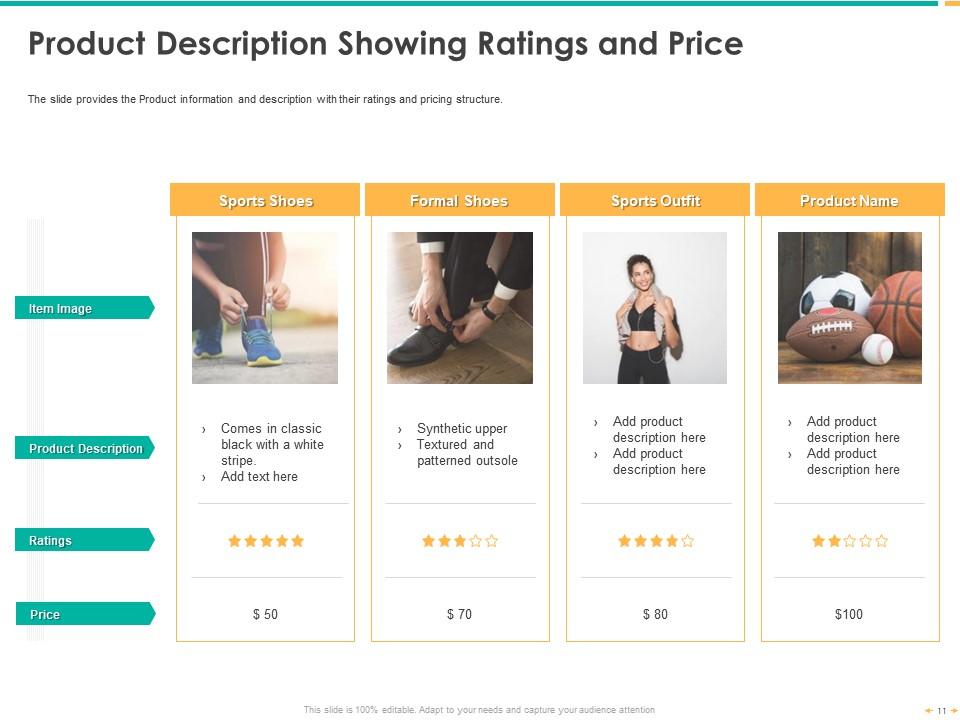
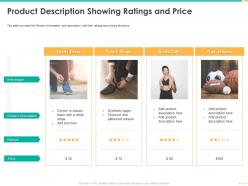
Slide 11: The slide provides the Product information and description with their ratings and pricing structure.
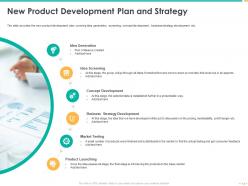
Slide 12: The slide provides the new product development plan covering idea generation, screening, concept development, business strategy development etc.
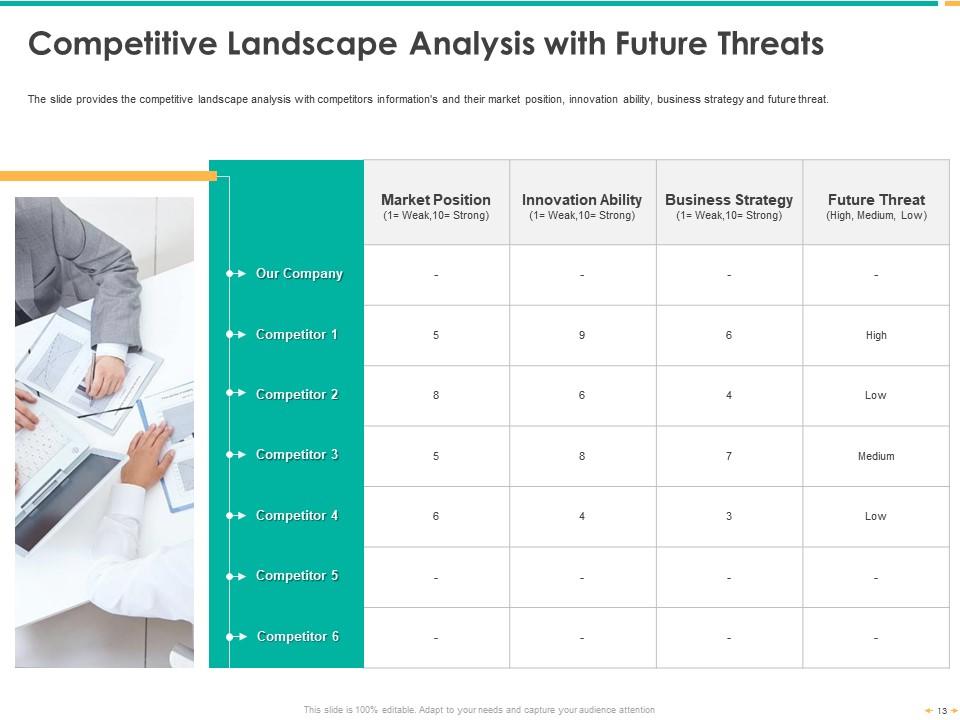
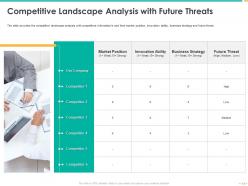
Slide 13: The slide provides the competitive landscape analysis with competitors information's and their market position, innovation ability, business strategy and future threat.
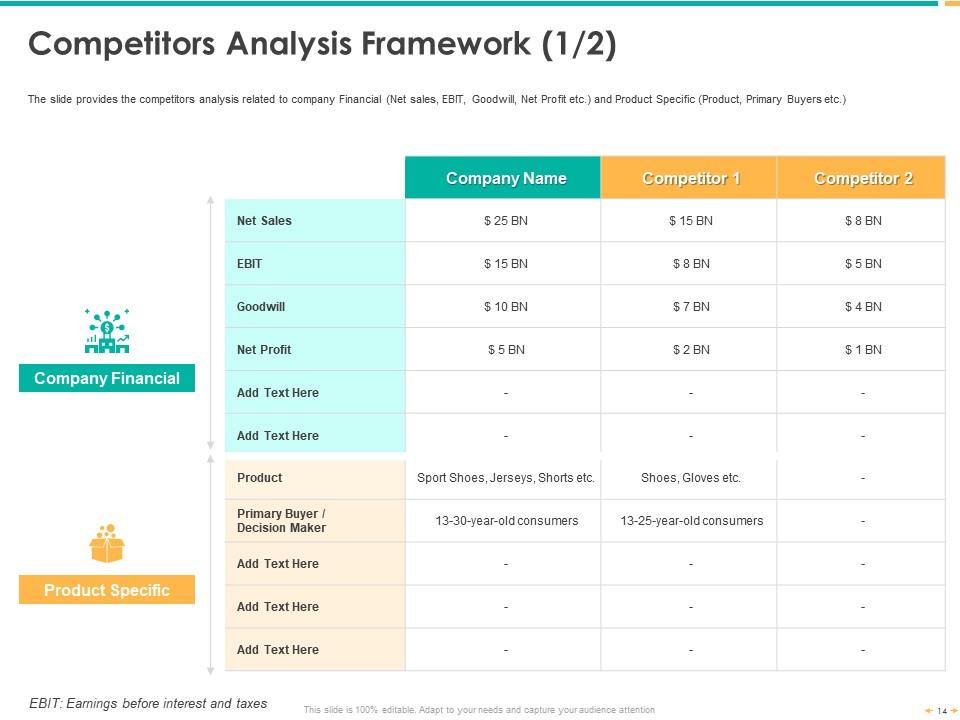
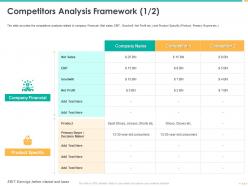
Slide 14: The slide provides the competitors analysis related to company Financial (Net sales, EBIT, Goodwill, Net Profit etc.) and Product Specific (Product, Primary Buyers etc.)
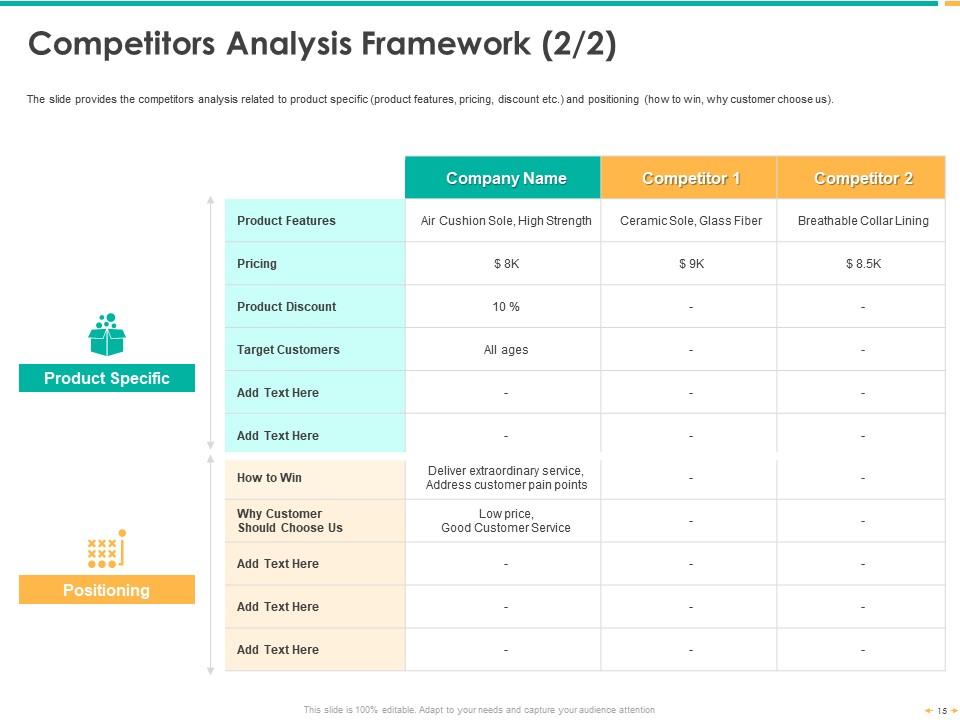
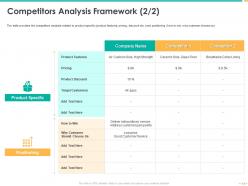
Slide 15: The slide provides the competitors analysis related to product specific (product features, pricing, discount etc.) and positioning (how to win, why customer choose us).
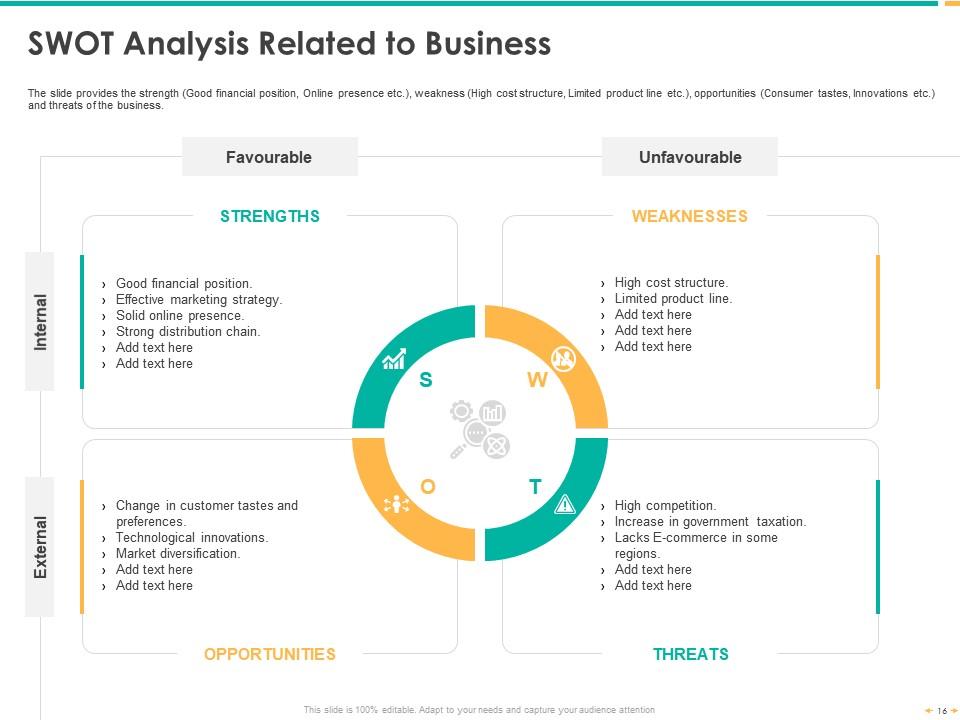
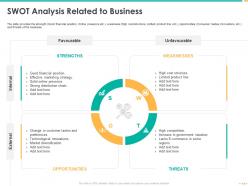
Slide 16: The slide provides the strength (Good financial position, Online presence etc.), weakness (High cost structure, Limited product line etc.), opportunities (Consumer tastes, Innovations etc.) and threats of the business.
Slide 17: The slide provides the company operations in different geographic regions includes North America, Europe etc. and provides the key opportunities in those regions.
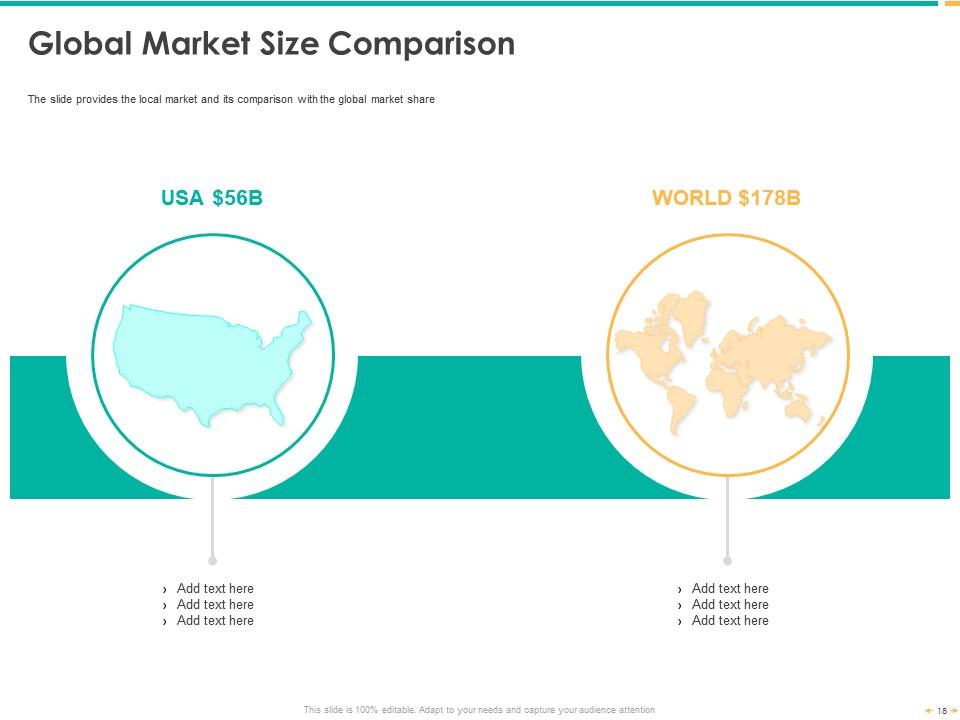
Slide 18: The slide provides the local market and its comparison with the global market share
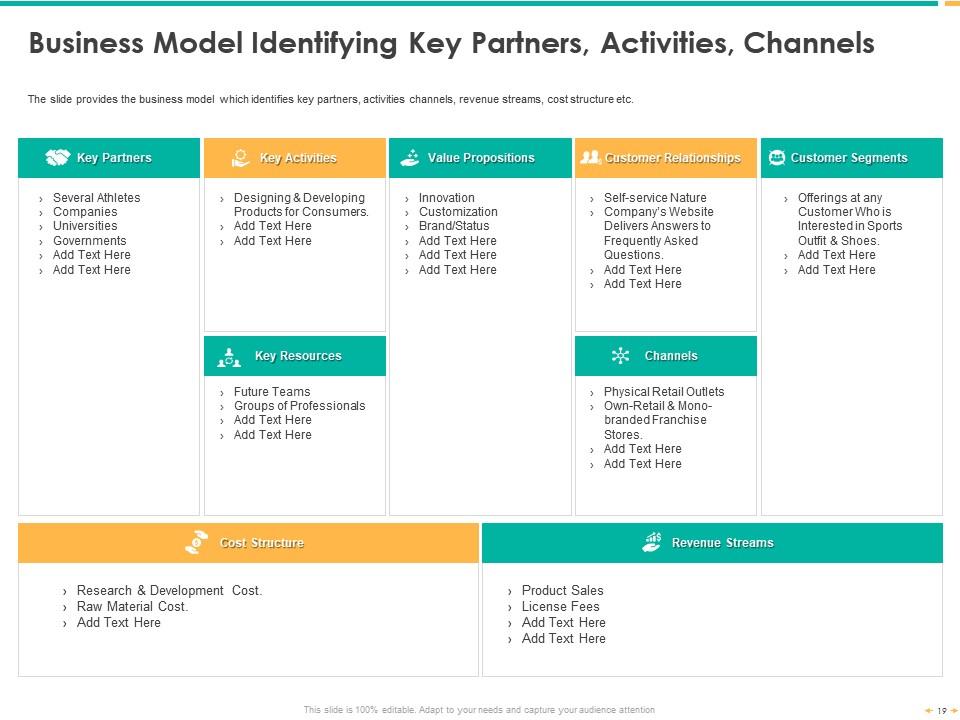
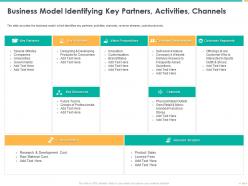
Slide 19: The slide provides the business model which identifies key partners, activities channels, revenue streams, cost structure etc.
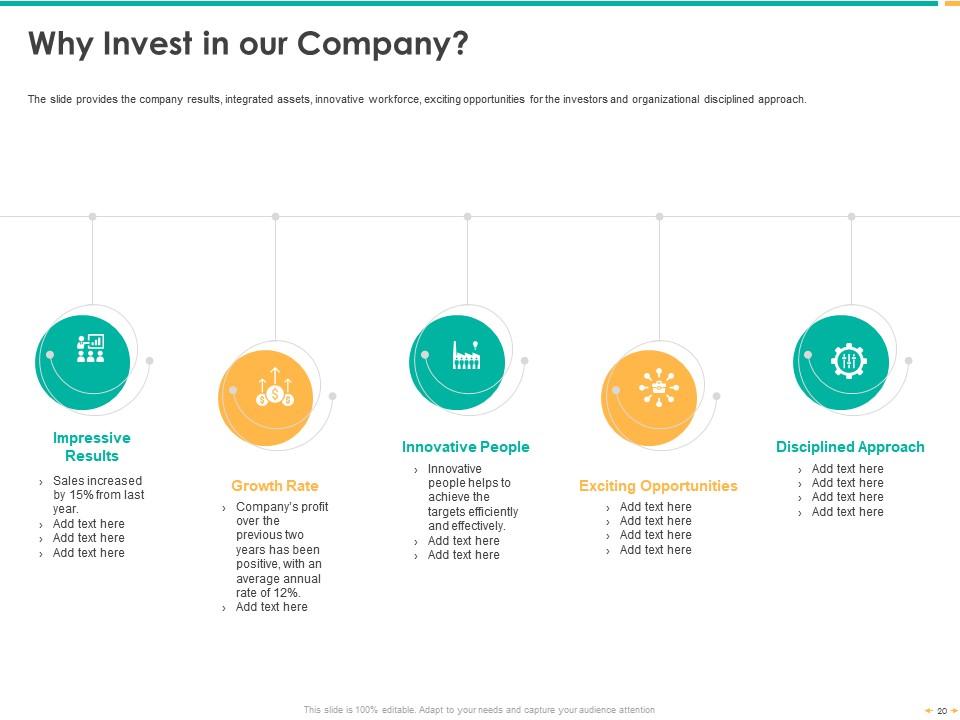
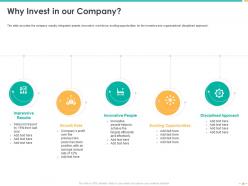
Slide 20: The slide provides the company results, integrated assets, innovative workforce, exciting opportunities for the investors and organizational disciplined approach.
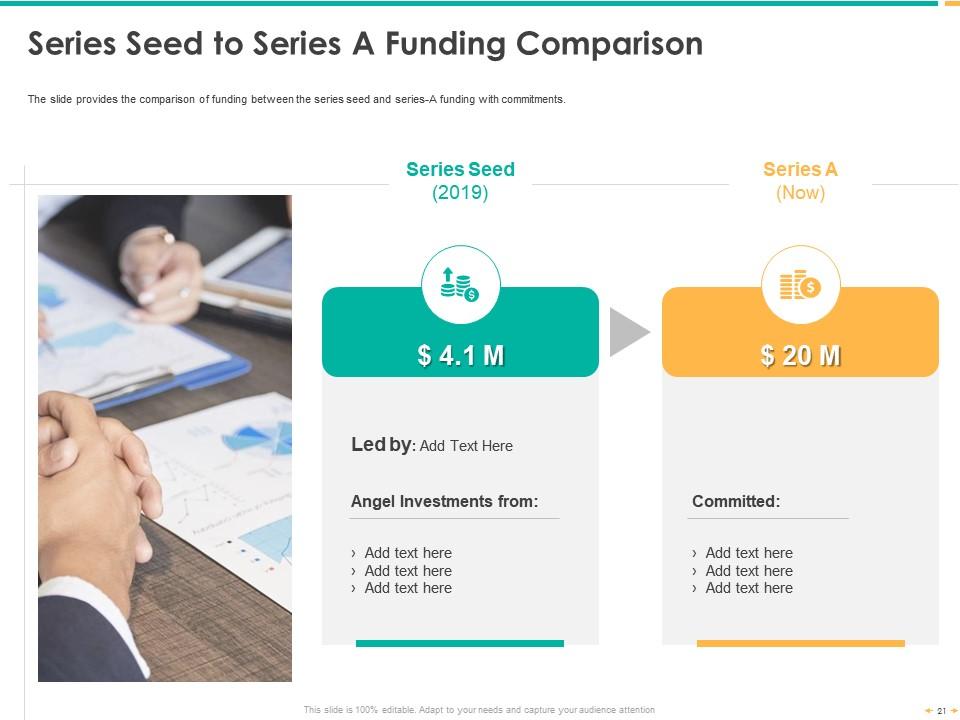
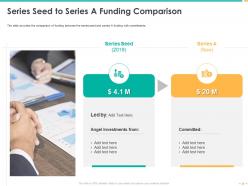
Slide 21: The slide provides the comparison of funding between the series seed and series-A funding with commitments.
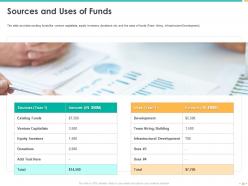
Slide 22: The slide provides exciting funds like venture capitalists, equity investors, donations etc. and the uses of funds (Team Hiring, Infrastructure Development).
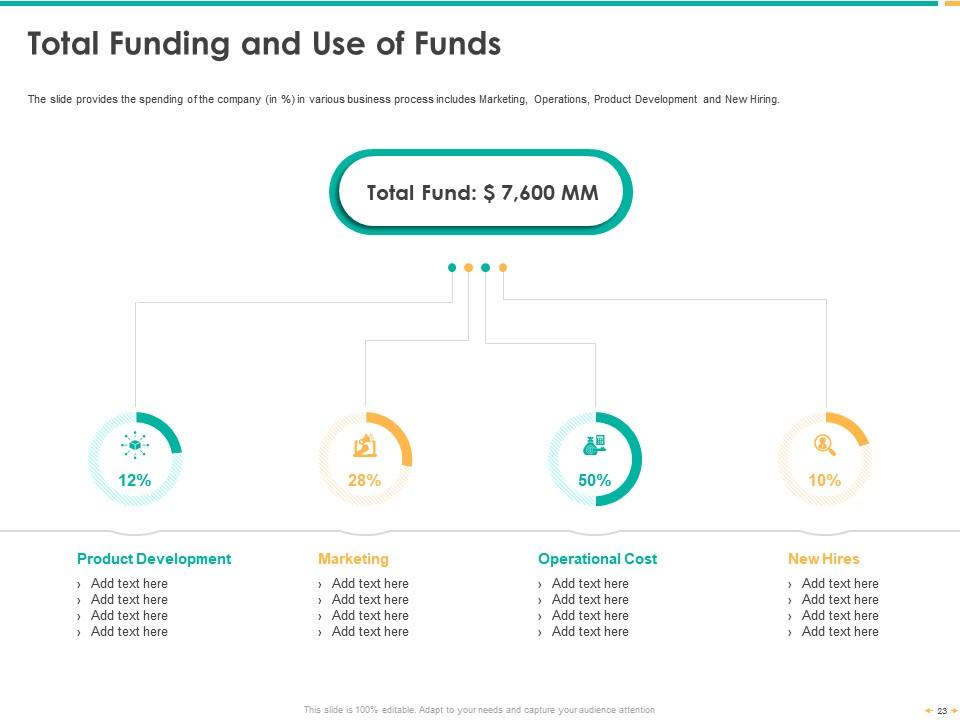
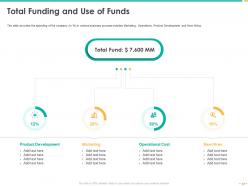
Slide 23: The slide provides the spending of the company (in %) in various business process includes Marketing, Operations, Product Development and New Hiring.
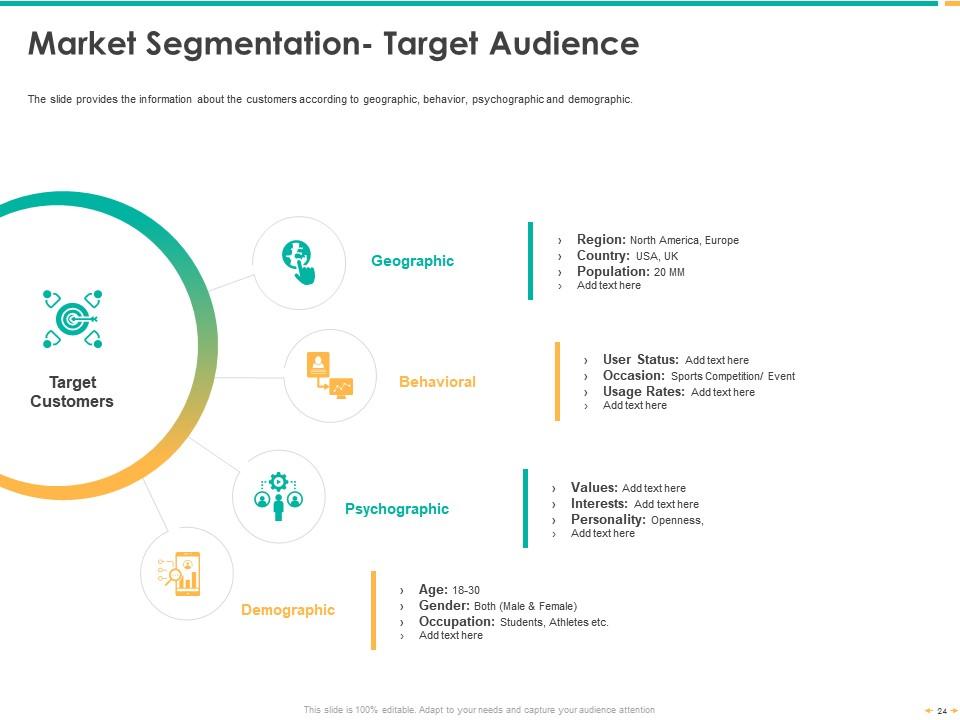
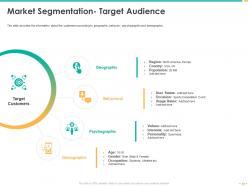
Slide 24: The slide provides the information about the customers according to geographic, behavior, psychographic and demographic.
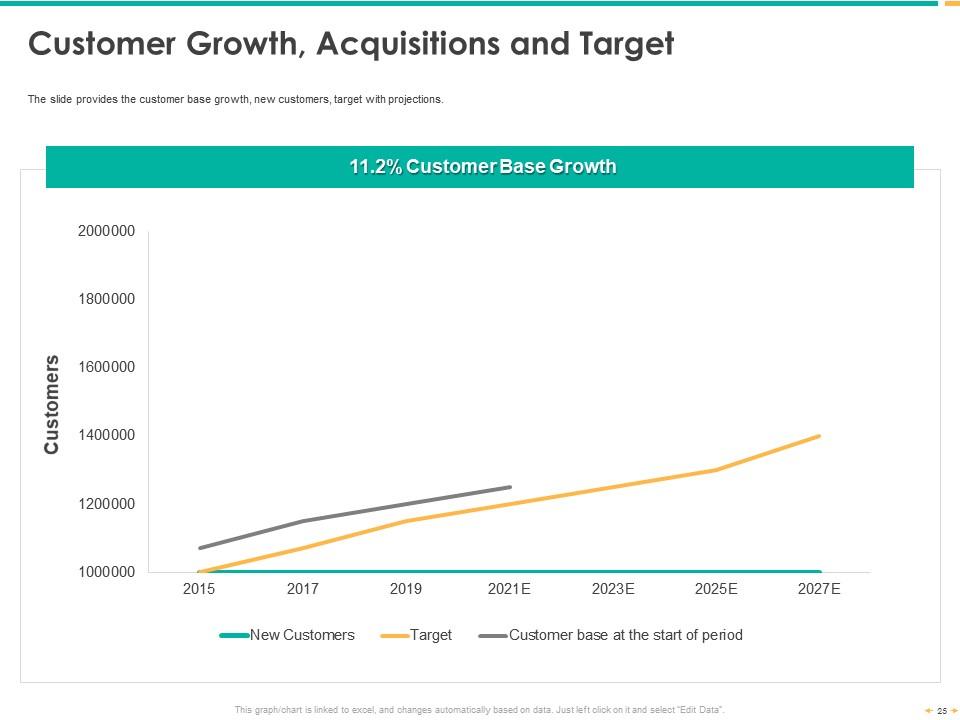
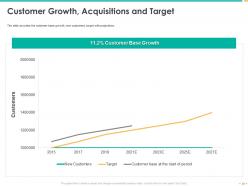
Slide 25: The slide provides the customer base growth, new customers, target with projections.
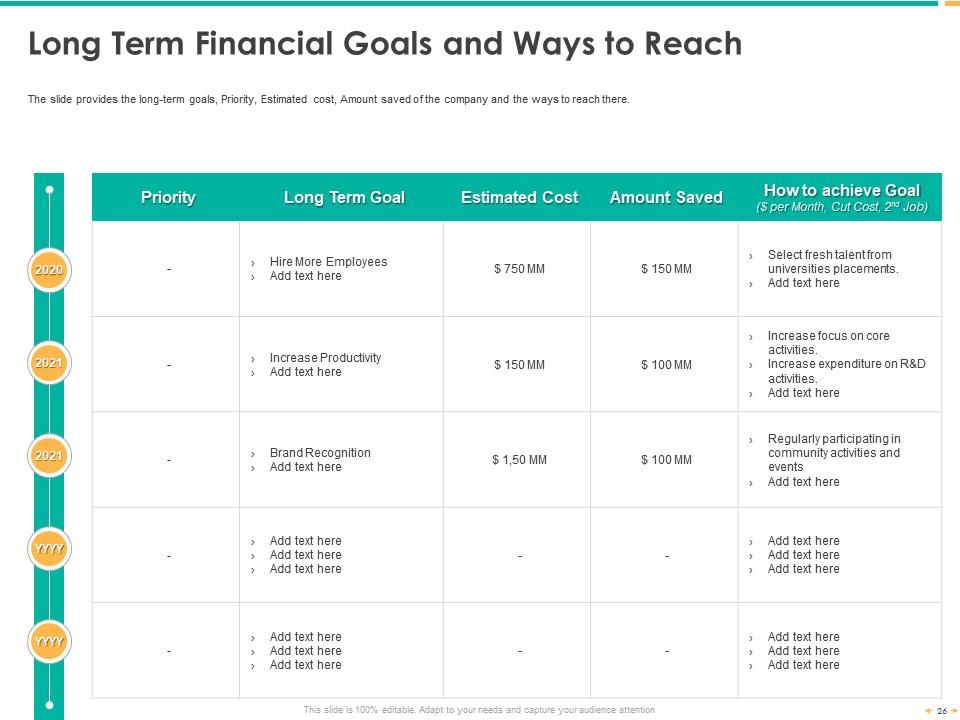
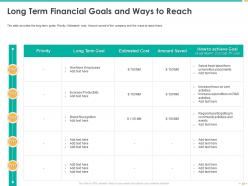
Slide 26: The slide provides the long-term goals, Priority, Estimated cost, Amount saved of the company and the ways to reach there.
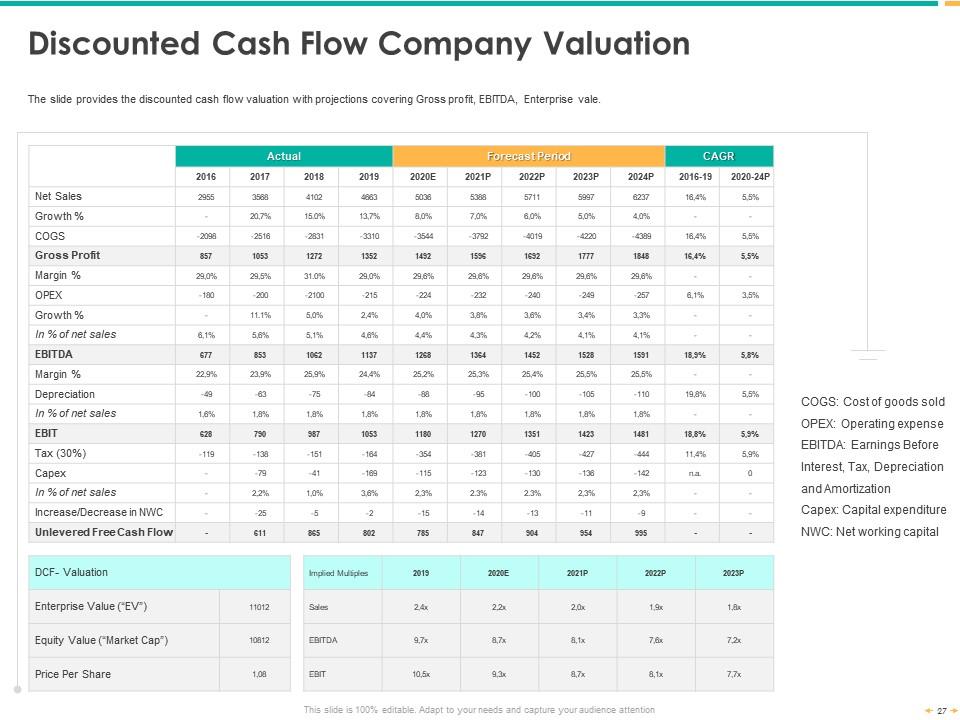
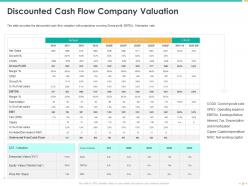
Slide 27: The slide provides the discounted cash flow valuation with projections covering Gross profit, EBITDA, Enterprise vale.
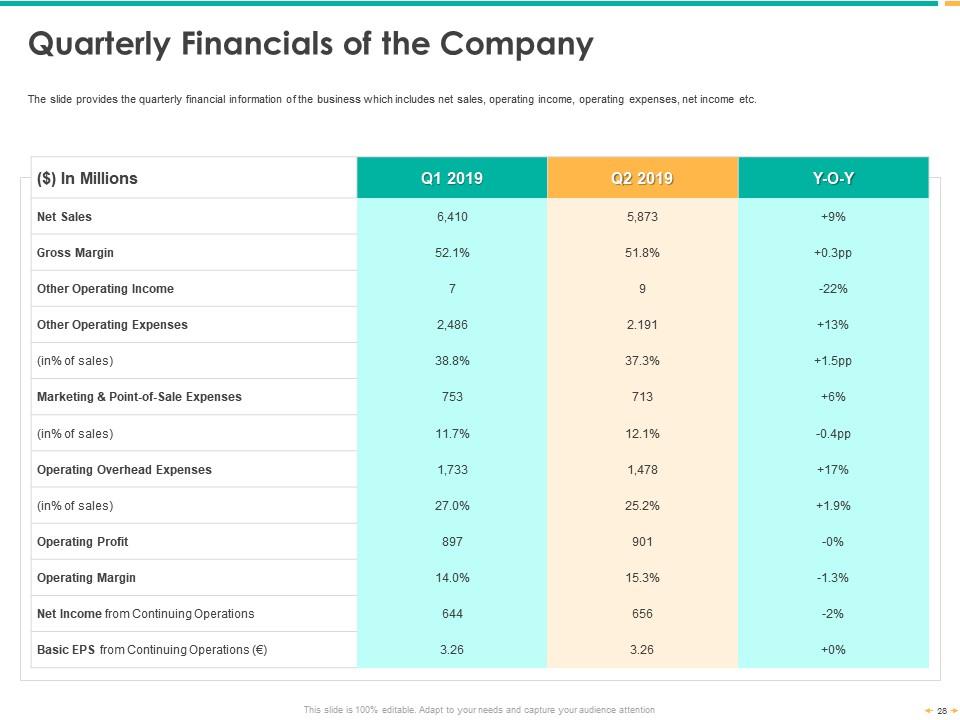
Slide 28: The slide provides the quarterly financial information of the business which includes net sales, operating income, operating expenses, net income etc.
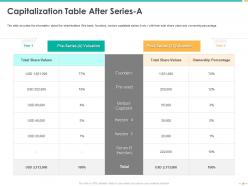
Slide 29: The slide provides the information about the shareholders (Pre-seed, founders, venture capitalists series-A etc.) with their total share value and ownership percentage.
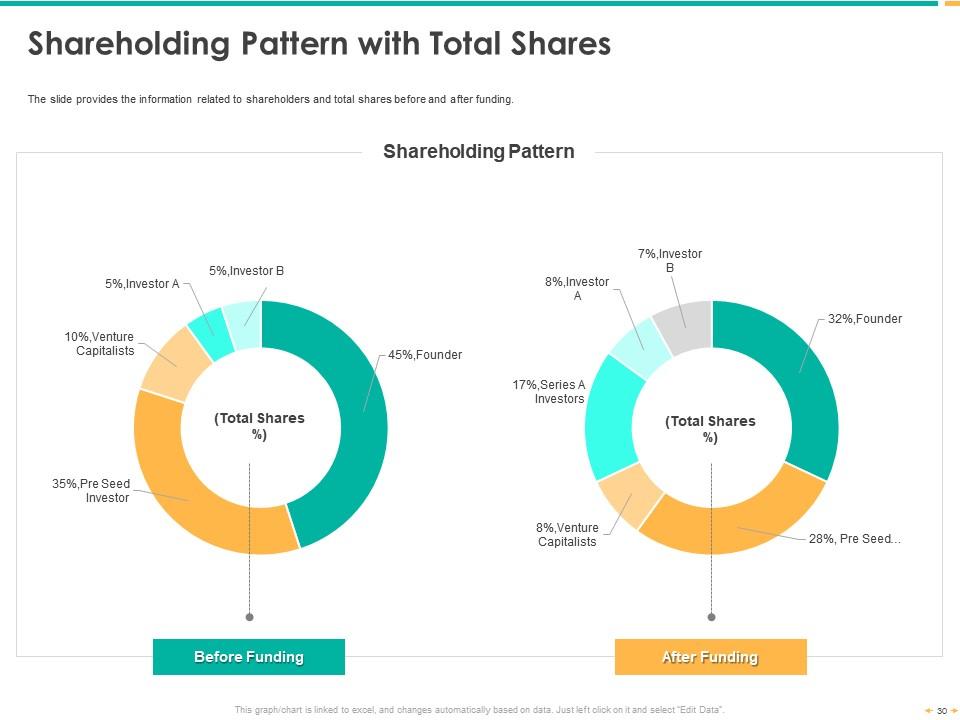
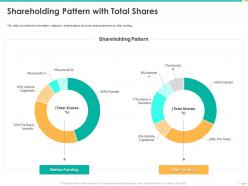
Slide 30: The slide provides the information related to shareholders and total shares before and after funding.
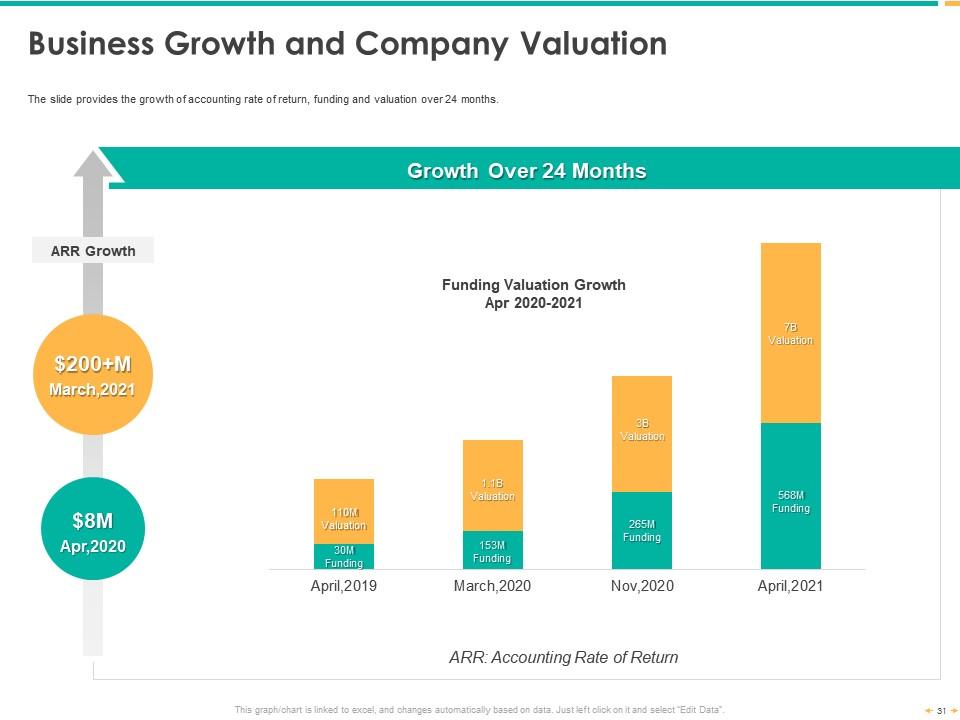
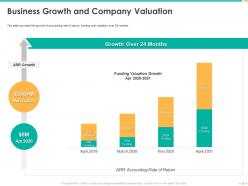
Slide 31: The slide provides the growth of accounting rate of return, funding and valuation over 24 months.
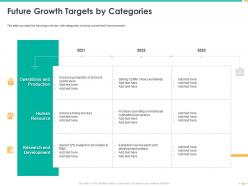
Slide 32: The slide provides the future growth plan with categories covering current and future scenario.
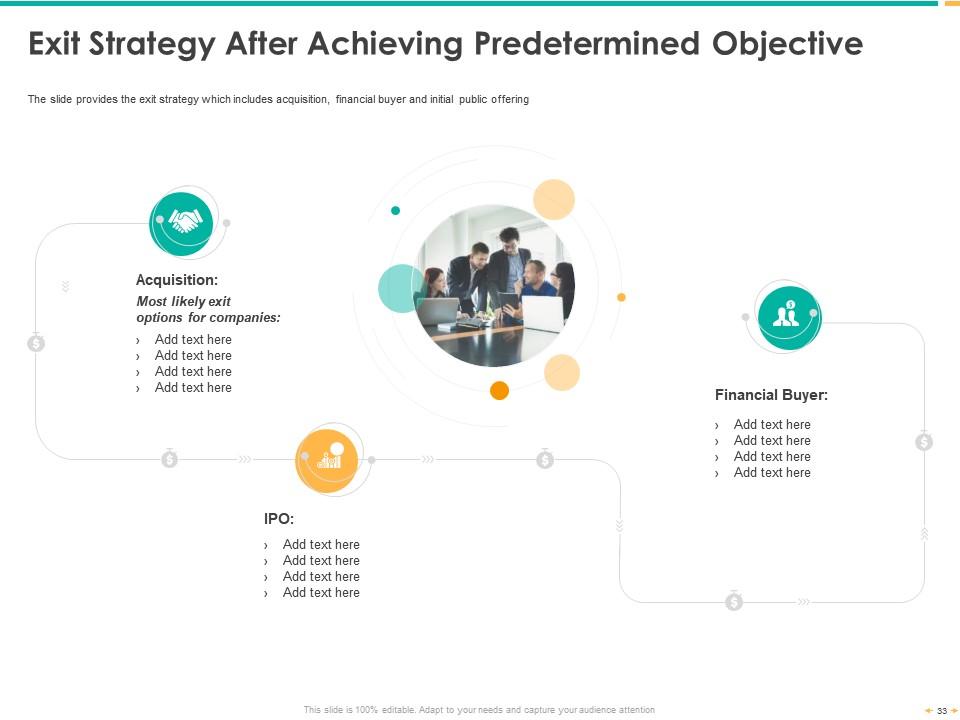
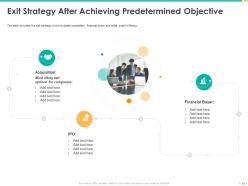
Slide 33: The slide provides the exit strategy which includes acquisition, financial buyer and initial public offering
Slide 34: This is Pitch Deck to Raise Funding from Series-A Investment - Icons Slide.
Slide 35: This slide is titled as Additional Slides for moving forward.
Slide 36: This is About Us slide to showcase Company specifications.
Slide 37: This is Our Team slide with Names and Designations.
Slide 38: This slide displays Mission, Vision, Goal.
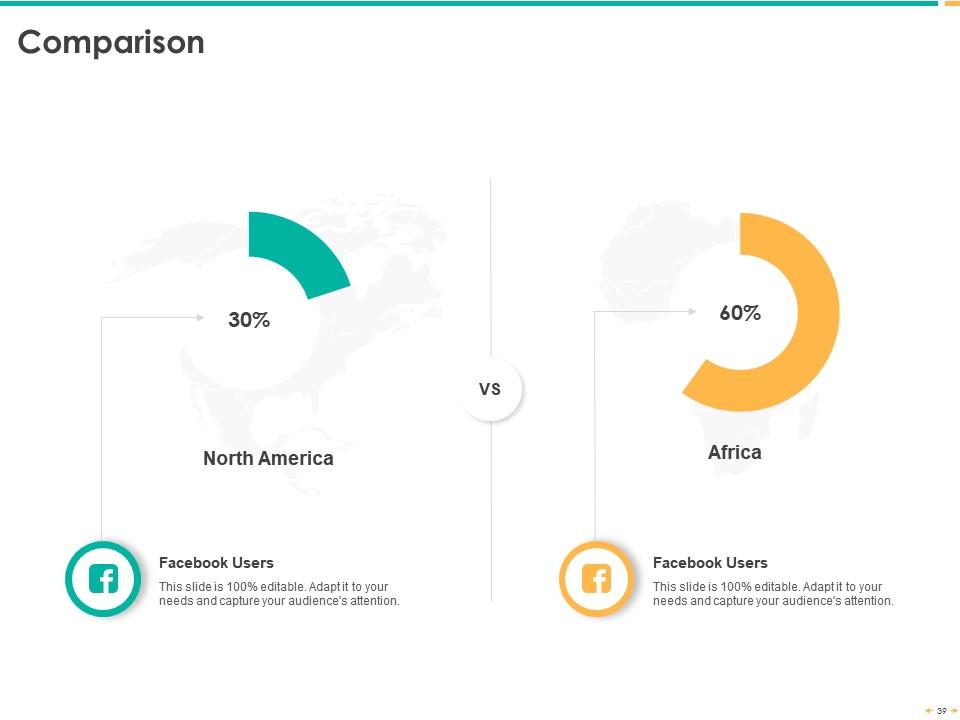
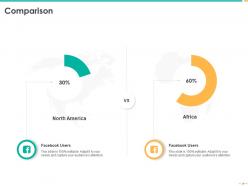
Slide 39: This slide displays Comparison between Facebook users of different countries.
Slide 40: This slide is titled as Post it Notes. Post your important notes.
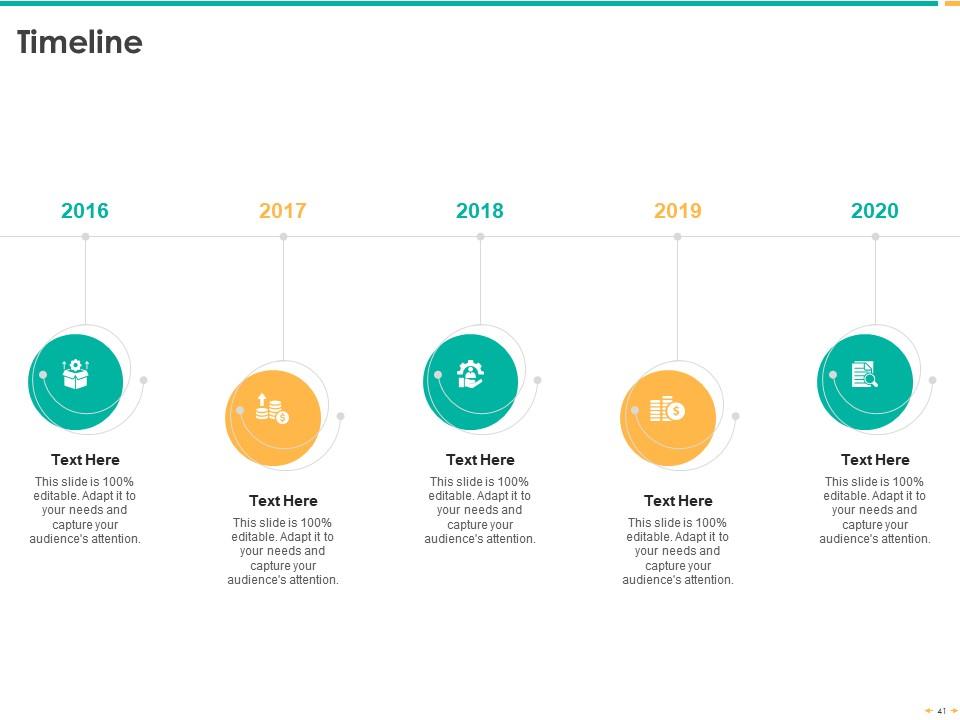
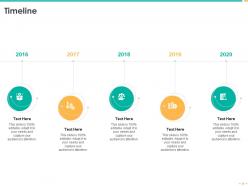
Slide 41: This slide depicts Timeline process.
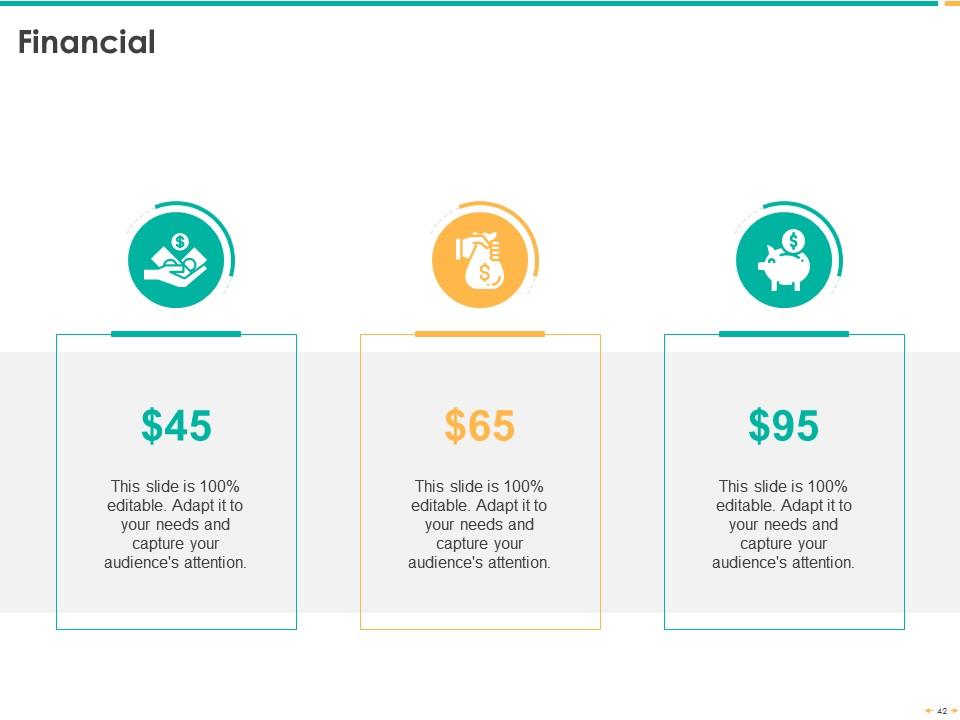
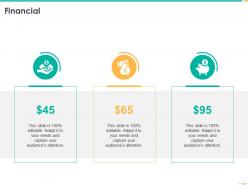
Slide 42: This is Financial slide. Showcase finance related stuff.
Slide 43: This is Thank you slide with Contact details.
Pitch deck to raise funding from series a investment powerpoint presentation slides with all 43 slides:
Use our Pitch Deck To Raise Funding From Series A Investment Powerpoint Presentation Slides to effectively help you save your valuable time. They are readymade to fit into any presentation structure.
-
Excellent Designs.
-
Qualitative and comprehensive slides.
-
Very well designed and informative templates.
-
Enough space for editing and adding your own content.
-
Much better than the original! Thanks for the quick turnaround.
-
Easy to edit slides with easy to understand instructions.
