


Poka Yoke Powerpoint Presentation Slides





Try Before you Buy Download Free Sample Product
 Impress Your
 Audience
 100%
100% Editable
 Save Hours
 of Time


Identify flaws, mistakes and errors in the process, plan or projects with the help of Poka Yoke PowerPoint Presentation Slides. Use this technique of preventing any mistakes by designing a process, equipment or tool so that the operation or project can be executed without any failure. Eliminate the scope of error, spend less time on training workers, delete many operations related to quality control, immediate control when a problem occurs using Poka Yoke PPT templates. This error proofing PowerPoint slides can help you detect and correct the mistakes immediately before reaching the customers. This deck covers templates of various types of Poka Yoke PPT techniques to help you find the error. Use this deck to highlight a defect so that it does not damage the entire operation. Incorporate mistake proofing PowerPoint templates to not let an error to be passed to the next process. This complete presentation is completely customizable. You can edit the templates as per your requirement. Edit color, text, icon and font size as per your need. Download Poka Yoke PowerPoint presentation slides to avoid any mistakes or errors for your next operation or process. Develop their interest with our Poka Yoke Powerpoint Presentation Slides. Increase the degree of enthusiasm they feel.
People who downloaded this PowerPoint presentation also viewed the following :
Content of this Powerpoint Presentation
Slide 1: This slide introduces POKA YOKE. State Your Company Name and begin.
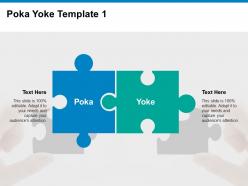
Slide 2: This slide shows Poka Yoke Template . You can add the details and use it
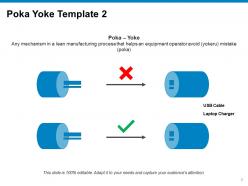
Slide 3: This slide presents Poka Yoke Template with poka yoke . Add the details and make the best use of it.
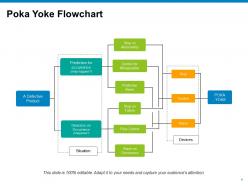
Slide 4: This slide showcases Poka Yoke Flowchart. Add the details and make it as per your requirement.
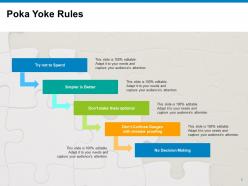
Slide 5: This slide show Poka Yoke Rules with these five stages- Try not to Spend, Simpler is Better, Don’t make them optional, Don’t Confuse Gauges with mistake proofing, No Decision Making
Slide 6: This slide is a Coffee Break image for a halt.
Slide 7: This slide forwards to Charts & Graphs.
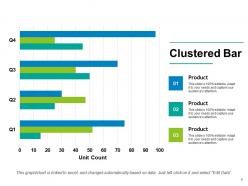
Slide 8: This slide shows Clustered Bar. You can add the data with graph.
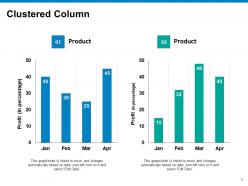
Slide 9: This slide presents Clustered Column. Compare the product of your business.
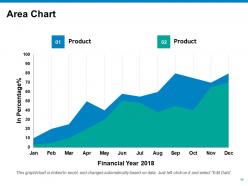
Slide 10: This slide showcases Area Chart. You add the information and product comparison.
Slide 11: This slide is titled Additional Slides.
Slide 12: This slide represents Our Mission. State your mission, goals etc.
Slide 13: This slide showcases Our Team with Name and Designation to fill.
Slide 14: This slide helps show- About Our Company. The sub headings include- Creative Design, Customer Care, Expand Company .
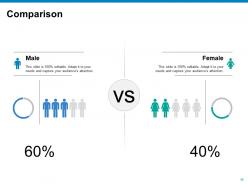
Slide 15: This slide showcases Comparison. You can add the information for comparing.
Slide 16: This slide is titled as Financials. Show finance related stuff here.
Slide 17: This is a Quotes slide to convey message, beliefs etc.
Slide 18: This slide shows Our Goals for your company.
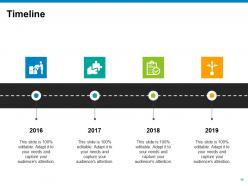
Slide 19: This is a Timelines slide to show- Plan, Budget, Schedule, Review.
Slide 20: This is a Thank You slide for acknowledgement.
Poka Yoke Powerpoint Presentation Slides with all 20 slides:
Our Poka Yoke Powerpoint Presentation Slides will give them the hang of it. They make for better comprehension.







FAQs for Poka Yoke
So Poka Yoke is basically about making it impossible to screw things up in the first place. You build in these little safeguards - could be physical barriers or just simple procedures - that either block mistakes or give you an instant heads up when something's wrong. Like how you can't put a USB in upside down anymore (thank god). Way better than catching errors later during inspection when it's already too late. Honestly, it's pretty genius. Just think about all the ways someone could mess up your process, then design something simple to prevent exactly those scenarios. Saves you so much headache down the road.
So poka yoke is basically idiot-proofing your processes - and I mean that in the best way possible! It's about building safeguards so mistakes can't happen. Like how USB ports only go in one way, or your car won't stop beeping until you buckle up. Start by looking at where people screw up most often. Then ask yourself: how could we make this error literally impossible? Maybe it's adding sensors that shut down equipment, or designing checklists where you can't move forward without checking every box. Honestly, it beats hoping everyone will just remember to do things perfectly every single time.
Oh man, once you notice Poka Yoke you'll spot it everywhere! Your car's gas cap only goes on one way. Assembly lines use jigs so workers can't install parts backwards - honestly pretty clever. Hospitals color-code syringes to prevent med errors. Software blocks you from entering bogus data in forms. Keys won't turn unless you're in park (learned that one the hard way). The really good examples are invisible - you don't even realize they're preventing your screwups. Just think about what mistakes happen most, then make them impossible to do.
Basically there are two approaches - stopping mistakes before they happen, or catching them right after. USB ports are perfect prevention since they literally only go in one way. Car keys that won't come out unless you're in park? Same idea. Detection stuff catches errors after you make them but before things get worse - think spell-check or seat belt alarms (annoying but effective, I guess). Obviously prevention beats detection since it stops problems completely. But detection's still useful when you can't prevent something. Just map out where mistakes usually happen in whatever you're doing, then figure out if you can block the error or just catch it quickly.
Totally! Poka Yoke works great for services - you're just preventing screw-ups instead of defective products. Hotels use housekeeping checklists, appointment systems send auto-confirmations, and data entry requires double-checking for important stuff. This one restaurant I know uses different colored tickets so the kitchen doesn't mess up orders. Pretty clever, honestly. Map out where your team keeps making mistakes (we all have those spots), then build simple systems to stop them. Could be alerts, constraints, whatever works. The goal's catching service breakdowns before customers even notice.
Oh, Poka Yoke! It's basically mistake-proofing your whole process so screw-ups can't happen. Way better than catching problems later. USB cables are perfect examples - they literally only go in one way, which honestly saves so much frustration. Your process gets designed so errors are either impossible or super obvious right away. Makes quality everyone's job, not just the QC team's headache. Really supports that whole Lean thing of cutting waste since you're not fixing stuff downstream. Look at your biggest recurring mistakes first. Then figure out how to make those impossible to repeat.
Honestly, I'd focus on three main things: defect rates before vs after, how fast you catch errors, and trigger frequency. Defect reduction is the obvious win - fewer mistakes reaching customers. Cycle times matter too since catching problems early saves money on rework. Time-to-detection is huge here. Some teams track employee confidence, which actually makes sense - people work better when they trust the system won't let them screw up. Get your baseline numbers first, then check progress monthly. Oh, and rework costs - that's where you'll really see the ROI.
Honestly, the biggest pain is usually your own team pushing back - nobody likes feeling micromanaged or like you think they're screwing up. Technical stuff gets messy too when you're trying to jam sensors into old equipment that wasn't built for it. Management always freaks out about upfront costs. Oh, and here's the kicker - sometimes your fancy mistake-proofing system becomes the thing that breaks down. Training everyone takes forever. My advice? Pick one area where people actually want help, prove it works there first. Way easier to expand once you've got some wins under your belt.
Dude, training is everything with Poka Yoke. Without it, workers just work around your error-proofing stuff or ignore it completely. I've watched this happen so many times - it's frustrating. You gotta explain why the system's there and what to do when it catches something wrong. The mindset piece is huge too. People need to see these tools as helpful, not some annoying roadblock management threw at them. Plus, your frontline folks know the process better than anyone, so they'll spot where you need new error-proofing. Don't skip the "why" behind it all.
Sensors are honestly your best bet - they catch positioning issues and missing parts before things go wrong. Vision systems and cameras handle quality checks really well. RFID tags are solid for tracking stuff. But don't sleep on the simple solutions! Color-coded fixtures and custom jigs work surprisingly well and cost way less. I've seen people overthink this when basic setups would've solved their problem. Smart manufacturing can tie everything together if you want full automation. My advice? Start with whatever process is driving you crazy and just try one sensor solution first.
Look, you don't need much upfront - maybe a few hundred to couple grand for color-coding, templates, basic sensors. Pretty minimal stuff. Where it gets good though? ROI is usually 3-10x what you put in during year one. Just from catching defects before they blow up later. One big quality screwup or angry customer can cost way more than several poka yoke setups combined. I'd start with whatever's driving you crazy right now and track the results. You'll figure out fast which ones actually work and deserve more investment. Honestly beats playing whack-a-mole with the same problems over and over.
Make template cards for each Poka Yoke - basically like recipe cards with the purpose, steps, and how you know it worked. Put them in whatever system you're already using for work instructions. Trust me, I've watched so many good ideas disappear when someone quits! Photos are huge here, especially before/after shots. Keep it super visual and simple - complex docs just collect dust. Oh, and definitely assign someone to own each one. Start with your most critical stuff first, then work your way down. The whole point is making something people will actually use, not some fancy binder that sits on a shelf.
So poka yoke basically forces you to deal with problems instead of ignoring them - which is annoying but good, right? When your error-proofing catches stuff, you can't just slap a quick fix on it anymore. You have to actually figure out why it happened. Your team starts thinking ahead instead of constantly putting out fires. Honestly, designing bulletproof processes is kinda fun once you get into it. The cool part? People begin spotting failure points everywhere and suggesting their own solutions. Instead of "how do we fix this mess faster?" it becomes "how do we stop this from happening again?" Start with whatever keeps breaking and get everyone brainstorming simple ways to prevent it.
Honestly, most people think Poka Yoke has to involve expensive sensors or complicated tech - total myth. Simple stuff works great: color coding, templates, basic checklists. Works outside manufacturing too - I've seen teams use it for HR workflows, even just meeting prep. Oh, and people worry it removes all human judgment? Nah. It just prevents dumb mistakes so your brain can focus on actual problem-solving instead of remembering to check box
No Reviews