


Post Merger Integration Framework And Challenges PowerPoint Presentation Slides





Try Before you Buy Download Free Sample Product
 Impress Your
 Audience
 100%
100% Editable
 Save Hours
 of Time


Our Post Merger Integration Framework And Challenges PowerPoint Presentation Slides are topically designed to provide an attractive backdrop to any subject. Use them to look like a presentation pro.
People who downloaded this PowerPoint presentation also viewed the following :
Content of this Powerpoint Presentation
Slide 1: This slide introduces Post Merger Integration Framework & Challenges. State your Company Name and begin.
Slide 2: This is an Agenda slide. State your agendas here.
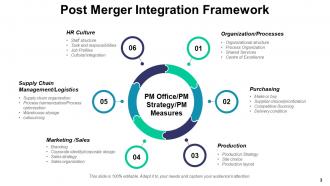
Slide 3: This slide shows Post Merger Integration Framework describing- HR culture, Organisation processes, purchasing, production, marketing/sales, supply chain management.
Slide 4: This slide presents Post Merger Integration Challenges describing- Inadequate integration, Lack of visibility, Data amalgamation, Compliance & regulation, Investment community, Customers, Employees.
Slide 5: This slide represents Post Merger Integration & Carve Out describing- planning, integration and design, reorganisation.
Slide 6: This slide showcases Post Merger Integration Template describing Value retention, value realisation and value creation.
Slide 7: This slide shows Post Merger Integration template 2 describing- Synergy, Project, Structural, People.
Slide 8: This slide presents Post Merger Integration Principles describing- Strategy, Programme design, Programme management, Risk management, People & communications.
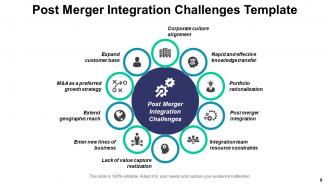
Slide 9: This slide displays Post Merger Integration Challenges Template describing- Corporate culture alignment, Rapid and effective knowledge transfer, Portfolio rationalization, Integration team resource constraints, Post merger integration, M&A as a preferred growth strategy, Expand customer base, Extend geographic reach, Enter new lines of business, Lack of value capture realization, Post Merger Integration Challenges.
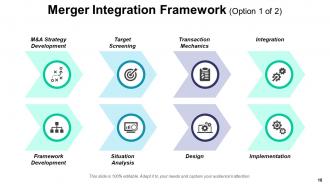
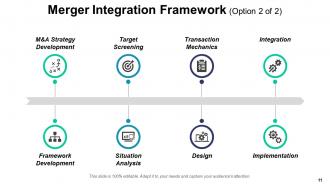
Slide 10: This slide represents Merger Integration Framework describing- M&A Strategy Development, Target Screening, Transaction Mechanics, Integration, Framework Development, Situation Analysis, Design, Implementation.
Slide 11: This is another optional slide for Merger Integration Framework.
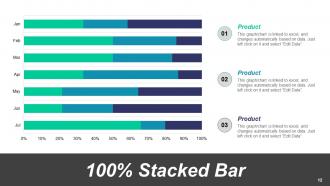
Slide 12: This slide shows a Stacked Bar graph chart with three products comparison.
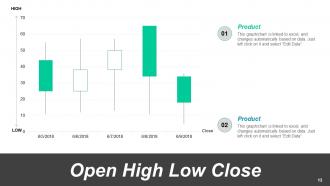
Slide 13: This slide shows Open High Low Close volume candle chart.
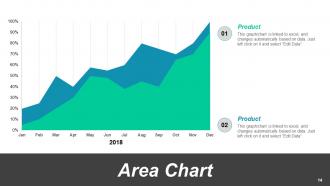
Slide 14: This slide shows Area Chart with two products comparison.
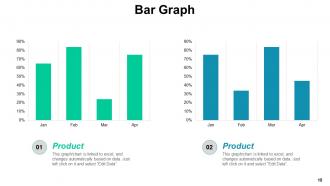
Slide 15: This slide shows a Bar Graph chart with data in percentage.
Slide 16: This slide is titled as Additional Slides for moving forward.
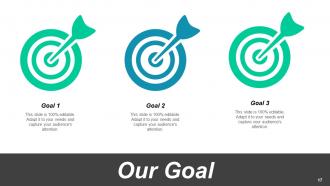
Slide 17: This is Our Goal slide. State your important goals here.
Slide 18: This is an About us slide to state company specifications etc.
Slide 19: This is Our Team slide with names and designation.
Slide 20: This is a Comparison slide to state comparison between commodities/ entities etc.
Slide 21: This is a Venn slide with text boxes to show information.
Slide 22: This slide shows Puzzle with text boxes.
Slide 23: This slide shows a Matrix with additional text boxes to show information.
Slide 24: This is a Financial slide. Show finance related stuff here.
Slide 25: This is a Thank You slide with address, contact numbers and email address.
Post Merger Integration Framework And Challenges PowerPoint Presentation Slides with all 25 slides:
Use our Post Merger Integration Framework And Challenges PowerPoint Presentation Slides to effectively help you save your valuable time. They are readymade to fit into any presentation structure.
-
Post Merger Integration Framework Challenges
-
Agenda Slide
-
Post Merger Integration Framework
-
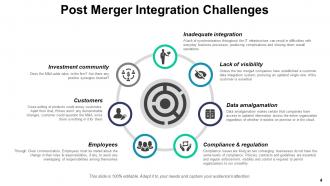
Post Merger Integration Challenges
-

Post Merger Integration Carve Out
-
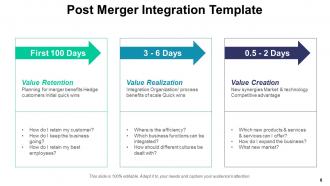
Post Merger Integration Template
-
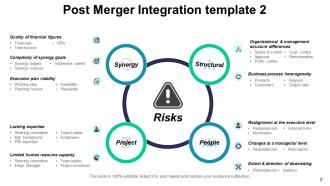
Post Merger Integration template 2
-
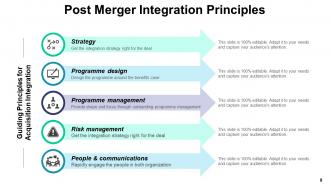
Post Merger Integration Principles
-
Post Merger Integration Challenges Template
-
Merger Integration Framework Option 1 of 2
-
Merger Integration Framework Option 2 of 2
-
Post Merger Integration Framework and Challenges Pres
-
Post Merger Integration Framework and Challenges Pres
-
Area Chart
-
Bar Graph
-

Additional Slides
-
Post Merger Integration Framework and Challenges Pres
-
About Us
-
Our Team
-
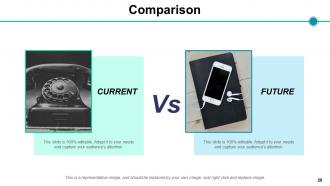
Comparison
-
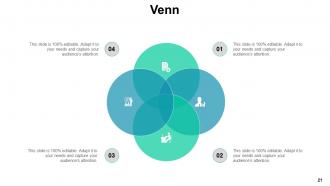
Venn
-
Puzzle
-
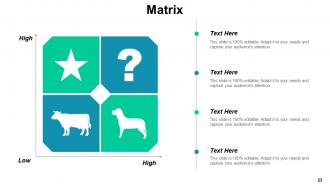
Matrix
-
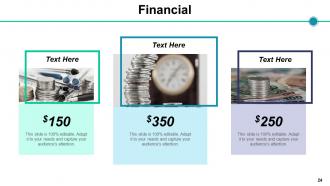
Financial
-

Thank You
FAQs for Post Merger Integration Framework And Challenges
So basically, you want to hit those cost savings and revenue bumps they sold everyone on during the deal. Keep your best people from bailing - that's huge. Don't mess up what made each company good to begin with, though honestly that's where most deals go sideways. Customer relationships matter too, obviously. Integration's tricky because you're juggling operations while keeping everyone bought into this new direction. I'd set milestones upfront and over-communicate everything. People start freaking out when they don't know what's happening, and then you're screwed.
Don't assume the cultures will just magically blend - that's wishful thinking at best. Start by mapping out how each company actually operates: their values, communication styles, decision-making processes. Figure out what from each side genuinely drives results (not just what sounds nice on paper). Form integration teams with people from both orgs who can champion the new culture. The communication part is huge - constantly talk about what behaviors you want and reward people when they show them. Oh, and treat culture integration like you would financial integration - make it formal and track progress.
Dude, communication literally makes or breaks these things. Keep everyone in the loop about what's changing and when - people absolutely hate being left guessing. Rumors spread like wildfire and tank morale fast. Set up town halls, send regular updates, whatever it takes. Oh and don't just talk AT people - let them ask questions and vent concerns too. Honestly, sometimes admitting "we don't know yet" builds more trust than pretending you have all the answers. Multiple communication channels work best since not everyone checks email religiously.
First 30 days, get that org chart sorted out. Look for duplicate roles and figure out who's actually the best person for each job - seriously, don't just pick your own people or you'll lose good talent. I've seen that backfire so many times. Set up clear reporting lines fast because nothing kills momentum like confusion about who reports to whom. Be upfront about changes when you announce them. Find other spots for displaced leaders if you can. The whole thing is about speed with some actual thought behind it - people need to know where they stand instead of just sitting there wondering.
Honestly, the biggest mistakes I see are rushing in without any real roadmap and leaving employees completely clueless about what's happening. Cultural clashes will absolutely kill you if you don't tackle them upfront. Don't fall for that "synergies will magically appear" nonsense - they won't, trust me. Your top talent? They're already updating their LinkedIn profiles unless you give them solid reasons to stay. Oh, and customers freak out about service changes, so keep them in the loop constantly. I know it feels like you're over-communicating, but that's actually the sweet spot you want to hit.
Honestly, tech integration saves your butt during merger madness. Start with the must-have systems - whatever keeps the lights on day one. Get those talking to each other first. Unified platforms are clutch for merging customer data and financial systems, plus leadership gets those real-time dashboards they love. Don't rush it though - I've seen companies try to do everything at once and it's a nightmare later. Map out your critical systems first, then worry about the fancy stuff. The communication tools alone will make your life so much easier when everyone's freaking out about the changes.
Track both money stuff and operational metrics - revenue synergies, cost savings, customer retention, employee turnover. The cultural integration surveys are honestly huge, way more than people think. System integration milestones matter too. Set your baselines first though, otherwise you're just guessing at progress. Keep your dashboard simple - maybe 5-7 metrics tops that you review monthly. Make sure someone actually owns each metric or it'll just sit there. Oh, and don't ignore the timeline stuff, that's where things usually go sideways first.
Honestly, just tell people everything - even the stuff you're still figuring out. Uncertainty drives employees way more crazy than actual bad news does. Regular updates are key, plus you'll want feedback channels everywhere so people don't feel ignored. Town halls are fine but smaller team meetings? Way better for real conversations. Oh, and make sure your managers have solid talking points ready because they're about to get hit with a million questions. The trick is celebrating wins early - like when teams from both companies actually work well together. Shows it's not all doom and gloom, you know?
Dude, don't go radio silent while you're figuring stuff out - that's the worst thing you can do right now. Talk to your top people within two weeks, like actually sit down with them. Be honest if you don't know something yet. Money helps but won't fix everything if they think the ship's sinking. Quick wins are huge - give them projects to lead so they feel useful. Oh and set real timelines for decisions that affect them. The rumor mill will destroy you faster than actual bad news will. Career path conversations matter more than you'd think.
Dude, it's all about your industry. Tech companies are sprinting - they need to merge systems fast and keep talent from jumping ship to competitors. Financial services? Way slower because of all the regulatory red tape. Compliance reviews literally add months. Manufacturing gets messy with supply chains and closing facilities (what a headache). Healthcare has those patient privacy rules that are super strict. Retail's obsessed with keeping customer systems running smoothly, especially during busy shopping seasons. Honestly, don't bother with generic M&A advice - find deals in your specific industry to benchmark against.
So here's the thing - customer perception totally controls how fast you can integrate and how much you need to communicate. When they think the merger's sketchy, you're basically doing damage control with constant check-ins and reassurance. I've watched really good deals fall apart just because customers got freaked out and nobody saw it coming. Map out their whole experience first - are contracts still good? Will prices change? Service getting worse? Survey your big accounts right away and build everything around keeping them chill. Trust me, their confidence matters way more than internal timelines.
Dude, you'll want to overcommunicate like crazy during PMI. Way more than feels normal. Map out who needs what info first, then build your schedule around that. Board gets quarterly updates, employees need weekly check-ins - different groups, different rhythms. Here's the thing though: be brutally honest about timelines and roadblocks. I've watched so many deals tank because leadership disappeared for months. Don't sugarcoat when stuff goes sideways either. People respect transparency over fake optimism any day. Oh, and set up those regular touchpoints with key stakeholders from day one.
First thing - map out all your processes side by side so you can actually see what's duplicated and what's missing. Get people involved who do the real work daily, not just the managers (they honestly don't always know what's happening on the ground). Customer-facing stuff should be your top priority since that's where the money is. Document everything and do regular check-ins to catch problems early. Oh, and don't try to fix everything at once - that's a recipe for disaster. Pick maybe 2-3 critical processes to nail down first, then use that success to build momentum for the rest.
Look, you've gotta jump on risk management from day one - no waiting around. Figure out what could blow up your timeline first: operational stuff, culture clashes, money problems. Honestly, I've watched so many deals crash because people thought everything would magically fall into place. Get teams from both companies hunting for risks together since they'll catch things you'd totally miss. Weekly check-ins work well, and make sure someone actually owns each problem with a real plan to fix it. Oh, and don't just make lists - that's useless if nobody's accountable.
So Disney buying Pixar went super well because they didn't mess with Pixar's creative vibe - just used Disney's massive distribution reach. Same with Microsoft and LinkedIn, honestly. They basically said "do your thing" instead of forcing everything to become Microsoft-y (which would've been a disaster). My take? Don't immediately change what made them successful. Talk constantly with both teams, focus on getting the cultures to mesh before you start switching up operations. Oh, and find some easy wins that help everyone early on. It's tempting to jump in and "fix" things, but that usually backfires.
-
Informative presentations that are easily editable.
-
Unique research projects to present in meeting.
-
Use of icon with content is very relateable, informative and appealing.
-
Easily Understandable slides.
-
Very well designed and informative templates.