


Procurement services provider powerpoint presentation slides




Try Before you Buy Download Free Sample Product
 Impress Your
 Audience
 100%
100% Editable
 Save Hours
 of Time


Procurement usually refers to the final act of buying, which is crucial for businesses before making their final purchasing decision. The profile ensures that all the services and items are acquired efficiently, making processes proceed successfully. Here is a professionally designed template on Procurement Services Provider that focuses on the company profile. An overview of the organization covers our company, company credentials, mission vision, milestones, and our management team. Services offered by the company include procurement intelligence, global sourcing and outsourcing services, features and benefits, service model to address market needs, procurement process, mapping management process, costs and procurement tools, management structure, and reason of choosing our company. The procurement management process covers the stages, flowchart, cycle, and process evaluation. The proposal aims to understand the procurement process flow that is considered smooth for the company. Firms can present the data for becoming a leading Procurement Services Provider in sourcing the market. One can even showcase all the companys costs and procurement tools and the process for the valuable customer base. Grab this 100 percent editable template and customize it based on needs. Download it now.
People who downloaded this PowerPoint presentation also viewed the following :
Content of this Powerpoint Presentation
Slide 1: This slide introduces Procurement Services Provider. State Your Company Name and begin.
Slide 2: This is an Agenda slide. State your agendas here.
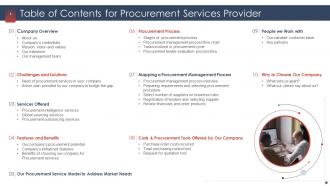
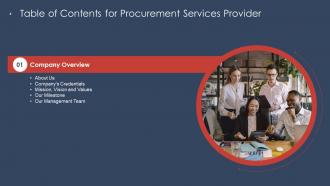
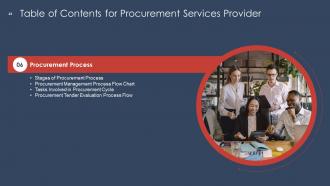
Slide 3: This slide presents Table of Content for the presentation.
Slide 4: This slide highlights title for topics that are to be covered next in the template.
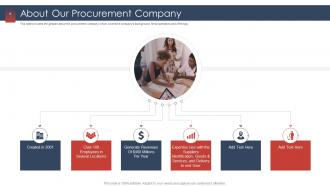
Slide 5: This slide provides the glimpse about the procurement company which covers the company’s background, etc.
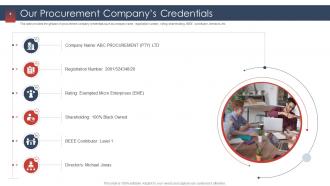
Slide 6: This slide provides the glimpse of procurement company credentials such as company name, etc.
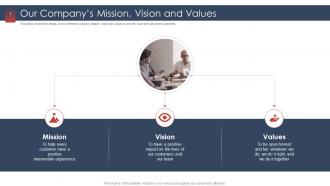
Slide 7: This slide provides the details of procurement’s company mission, vision and values to provide value services to the customers.
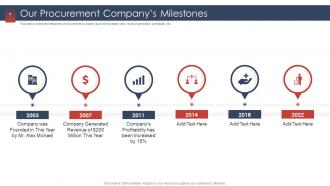
Slide 8: This slide provides the milestones of procurement’s company such as foundation year, revenue generation, profitability, etc.
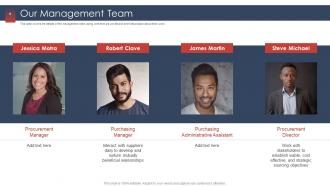
Slide 9: This slide covers the details of the management team along with their job profile and brief description about their work.
Slide 10: This slide depicts title for 'Challenges & solutions'.
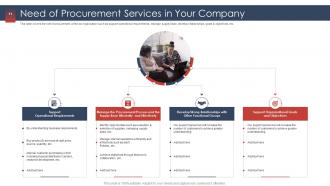
Slide 11: This slide covers the role of procurement within an organization such as support operational requirements, etc.
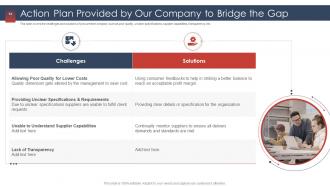
Slide 12: This slide covers the challenges and solutions of procurement company such as poor quality, etc.
Slide 13: This slide highlights title for 'Services offered'.
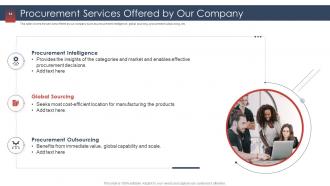
Slide 14: This slide covers the services offered by our company such as procurement intelligence, etc.
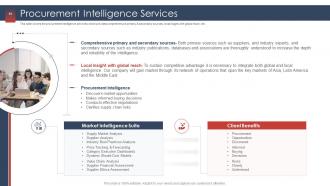
Slide 15: This slide covers the procurement intelligence services which provides local insight with global reach, etc.
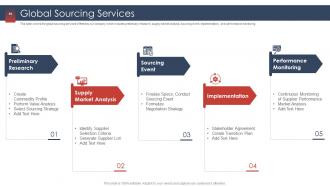
Slide 16: This slide covers the global sourcing services offered by our company which includes preliminary research, etc.
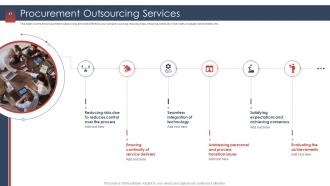
Slide 17: This slide covers the procurement outsourcing services offered by our company such as reducing risks, etc.
Slide 18: This slide displays title for 'Features & benefits'.
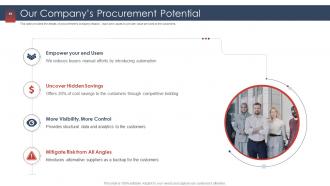
Slide 19: This slide provides the details of procurement’s company mission, vision, etc.
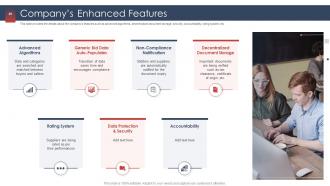
Slide 20: This slide provides the details about the company’s features such as advanced algorithms, etc.
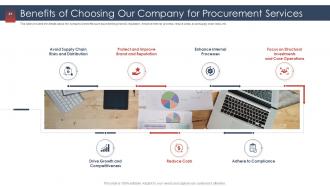
Slide 21: This slide provides the details about the company’s benefits such as protecting brand & reputation, etc.
Slide 22: This slide presents title for 'Procurement service model to address market needs'.
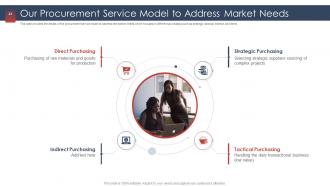
Slide 23: This slide provides the details of the procurement service model to address the market needs.
Slide 24: This slide exhibits title for 'Procurement Process'.
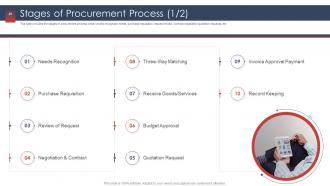
Slide 25: This slide provides the stages of procurement process which covers recognition needs, purchase requisition, etc.
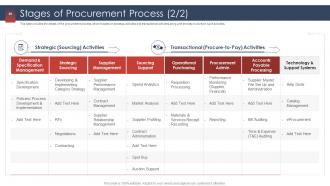
Slide 26: This slide provides the details of the procurement process which focuses on strategic and transactional activities, etc.
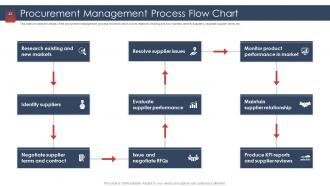
Slide 27: This slide provides the details of the procurement management process flowchart.
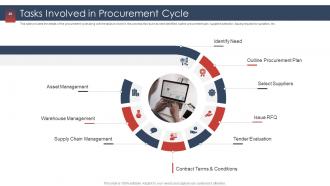
Slide 28: This slide provides the details of the procurement cycle along with the tasks involved in this process flow.
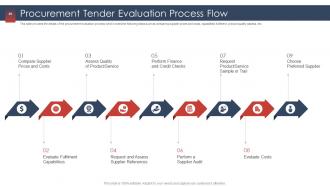
Slide 29: This slide provides the details of the procurement evaluation process which covers the following steps.
Slide 30: This slide depicts title for 'Mapping a procurement management process'.
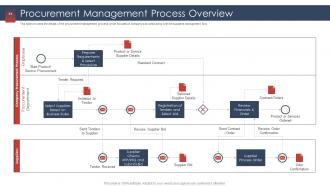
Slide 31: This slide provides the details of the procurement management process which focuses on company’s process.
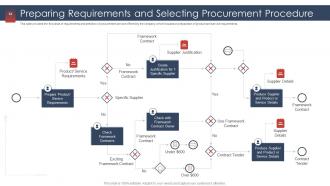
Slide 32: This slide provides the flowchart of requirements and selection of procurement service offered by the company.
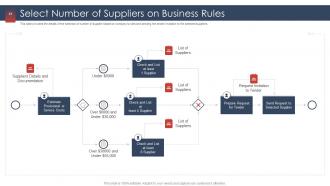
Slide 33: This slide provides the details of the selection of number of supplier based on company’s rules.
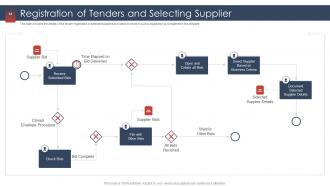
Slide 34: This slide provides the details of the tender registration of selected suppliers and steps involved.
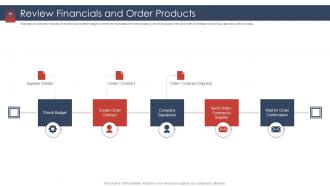
Slide 35: This slide provides the final step involved in procurement stages wherein the financials are reviewed.
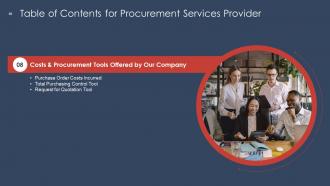
Slide 36: This slide highlights title for 'Costs & Procurement Tools Offered by Our Company'.
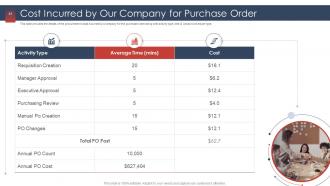
Slide 37: This slide provides the details of the procurement costs incurred by a company for the purchase order.
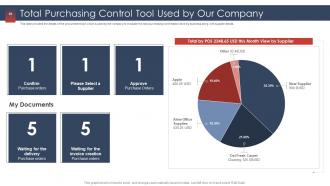
Slide 38: This slide provides the details of the procurement tool which is used by the company to evaluate the total purchasing confirmation.
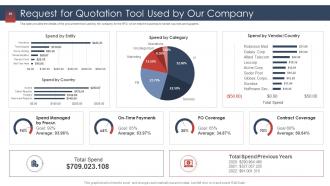
Slide 39: This slide provides the details of the procurement tool used by the company for the RFQ which help the business to handle sources and suppliers.
Slide 40: This slide illustrates title for 'People we work with'.
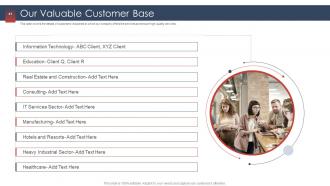
Slide 41: This slide covers the details of customers’ industries to which our company offers the services and ensure high quality services.
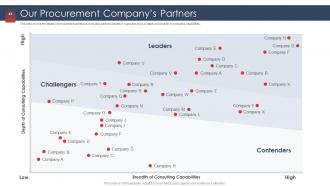
Slide 42: This slide covers the details of procurement operations consulting partners based on highs and lows of depth and breadth of consulting capabilities.
Slide 43: This slide displays title for 'Why to Choose Our Company'.
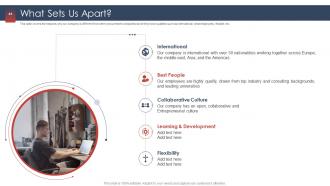
Slide 44: This slide covers the reasons why our company is different from other procurement companies.
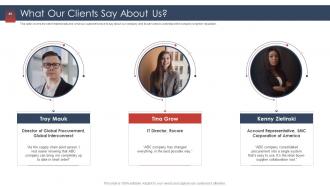
Slide 45: This slide covers the client testimonials and what our customers have to say about our company.
Slide 46: This slide displays Icons for Procurement Services Provider.
Slide 47: This slide is titled as Additional Slides for moving forward.
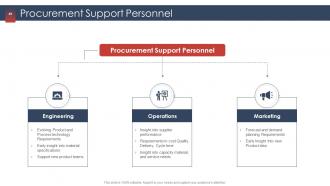
Slide 48: This slide showcases Procurement Support Personnel.
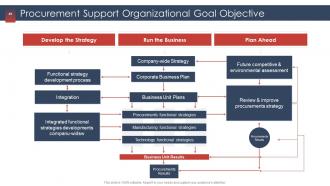
Slide 49: This slide presents Procurement Support Organizational Goal Objective.
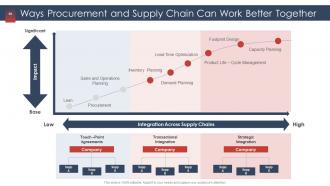
Slide 50: This slide displays Ways Procurement and Supply Chain Can Work Better Together.
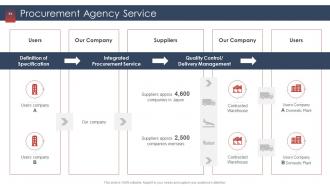
Slide 51: This slide represents Procurement Agency Service.
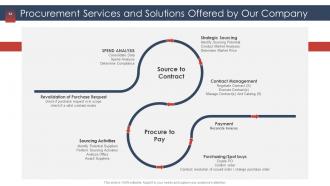
Slide 52: This slide showcases Procurement Services and Solutions Offered by Our Company.
Slide 53: This is Our Mission slide with related imagery and text.
Slide 54: This is Our Team slide with names and designation.
Slide 55: This is About Us slide to show company specifications etc.
Slide 56: This is a Timeline slide. Show data related to time intervals here.
Slide 57: This slide shows Post It Notes. Post your important notes here.
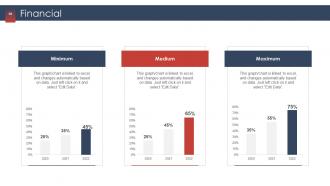
Slide 58: This is a Financial slide. Show your finance related stuff here.
Slide 59: This slide provides 30 60 90 Days Plan with text boxes.
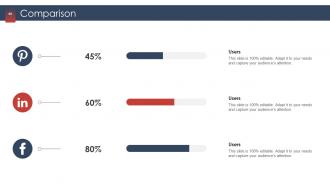
Slide 60: This is a Comparison slide to state comparison between commodities, entities etc.
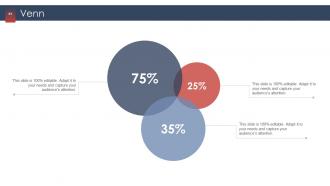
Slide 61: This slide depicts Venn diagram with text boxes.
Slide 62: This is a Thank You slide with address, contact numbers and email address.
Procurement services provider powerpoint presentation slides with all 67 slides:
Use our Procurement Services Provider Powerpoint Presentation Slides to effectively help you save your valuable time. They are readymade to fit into any presentation structure.





FAQs for Procurement services provider
Honestly, most people screw up right at the beginning with planning - that's where I'd start. Map out what you actually need first (needs assessment), then find and evaluate suppliers. Don't just go for the cheapest option either - reliability matters way more in the long run. After that comes contract negotiation, which... ugh, nobody loves that part. Then you'll need ongoing supplier management once everything's rolling. The trick is nailing down your requirements upfront because trust me, changing specs halfway through becomes a total headache. Quality and partnership potential should weigh heavily in your evaluation too.
Honestly, automating procurement is a game-changer. You can digitize purchase orders and set up automatic approvals through e-procurement platforms. Real-time spending tracking? Super helpful. The AI stuff for analyzing suppliers is actually pretty impressive - way better at predicting good vendors than I expected it to be. Digital contract management saves tons of headaches too, especially with those renewal alerts. But here's the real benefit: instead of drowning in paperwork, you'll focus on strategic sourcing that moves the needle. Oh, and errors drop dramatically once everything's automated.
Honestly, you can't dodge sustainable sourcing anymore - it's everywhere in procurement now. Customers and investors expect it, plus regulations keep getting stricter. Look for suppliers with solid labor practices and lower carbon footprints. The ESG stuff actually matters for your company's reputation too (even if some of it feels like buzzwords). Most companies I know are adding sustainability requirements to their vendor evaluations. Make suppliers report on their environmental impact. It's not just feel-good anymore - it'll hurt your business if you ignore it. Start small but start somewhere.
Start with cost savings and cycle times - those hit budgets directly. Supplier performance scores matter too, plus contract compliance (maverick spending is such a headache). Quality metrics and stakeholder satisfaction are solid indicators since angry internal customers make your life miserable. Honestly, supplier diversity is becoming more important than people think. Pick maybe 3-4 that match your company's priorities and track them monthly on a simple dashboard. Don't go crazy with too many metrics right away - you'll just overwhelm yourself and won't actually use the data.
Honestly, procurement is a pain in three main ways: sketchy suppliers, costs spiraling out of control, and compliance nonsense. Build solid relationships with multiple vendors so you're not screwed when one flakes or hikes prices randomly. Don't just go for cheapest - analyze your spending patterns and source strategically instead. Compliance becomes way less annoying once you standardize everything and get decent software to track it all. Oh, and start with whatever's driving you crazy right now. Usually it's either money bleeding everywhere or that one supplier who makes everyone want to quit.
First thing - research what everyone else is paying before you even call them. Building actual relationships with suppliers makes a huge difference too, honestly people give better deals to folks they like. Don't just haggle on price though. Maybe they can't budge on cost but they'll do faster shipping or better payment terms? That stuff adds up. Oh and seriously, be ready to walk away if it sucks. I'd start by going through your current contracts to see which ones are totally screwing you over.
Honestly, risk management drives pretty much every big procurement decision you'll make. Which suppliers can you trust? What contract terms do you actually need? How much extra will you pay just for reliability? You're always balancing cost cuts against potential disasters - and trust me, saving 10% isn't worth it if you end up shutting down production. I've seen that happen and it's brutal. You'll end up keeping backup suppliers on standby, demanding insurance coverage, sometimes paying more for vendors you know won't flake. Map out your worst-case scenarios first, then bake those safeguards right into your sourcing plan.
Honestly, centralized procurement is usually the way to go. You get way better deals when you're buying in bulk - like, the cost savings are pretty crazy. Plus everything stays consistent across departments instead of having random vendors everywhere. Decentralized is faster when someone needs something ASAP since they just handle it themselves. But you lose all that buying power. Such a waste. If your departments are all purchasing similar things separately (which they probably are), I'd definitely consolidate. Maybe start with whatever you're spending the most on and work from there. Way easier to negotiate when you're not scattered all over the place.
Dude, analytics totally flips procurement on its head. Instead of scrambling when stuff goes sideways, you're actually predicting demand shifts and supplier issues before they hit. All that old spending data you've got? It's basically treasure - shows you patterns you'd miss completely doing it by hand. Real-time dashboards let you track how suppliers are performing and if contracts are being followed. Sometimes it feels almost like cheating, honestly. The best part is making decisions based on actual data instead of just winging it. I'd say look at your biggest headaches first and see what info you already have lying around - you might be surprised.
Okay so first thing - get your procurement policies written down clearly. Document literally everything from how you pick vendors to who approves what. Training your team regularly is clutch because dealing with compliance disasters later is the worst. Make sure different people handle different parts of the process so nobody has too much control. Oh and audit everything regularly - keep detailed records of all your transactions and decisions. The vendor vetting process upfront is huge too. Seriously, doing this stuff right from the start will save you so much stress and potential legal drama later.
Oh man, cultural stuff totally makes or breaks international procurement. Some places you'll spend forever building relationships before anyone talks contracts - others just want to get down to business right away. I learned that one the hard way lol. Decision-making works differently everywhere too. Plus communication styles, timing expectations... it's a lot. Honestly, do your homework on business customs first. Getting a local procurement partner who knows the cultural ins and outs is probably your best bet though.
Honestly, the whole procurement space is getting pretty wild right now. AI platforms are everywhere, and supply chain transparency has become this huge thing - customers literally want to know every step of where their stuff comes from. Sustainable sourcing isn't optional anymore either. Risk management tools are way more advanced than they used to be, plus remote vendor management exploded after 2020 (shocker, right?). Companies are shifting toward outcome-based contracts instead of just buying stuff directly. You should probably look at your current tech stack and figure out where automation could actually save your team time on the boring repetitive tasks.
So basically, stop treating your vendors like vending machines and actually build relationships with them. You'll get way better pricing and they'll prioritize you when stuff hits the fan. Trust me, having a supplier who actually cares about your business is clutch - they'll hook you up with early product access and solve problems faster. When issues come up (which, let's be real, they always do), you're not just some random customer number. My advice? Pick your top 5 most critical suppliers and start having regular conversations with them. Not just the boring contract stuff either.
Honestly, just nail these three things: fair competition, conflict of interest stuff, and social responsibility. Give every qualified vendor a real chance - no rigged specs or obvious favoritism. Always disclose personal connections with suppliers (seriously, I've watched people's careers implode over undisclosed family ties). Document everything transparently so your decisions hold up under scrutiny. Also think about the bigger picture - does this supplier treat workers well? Environmental practices decent? My old boss used to say "spend it like it's your money but act like everyone's watching." Pretty much sums it up.
So procurement services are basically like getting the buying power of a huge company without all the bureaucracy. They'll negotiate with suppliers for you and can knock 10-20% off what you're currently paying - which honestly adds up fast. You also get access to vendors you'd never find on your own. The time savings alone are worth it because instead of chasing quotes all day, you can actually work on growing your business. I'd start with whatever's eating up most of your budget and find a service that knows that industry inside out.
-
Out of the box and creative design.
-
Colors used are bright and distinctive.