


Product Life Cycle Stages Powerpoint Presentation Slides




Try Before you Buy Download Free Sample Product
 Impress Your
 Audience
 100%
100% Editable
 Save Hours
 of Time


Product life cycles stage PowerPoint presentation sides are your way to an easy demonstration of product lifecycle phases. Equipped with topics including repositioning, introduction, growth, maturity, and decline for a product, this PPT design is build to deliver comprehensive results. Our creative team has included organic color schemes and icons for the viewer to have an equal visual connection with the topics concerned. We have included bar graphs for various comparisons like area chart, stacked bar, stack arear clustered column, for a thorough understanding of your projections. These powerpoint slides can easily portray complete information related to a product lifecycle stages, excel and build a durable impression. Just click on the download option and our PPT design will take care of the rest as we are bound to work for best of your business. This PowerPoint template is created for long-lasting impression and building a solid foundation. Our Product Life Cycle Stages Powerpoint Presentation Slides enable easy functioning. You will have a hassle free experience.
People who downloaded this PowerPoint presentation also viewed the following :
Content of this Powerpoint Presentation
Slide 1: This slide introduces Product Life Cycle Stages. State Your Company Name and begins.
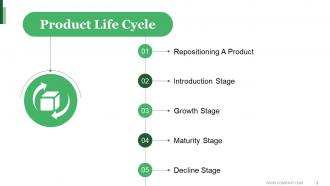
Slide 2: This slide showcases Product Life Cycle with these five of the stages- Repositioning A Product, Introduction Stage, Maturity Stage, Decline Stage, Growth Stage.
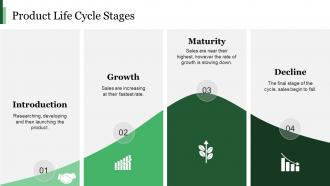
Slide 3: Product Life Cycle Stages Researching, developing and then launching the product. Introduction, Sales are increasing at their fastest rate, Growth, Sales are near their highest, however the rate of growth is slowing down, Maturity, The final stage of the cycle, sales begin to fall, Decline.
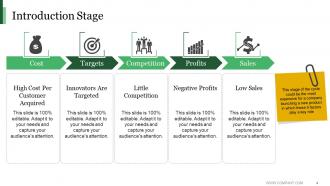
Slide 4: This slide presents Introduction Stage with these priority steps- Cost, Targets, Competition, Profits, Sales, This stage of the cycle could be the most expensive for a company launching a new product in which these 5 factors play a key role.
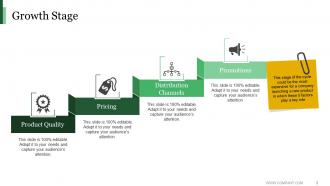
Slide 5: This slide showcases Growth Stage with these four stages- Pricing, Distribution Channels, Product Quality, Promotions, This stage of the cycle could be the most expensive for a company launching a new product in which these 5 factors play a key role
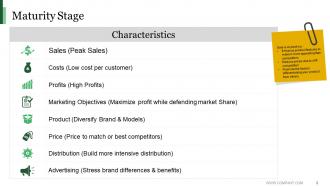
Slide 6: This slide presents Maturity Stage with different characteristics.
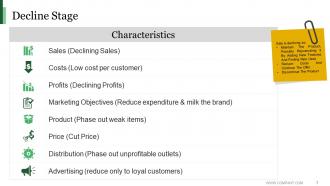
Slide 7: This stage shows Decline Stage with these of the important factors.
Slide 8: This is a Coffee Break slide to halt. You may change it as per requirement.
Slide 9: This is a Bar Graph image slide to show product comparison, growth etc.
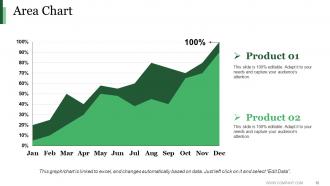
Slide 10: This is an Area Chart slide for product/entity comparison.
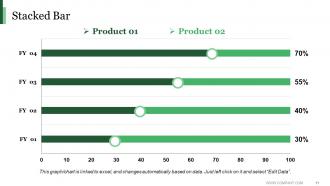
Slide 11: This slide shows a Stacked bar graph in terms of percentage and years for comparison of Product 01, Product 02, Product 03 etc.
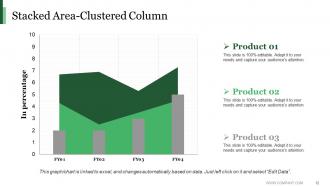
Slide 12: This slide presents Stacked Area-Clustered Column.
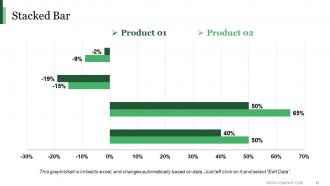
Slide 13: This slide showcases Stacked Bar with these two description.
Slide 14: This slide is titled Additional Slides.
Slide 15: This slide represents Our Mission. State your mission, goals etc.
Slide 16: This slide showcases Our Team with Name and Designation to fill.
Slide 17: This slide helps show- About Our Company. The sub headings include- Creative Design, Customer Care, Expand Company.
Slide 18: This slide shows Our Goals for your company
Slide 19: This slide shows Comparison of Positive Factors v/s Negative Factors with thumbsup and thumb down imagery.
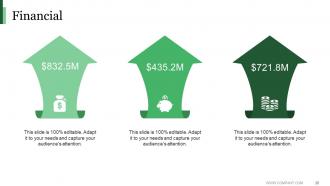
Slide 20: This is a Financial Score slide to show financial aspects here.
Slide 21: This is a Quotes slide to convey message, beliefs etc.
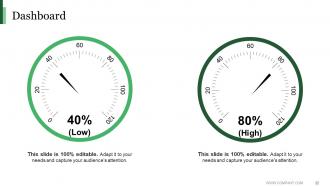
Slide 22: This is a Dashboard slide to show- Strategic System, Success, Goal Process, Sales Review, Communication Study.
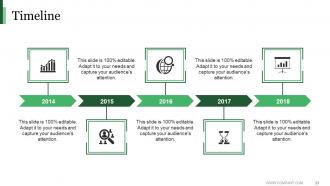
Slide 23: This is a Timelines slide to show- Plan, Budget, Schedule, Review.
Slide 24: This slide shows Target image with text boxes.
Slide 25: This slide shows a Mind map for representing entities.
Slide 26: This slide displays a Bulb or idea image.
Slide 27: This slide displays a Magnifying Glass with icon imagery.
Slide 28: : This is a Thank You slide with Address# street number, city, state, Contact Numbers, Email Address.
Product Life Cycle Stages Powerpoint Presentation Slides with all 28 slides:
Benefit from good habits with our Product Life Cycle Stages Powerpoint Presentation Slides. The audience will applaud your deeds.









FAQs for Product Life Cycle Stages
So there are four main stages: Introduction, Growth, Maturity, and Decline. Each one needs a totally different marketing approach. Introduction is all about getting people to even know your product exists - lots of education. Then Growth hits and suddenly you've got competitors everywhere, so differentiation becomes key. Maturity's honestly the most annoying phase because everyone's scrapping for market share. You're either extending the product's life somehow or cutting costs like crazy. Decline? That's when you make the tough calls - milk it for what it's worth, sell it off, or try some last-ditch revival effort. Map out where your products are right now. Makes budgeting way easier.
Look at your sales growth rate, profit margins, and how crowded your market's getting - that combo tells the whole story. Slow sales + high costs? You're still in intro phase. Rapid growth with better margins means you've hit the sweet spot. Maturity is honestly the trickiest to navigate - sales flatten out but suddenly everyone's your competitor. Decline's pretty obvious with dropping everything. Don't just stare at individual numbers though. Watch the patterns over time, like how fast you're acquiring customers and whether new players keep jumping in. Sales velocity changes are usually your best early warning system.
Okay so here's the thing - consumer behavior totally shifts at each stage, and you've gotta roll with it. Early on, target those early adopters who get excited about trying anything new. Growth phase? That's when regular people jump in, but they want proof it actually works and that others are using it too. Maturity gets tricky because buyers become super picky - they'll compare every feature and price point. Honestly, this phase can be brutal for marketers. Finally, decline leaves you with die-hard fans and people hunting for discounts. The key is figuring out what mindset dominates each phase, then adjust your messaging and pricing to match.
Watch your sales velocity and customer acquisition costs - those tell the real story. When sales start accelerating fast, you're hitting growth stage. Plateauing numbers? You're probably entering maturity. Honestly, I've watched so many teams completely miss this shift because they weren't paying attention to the data. Market penetration rates matter too. Set up alerts for when metrics hit certain levels - saves you from scrambling later. Also keep an eye on competitor moves and pricing pressure. Customer feedback sentiment is huge but gets overlooked. Don't wait until you're blindsided to pivot your strategy.
So you've got three moves here. Harvest it - basically just cut your marketing budget and squeeze out whatever money's left. Or sell it to someone else who thinks they can turn it around. Third option is trying to revitalize by repositioning or finding totally new markets for it. Quick decision-making is crucial though - I've seen too many companies just bleed money on dying products for way too long. First thing? Figure out if this decline is actually permanent or just a rough patch. That alone will tell you which direction to go.
So pricing changes big time as your product ages. Start with either penetration pricing (go low to grab market share) or skimming (price high to get back R&D money fast). Growth phase is honestly where the magic happens - demand's up but competition hasn't totally flooded in yet, so you can bump prices. Once you hit maturity, everyone's competing on price. Bundle deals help you stand out. Decline stage? Cut prices to move inventory or keep your die-hard customers happy. Just match your pricing to what demand and competition look like right now.
So in the intro stage, you're basically trying to get people to understand what the hell your product even does. PR and content marketing are your best friends here - write some thought leadership stuff, do demos, get featured in trade publications if you can. Direct sales is clutch too because you need those one-on-one convos to explain why anyone should care. Social media works but focus on targeted campaigns rather than hoping something goes viral (spoiler: it probably won't). The whole point is picking channels where you can actually tell your story properly and answer that inevitable "so what?" question.
Look, innovation is like hitting refresh on your product's whole lifecycle. Think about it - you can pull yourself right out of decline and back into growth mode. Apple's a perfect example with their iPhones, constantly throwing in new features to keep people buying. You've got tons of options: upgrade the actual product, add cool features, change up packaging, or even just target different customers. Sometimes it's as simple as new flavors or a design refresh (honestly works better than you'd think). But here's the thing - timing matters big time. Don't wait until your sales are already in the toilet. Start planning those improvements while you're still making money.
Honestly, it totally depends on what stage you're at. Just launching? Track awareness stuff - brand recognition, how many people are actually trying your product. Once you hit growth mode (the fun part!), watch your sales velocity and how much you're spending to get new customers. Market share becomes huge here. When things plateau in maturity, flip to profitability and retention - growth isn't gonna save you anymore. Decline phase is tricky... you're basically watching margins fall and deciding if you can squeeze more life out of it or if it's time to move on. Don't track everything though - pick what actually matters for your stage.
So basically, when tons of competitors jump in and the market gets saturated, your product hits maturity way faster than you'd expect. Growth stage gets cut short. Market saturation is honestly the worst part - it puts a ceiling on everything and pushes you toward decline before you're ready. Sales drop, margins shrink, customers bail for shinier options. The trick is catching these warning signs early enough to do something about it. You can innovate what you've got, find new markets, or start building the next version. Don't wait until you're scrambling to react - that never ends well.
Oh man, shortened product cycles are brutal - you're always scrambling to innovate faster. Development timelines get crushed, which honestly sucks. But you've gotta pivot your whole approach. Focus on rapid prototyping and getting stuff to market quick, because products go obsolete so fast now. Your investment windows shrink like crazy, so pricing needs to be way more aggressive upfront. I learned this the hard way at my last job actually. Build flexibility into your roadmap and don't fall in love with one version of anything. Ready to pivot becomes your new motto basically.
Honestly, Growth stage is where you want to be aggressive about grabbing market share. Focus on what makes your product different - better features, higher quality, whatever sets you apart. Target the customer segments your competitors are ignoring (there's always gaps if you look). Marketing spend should be heavy right now to build brand recognition before things get crazy competitive. People are still experimenting and buying new stuff, so it's prime time for innovation. Move fast though - once everyone catches up and the market saturates, it gets way harder to stand out.
Honestly, timing is everything with product launches - you can't just shove something into a market that isn't ready. Look at Google Glass, total disaster because of this. Most companies mess up by skipping real market research early on, or they're too slow to pivot when things aren't working. Others just refuse to kill dying products (which is probably the worst mistake). You've got to be ruthless about your metrics at every stage. Set clear benchmarks from day one and actually follow through when it's time to pull the plug. It sounds harsh but it'll save you tons of headache later.
So the Product Life Cycle basically dictates your whole supply chain approach. When you're introducing something new, demand is all over the place - you need suppliers who can roll with the punches. Growth phase? That's when you're scrambling to scale up fast and lock down reliable partners. Maturity is where things get brutal honestly - margins shrink so you're optimizing every penny. Then decline hits and you're stuck managing dead inventory while awkwardly ending supplier relationships. Bottom line: stay flexible early on, go hard during growth, squeeze efficiency in maturity, then plan your graceful exit.
So it really depends on where your product is right now. New launch? Go hard on awareness stuff - influencer collabs work great here. Growth phase is when you scale up with paid ads and retargeting (though honestly, everyone just dumps money into Facebook without thinking). Once you hit maturity, that's when retention becomes key - loyalty programs, email campaigns to existing customers. Oh, and don't forget to hunt for new audiences you haven't tapped yet. If things start declining, pivot that ad spend toward clearance sales or push your newer products instead. Just keep watching your customer acquisition costs so you know when to switch tactics.
-
Use of icon with content is very relateable, informative and appealing.
-
Top Quality presentations that are easily editable.