


Product Pricing Strategy Powerpoint Presentation Slides




Try Before you Buy Download Free Sample Product
 Impress Your
 Audience
 100%
100% Editable
 Save Hours
 of Time


Our Product Pricing Strategy Powerpoint Presentation Slides are topically designed to provide an attractive backdrop to any subject. Use them to look like a presentation pro.
People who downloaded this PowerPoint presentation also viewed the following :
Content of this Powerpoint Presentation
Slide 1: This is the cover slide of Product Pricing Strategy PowerPoint Presentation.
Slide 2: This is an Agenda slide of Product Pricing Strategy PowerPoint Presentation.
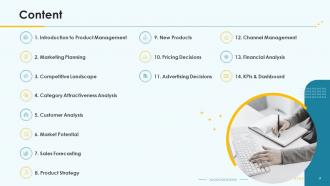
Slide 3: This is a Table of Contents slide that lists our all the essential elements covered in the deck.
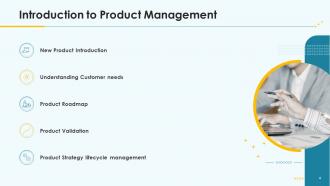
Slide 4: This slide presents Introduction to Product Management.
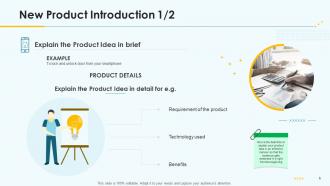
Slide 5: This slide talks about New Product Introduction.
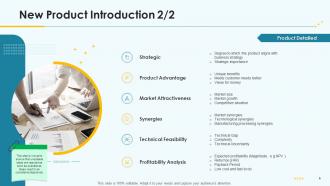
Slide 6: This slide talks about New Product Introduction.
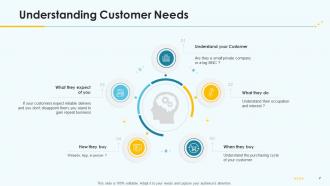
Slide 7: This slide talks about Understanding Customer Needs.
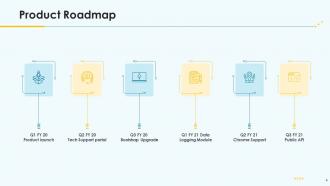
Slide 8: This slide provides a Product Roadmap with the steps to be followed.
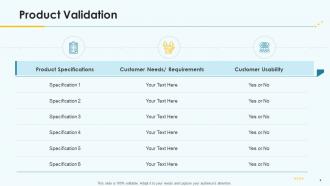
Slide 9: This slide presents Product Validation in the form of a table.
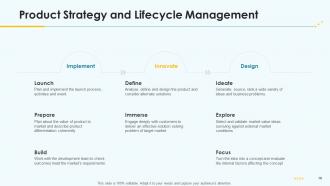
Slide 10: This slide talks about Product Strategy and Lifecycle Management.
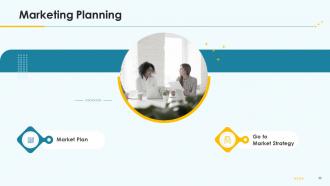
Slide 11: This slide talks about Marketing Planning and depicts two components - Market Plan and Go to Market Strategy.
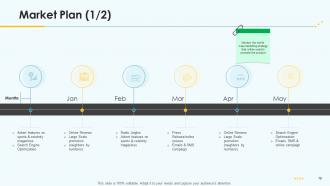
Slide 12: This slide can be used to mention the month wise marketing strategy that will be used to promote the product
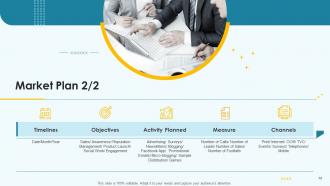
Slide 13: This slide can be used to mention the month wise marketing strategy that will be used to promote the product
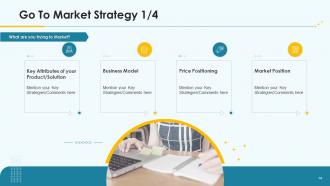
Slide 14: This slide presents Go To Market Strategy depicting what you are actually trying to market.
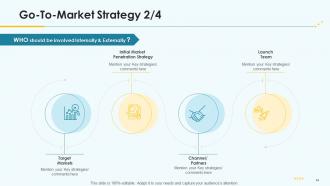
Slide 15: This slide presents Go-To-Market Strategy depicting who should be involved internally and externally.
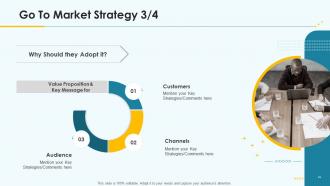
Slide 16: This slide presents Go To Market Strategy depicting why should they adopt it.
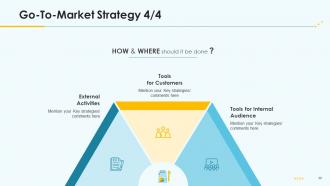
Slide 17: This slide presents Go-To-Market Strategy depicting how and where should it be done.
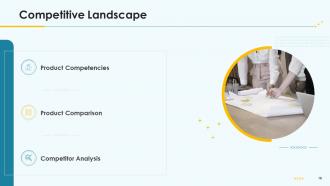
Slide 18: This slide presents Competitive Landscape.
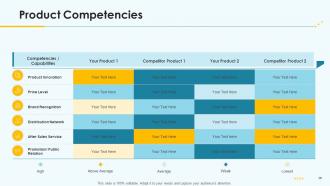
Slide 19: This slide presents Product Competencies utilzing a table.
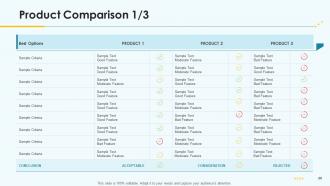
Slide 20: This slide presents Product Comparison utilizing a table.
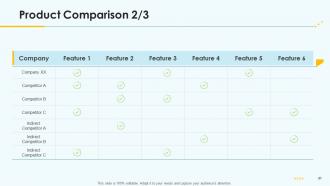
Slide 21: This slide presents Product Comparison utilizing a table.
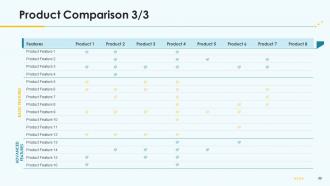
Slide 22: This slide presents Product Comparison utilizing a table.
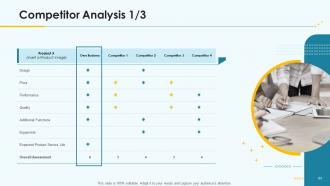
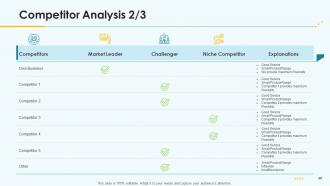
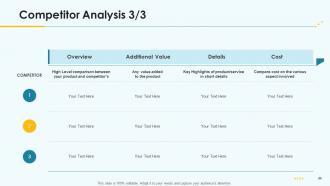
Slide 23: This slide conducts Competitor Analysis taking the assitance of the table.
Slide 24: This slide conducts Competitor Analysis taking the assitance of the table.
Slide 25: This slide conducts Competitor Analysis taking the assitance of the table.
Slide 26:
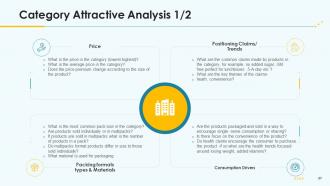
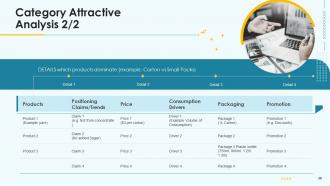
Slide 26: This slide talks about category attractiveness analysis.
Slide 27: This slide talks about the common claims made by products in the category- for example, no added sugar, GM free perfect for lunchboxes.5-A-day etc.
Slide 28: This slide talks about the common claims made by products in the category- for example, no added sugar, GM free perfect for lunchboxes.5-A-day etc.
Slide 29: This slide presents Customer Analysis.
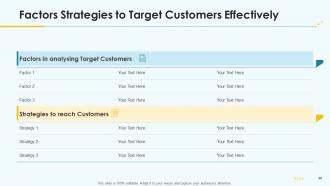
Slide 30: This slide talks about Factors Strategies to Target Customers Effectively.
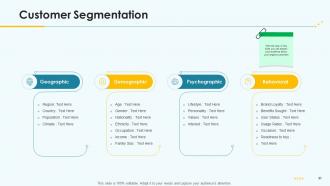
Slide 31: This slide presents Customer Segmentation using which you can explain your audience about your largest customers.
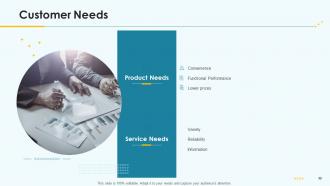
Slide 32: This slide talks about Customer needs that are - Product Needs and Service Needs.
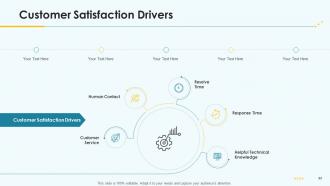
Slide 33: This slide showcases Customer Satisfaction Drivers.
Slide 34: This slide talks about Market Potential.
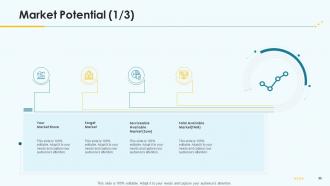
Slide 35: This slide presents Market Potential and talks about TAM, SAM
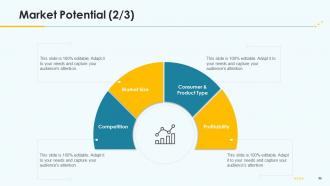
Slide 36: This slide presents Market Potential and talks about market size and profitability.
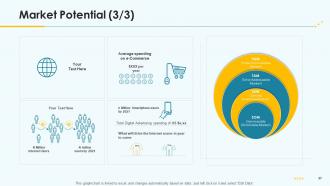
Slide 37: This slide presents Market Potential utilizing different visuals.
Slide 38: This slide showcases Sales Forecast.
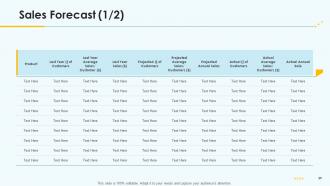
Slide 39: This slide presents Sales Forecast utilizing a table.
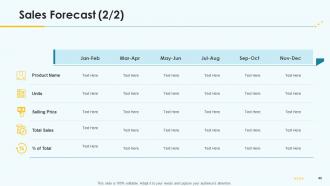
Slide 40: This slide presents Sales Forecast utilizing a table.
Slide 41: This slide talks about Product Strategy.
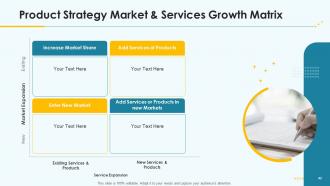
Slide 42: This slide presents Product Strategy Market & Services Growth Matrix.
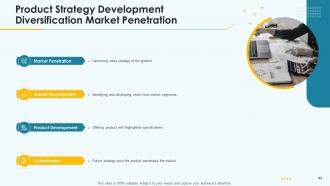
Slide 43: This slide showcases Product Strategy Development Diversification Market Penetration.
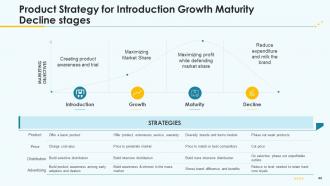
Slide 44: This slide showcases Product Strategy for Introduction Growth Maturity Decline stages.
Slide 45: This slide talks about New Products.
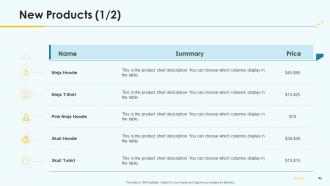
Slide 46: This slide showcases New Products using a table.
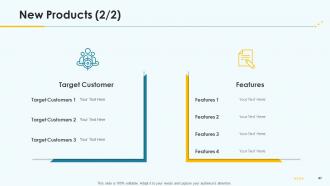
Slide 47: This slide showcases New Products and target customers.
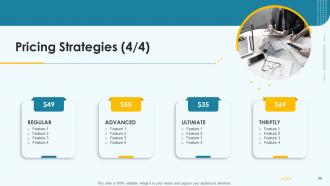
Slide 48: This slide talks about Pricing Strategies.
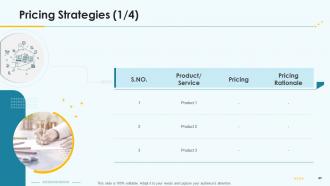
Slide 49: This slide presents Pricing Strategies.
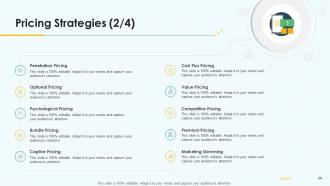
Slide 50: This slide presents Pricing Strategies.
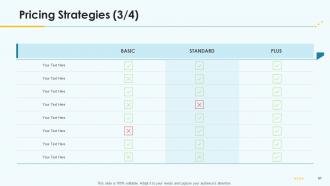
Slide 51: This slide presents Pricing Strategies.
Slide 52: This slide presents Pricing Strategies.
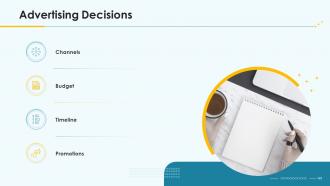
Slide 53: This slide talks about Advertising Decisions.
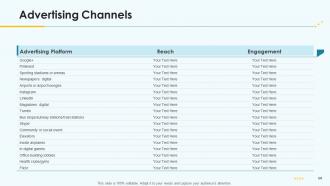
Slide 54: This slide showcases Advertising Channels utilizing a table.
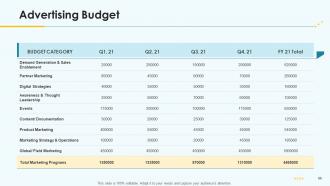
Slide 55: This slide presents Advertising Budget.
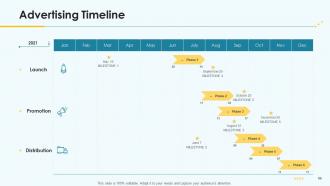
Slide 56: This slide showcases Advertising Timeline.
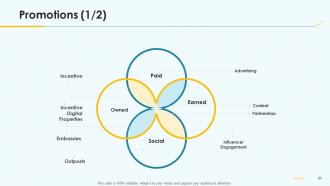
Slide 57: This slide presents Promotions which are paid, earned, social, owned.
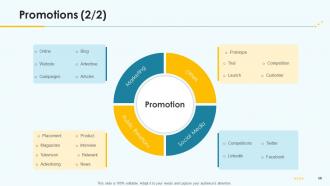
Slide 58: This slide presents Promotions which include marketing, offers, social media, public relations.
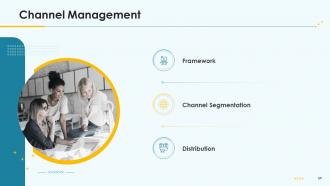
Slide 59: This slide presents Channel Management.
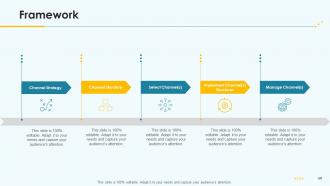
Slide 60: This slide presents the Framework of channel management.
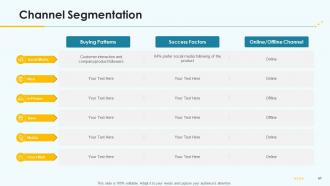
Slide 61: This slide talks about Channel Segmentation.
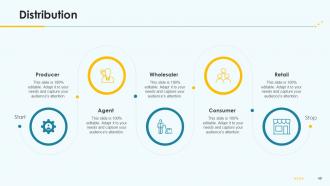
Slide 62: This slide talks about different Distribution channels.
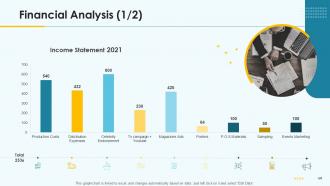
Slide 63: This slide talks about Financial Analysis.
Slide 64: This slide presents key takeaways from Income statement.
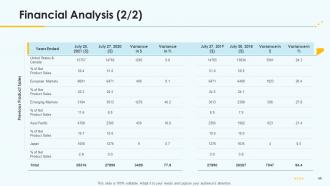
Slide 65: This slide presents highlights from previous product sales in the form of a table.
Slide 66: This slide presents KPIs and Dashboard.
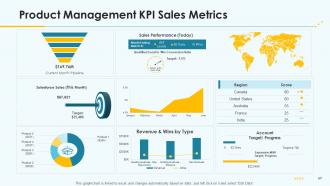
Slide 67: This slide talks about Product Management KPI Sales Metrics.
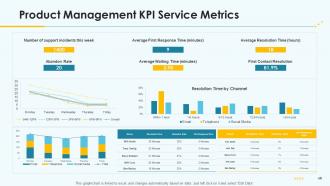
Slide 68: This slide talks about Product Management KPI Service Metrics.
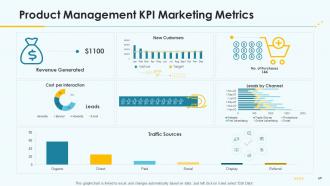
Slide 69: This slide talks about Product Management KPI Marketing Metrics.
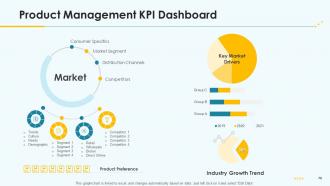
Slide 70: This slide talks about Product Management KPI Dashboard.
Slide 71: This is an Icon slide. Use it as per your needs.
Slide 72: This is an Additional Slide.
Slide 73: This is Our Mission slide to state your mission and vision.
Slide 74: This is an About us slide that can be used to give a brief overview of the company.
Slide 75: This is Our Goal slide to state your goals and aspirations.
Slide 76: This is creative Puzzle slide to state information and specifications.
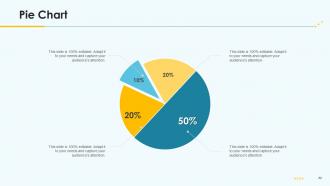
Slide 77: This is a Pie Chart slide to summarize large data in visual form.
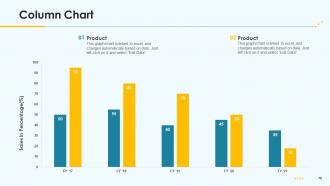
Slide 78: This is a Column Chart slide that can be used to compare different elements.
Slide 79: This is a Post it notes slide that can be used to keep important data at one place.
Slide 80: This is a Roadmap slide that can be used to present chronological sequence of events.
Slide 81: This is a Timeline slide that can be used to present series of events.
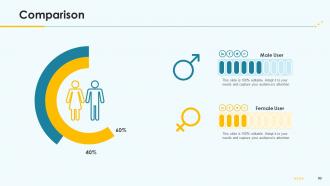
Slide 82: This is a Comparison slide that can be used to conduct a comparative analysis.
Slide 83: This is a Thank You slide for acknowledgment. You can share your contact details here.
Product Pricing Strategy Powerpoint Presentation Slides with all 83 slides:
Use our Product Pricing Strategy Powerpoint Presentation Slides to effectively help you save your valuable time. They are readymade to fit into any presentation structure.




FAQs for Product Pricing Strategy
Okay so pricing is honestly a bit of a juggling act. First, figure out your actual costs - can't go below that obviously. Then see what competitors are doing, but don't just copy them blindly. The real trick is understanding what customers think your product is worth. Sometimes that's way different than what you'd expect. Your business goals matter too - are you trying to grab market share or maximize profit? Here's what I'd do: nail down costs first, then do some serious competitor research. But honestly? Test a few different price points with real people before you lock anything in. Way better than guessing.
Honestly, market research is like having a cheat sheet for pricing. Check what your competitors charge first - that's your baseline. Then survey your actual customers about what they'd pay (most people skip this step for some reason). You'll spot which customers are willing to pay more and which ones will bail if you go too high. I mean, guessing at prices is basically gambling with your revenue. Research shows you those sweet spot price ranges and helps you avoid the deal-breakers that make people run. Plus you might find underserved segments who don't mind premium pricing.
Yeah, perceived value is everything - customers will pay based on what they *think* your product's worth, not your actual costs. Wild how that works, right? Don't just slap a markup on production costs. Instead, figure out what benefits they actually see. Like if your software saves someone 10 hours weekly, that's worth way more than just listing tech specs. I always tell people to survey their customers regularly - you'd be surprised how differently they value stuff than you expect. Focus on outcomes when you're pricing, not features.
Pick 3-5 main competitors and check their prices regularly - don't just do it once then forget about it. I'm always stalking competitor sites honestly, probably more than I should. Watch for patterns like if they're constantly undercutting you by 5% or charging extra for specific features. The good stuff happens when you compare their prices to what you're actually offering. Maybe you'll find spots where you can beat them or justify charging more. Oh, and set up price alerts so you're not caught off guard when they make big moves. Super helpful for staying on top of things.
Cost-plus is dead simple - just add your markup to costs and boom, guaranteed profit. Pretty boring though since you're totally ignoring what customers actually care about. With value-based pricing, you can charge way more when your product genuinely solves problems. The catch? You need to really understand your customers first, which takes work. Honestly, most companies are too lazy for that research. If you're selling commodities or want easy internal processes, stick with cost-plus. But you'll leave serious money on the table. Value-based is where the real profit is if you can figure out what outcomes people will actually pay for.
Oh totally, psychological pricing is legit! That $9.99 vs $10 thing? Our brains just latch onto the 9 and think it's way cheaper. Bundle deals work because people love feeling like they're getting more bang for their buck. Here's what's crazy though - sometimes pricing things higher actually makes people want them more because they assume it's better quality. I mean, we're pretty predictable when it comes to this stuff. Just gotta figure out what vibe matches your brand and test different approaches with your customers.
Honestly, pricing globally is trickier than most people think. Look at your local competition first - map out 3-5 key players and see how they position against features. Currency swings will wreck your margins if you're not careful, so build in some cushion there. Cultural stuff matters too. What screams "premium" in Germany might just look expensive in Brazil. Tax implications vary wildly by country, which obviously affects your final numbers. Oh, and don't underestimate how much local purchasing power should influence your strategy. I learned this the hard way with a client last year. Research competitor pricing thoroughly - it's the intel that'll make or break your market entry.
Don't just randomly slash prices everywhere - that's how you train customers to only buy on sale. Be smart about timing and who gets what deals. Limited-time offers work great, or try bundles instead of cutting your main product price. I learned this the hard way watching brands basically teach people to wait for discounts! Clear old inventory with sales, sure. Reward your loyal customers. But call it "early access" or whatever, not desperate clearance stuff. Oh and actually stick to your end dates - people will test you on that.
So dynamic pricing is just changing your prices on the fly based on what's happening - like how Uber does surge pricing or flights get crazy expensive right before holidays. You'll need decent analytics tools to watch competitors and see demand patterns. Honestly, start with just a few products because doing your whole catalog at once is a nightmare. Set some boundaries on how much prices can swing so customers don't freak out. Oh and make sure your team gets it - they're the ones dealing with angry customers asking why something costs more today than yesterday. The data side can be tricky to set up but it's worth it once you get the hang of it.
Subscription pricing is totally different - you're playing the long game instead of trying to max out each sale. Lower individual prices actually work better since you're counting on that monthly revenue adding up over time. Classic example? Razor companies practically hand out free handles knowing you'll keep buying their blades forever. Your whole focus shifts to keeping people around longer rather than squeezing profit from each transaction. I'd start by figuring out what it costs to get a customer versus how much they're worth over their lifetime - that math will show you where to price things. Oh, and reducing churn becomes way more important than I initially thought when I switched my business model.
Honestly, I'd track revenue per customer and profit margins first - those are your bread and butter. Conversion rates matter too, obviously. Customer acquisition cost versus lifetime value will tell you if your pricing actually makes sense financially. Price elasticity is probably the most underrated metric though. Shows you exactly how much you can push before people bail. Churn rates are like an early warning system - pricing screw-ups show up there before anywhere else. Market share and competitor stuff is useful but can be a pain to track consistently. Weekly dashboards work well for staying on top of trends.
So demand elasticity is just how much your sales tank when you bump prices up. Elastic means customers are super picky about price - jack it up even 10% and they're gone. Luxury stuff usually works this way. Inelastic is the opposite - people need it no matter what, so you can charge more without bleeding customers. Most SaaS sits somewhere in the middle honestly. My advice? Start with tiny price increases and watch your conversion rates obsessively. That's really the only way to figure out how price-sensitive your customers actually are. Way better than guessing.
Ugh, regulations are such a headache for pricing. Government basically sets limits in utilities, pharma, telecom - you can't just charge whatever the market will bear. Tobacco gets slammed with taxes that jack up prices no matter what your strategy is. Some industries make you get approval before changing prices, which is painfully slow when you need to pivot quickly. Plus all that transparency stuff. My advice? Map out the regulatory mess before you even think about pricing strategy, not after when you're already stuck. Trust me, hitting that compliance wall sucks way more than doing homework upfront.
Look, pricing is tricky but here's what works. Check what competitors charge - not to copy but to see where you land. Work backwards from your profit goals to figure out your wiggle room. Test a few price points with different customer groups if you can. Honestly, I've seen people stress about this way too much. Pick something that makes sense based on your research and adjust from there. Your first price doesn't have to be perfect - you can always tweak it once you see how customers react. Just don't go in blind.
Honestly, just be upfront about it - send personal emails explaining why prices are going up (costs, new features, whatever). Don't be all vague and sorry about it like some companies do. That's annoying. Focus on what they're still getting for their money. Give people at least 30 days heads up, use your app notifications and website too. Your biggest clients? Call them directly. Oh and make sure your support team knows how to answer questions without sounding like they're reading from a script.
-
Informative design.
-
Designs have enough space to add content.
-
Presentation Design is very nice, good work with the content as well.
-
Qualitative and comprehensive slides.
-
Illustrative design with editable content. Exceptional value for money. Highly pleased with the product.
-
Wonderful templates design to use in business meetings.
-
Presentation Design is very nice, good work with the content as well.