


Strategic plan for marketing and business development powerpoint presentation slides




Try Before you Buy Download Free Sample Product
 Impress Your
 Audience
 100%
100% Editable
 Save Hours
 of Time


Our Strategic Plan For Marketing And Business Development Powerpoint Presentation Slides are topically designed to provide an attractive backdrop to any subject. Use them to look like a presentation pro.
People who downloaded this PowerPoint presentation also viewed the following :
Content of this Powerpoint Presentation
Slide 1: This is the cover slide of Strategic Plan for Marketing and Business Development.
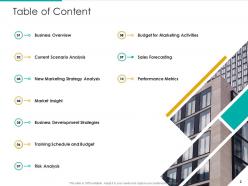
Slide 2: This is the Table of Content slide that lists out all the essential elements covered in the deck.
Slide 3: This slide presents Business Overview.
Slide 4: This slide gives a brief description about your company and your background.
Slide 5: This slide we have provided multiple graphs that give an overview of major financial highlights over the year. Such as revenue , gross profit m net profit and earning per share.
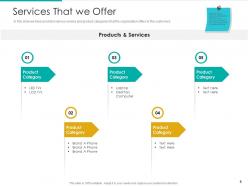
Slide 6: This slide provides various service and product categories that the organization offers to the customers.
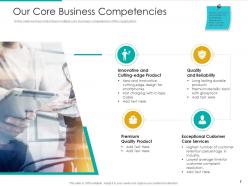
Slide 7: This slide lists down multiple core business competencies of the organization.
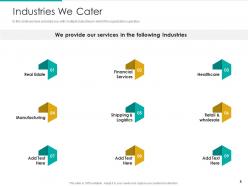
Slide 8: This slide provideS you with multiple Industries in which the organization operates.
Slide 9: This slide presents Current Situation Analysis.
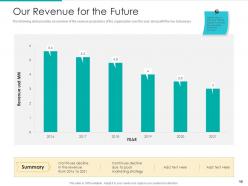
Slide 10: This slide provides an overview of the revenue projections of the organization over the year along with the key takeaways.
Slide 11: This slide distinguishes your revenue by product over the span of multiple years.
Slide 12: This slide provides the organizations revenue by geography, highlighted are the major contributing geographical locations
Slide 13: This slide presents Current Marketing Strategy.
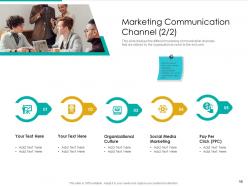
Slide 14: This slide displays the different marketing communication channels that are utilized by the organization to reach to the end user
Slide 15: This slide displays the different marketing communication channels that are utilized by the organization to reach to the end user
Slide 16: This slide shows the process timeline for your brand launch along with major pain areas
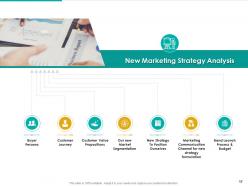
Slide 17: This slide presents New Marketing Strategy Analysis.
Slide 18: This slide displays the ideal buyer persona of the organization along with their Demographics, background information other key information aspects
Slide 19: This slide displays the ideal buyer persona of the organization along with their Demographics, background information other key information aspects
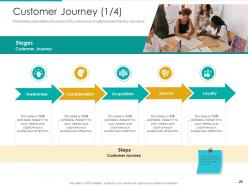
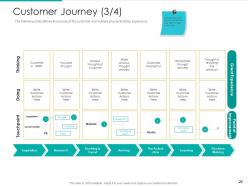
Slide 20: This slide defines the journey of the customer and multiple phases that they experience
Slide 21: This slide defines the journey of the customer and multiple phases that they experience
Slide 22: This slide defines the journey of the customer and multiple phases that they experience
Slide 23: This slide defines the journey of the customer and multiple phases that they experience
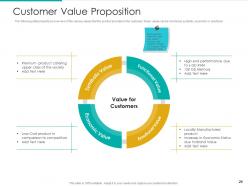
Slide 24: This slide presents an overview of the various values that the product provides to the customer, these values can be functional, symbolic, economic or emotional
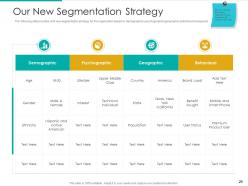
Slide 25: This slide provides with new segmentation strategy for the organization based on demographics psychographics geographic and behavioral aspects
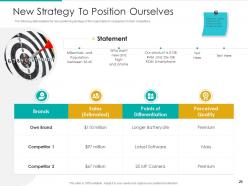
Slide 26: This slide explains the new positioning strategy of the organization in comparison to their competitors
Slide 27: This slide describes and analyzes the new marketing communication channel that will be used by company, their key features and the cost per year
Slide 28: This slide briefly analyses and explains the new brand strategy of the organization
Slide 29: This slide briefly analyses and explains the new brand strategy of the organization
Slide 30: This slide presents Market Insights.
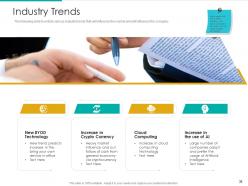
Slide 31: This slide to enlists various Industry trends that will influence the market and will influence the company
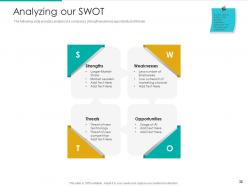
Slide 32: This slide provides analysis of a company's strength weakness opportunity and threats
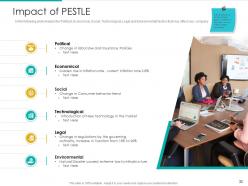
Slide 33: This slide Analyzes the Political, Economical, Social, Technological, Legal and Environmental factors that may effect your company
Slide 34: This slide provides and overview of the estimation of the TAM, SAM and Target Market of the company
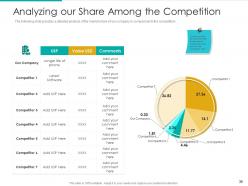
Slide 35: This slide provides a detailed analysis of the market share of our company in comparison to the competition
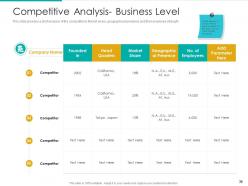
Slide 36: This slide provides a brief analysis of the competitions Market share, geographical presence and their employee strength
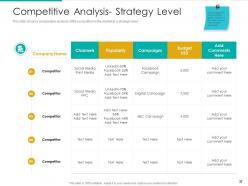
Slide 37: This slide shows a comparative analysis of the competition in the market at a strategic level
Slide 38: This slide presents Business Development Strategies
Slide 39: This slide shows the complete business development process of the organization starting from lead identification, contacting the lead, sales conversion, having an appointment and closing the deal
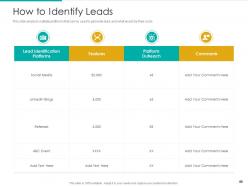
Slide 40: This slide analysis multiple platforms that can be used to generate lead, and what would be their costs
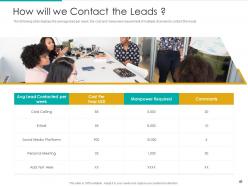
Slide 41: This slide displays the average lead per week, the cost and manpower requirement of multiple channels to contact the leads
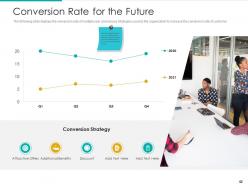
Slide 42: This slide displays the conversion rate of multiple year and various strategies used by the organization to increase the conversion rate of customer
Slide 43: This slide displays the maturity of the organization's engagement plan along with its strategic plan
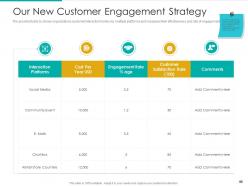
Slide 44: The provided table to shows organizations customer interaction history via multiple platforms and measures their effectiveness and rate of engagement
Slide 45: This slide show various types CRM strategies used by the organization and defines the features and expenditure incurred on them
Slide 46: This slide presents Training Required.
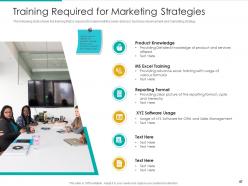
Slide 47: This slide shows the training that is required to implement the newly devised business development and marketing strategy
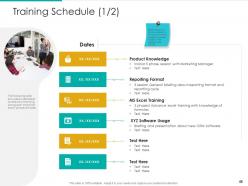
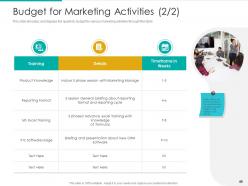
Slide 48: This slide provides a detailed schedule of training along with time that each phase will take
Slide 49: This slide allocates and displays the quarterly budget for various marketing activities through this table
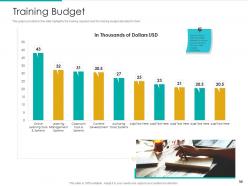
Slide 50: This slide shows the budget allocated to various training activities.
Slide 51: This slide presents Risk Analysis
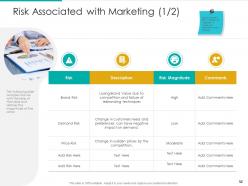
Slide 52: This slide slide analyzes the risk with the help of the table and defines the magnitude of the same
Slide 53: This slide presents Budget for Marketing Activities.
Slide 54: This slide allocates and displays the quarterly budget for various marketing activities through this table
Slide 55: This slide allocates and displays the quarterly budget for various marketing activities through this table
Slide 56: This slide presents Sales Forecasting
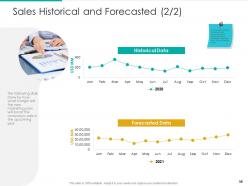
Slide 57: This slide show by how what margin will the new marketing plan will boost the company's sale in the upcoming year
Slide 58: This slide show by how what margin will the new marketing plan will boost the company's sale in the upcoming year
Slide 59: This slide presents Performance Metrics.
Slide 60: This slide presents Effective Tracking of Business Development
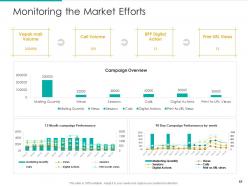
Slide 61: This slide presents Monitoring the Market Efforts
Slide 62: This is an Additional slide.
Slide 63: This is Icon Slide with various icons. Use as per need and requirement.
Slide 64: This is an Investment Support slide.
Slide 65: This is an Investment Support slide that can be used to describe the sources of investment in your business.
Slide 66: This slide presents Business and Operational Planning.
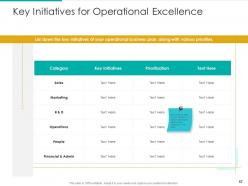
Slide 67: This slide presents Key Initiatives for Operational Excellence.
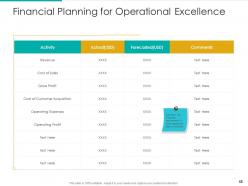
Slide 68: This slide presents Financial Planning for Operational Excellence.
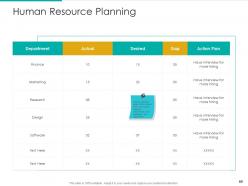
Slide 69: This slide presents Human Resource Planning
Slide 70: This slide presents Achieving Operational Excellence
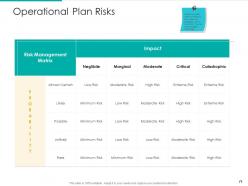
Slide 71: This slide presents Operational Plan Risks
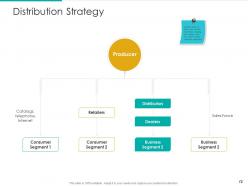
Slide 72: This slide shows your current distribution strategy and explain how you reach various customer segments .
Slide 73: This slide shows different types of distributing channels available in the market . You can make changes to this slide.
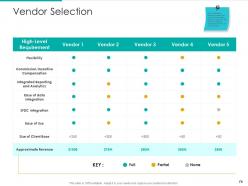
Slide 74: This slide shows different Vendors and various requirements that they meet, use this slide to select the appropriate vendor for your business .
Slide 75: This is Our Team slide with name and designation to fill.
Slide 76: This is an About Us slide. State company/team specifications etc. here.
Slide 77: This is a Roadmap slide that can be used to present chronological sequence of events.
Slide 78: This is a creative Puzzle image slide to state information, specifications etc.
Slide 79: This is a Post IT Notes slide that can be used to keep important information at one place.
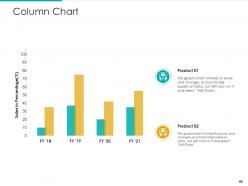
Slide 80: This is a Clustered Column chart slide that can be used to compare different products.
Slide 81: This is a Combo Chart slide that can be used to present a comparison between two products.
Slide 82: This is a Mind Map slide to show behavioural segmentation, information or anything relative.
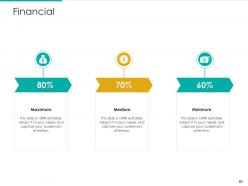
Slide 83: This is Financial scores slide. State your financial aspects etc. here.
Slide 84: This is a Dashboard slide that can be used to present company's KPIs.
Slide 85: This is a Thank You slide for acknowledgement. \
Strategic plan for marketing and business development powerpoint presentation slides with all 85 slides:
Use our Strategic Plan For Marketing And Business Development Powerpoint Presentation Slides to effectively help you save your valuable time. They are readymade to fit into any presentation structure.


































FAQs for Strategic plan for marketing and business development
So you'll need market analysis, target audience, competitive landscape, marketing objectives, and your tactical plan. Budget allocation and success metrics too obviously. Most people totally skip competitive analysis which is dumb - like, how do you plan without knowing what everyone else is doing? Also include positioning strategy, channel selection, and your timeline. Oh and don't make it super complicated. I see this all the time. Stick to maybe 3-4 main objectives and make sure every single tactic actually supports those goals, not just random stuff that sounds good.
Honestly, market research is what separates plans that actually work from ones that crash and burn. Without it, you're just guessing at what your audience wants. The data shows you real pain points, not what you think they are. Plus you get to see what competitors are doing wrong - which is gold. I learned this the hard way watching campaigns flop because they were built on assumptions. Research helps you pick the right channels and write messages people actually care about. Oh, and set goals that aren't completely unrealistic. Just figure out what you need to know first, then find the right method to get those answers.
So basically, good audience segmentation changes everything about your marketing. Instead of creating those boring generic campaigns that nobody cares about, you can actually speak to people in ways that hit different. Look at your current customers first - find the patterns in who they are and what they need. This helps you spend money smarter, pick better channels, and honestly just avoid wasting time on stuff that doesn't work. Without it you're pretty much guessing at everything. I learned this the hard way when I kept targeting "everyone aged 25-45" like that means anything lol.
Honestly, tracking the right stuff makes all the difference. Pick 3-5 metrics that actually connect to your business goals - conversion rates, customer acquisition cost, lifetime value. Skip the vanity metrics (I know follower counts are tempting though). Before launching anything, get your baseline numbers down. Then check monthly using Google Analytics, your CRM, maybe some customer surveys. Leading indicators show what's coming. Lagging ones tell you what happened. The consistency part is huge - random check-ins won't tell you much.
Honestly, the biggest mistake is setting goals that are way too ambitious right out the gate. Do your homework on the market first - I can't stress this enough. Also, don't fall into the "our target audience is everyone" trap because that's basically targeting nobody. Budget reality check is huge too. I've seen so many beautiful plans that completely ignore what people can actually afford to spend. Oh, and treat your plan like it's alive - review it monthly and tweak stuff. Otherwise you'll just write this perfect document that sits there gathering dust while your business goes sideways.
Honestly, don't scrap your whole marketing strategy just because everyone's talking digital. Your traditional plan is still solid - you're just adding more ways to reach people. Map out where your customers currently interact with you, then figure out which digital stuff (social, email, SEO) makes sense at each step. The goal isn't running totally separate campaigns that confuse everyone. Instead, make sure everything feels connected whether someone sees your billboard or your Instagram ad. I'd start small though - pick one or two digital channels that actually fit your brand instead of trying to be everywhere at once.
Track 5-7 metrics tops or you'll go crazy with data. Revenue growth and customer acquisition cost are obvious ones. Market share matters too. But honestly? The engagement stuff like website traffic and email opens can be way more predictive than people think. Customer lifetime value is massive, especially for subscription models. Brand awareness surveys are nice if you've got the budget - though we never did at my last company lol. Just review everything monthly so you spot trends before they bite you.
So basically you're scoping out what your competitors are doing right and where they're totally missing the mark. I probably spend way too much time scrolling through their Instagram stories tbh, but you find amazing stuff! Look at their pricing, messaging, what platforms they're pushing hardest. The real magic happens when you spot those gaps they're ignoring - that's your opening. Figure out what makes you different and lean into it hard. Use everything you learn to sharpen your pitch and go after the customers they're overlooking.
Okay so your unique value prop is literally what separates you from everyone else - it's why people should buy from YOU instead of your competitors. I learned this the hard way when my messaging was all over the place and nothing was working. It drives everything - which social platforms to focus on, what kind of content you make, how you price stuff. Without it, you're basically just guessing and hoping something lands. Write it in one sentence (seriously, just one) and then test it with actual customers to see if it makes sense. It's like your GPS for all marketing decisions.
Honestly, quarterly reviews are the bare minimum - but these days that feels like forever. I do quick monthly check-ins instead because things change so fast. Your annual review is where you really dig into the data and maybe pivot your whole strategy. But quarterly ones catch problems before they blow up. Monthly ones are just like... did anything major shift? New competitor? Algorithm change? That kind of stuff. Set those calendar reminders now or you'll be wondering later why nothing's working. Trust me on this one.
Ugh, getting everyone aligned is such a pain. Marketing wants to move fast but the business side takes forever to make decisions. You'll hit walls when your campaign deadlines don't match up with product timelines, or sales targets suddenly change but you've already locked in messaging. Different teams measure success totally differently too - what looks amazing to marketing might not move the revenue needle at all. I'd say build in wiggle room from day one and maybe do weekly check-ins with leadership? Saves you from last-minute scrambling later.
Honestly, stories just hit different than boring bullet points. People remember the narrative way more than your product specs. Think about it - you'll forget a company's features tomorrow, but that ad where the dad teaches his daughter to drive? That sticks. Your customers want to see themselves in your brand's story. Everyone else is still listing benefits like it's 2005, so you've got a real chance to stand out here. Find your main story first, then weave it through everything you do. Makes such a difference in how people actually connect with what you're selling.
Dude, start with Google Analytics and maybe SEMrush for digging into your competition - those are like your bread and butter. Asana's pretty solid for keeping track of everything, though I'm weirdly attached to just using Google Sheets sometimes because it's so simple. HubSpot's clutch once you actually know what you're doing strategy-wise. Oh, and Hootsuite if you're doing social stuff. My advice? Don't pay for anything yet. Most of these have decent free tiers, and you'll figure out what you actually need after messing around with them for a few weeks.
Don't treat social media like it's this separate thing from everything else you're doing. Figure out where your people actually hang out first - no point posting on TikTok if your audience is all on LinkedIn, right? Then make sure whatever you post actually connects to your bigger goals. I've seen so many brands just throw random content out there with zero strategy behind it. Pick what you want each platform to do - drive leads, build awareness, whatever. Track it properly so you know what's actually working. Oh and keep your voice consistent across everything or you'll just confuse people.
Budget stuff is honestly the biggest reality check for marketing plans. You'll have to cut things you really wanted to do and focus on what actually moves the needle. When I'm broke on campaigns, I usually ditch paid ads and double down on content that doesn't cost much. Better to nail 2-3 channels than half-ass everything, you know? The trick is being honest about your limits from day one. Oh, and build in some wiggle room timeline-wise - you might need to phase things out over time instead of launching everything at once.
-
Use of icon with content is very relateable, informative and appealing.
-
Wonderful templates design to use in business meetings.
-
Illustrative design with editable content. Exceptional value for money. Highly pleased with the product.
-
Great product with effective design. Helped a lot in our corporate presentations. Easy to edit and stunning visuals.
-
Perfect template with attractive color combination.
-
Very unique, user-friendly presentation interface.
-
Awesome use of colors and designs in product templates.
-
Innovative and Colorful designs.
-
Easily Editable.