


Real estate management and development powerpoint presentation slides




Try Before you Buy Download Free Sample Product
 Impress Your
 Audience
 100%
100% Editable
 Save Hours
 of Time


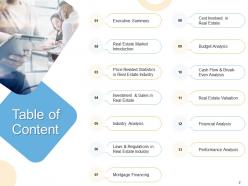
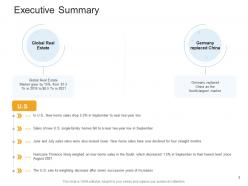
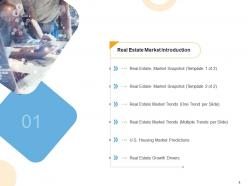
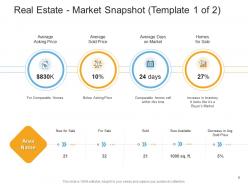
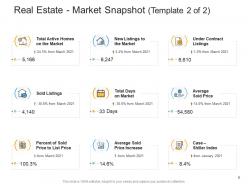
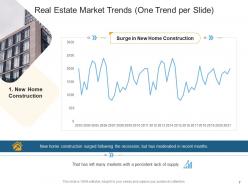
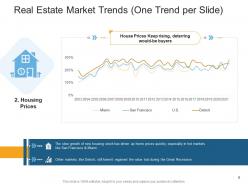
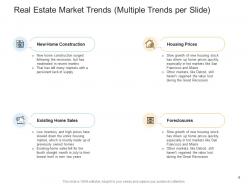
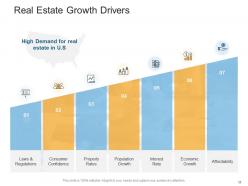
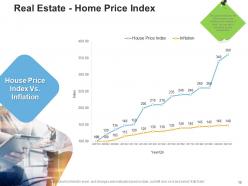
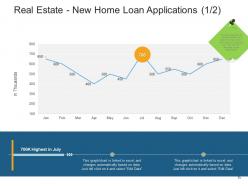
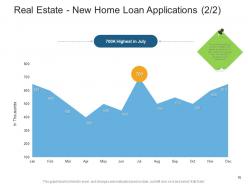
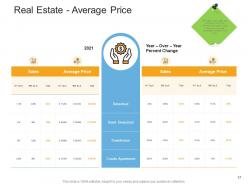
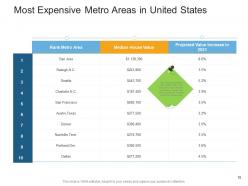
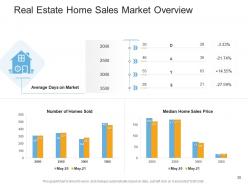
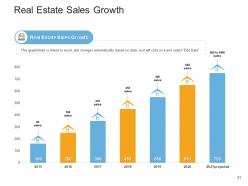
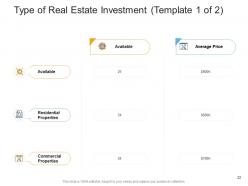
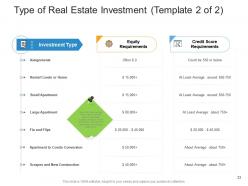
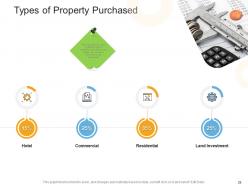
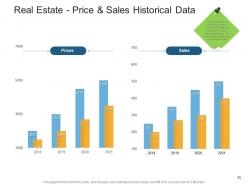
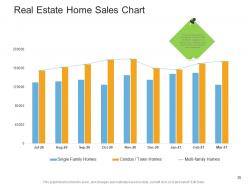
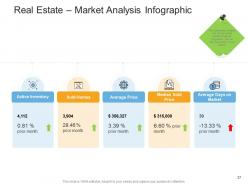
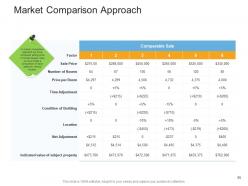
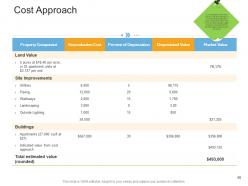
Introducing Real Estate Management And Development PowerPoint Presentation Slides. Present introduction of real estate market with trends and executive summary by using our stunning PPT visuals. Our ready-to-use property management PPT presentation aptly displays real estate growth drivers and the home price index. It is easy to depict the number of people who applied for a home loan each month with the help of a line graph. Take advantage of the enterprise asset management PowerPoint slide deck to represent a market overview of real estate home sales with its growth rate. Types of real estate investment with their prices can be easily mentioned by incorporating these PPT slides. Measure the sales and pricing of new and existing properties with these construction industry PowerPoint themes. Provide insights into real estate market analysis by downloading this attention-grabbing construction and real estate management PowerPoint slideshow.
People who downloaded this PowerPoint presentation also viewed the following :
Real estate management and development powerpoint presentation slides with all 77 slides:
Use our Real Estate Management And Development Powerpoint Presentation Slides to effectively help you save your valuable time. They are readymade to fit into any presentation structure.








FAQs for Real estate management and development
Honestly, you've got three big things to nail down: keeping tenants happy, staying on top of maintenance, and watching your money like a hawk. Quick responses to tenant issues are everything - trust me, you don't want angry calls about broken heat in January. Regular inspections will save your ass from major repairs later. Cash flow tracking is boring but crucial - rent coming in, expenses going out, all that fun stuff. Oh, and build good relationships with contractors because you'll need them. Maybe I'm overthinking it, but having solid systems from day one prevents so much headache down the road.
Honestly, communication is everything - like responding to maintenance stuff within 24-48 hours even if you're just saying "got it, will fix by Friday." Quick check-ins work wonders too. I send quarterly emails asking how things are going, sounds cheesy but tenants love it. Holiday cards are surprisingly huge for retention (learned that one the hard way). Oh and track your response times starting this month - you'll probably find spots where you can cut hours off. Being ahead of problems beats scrambling to catch up every single time.
Dude, property management software changed everything for me. Rent collection happens automatically now, plus tenants can submit maintenance stuff through apps instead of calling constantly. Smart home tech is pretty clutch too - I can check on properties without driving around all day. The analytics part might sound boring, but it actually helps with pricing decisions and figuring out which investments are worth it. Oh, and the reporting features save me like 5 hours a week compared to my old Excel nightmare. If you're still doing everything manually, definitely get a decent platform set up. Trust me on this one.
Honestly, I do quarterly checks for occupied units and monthly for empty ones. Give your tenants 24-48 hours notice - nobody likes surprises. Bring a checklist covering HVAC, plumbing, electrical, all that fun stuff. Photos are your best friend here, even for things that look totally fine. Your brain will forget details way faster than you think. Safety issues come first when prioritizing repairs. Oh, and don't forget smoke detectors and water pressure - tenants always complain about those later if you miss them. Follow up within a week on anything broken.
Honestly, market analysis is what separates successful property managers from the ones who just wing it and pray. You need it for pricing rentals correctly, timing your buys and sells, figuring out which upgrades actually matter. Those granite countertops you're eyeing? If tenants in your area don't care, save your cash. I learned this the hard way on my second property - spent way too much on fancy stuff nobody valued. Pull comps every month and watch vacancy rates like a hawk. The data shows you tenant patterns, what competitors are charging, neighborhood shifts. Without it you're basically gambling.
Fair housing laws are your biggest worry - mess those up and you're looking at serious lawsuits. Each state has different landlord-tenant rules too, covering security deposits, evictions, all that fun stuff. Oh, and check if your area has rent control because that's a whole other headache. Safety codes are massive - fire regulations, lead paint disclosures, making sure places are actually livable. Honestly the rules change constantly and I can barely keep up myself! You really should find a local real estate lawyer though. They'll know your area's specific weirdness and can keep you updated when things change.
Honestly, start by reading your local zoning codes - they update these things constantly. Always check with the planning department before doing anything to your property. I got burned on my first commercial deal because I skipped this step! Go to city planning meetings if you can, and try to get friendly with the zoning folks. Document everything - every permit, every approval. Oh, and if you're even slightly unsure about something? Call a zoning lawyer first. Trust me, it's way cheaper than dealing with violations after the fact.
So you need to watch both the money side and operations stuff. Occupancy rates, rent collection, and net operating income are your big three financially. Then track how fast you handle maintenance requests and tenant satisfaction - honestly, happy tenants save you so much headache on turnover. Lease renewal rates matter too, plus how long units sit empty. That last one really shows if your pricing's off. I'd compare these numbers to what's happening locally, then maybe set some goals every few months. Once you get the rhythm down it becomes pretty automatic.
Honestly, energy upgrades are a game changer for cutting costs. I've seen utility bills drop 20-30% with the right moves - LED lights, smart thermostats, that kind of stuff. The maintenance headaches basically disappear too since newer systems don't break as much. Yeah, you'll drop some cash upfront, but most people I know get their money back in like 2-3 years. Start small though - swap out thermostats when tenants move out, upgrade appliances gradually. Way less painful than doing everything at once.
Look, maintenance is way cheaper upfront but renovations actually pay off long-term. You're looking at maybe 1-2% of your property value yearly for maintenance - totally predictable but won't boost your asset value much. Renovations? Yeah, they'll hurt initially. We're talking 10-20% of property value, which honestly sucks. But they can seriously bump up your rental income and what the place is worth. My advice? Handle maintenance that prevents major disasters first, then renovate based on what tenants actually want in your area. Just run the rent increase numbers before you commit to anything big.
Okay so first things first - get decent photos and maybe a virtual tour. Those grainy phone pics everyone posts? They're not doing you any favors. Post everywhere: Zillow, LoopNet, MLS obviously, but Facebook Marketplace too since people browse there randomly. Your descriptions should actually mention stuff tenants want to know about - like is there good parking or whatever. Instagram works better than you'd think for catching people who aren't even looking yet. Oh, and set up auto-replies for messages because you'll miss leads otherwise. Move-in specials help during slow months too.
Honestly, just get them both on a call first - way better than letting it blow up later. Write everything down afterward though, trust me on this. People's memories get weird when they're pissed. If talking doesn't work, try mediation through your housing authority or whatever. Way cheaper than lawyers and nobody wants that headache. Focus on fixing the actual problem instead of proving who screwed up. Oh, and make your lease super clear from day one. Saves you from like 80% of this drama before it starts.
Good communication saves you from all that back-and-forth nonsense that eats up your day. Be upfront with tenants about rules and maintenance stuff - trust me, it prevents so many headaches later. Your maintenance crew needs clear priorities too, otherwise they're just guessing what's urgent. I swear half the delays happen because nobody's on the same page about timelines. When problems do pop up, they get solved way faster if everyone knows what's actually needed. Set up regular check-ins with your main contacts. Oh, and always send a quick follow-up email after important calls - people forget things.
Honestly, PropTech and ESG stuff are huge right now. Buildings are packed with IoT sensors and predictive maintenance systems - when they actually work lol. Your tenants are gonna expect sustainability reports and green certs, so brush up on those ESG metrics. Flexible leases are everywhere because of hybrid work. Mixed-use developments too. Data analytics is clutch for rent pricing and maintenance predictions. Oh, and get familiar with AI-powered property management software. It's not fancy anymore, just basic expectation. The whole industry's shifting pretty fast tbh.
Honestly, it comes down to what kind of headaches you want to deal with. Residential is pretty straightforward - collect rent, fix leaky faucets, deal with the occasional drama between neighbors. Commercial though? That's a whole different beast. You're negotiating complex leases, managing business relationships, handling specialized equipment breakdowns. The money's usually better in commercial, but you need to actually understand how businesses operate. With residential you just need patience and basic people skills. Oh, and commercial tenants will absolutely nickel and dime you on lease details - fair warning there.
-
Presentation Design is very nice, good work with the content as well.
-
Excellent products for quick understanding.
-
Designs have enough space to add content.
-
Awesome presentation, really professional and easy to edit.
-
Great product with effective design. Helped a lot in our corporate presentations. Easy to edit and stunning visuals.
-
Designs have enough space to add content.
-
Top Quality presentations that are easily editable.