


Real estate project management process development planning implementation approach




Try Before you Buy Download Free Sample Product
 Impress Your
 Audience
 100%
100% Editable
 Save Hours
 of Time


Our Real Estate Project Management Process Development Planning Implementation Approach are topically designed to provide an attractive backdrop to any subject. Use them to look like a presentation pro.
People who downloaded this PowerPoint presentation also viewed the following :
Real estate project management process development planning implementation approach with all 12 slides:
Use our Real Estate Project Management Process Development Planning Implementation Approach to effectively help you save your valuable time. They are readymade to fit into any presentation structure.

FAQs for Real estate project management process development
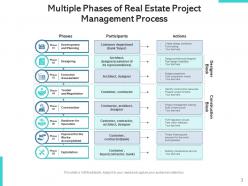
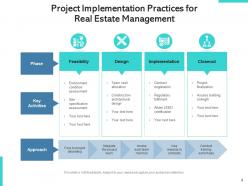
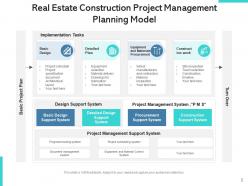
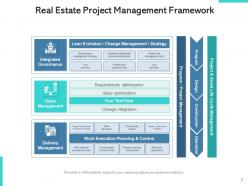
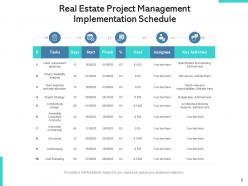
So there are five phases you'll go through: initiation, planning, execution, monitoring, and closing. First up is initiation - that's defining scope and getting everyone on board. Planning comes next and honestly, this is where you map out timelines, budgets, resources, all that stuff. Don't let anyone rush you through this part even though they'll want to break ground yesterday. Execution is the actual building phase. Monitoring keeps everything on track (budget, timeline, etc.). Closing wraps it all up with handovers and paperwork. Trust me, spend the time planning properly upfront.
Honestly, good communication is what saves projects from total disaster. You want everyone on the same page about deadlines and what's expected, right? I've watched so many things fall apart when people stop talking to each other - it's wild how fast it happens. Being upfront about problems actually builds trust, weird as that sounds. Set up regular check-ins from the start so nobody's wondering what the hell is going on. Document stuff too, but don't go overboard. The main thing is picking communication methods that actually work for your team and sticking with them.
Procore is huge in real estate - handles budgets, docs, everything. Buildertrend's great for residential stuff, way easier to figure out. Some teams still use Excel for smaller jobs (I know, I know). Monday.com and Asana work if you want something flexible but not industry-specific. Honestly? Try Procore's free trial first. The learning curve can be steep but it's worth it if your projects are big enough. Otherwise you might be overcomplicating things.
Dude, risk assessment will save your butt - trust me on this. You want to catch stuff like permit delays, contractor issues, or budget problems before they blow up your whole project. I've watched so many builds go completely off the rails because people thought they could wing it. Map out your biggest threats first - what could mess with your timeline or budget? Then figure out backup plans for each scenario. Oh, and definitely build buffer time into everything. Markets change, stuff happens, you know? Having contingency plans ready means you won't panic when something inevitably goes wrong.
Dude, budget constraints will make you ruthless about priorities. Every decision becomes a trade-off - cheaper finishes vs. nicer timeline, or maybe phasing construction weird to keep cash flowing. Honestly feels like financial Tetris sometimes. You'll need solid ROI numbers to justify basically everything, which actually makes you better at decisions. Oh and definitely build in buffer money from day one - I learned that the hard way. Track your spending obsessively so you can catch problems before they get expensive. Way easier to pivot early than dig yourself out later.
Dude, get your change control sorted from the start or you'll regret it. Every scope change needs documentation - costs, timeline hits, approvals, the whole thing. Trust me, I got burned bad on this condo job that went completely off the rails! Small changes seem harmless but they pile up crazy fast. Keep a change log and tell everyone immediately when stuff shifts. Oh, and be super clear upfront what's included versus extra work. Honestly, the "just this one tiny thing" requests are the worst - they'll destroy your budget if you don't track them properly.
Dude, first thing - check your local zoning rules before you do ANYTHING. Pull permits super early too. The planning department folks are actually pretty helpful if you stay in touch with them regularly. Document everything because inspectors are obsessed with having a paper trail. Honestly, I'd get friendly with the local officials since they'll sometimes tip you off about new regulations coming down the pipeline. My buddy learned that the hard way last year. Always budget extra time for permit stuff to drag on forever, and have your legal team do regular check-ins.
Start with soil testing and environmental surveys - seriously, contamination surprises will destroy your budget. Check zoning rules and utility access next. Flood zones matter too, especially with insurance getting crazy expensive lately. For existing buildings, bring a structural engineer and photograph everything from weird angles you think don't matter (they do). Demographics research helps but honestly depends on your project type. I always make a checklist because my brain turns to mush when I'm excited about a property. Document it all systematically - you'll thank yourself during planning when you're trying to remember that random detail about the storm drain.
Honestly, start by figuring out who all your stakeholders are - like right away. Each group wants different stuff. Investors? They're all about the money updates. Contractors need the technical nitty-gritty, and community folks just want to know how it affects them. I made the mistake once of sending everyone identical emails... yikes. Set up regular check-ins at major milestones, but don't wait for scheduled meetings if something goes sideways. People actually appreciate honesty, even with crappy news. Oh, and make yourself a simple tracker - who needs what info and when. You'll thank yourself later.
Honestly, you need to watch both the money stuff and the day-to-day operations. ROI, profit margins, budget variance - that's the obvious financial tracking. But operational metrics matter just as much: schedule performance, quality scores, safety incidents, how happy your stakeholders are. My first major project? We stayed on budget but finished three months late - total nightmare. Change orders are huge too since they usually mean scope creep is starting. Oh, and definitely start tracking this stuff from week one, not halfway through when problems pop up. Weekly reviews keep you sane.
Honestly, you can't avoid sustainability anymore - it's everywhere. LEED certs, energy systems, green materials... all that stuff starts in planning now. Construction phase means tracking waste and carbon footprints too. Look, clients demand it and most places legally require it anyway. Miss those benchmarks? You'll pay later with delays and budget overruns. Banks love green projects though, so financing gets way easier. My advice? Build sustainability metrics into your scorecards right from the start. Trust me on this one - dealing with it upfront beats scrambling later when you're halfway through and realize you're behind on requirements.
Honestly, the zoning stuff will make you want to pull your hair out - every stakeholder has different priorities and they rarely align. Financing becomes a nightmare since lenders don't know how to evaluate mixed-use like they do regular projects. You're juggling multiple construction timelines that supposedly sync up perfectly (spoiler: they won't). Traffic and parking always turn into major headaches too. Oh, and residents will complain about retail noise while retailers complain about residential restrictions. Get your city planning sorted early and add way more buffer time than you think you need. Trust me on that last part.
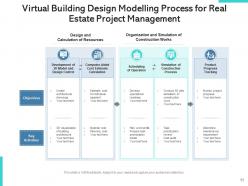
So BIM basically gives you this shared 3D model that catches all the clash issues before you're actually building - saves tons of money and stress later. Clients eat up those 3D walkthroughs too, makes you look like you know what you're doing. The biggest thing though? Everyone's finally working off the same info instead of playing telephone with outdated drawings. You can see the whole building lifecycle and coordinate way better between trades. Honestly, just try it on a smaller job first - don't go crazy with some massive project right out the gate.
Dude, timeline planning can make or break your deal. Real estate projects are like dominoes - one delay screws everything else up. Permits hold up contractors. Contractors delay inspections. Meanwhile you're bleeding money on carrying costs just sitting there waiting. I learned this the hard way on my second flip actually. Market windows close fast too, so you can't just wing it. Seasonal stuff throws wrenches in plans when you least expect it. Build in buffer time from the start and obsess over tracking progress. Trust me, buyers get weird when things drag on.
Honestly? Don't let disputes fester - they'll torpedo your whole timeline. I always set up regular stakeholder meetings so people can actually air their grievances instead of gossiping in the hallway (which never helps anyone). Document what gets decided and shoot follow-up emails afterward. When things blow up, keep it focused on project goals, not who said what. Sometimes you'll need to bring in someone neutral if it gets too personal. Your role is helping people find solutions, not taking sides - though that can be harder than it sounds.
-
Very well designed and informative templates.
-
Design layout is very impressive.
-
Understandable and informative presentation.