


Salary Review Powerpoint Ppt Template Bundles





Try Before you Buy Download Free Sample Product
 Impress Your
 Audience
 100%
100% Editable
 Save Hours
 of Time


Our Salary Review Powerpoint Ppt Template Bundles are topically designed to provide an attractive backdrop to any subject. Use them to look like a presentation pro.
People who downloaded this PowerPoint presentation also viewed the following :
Salary Review Powerpoint Ppt Template Bundles with all 17 slides:
Use our Salary Review Powerpoint Ppt Template Bundles to effectively help you save your valuable time. They are readymade to fit into any presentation structure.







FAQs for Salary Review Powerpoint
So for your salary review template, definitely include performance metrics and market data for comparison. Budget constraints too - gotta be realistic. I'd add a self-assessment section because employees actually appreciate weighing in on their own stuff. Career goals are clutch for the bigger picture. Oh, and document your reasoning behind every decision! Saves you headaches later if someone questions why they didn't get that raise. Timeline's important so people aren't left hanging. Honestly, just start with a basic spreadsheet and tweak it as you figure out what actually works for your team.
You definitely need a template - otherwise reviews turn into a total mess. Everyone gets judged differently and bias sneaks in everywhere. With a template, you're hitting the same points for everyone: performance, experience, what they'd make elsewhere. Makes it way easier to spot weird patterns too, like when certain people always get dinged for "soft skills" or whatever. Honestly, I've seen companies get burned for not having proper documentation. Oh and start with maybe 4-5 factors that actually matter for pay at your place - don't overthink it.
So each role needs different criteria, right? Sales people should get judged mostly on revenue numbers and how their commission structure works. Engineering teams are totally different - focus on technical skills, whether they actually ship projects, and if they're bringing new ideas. Your HR team probably has those competency frameworks they're obsessed with, so definitely use those. Get department managers to pick the 3-4 things that actually matter for their specific teams. Keep the same template format but just swap out what you're measuring and how much each thing counts. Just make sure you're being fair when comparing people in the same role.
Oh, salary review templates are literally lifesavers for keeping things fair. They give you this structured way to document why someone deserves a raise - like performance stuff, market rates, all that. No more awkward situations where people wonder why coworkers got different amounts. Managers can follow the same process but still account for individual situations. Honestly, I'd start with something simple covering role expectations and performance ratings. The tricky part is actually getting managers to use it consistently - but once they do, it's so much smoother than winging those conversations.
Mix quantitative stuff with the softer skills - goal percentages, revenue numbers, project completion rates, whatever KPIs matter for their role. But honestly the collaboration and problem-solving abilities matter just as much, maybe more? I'd throw in peer feedback too if you can swing it. Client satisfaction scores are gold when they're relevant. Hard data's great but someone who's terrible to work with isn't worth keeping around regardless of their numbers. Start with 3-4 main metrics so you don't overwhelm yourself, then add more later.
Honestly, the whole "annual review" thing is kinda outdated at this point. I'd go with every 6 months instead - you'll see way better results, especially with your top performers or anyone in roles that change fast. Quarterly might even make sense for newer people. The main thing is just being consistent about it so nobody's caught off guard. Oh, and timing it with your budget cycles makes life easier when people actually want raises. Start with twice a year and see how it goes.
Honestly, digital templates are such a lifesaver compared to paper ones. You can actually read people's feedback instead of squinting at handwriting (seriously, some people write like doctors). The calculations happen automatically, which saves tons of time, and you can share everything instantly without hunting down a scanner. Plus all your old reviews stay in one spot - super helpful when you're trying to remember what someone struggled with last year. Oh, and the error checking catches stuff before you submit. If your company doesn't have a system yet, just grab a Google Sheets template to start.
Honestly, using a salary review template is mostly about covering your ass legally. You're documenting everything the same way for everyone, which shows you're not playing favorites or discriminating. It helps track that you're hitting minimum wage, calculating overtime right, stuff like that. If someone ever files a complaint later, boom - you've got records proving your decisions were based on actual performance and market data, not weird personal bias. The trick though? You gotta use it every single time, not just when you think someone might cause trouble. Otherwise it's pretty useless.
Honestly, you gotta cast a wide net here. Check Glassdoor and PayScale first – industry association surveys too if your field has them. Your network's probably your best bet though. Other managers are usually cool about sharing salary ranges if you just ask. Also dig into your own company's data – what are similar roles making in other departments? Recent hires are especially telling. Oh and browse job postings for comparable positions, though they tend to lowball the ranges sometimes. Once you've got all that intel, then you can actually start working on the template.
Honestly, just bake the feedback right into your salary review template. Add sections where employees can do self-assessments before you even start - way better than guessing what they're thinking. Ask about career goals, what they think they're good at, stuff like that. 360-degree feedback works too if you want colleagues rating each other on key skills. Keep it structured enough to compare people fairly but don't make it so rigid that you miss the good stuff. Oh, and start with maybe 3-4 questions - you can always add more later once you see what actually works.
Honestly, you can't build a decent salary review template without benchmarking first. Pull data from Glassdoor or PayScale before you do anything else - otherwise you're just making up what "competitive" sounds like. Your employees will Google their worth anyway, so don't get caught paying way below market. The external data gives you real salary ranges to work with and backs you up when someone asks why they're getting X instead of Y. Plus it's your sanity check that you're not completely out of touch. I learned this the hard way at my last job.
Honestly, salary review templates are a game changer for keeping things fair and transparent. Your employees will actually trust the process more when they see there's structure behind it, not just random decisions. I love how they force you to write down specific achievements and do market research beforehand - saves you from scrambling during the actual meeting. They're also great for spotting pay gaps early before people start looking elsewhere. Oh, and use the template to prep talking points that actually show you've thought about their growth potential. Makes the whole conversation feel way more genuine.
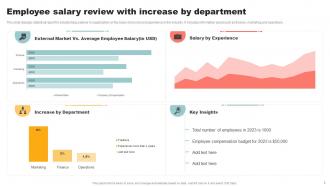
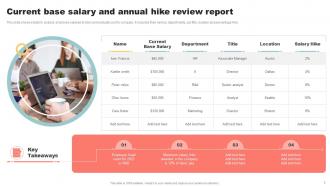
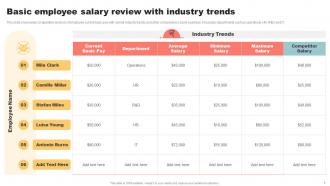
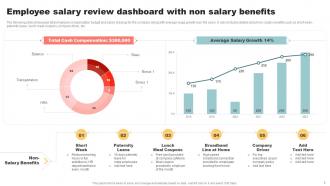
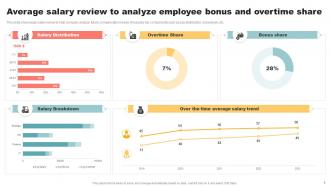
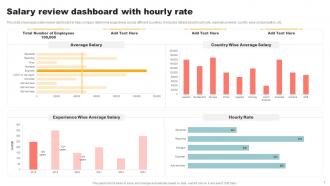
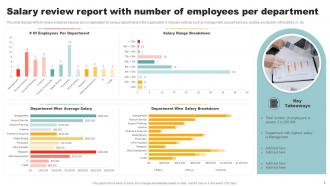
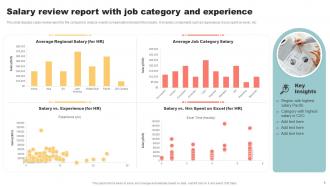
Bar charts are perfect for showing current vs proposed salary side-by-side. Line graphs work well if you want to show progression over time. Tables are honestly my go-to for breaking down base pay, bonuses, and benefits - keeps everything clean. Color coding helps way more than you'd think. Don't sleep on infographic elements either; they're great for highlighting percentage increases. The whole point is making compensation data easy to scan quickly. I'd start with whatever format feels right for your data, then have someone else look it over. They'll spot confusing parts immediately.
Honestly, the biggest mistake I see is not separating guaranteed pay from the variable stuff right upfront. Your employees need to know what's locked in versus what depends on hitting targets or company performance. Define your eligibility criteria and metrics super clearly - I've watched this turn into a total mess when it's vague. Budget constraints matter too, obviously. Are you doing individual bonuses, team-based, or company-wide? Each works differently. Document everything so you're not scrambling to explain during the actual review meetings. Being transparent about how bonuses work with base salary changes will save you so many headaches later.
Honestly, salary review templates are game-changers for figuring out where your people actually stand. You can rate their skills, spot weak areas, and see how they stack up against what the role needs. Way better than those vague "everything good?" conversations we've all suffered through. Once you start seeing patterns in the reviews, boom - you know exactly what training to prioritize. Plus it gives you real data when you're trying to get budget approved for development stuff. The template basically turns into your whole development roadmap, which is pretty neat when you think about it.
-
Unique research projects to present in meeting.
-
Illustrative design with editable content. Exceptional value for money. Highly pleased with the product.