Six phases for npd process

Rating:
95%
Six phases for npd process
Slide 1 of 2
Favourites Favourites

Try Before you Buy Download Free Sample Product

Audience Impress Your
Audience
Editable 100%
Editable
Time Save Hours
of Time
The Biggest Sale is ending soon in
0
0
:
0
0
:
0
0
Rating:
95%
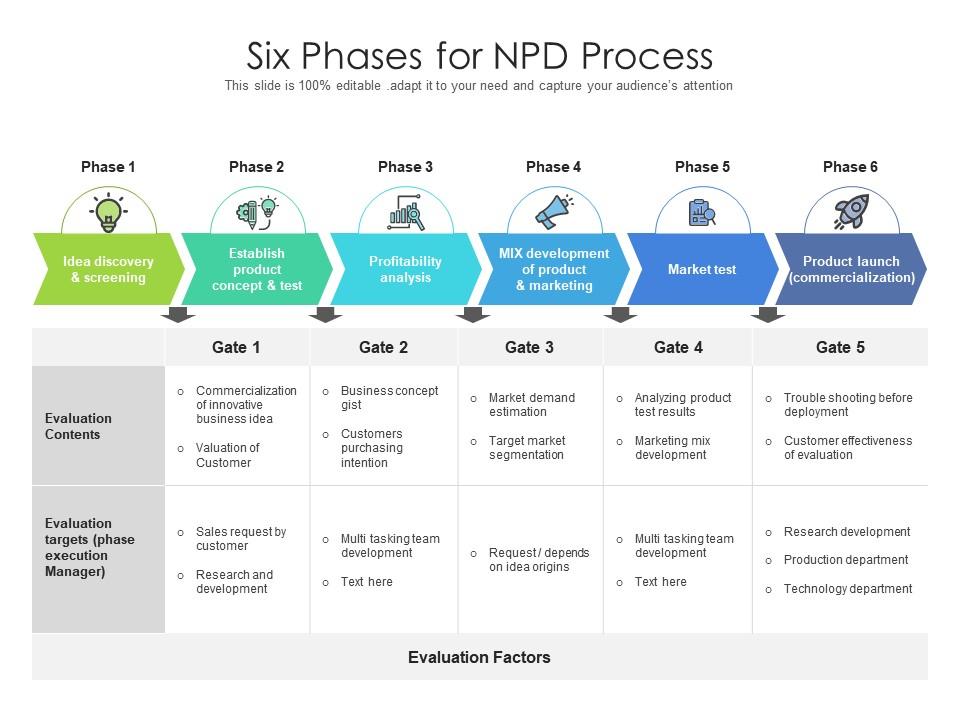
Introducing our premium set of slides with Six Phases For NPD Process. Elucidate the six stages and present information using this PPT slide. This is a completely adaptable PowerPoint template design that can be used to interpret topics like Profitability Analysis, Product Launch, Product And Marketing. So download instantly and tailor it with your information.

FAQs for Six phases

So you've got idea generation first, then concept development and market research. Prototype creation comes next, followed by testing and launch. Start with brainstorming customer problems - that's the fun part honestly. Then narrow it down to what's actually doable. Research helps you figure out if people will buy it (saves you from that awkward "nobody wants this" moment). Build prototypes to test everything out and get feedback. Testing catches the weird stuff before you go big. Then launch it! Oh, and don't skip the research phase - I've seen too many people rush that and regret it later.

Honestly, you can't skip market research if you want your product to actually succeed. It shows you what features people really want instead of what you're guessing they need. Plus it helps validate there's actual demand before you blow your budget. I've watched so many teams (including mine once, ugh) build cool stuff that literally nobody wanted. Research also clears up who your audience is and what they'll pay. My take? Do quick, focused research from day one. Keep asking for feedback as you build. Way cheaper than having to completely pivot later because you missed the mark.

Dude, get user feedback constantly - it's your sanity check. I learned this the hard way watching teams (including mine once, ugh) build features nobody asked for. Start gathering it super early through beta testing, quick surveys, whatever works. Short bursts work better than long formal sessions, honestly. The whole point is catching usability problems before they become expensive fixes. Plus it helps you figure out which features actually matter vs the ones you just think are cool. Your users will literally tell you what to prioritize if you just ask them regularly.

Start with customer impact and business value - what actually moves the needle for users and revenue. RICE scoring works well (Reach, Impact, Confidence, Effort), or just do a simple high/medium/low matrix. Don't overthink the framework though, you'll waste time arguing about methodology instead of making decisions. Get your whole team involved so everyone gets the "why" behind choices. Technical dependencies matter too - some features just can't happen without others. Write down your reasoning because stakeholders will definitely question you later. Oh, and factor in what resources you actually have, not what you wish you had.

Dude, start with customer interviews - like 10-15 people max. Just ask about their problems and see if they care about what you're building. Landing pages work great too for testing interest (plus they're cheap to set up). Surveys are solid, or throw together a quick mockup if you're more visual. Honestly? I'd pick maybe 2 methods tops. Don't overthink it. My buddy spent months "validating" when he could've just... talked to people first. Go with whatever's fastest and cheapest, then level up from there if needed.

Okay so cross-functional teams are a game changer because they break down those annoying departmental walls that usually mess everything up. You get marketing, engineering, design, and ops all talking from the start. Problems get spotted way earlier instead of that last-minute panic we've all been through. Everyone brings their expertise to decisions, so you don't end up with products that look great but can't actually be built - or worse, can be built but nobody wants them. The trick is making sure no one department dominates. I've seen too many projects where engineering calls all the shots or marketing overpromises.

Honestly, it's mostly about money, timing, and getting people to actually care about what you're building. Tight budgets are brutal when you're trying to nail the product. Timing feels impossible - launch too early and it's half-baked, too late and someone beats you to it. Getting customers to "get it" is harder than you'd think, especially if your thing is actually new. Oh, and competitors come out of nowhere sometimes. Depending on your space, regulations can mess with you too. My biggest tip? Talk to potential customers way sooner than feels comfortable. Trust me on that one.

Honestly, you've gotta start prototyping ASAP - even if it's just cardboard and tape at first. Testing ideas early saves you from expensive disasters down the road. Design flaws and usability problems are way cheaper to fix now than later. Here's the thing though - people actually understand what you're building when they can touch it. Way better than PowerPoints, trust me. Real user feedback beats guessing every time. I learned this the hard way on a project where we skipped early prototypes and... yeah, don't do that. Get something in users' hands as soon as possible and you'll end up with a much better final product.

Honestly, going digital is a game changer for product dev. Project management tools like Asana keep everyone on the same page without constant back-and-forth emails (which is honestly my least favorite part of any project). CAD software lets you iterate designs super fast - no waiting around for physical prototypes. Your team can collaborate way better too, especially if people are working remotely. The simulation stuff is clutch because you'll catch problems before they cost you serious money. My advice? Pick whatever's slowing you down most right now and start there.

Look, you'll want to mix both leading and lagging indicators - don't just focus on one type. Start with 3-5 core metrics that actually match your goals instead of drowning in data. User adoption rates and customer acquisition cost are obvious ones. Monthly recurring revenue too if that applies to you. But here's the thing - engagement metrics like daily active users and feature usage rates matter way more than people realize. They show if your product's actually valuable or just a one-time purchase. Oh, and retention rate? That's probably your best indicator honestly. Customer satisfaction scores help too, though I sometimes wonder how accurate those survey responses really are. Time to break-even rounds out the essentials.

Honestly, start with psychological safety - nobody's gonna pitch crazy ideas if they think they'll get roasted. Celebrate the smart failures, not just wins. Cross-functional brainstorming works wonders since accountants might spark ideas your designers never would've thought of. Google's 20% time sounds amazing in theory, but let's be real, most places can't pull that off. Leadership has to visibly participate too, not just send emails about "innovation." Oh, and actually ask your team what's blocking their creativity - you'll probably be surprised by their answers.

Look, an MVP is just your sanity check before you go all-in. Test your core idea with actual users first - don't worry about making it perfect, just functional enough to see if people give a damn. Honestly, I've watched so many teams skip this and kick themselves later. The goal? Learn fast, fail cheap if you're gonna fail. You get real feedback, tweak things quickly, and don't waste three months building features nobody wants. Seriously though, just pick your 2-3 must-have features and get something out there. You'll thank yourself later.

Honestly, you've gotta get in front of your customers constantly - surveys, focus groups, that whole deal. Social listening helps too. I know this sounds random, but TikTok trends are weirdly good at predicting what's coming next. Mix your hard data with the softer stuff from conversations. Here's the thing though - don't just ask what people want. Watch what they actually do because there's always a disconnect there. Test small first with prototypes before you commit to anything big. And set up regular check-ins during development so you can pivot if something's not working.

Okay so timing and knowing your audience inside out - that's where you start. Build buzz early with teasers and get beta users hyping you up. Word of mouth still beats everything else, trust me. Don't waste time on channels you think are cool - go where your customers actually are. Your launch content needs to scream value, not just list features. Find influencers who actually get your product (fake partnerships are so obvious). Oh and this is crucial - have your support team ready because something will definitely break. I learned that one the hard way! Start planning like 2-3 months ahead.

Honestly, IP stuff controls way more of your product decisions than you'd think. Research existing patents first - saves you from nightmare lawsuits down the road. Figure out what parts of your product you can actually patent to stay competitive. Trademarks for your branding too, obviously. Timing's huge here since patents need to be novel, so don't go public first then try to file later. I learned this the hard way on my last project actually. Set up IP checkpoints throughout development, not just at the end when it's too late.

Ratings and Reviews

95% of 100
Review Form
Write a review
Most Relevant Reviews
  1. 80%

    by Clint Perry

    Informative presentations that are easily editable.
  2. 100%

    by Thomas Hill

    Awesome presentation, really professional and easy to edit.

  3. 100%

    by Byrne Cruz

    Awesome use of colors and designs in product templates.
  4. 100%

    by Jake Smith

    Awesome presentation, really professional and easy to edit.

4 Item(s)

per page: