


Start Up Business Process And Strategy Powerpoint Presentation Slides





Try Before you Buy Download Free Sample Product
 Impress Your
 Audience
 100%
100% Editable
 Save Hours
 of Time


For start-ups, business planning is of the utmost importance. Our content-ready start up business process and strategy PowerPoint presentation slides will provide you all the information for a winning startup plan. Creating a business plan takes a lot of time, thought and effort, thus we have come up with our readymade corporate development PPT templates for you. These include market insights, key financials, startup expenses, management team, assets and liabilities statement, products and services, market analysis, pricing strategy, competitor analysis, organizational structure, and much more. There are tons of strategies out there but in our designs, we have compiled only the most popular ones for you. Few more topics for which you can utilize these visuals are corporate planning, growth, and pitch. Although researching and drafting your business plan may seem to be a gigantic task, download start up business process and strategy PowerPoint presentation to make it a piece of cake. With a library or thousands of choices we offer Start Up Business Process And Strategy Powerpoint Presentation Slides for every presentation. Browse until you find what you need to make your presentation perfect.
People who downloaded this PowerPoint presentation also viewed the following :
Content of this Powerpoint Presentation
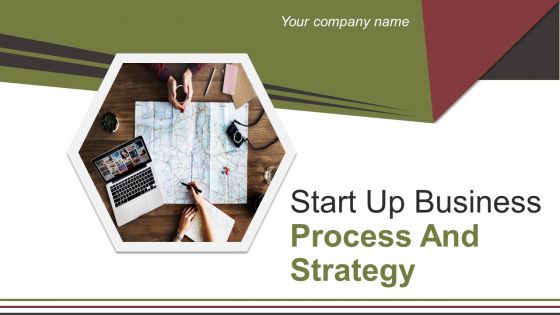
Slide 1: This slide introduces Start Up Business Process And Strategy. Add your company name here.
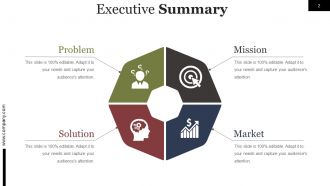
Slide 2: This is an Executive Summary slide with icon imagery stating- Solution, Market, Problem, Mission.
Slide 3: This slide shows Market Insights. State your market insights here in a bar graph/ chart form.
Slide 4: This is also Market Insights slide showing- Total available market (TAM), Serviceable available market (SAM), Your Market Share, Your Target Market.
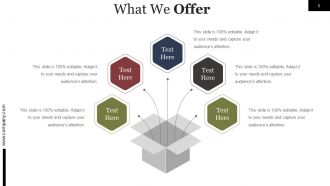
Slide 5: This slide states What We Offer with text boxes to fill.
Slide 6: This slide also shows What We Offer with icons and imagery.
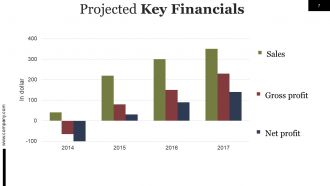
Slide 7: This is Projected Key Financials slide in a bar graph/ chart form. State your key financials here as per your need.
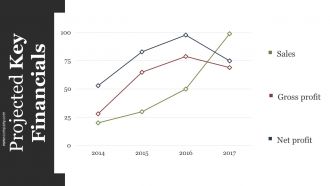
Slide 8: This is also Projected Key Financials slide in a line chart/ graph form. Use it to present your Sales, Gross Profit, Net Profit etc.
Slide 9: This slide states Our Keys To Success with icon imagery.
Slide 10: This slide also states Our Keys To Success with key and icon imagery. Use it as per your business need.
Slide 11: This is Our Objectives slide. State them here with their respective icons.
Slide 12: This slide states Our Strategic Positioning with image and text boxes.
Slide 13: This is another slide stating Our Strategic Positioning. Use it as per your need.
Slide 14: This slide states Our Mission along with vision, goals etc.
Slide 15: This is About The Company slide. State company information, specifications etc. here.
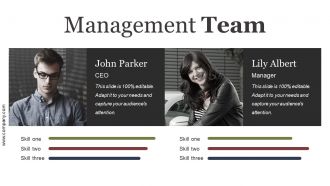
Slide 16: This slide showcases company Management Team with name and designation. State them here.
Slide 17: This slide also shows company Management Team.
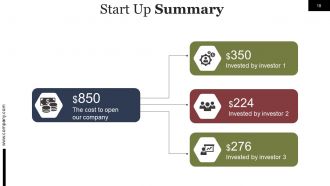
Slide 18: This slide showcases Start Up Summary in a flow chart form.
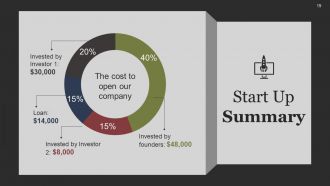
Slide 19: This slide also states Start Up Summary in a pie chart/ graph form.
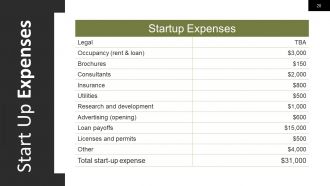
Slide 20: This slide states Start Up Expenses in a tabular form. Present relevant data here in tabular form.
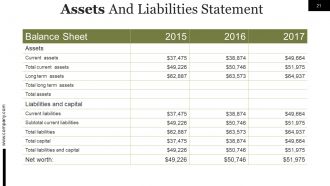
Slide 21: This slide shows Assets And Liabilities Statement with Balance Sheet. Use it to present your assets and liabilities.
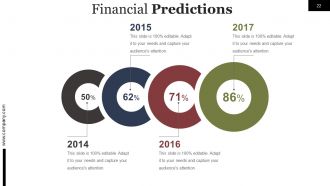
Slide 22: This is Financial Predictions slide in a pie chart/ graph form. Present them here.
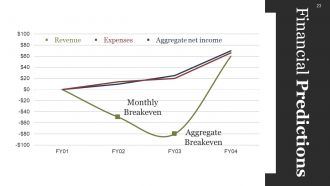
Slide 23: This slide also states Financial Predictions in a graph form.
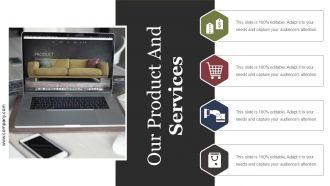
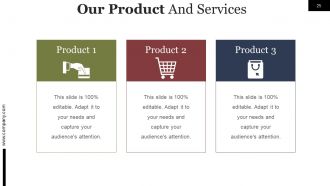
Slide 24: This is Our Product And Services slide. Use it to showcase your products, services etc. as per your need.
Slide 25: This slide also shows Our Product And Services to state.
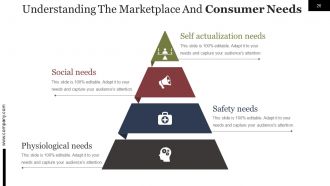
Slide 26: This is Understanding The Marketplace And Consumer Needs slide in a pyramid form. Use it to show the hierarchy of needs such as- Physiological needs, Safety needs, Social needs, Self actualization needs.
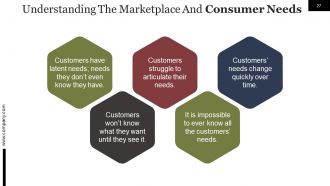
Slide 27: This slide also states Understanding The Marketplace And Consumer Needs. Use it as per your need.
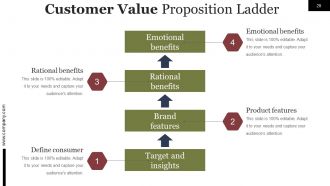
Slide 28: This slide displays Customer Value Proposition Ladder with the following levels- Emotional benefits, Rational benefits, Target and insights, Brand features.
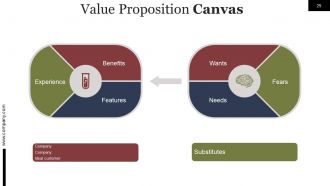
Slide 29: This slide displays Value Proposition Canvas. Use it as per your requirement.
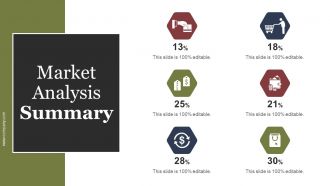
Slide 30: This slide showcases Market Analysis Summary in percentages etc.
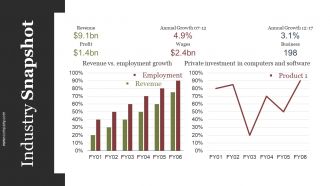
Slide 31: This slide showcases Industry Snapshot in charts and graphs.
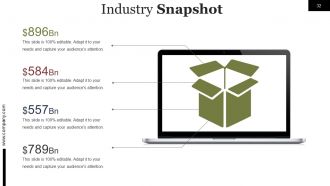
Slide 32: This slide also showcases Industry Snapshot with imagery.
Slide 33: This is Our Target Market slide to state.
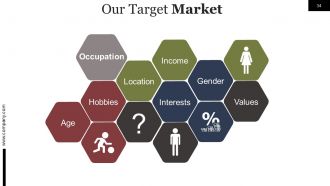
Slide 34: This slide also shows Our Target Market with- Values, Hobbies, Age, Interests, Gender, Occupation, Location, Income.
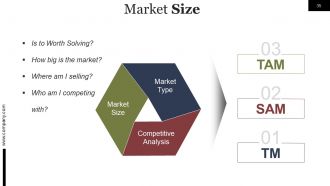
Slide 35: This slide showcases Market Size with the following questions- Is to Worth Solving? How big is the market? Where am I selling? Who am I competing with? You can alter it on the basis of your requirement.
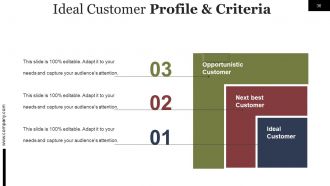
Slide 36: This slide showcases Ideal Customer Profile & Criteria. It also states 3 types of customers which are- Ideal Customer, Next best Customer, Opportunistic Customer.
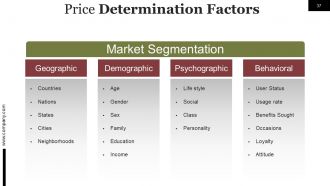
Slide 37: This slide states Price Determination Factors with Market Segmentation as its primary sub heading. Market Segmentation is further divided into 4 types which are- Geographic, Demographic, Psychographic, Behavioral.
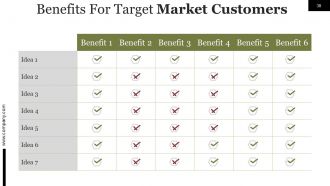
Slide 38: This slide states Benefits For Target Market Customers. Present these benefits here in a tabular form.
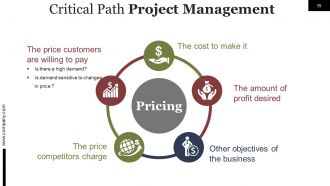
Slide 39: This slide shows Critical Path Project Management in a circular form with Pricing at its centre.
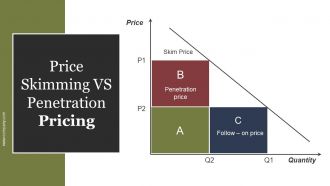
Slide 40: This is Price Skimming VS Penetration Pricing slide. Use it to showcase comparion between the two.
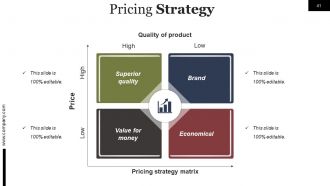
Slide 41: This slide states Pricing Strategy in a matrix form. Put relevant comparing data here.
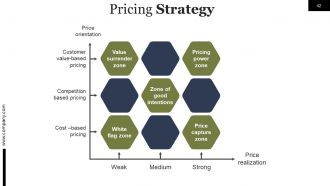
Slide 42: This is another slide showing Pricing Strategy in a matrix form.
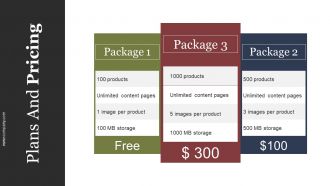
Slide 43: This is Plans And Pricing slide with packages to state. Choose the best package on the basis of your requirement.
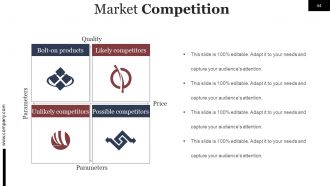
Slide 44: This slide shows a quadrant of Market Competition with Quality and Price as its parameters.
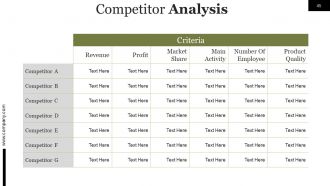
Slide 45: This slide states Competitor Analysis in a tabular form. State your several Competitors here in a tabular form.
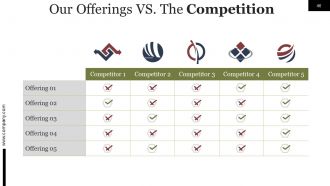
Slide 46: This is Our Offerings VS. The Competition slide. Present comparing aspects here in a tabular form.
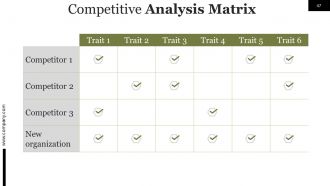
Slide 47: This slide showcases Competitive Analysis Matrix. Use it to present your Competitors and their traits here.
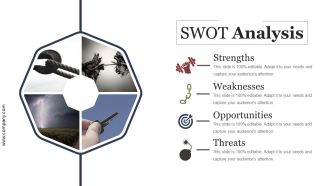
Slide 48: This slide displays SWOT Analysis. Use it as per your requirement.
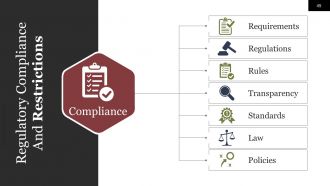
Slide 49: This is Regulatory Compliance And Restrictions slide. Use it to show- Transparency, Requirements, Regulations, Rules, Standards, Law, Policies.
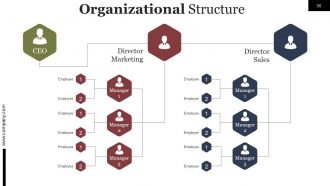
Slide 50: This slide shows Organizational Structure in a flow chart form. Use it to show the hierarchy of your organization.
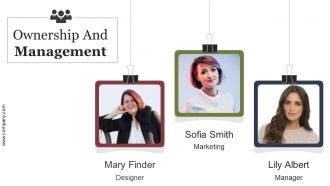
Slide 51: This slide showcases Ownership And Management with name and designation to fill.
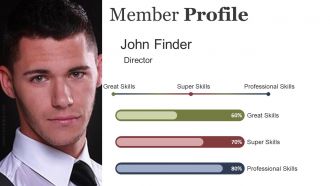
Slide 52: This is Member Profile slide. Use it to state various skills of your members such as- Great Skills, Super Skills, Professional Skills.
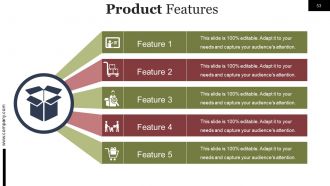
Slide 53: This slide states Product Features. Use it as per your requirement.
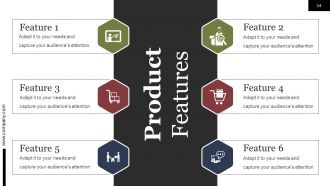
Slide 54: This slide also states Product Features. Use it as per your requirement.
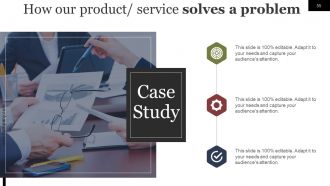
Slide 55: This is a Case Study slide showing How our product/ service solves a problem. List these reasons here.
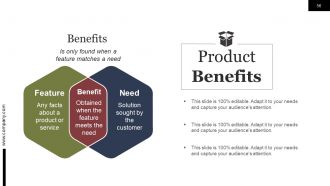
Slide 56: This is Product Benefits slide showing the following aspects- Benefits, Features and Needs. State these aspects here.
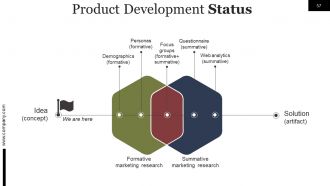
Slide 57: This slide showcases Product Development Status.
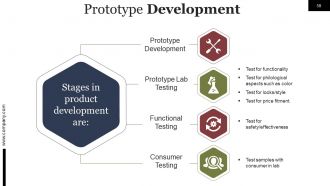
Slide 58: This is Prototype Development slide showing Stages of product development. These are- Prototype Development, Prototype Lab Testing, Functional Testing, Consumer Testing.
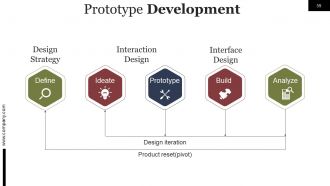
Slide 59: This slide also shows Prototype Development with icon imagery.
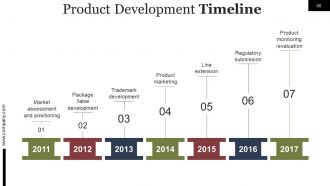
Slide 60: This is a Product Development Timeline slide. Use it to present product milestones, growth etc.
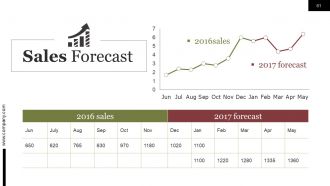
Slide 61: This slide showcases Sales Forecast in a line graph/ chart form. Use it to display your own sales.
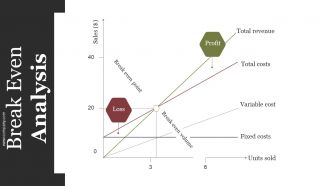
Slide 62: This slide showcases Break Even Analysis.
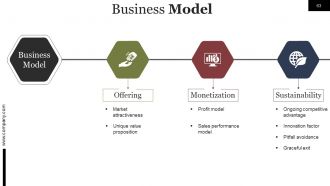
Slide 63: This is a Business Model slide with 3 major components. These are- Monetization, Sustainability, Offering.
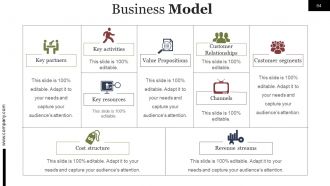
Slide 64: This slide also shows the Business Model with the following sub headings- Key partners, Value Propositions, Customer segments, Key activities, Key resources, Customer Relationships, Channels, Cost structure, Revenue streams.
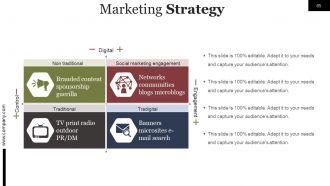
Slide 65: This is a Marketing Strategy martrix slide. Put relevant comparing data here.
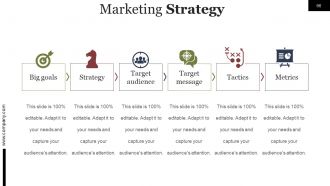
Slide 66: This is also a Marketing Strategy slide showing- Target audience, Strategy, Target message, Tactics, Metrics, Big goals.
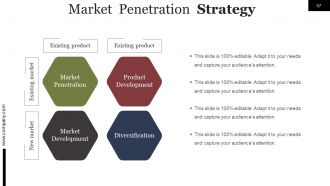
Slide 67: This slide showcases Market Penetration Strategy and its Diversification.
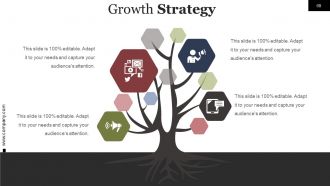
Slide 68: This slide showcases Growth Strategy with creative imagery.
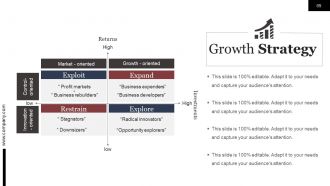
Slide 69: This slide also showcases Growth Strategy in a matrix form.
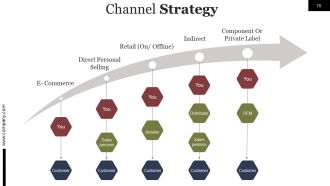
Slide 70: This slide also states Channel Strategy with arrow imagery.
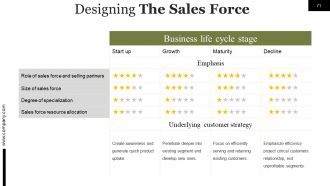
Slide 71: This is Designing The Sales Force slide showing Business Life Cycle Stage in a tabular form.
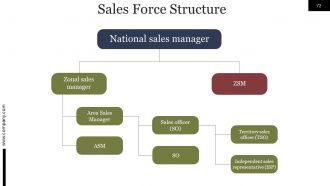
Slide 72: This slide showcases Sales Force Structure in a flow chart form.
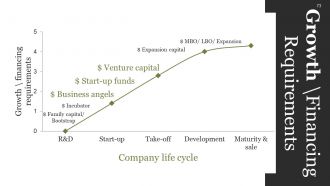
Slide 73: This slide showcases Growth \Financing Requirements in a graph form. Use it to show Company Life Cycle with a graph/ chart.
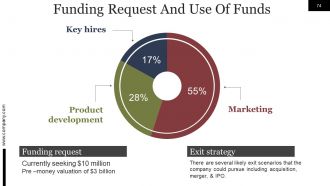
Slide 74: This slide showcases Funding Request And Use Of Funds in a pie chart/ graph form. State them here.
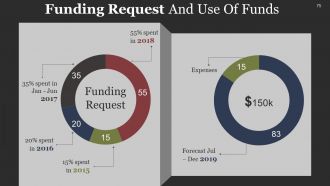
Slide 75: This slide shows another variation of Funding Request And Use Of Funds in a pie chart/ graph form.
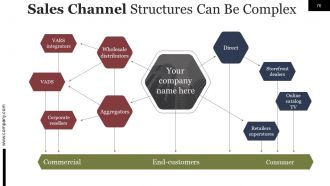
Slide 76: This slide showcases Sales Channel Structures which Can Be Complex. State your company name here.
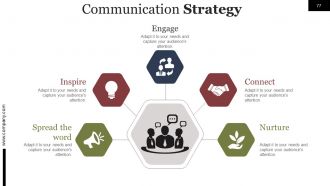
Slide 77: This slide showcases Communication Strategy with- Engage, Inspire, Connect, Spread the word, Nurture.
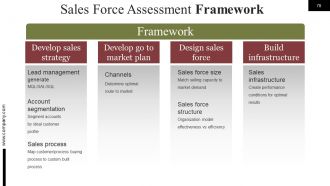
Slide 78: This slide showcases Sales Force Assessment Framework with the following sub headings- Develop sales strategy, Develop go to market plan, Design sales force, Build infrastructure.
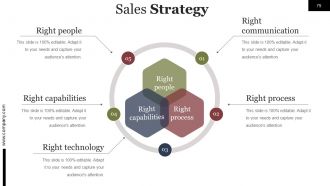
Slide 79: This is another slide showing Sales Strategy with these three components- Right people, Right capabilities, Right process.
Slide 80: This is a THANK YOU slide with Address# street number, city, state, Contact Numbers and Email address.
Start Up Business Process And Strategy Powerpoint Presentation Slides with all 80 slides:
Feel entitled with our Start Up Business Process And Strategy Powerpoint Presentation Slides. You will believe that you deserve it.







FAQs for Start Up Business Process And Strategy
Honestly, it all comes down to knowing your market and having something people actually want to pay for. Figure out who your customer is first - like, really specifically. Then make sure you're solving a problem they care about. Your business model needs to work on paper AND in reality. Also get the right people on your team early, that's probably more important than most founders think. Oh and have enough cash to survive longer than you expect. Things always take more time than planned, trust me on that one. The biggest thing though? Don't fall in love with your first idea. Most startups pivot at least once, sometimes completely. Test everything with real customers before you build too much.
Dude, market research is like a reality check - it shows you what customers actually want vs. what's living in your head. Start with customer interviews first. Even 10-15 calls will show you patterns you never saw coming. You can also survey people, stalk competitor reviews (in a professional way lol), or do focus groups. I swear, so many founders get obsessed with features that nobody gives a damn about! The data helps you build a value prop that actually hits what matters to them. Those conversations will probably change how you position everything.
So competitive analysis is just figuring out where you stand against everyone else in your space. Pick like 3-5 competitors and dig into their websites, pricing, customer reviews - that whole deal. You're looking for what they do well and where they totally mess up. Those gaps? That's your opportunity. Honestly, some companies make it so obvious where they're weak it's almost embarrassing. This stuff helps you price things right and position yourself better. It's basically studying the test answers that are already out there, you just gotta be smart about finding them.
Honestly, knowing your target audience is a game changer. You can actually talk to people who want what you're selling instead of shouting into the void. Generic messaging sucks - nobody cares about it. When you know your audience, you'll write stuff that actually hits different. Stop throwing money at random ads! Focus on where your people actually spend time online. Use their words, solve their real problems. I'd start with maybe 2-3 customer personas - nothing fancy - then test your messaging on actual humans who match those profiles. Makes such a difference.
For your business plan, you'll need cash flow statements, P&L projections, and break-even analysis - cover at least 3 years. Cash flow is honestly the biggest deal since it shows actual money movement. Your P&L should hit revenue forecasts, operating costs, and when you'll turn profitable. Break-even analysis tells you exactly how much you gotta sell to cover expenses. Oh, and don't go crazy optimistic with your numbers. Investors spot BS projections instantly. Start conservative - maybe throw in a couple different scenarios if you can. That's what my buddy did for his startup pitch anyway.
Dude, seriously - talk to real people first before you build anything. I learned this the hard way when I spent months on something literally nobody cared about lol. Ask them about their problems, but don't pitch your idea yet. That's the tricky part. Make a basic landing page or mockup to see if people actually sign up. Try surveys, maybe even fake a "pre-order" button. The whole point isn't making it perfect - you just need to know if they'll pay for it. Honestly, most ideas sound way better in your head than they are in reality. Get started this week!
Honestly? Most people get obsessed with their "brilliant" idea and skip talking to actual customers first. Huge mistake. You'll build something nobody gives a shit about. Pick one specific group to focus on - don't try solving everyone's problems right away. Oh, and everything takes WAY longer than you think (learned this the hard way). Cash disappears fast if you're not careful. Skip the cool office for now. Put money toward building your product and finding customers instead. Seriously, go talk to 10 potential users this week before coding anything else.
Honestly, just pick where your customers actually are instead of trying to be everywhere at once. Start with maybe 1-2 social platforms and post regularly. Get your website showing up in local searches too - that's huge. Facebook and Google ads work great even with like $50/month just to see what hits. Oh and email marketing? Still crushes it if you can get people to sign up. Track everything though because likes don't pay the bills. Master one thing first, then move on to the next. Way better than half-assing five different things.
Honestly, just stick to the metrics that actually move the needle - CAC, MRR, and CLV are your big three. Burn rate is huge too (that's the one that'll have you stress-eating at 2am). User engagement and conversion rates from trial to paid matter a lot. Monthly active users too, obviously. But seriously, ignore the vanity stuff like downloads and social followers - they're pretty but useless. I'd say pick maybe 5-7 core metrics tops and check them weekly. Keep your dashboard simple or you won't use it. Trust me on that one.
Dude, adaptability is everything. Your first business plan? Just your best guess right now. Customer feedback will hit you like a truck and force constant pivots. I've watched so many founders fall in love with their original idea and completely crash because of it - it's painful to see. Treat your plan like it's alive, changing with real data. Build flexibility into your product roadmap, hiring, funding approach. All of it. Stay stubborn about the big vision but flexible on execution. That's honestly what separates the survivors from everyone else in those brutal early years.
Honestly, you've got some decent options here. Revenue-based financing is pretty underrated if you're already making money and don't want to give up huge equity chunks. Series A/B is obvious if your numbers are solid - VCs eat up predictable growth metrics. Growth debt could work too, or maybe strategic partnerships with bigger players. Crowdfunding's there if your product actually appeals to regular people (though that's its own headache). First thing though - figure out how much cash you need for the next year or so, then just pick whatever funding makes sense for your timeline.
Dude, partnerships are seriously underrated. You can tap into stuff you don't have yet - their customers, skills, resources, whatever. Split costs with suppliers for better deals. Team up with businesses that aren't competitors for cross-promotion (works way better than you'd think). Or partner with bigger companies who actually need your fresh ideas. I've seen startups grow faster through smart partnerships than grinding solo. Figure out what you're missing first, then find someone who has that but could use what you bring. It's like trading strengths instead of building everything from scratch.
Your brand is basically your startup's vibe and what makes people pick you instead of everyone else doing the same thing. It's the story of why you exist and what's actually different about you - could be your values, how you do things, or just the whole experience. Sounds touchy-feely but it's honestly pretty strategic. Look at Slack making work chat feel chill instead of stuffy corporate nonsense. Dollar Shave Club turned boring razors into this rebellious thing somehow. First step is figuring out your main message and what feeling you want people to get when they deal with your company.
First thing - figure out your business structure (LLC vs corp) because it impacts taxes and liability big time. Also trademark your name and look into patents if you're building something unique. Employment stuff gets tricky fast, especially equity deals and making sure contractors are actually contractors - the IRS will come for you otherwise. Oh, and whatever industry regs apply to your space, obviously. Honestly though? Just hire a startup attorney upfront. I know it seems expensive but trust me, fixing legal mess later costs way more than doing it right the first time.
Break your big strategy into stuff teams can actually work with day-to-day. Like if you want more market share, give sales actual numbers to hit and tell product what features to build. Monthly check-ins are honestly way more important than people think - have teams explain how their work connects to the main goal. Everyone needs to get the "why" behind what they're doing. I'd make a simple one-page doc that shows how each team's objectives tie back to your business goals. People love having something concrete to reference, and it keeps everyone from going off in random directions.
-
Helpful product design for delivering presentation.
-
It saves your time and decrease your efforts in half.