

Startup Strategy Framework Powerpoint Presentation Slides





Try Before you Buy Download Free Sample Product
 Impress Your
 Audience
 100%
100% Editable
 Save Hours
 of Time


Startup Strategy Framework is the crux of any prosperous start-up and if you are in search of the right presentation on startup framework then you are at correct place. We present you our content-ready 79 slides Startup Strategy Framework Powerpoint Presentation Slides that will help you in representing your new business strategy clearly and effectively. Using this startup frameworks PPT slides, company chairperson can present their firm framework strategies to the potential stakeholders. This start-up strategy model PPT templates comprise of executive summary for problem-solution-market-mission, market insights, what we offer, key financials, our strategic positioning, startup summary and expenses, management team, assets and liabilities statement, products and services, market analysis, industry snapshot, pricing strategy, competitor analysis, organizational structure, and much more. This startup strategy framework PowerPoint presentation will be helpful for various topics like firm model canvas for a new venture, organizational structure pattern, scalable business layout, business structure strategies, entrepreneurial venture, seed money, venture capital etc. This startup business framework PowerPoint example presentation file is entirely editable and designed by our expert professional designers. Don’t think and wait. Instantaneously download this Startup Strategy Framework Powerpoint Presentation Slides. Address factors causing impatience with our Startup Strategy Framework Powerpoint Presentation Slides. Be able to handle irate folk.
People who downloaded this PowerPoint presentation also viewed the following :
Content of this Powerpoint Presentation
Slide 1: This slide introduces Startup Strategy Framework. State Your Company Logo and get started.
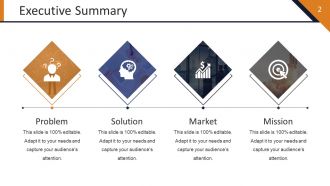
Slide 2: This slide showcases Executive Summary with- Problem, Market, Mission, Solution.
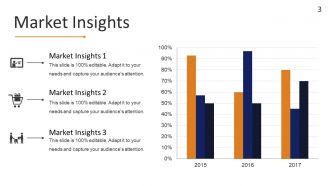
Slide 3: This is a Market Insights slide in graph form.
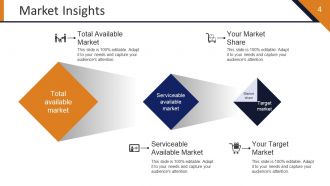
Slide 4: This slide Market Insights with- Market share, Target market, Serviceable available market (SAM), Total available market (TAM), Total Available Market, Serviceable Available Market, Your Target Market, Your Market Share.
Slide 5: This slide presents What We Offer.
Slide 6: This slide also presents What We Offer.
Slide 7: This slide presents Our Keys To Success. State success factors here.
Slide 8: This slide presents Our Keys To Success. State success factors here.
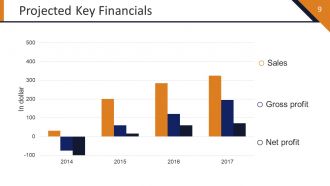
Slide 9: This slide showcases Projected Key Financials in bar graph form showing- Sales, Net profit, Gross profit.
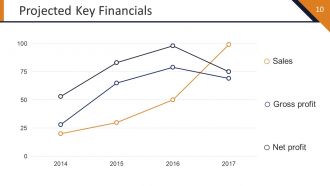
Slide 10: This slide showcases Projected Key Financials in line graph form showing- Sales, Net profit, Gross profit.
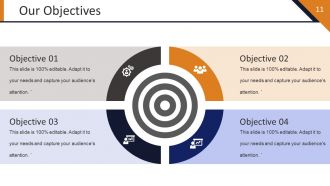
Slide 11: This slide presents Our Objectives. State Objectives etc. here.
Slide 12: This slide presents Our Strategic Positioning. Present positioning factors, strategies here.
Slide 13: This slide presents Our Strategic Positioning with an imagery to go with. Present positioning factros, strategies
Slide 14: This is Our Mission slide. State mission here.
Slide 15: This is About The Company slide. State business aspects/about the company facts, figures etc. here.
Slide 16: This is a Management Team slide with names, designation and image boxes to fill information for.
Slide 17: This is a Management Team slide with names, designation and image boxes to fill information for.
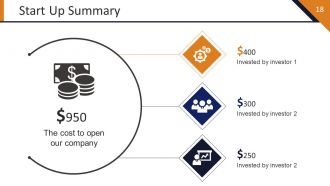
Slide 18: This slide presents Start Up Summary. State facts, figures, stats etc. here.
Slide 19: This slide presents Start Up Expenses. State facts, figures, stats etc. here.
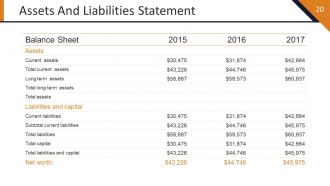
Slide 20: This slide showcases Assets And Liabilities Statement to be stated.
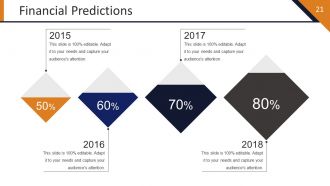
Slide 21: This slide showcases Financial Predictions. State facts, figures, stats etc. here.
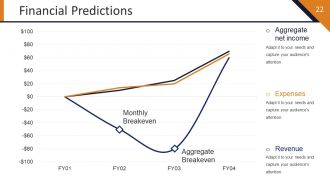
Slide 22: This slide showcases Financial Predictions. State facts, figures, stats etc. here such as- Monthly Breakeven, Aggregate Breakeven, Revenue, Expenses, Aggregate net income.
Slide 23: This slide shows Our Product And Services to be displayed.
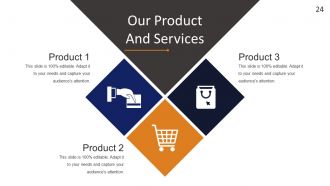
Slide 24: This slide shows Our Product And Services to be displayed.
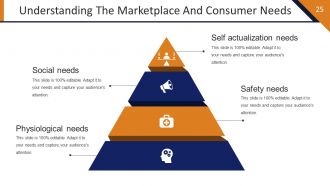
Slide 25: This slide shows Understanding The Marketplace And Consumer Needs pyramid containing- Physiological needs, Self actualization needs, Social needs, Safety needs.
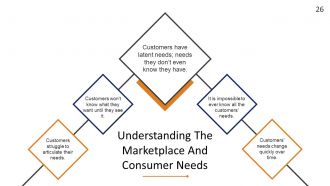
Slide 26: This slide shows Understanding The Marketplace And Consumer Needs showing- Customers won’t know what they want until they see it, It is impossible to ever know all the customers’ needs, Customers have latent needs; needs they don’t even know they have, Customers’ needs change quickly over time, Customers struggle to articulate their needs.
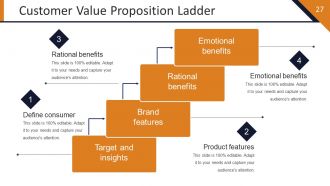
Slide 27: This slide showcases Customer Value Proposition Ladder showing- Emotional benefits, Rational benefits, Target and insights, Brand features with Product features, Rational benefits, Emotional benefits, Define consumer.
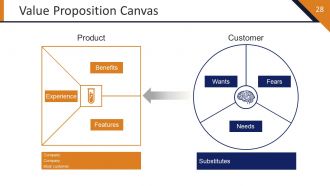
Slide 28: This slide showcases Value Proposition Canvas with- Customer and Product.
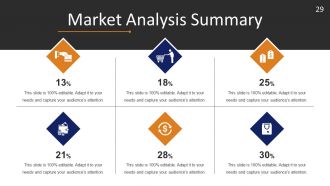
Slide 29: This slide shows Market Analysis Summary. State figures, facts etc. here.
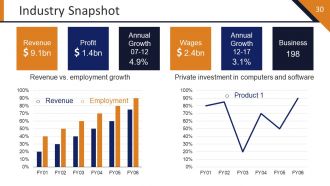
Slide 30: This slide shows Industry Snapshot in graph form showing- Business, Employment, Revenue, Revenue vs. employment growth, Private investment in computers and software.
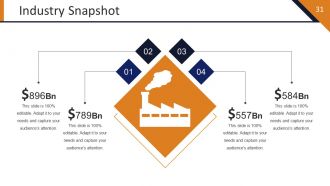
Slide 31: This slide shows Industry Snapshot in box image form. State figures, facts etc. here.
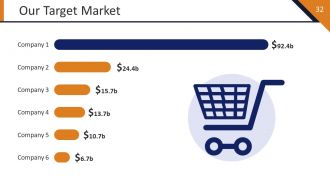
Slide 32: This is Our Target Market slide. State targets, goals etc. here.
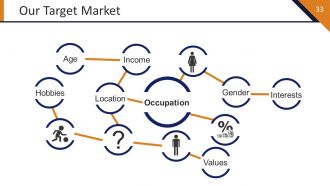
Slide 33: This is Our Target Market slide. State targets, goals etc. here in terms of- Occupation, Location, Income, Age, Hobbies, Gender, Interests, Value..
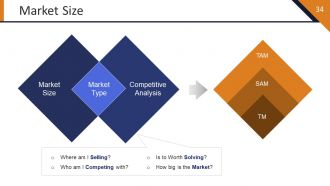
Slide 34: This slide shows Market Size showing- Market type, Market size, Competitive Analysis, TM, SAM, TAM.
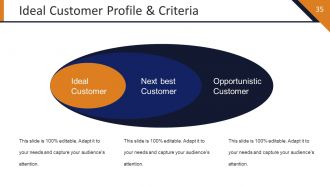
Slide 35: This slide showcases Ideal Customer Profile & Criteria with- Ideal Customer, Next best Customer, Opportunistic Customer.
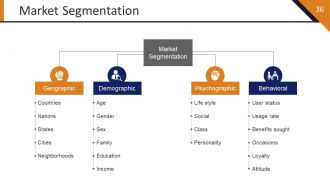
Slide 36: This slide shows Market Segmentation divided into- Geographic, Demographic, Psychographic, Behavioral.
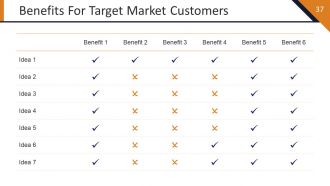
Slide 37: This slide shows Benefits For Target Market Customers in table form.
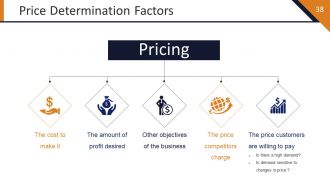
Slide 38: This slide shows Price Determination Factors such as- The cost to make it, The amount of profit desired, Other objectives of the business, The price competitors charge, The price customers are willing to pay, Is there a high demand? Is demand sensitive to changes in price ?
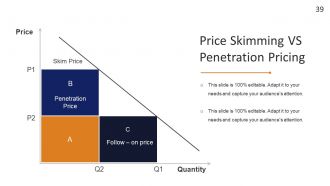
Slide 39: This slide showcases Price Skimming VS Penetration Pricing graph.
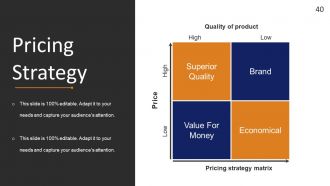
Slide 40: This slide showcases Pricing Strategy matrix showing- Quality of product as: Superior quality, Brand, Value for money, Economical, in terms of Pricing strategy matrix and Price.
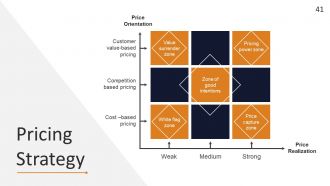
Slide 41: This slide shows Pricing Strategy displaying- Price orientation, Customer value-based pricing, Competition based pricing, Cost –based pricing, Price realization, Value surrender zone, Pricing power zone, Zone of good intentions, White flag zone, Price capture zone.
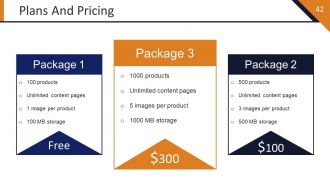
Slide 42: This slide showcases Plans And Pricing table.
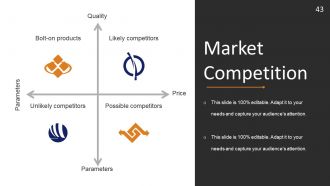
Slide 43: This slide shows Market Competition matrix with- Likely competitors, Unlikely competitors, Bolt-on products, Possible competitors.
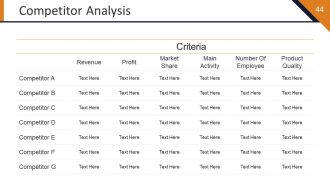
Slide 44: This slide presents a Competitor Analysis table.
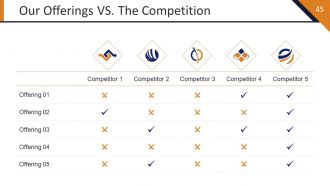
Slide 45: This slide presents Our Offerings VS. The Competition.
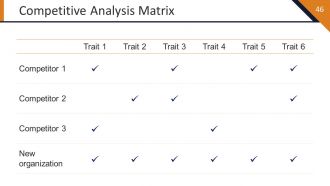
Slide 46: This is a Competitive Analysis Matrix slide.
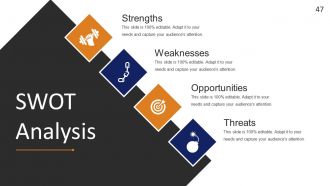
Slide 47: This is a SWOT Analysis slide.
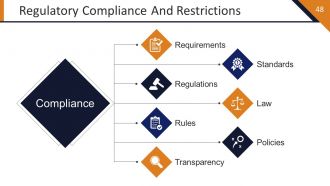
Slide 48: This slide shows Regulatory Compliance And Restrictions such as- Compliance, Requirements, Transparency, Standards, Rules, Law, Regulations, Policies.
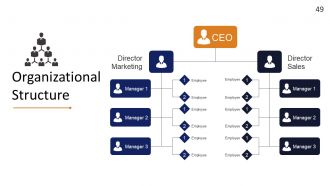
Slide 49: This slide showcases Organizational Structure in org chart form.
Slide 50: This slide presents Ownership And Management with image and text boxes to present information etc.
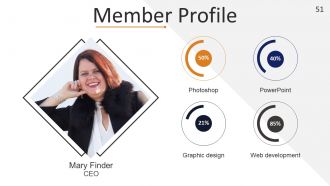
Slide 51: This slide presents Member Profile. State members' specifications, information here.
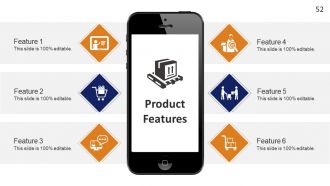
Slide 52: This slide shows Product Features with monitor imagery. State features, etc. here.
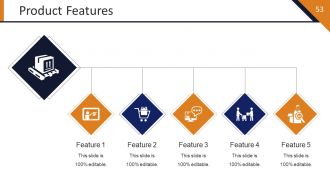
Slide 53: This slide shows Product Features to be displayed. State features, etc. here.
Slide 54: This is a Case Study slide. State its aspects here.
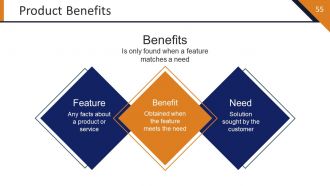
Slide 55: This slide shows Product Benefits displaying Feature, Benefit, Need.
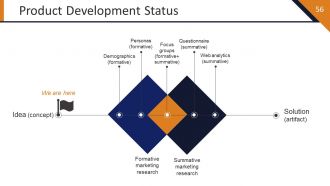
Slide 56: This slide showcases Product Development Status showing- Idea (concept) Solution (artifact) Demographics (formative) Personas (formative) Focus groups (formative+ summative) Questionnaire (summative) Web analytics (summative) Formative marketing research, Summative marketing research.
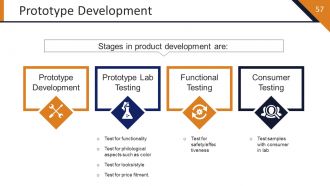
Slide 57: This slide presents Prototype Development with- Stages in product development: Prototype Development, Functional Testing- Test for safety/effectiveness Consumer Testing- Test samples with consumer in lab. Prototype Lab Testing- Test for functionality. Test for looks/style. Test for price fitment. Test for philological aspects such as color.
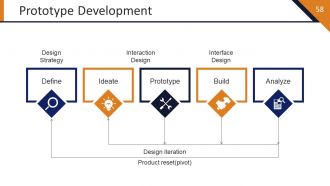
Slide 58: This slide shows Prototype Development showing- Design Strategy, Interaction Design, Interface Design, Design iteration, Product reset(pivot) as Define, Ideate, Prototype, Build, Analyze.
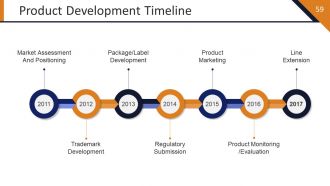
Slide 59: This slide shows Product Development Timeline stating- Market assessment and positioning, Trademark development, Package/label development, Regulatory submission, Product marketing, Product monitoring /evaluation, Line extension.
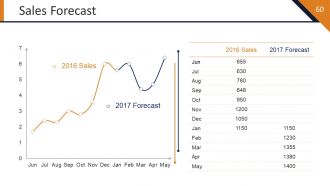
Slide 60: This is a Sales Forecast graph slide.
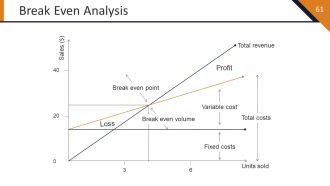
Slide 61: This slide shows a Break Even Analysis displaying- Sales ($), Units sold, Total revenue, Total costs, Break even point, Break even volume, Fixed costs, Variable cost.
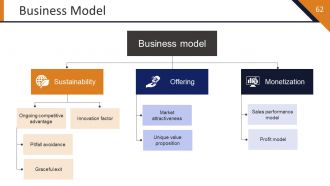
Slide 62: This slide shows a Business Model showcasing- Offering: Market attractiveness, Unique value proposition. Monetization: Profit model, Sales performance model. Sustainability: Ongoing competitive advantage, Innovation factor, Pitfall avoidance, Graceful exit.
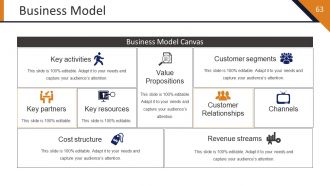
Slide 63: This slide presents a Business Model with Business Model Canvas showcasing- Channels, Key partners, Value Propositions, Key activities, Customer segments, Customer Relationships, Key resources, Cost structure, Revenue streams.
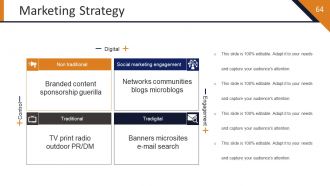
Slide 64: This slide presents Marketing Strategy in matrix form displaying- Digital, Control, Engagement, with Networks communities blogs microblogs, Branded content sponsorship guerilla, Banners microsites e-mail search, TV print radio outdoor PR/DM.
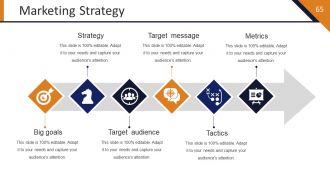
Slide 65: This slide shows Marketing Strategy stating- Big goals, Strategy, Target Audience, Target Message, Tactics, Metrics.
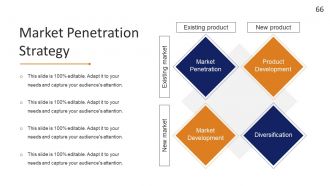
Slide 66: This slide presents Market Penetration Strategy showing- Diversification, Product Development, Market Penetration, Existing market, Market Development.
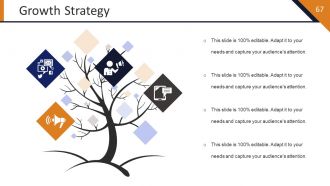
Slide 67: This slide shows Growth Strategy with tree imagery to go with. State growth factors, points, strategies etc. here.
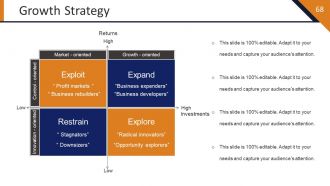
Slide 68: This is a Growth Strategy matrix slide showcasing- Growth - oriented, Market - oriented, Control- oriented, Innovation - oriented entities as Exploit: “ Profit markets ” “ Business rebuilders” Restrain: “ Downsizers” “ Stagnators” Explore: “Opportunity explorers” “Radical innovators” Expand: “Business expenders” “Business developers”.
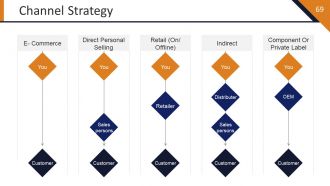
Slide 69: This slide shows a Channel Strategy with- Customer, Sales Person, Retailer, Distributor, OEM, You, E- commerce, Direct personal selling, Retail (on/ offline), Indirect, Component or private label.
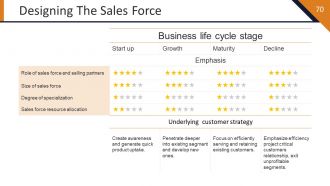
Slide 70: This slide presents Designing The Sales Force in tabular form.
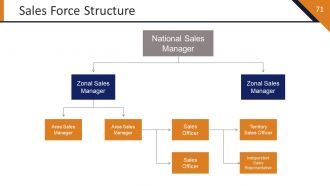
Slide 71: This slide shows Sales Force Structure showing- National sales manager, Zonal sales manager, Area sales manager, Sales officer, Territory sales officer, Independent sales representative, Area sales manager, Sales officer, Zonal sales manager.
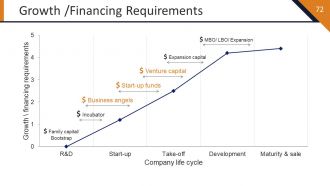
Slide 72: This slide shows Growth /Financing Requirements in graph form showing- Family capital/ Bootstrap, Incubator, Business angels, Start-up funds, Venture capital, Expansion capital MBO/ LBO/ Expansion.
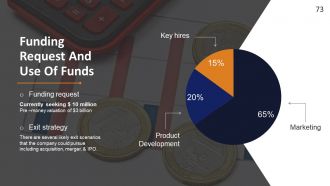
Slide 73: This slide shows Funding Request And Use Of Funds with- Exit strategy, Funding request, Key hires, Product development, Marketing.
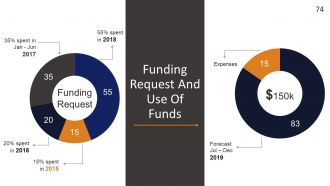
Slide 74: This slide shows Funding Request And Use Of Funds with- Funding Request, Forecast, Expenses.
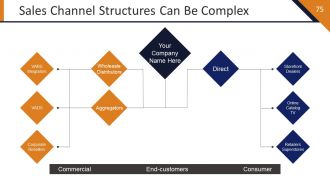
Slide 75: This slide shows Sales Channel Structures Can Be Complex showing- Wholesale Distributors, Retailers superstores Aggregators, Integrators, Storefront dealers, Corporate resellers.
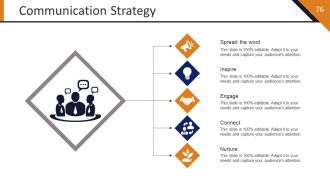
Slide 76: This slide presents the Communication Strategy with the following content- Spread the word, Inspire, Engage, Connect, Nurture.
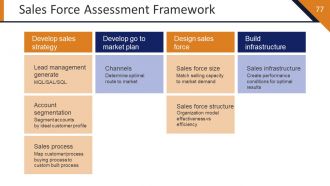
Slide 77: This slide shows Sales Force Assessment Framework displaying- Develop sales strategy, Lead management generate, MQL/SAL/SQL, Design sales force, Build infrastructure, Develop, go to market plan, Account segmentation, Segment accounts by ideal customer profile, Sales process, Map customer/process buying process to custom built sales process, Channels, Determine optimal route to market, Sales infrastructure, Create performance conditions for optimal results, Sales force size, Match selling capacity to market demand, Sales force structure, Organization model effectiveness vs efficiency.
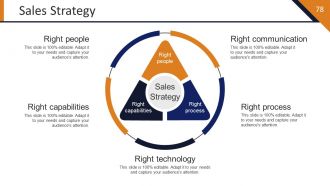
Slide 78: This slide shows Sales Strategy showcasing- Right people, Right communication, Right capabilities, Right process, Right technology, Right capabilities, Right people, Right process.
Slide 79: This is a Thank You slide with Address# street number, city, state, Contact Numbers, Email Address.
Startup Strategy Framework Powerpoint Presentation Slides with all 79 slides:
Get the data in your hands with our Startup Strategy Framework Powerpoint Presentation Slides. Everything becomes easily available.












FAQs for Startup Strategy Framework
Honestly, you gotta start with market validation - like, do people actually want this thing? I know it sounds super basic but so many people skip it and then wonder why nobody cares. After that, figure out your competitive angle. Don't just make a list of competitors, find the actual gaps you can fill. Revenue model comes next - how you'll make money and when you'll stop bleeding cash. Oh and definitely map out your scaling plan early, even if it changes later. I'd spend most of your time on validation first though, saves you from building something nobody wants.
Map out your goals by impact vs effort first - how much business value versus how hard to pull off. Survival stuff like revenue targets? Those come first, obviously. But don't get trapped in quarterly thinking only. We made that mistake once, chasing quick wins while our product went stale. Dependencies matter too since some goals unlock others. Build a simple scoring system with these factors and check monthly. Your priorities will change as you figure things out (they always do), so keep the framework loose but actually stick to using it.
Look, market research is basically your sanity check before you dive in. It tells you if your assumptions about customers and competitors are actually legit or just wishful thinking. You'll figure out who your real audience is, what problems they're dealing with, and how to stand out from the competition. Honestly, I've watched too many people skip this part and then wonder why nobody cares about their product. The data helps you nail down pricing, sharpen your pitch, and sometimes reveals opportunities you totally missed. Oh, and don't treat it like a one-time thing – keep doing it so you can change direction when needed.
Honestly, don't think of them as opposites - they actually work together pretty well. Pick maybe 2-3 areas where being creative actually moves the needle for your business. Everything else? Just standardize it and move on. Like why waste time reinventing your expense reporting when you could be improving your actual product, right? Set aside specific hours for experimenting vs just getting stuff done. Use lean methods to test ideas fast without blowing your budget. Track metrics for both sides so you'll know if innovation is eating into efficiency or vice versa. Then you can adjust before things get messy.
Look, you want to track three main things: growth stuff (user acquisition, revenue growth), how engaged people actually are (retention, daily users), and whether your economics make sense (acquisition cost vs what customers are worth long-term). Most founders go crazy tracking like 20+ metrics at first - total waste of time. Stick to 3-5 that actually matter for your goals. Pre-revenue? User engagement is everything. Making money already? Watch your burn rate like a hawk. Oh, and track things you can actually control, not just pretty numbers that make you feel good.
Dude, watch your leading indicators way more than just revenue. Customer check-ins should be regular, and keep tabs on what competitors are doing. Engagement patterns, acquisition costs changing - that stuff tells you what's coming next. Most founders I know (myself included honestly) get too attached to their original idea and wait forever to pivot. Think of your strategy like GPS - it reroutes when there's traffic instead of just following some old map. Oh and actually schedule those quarterly reviews. Seriously, put them on your calendar or they'll never happen.
Honestly, the worst thing founders do is try to be everything to everyone right off the bat. You'll just confuse people about what problem you're actually solving. Also - and I've seen this so many times - they get obsessed with their "brilliant" solution without even checking if the problem is real. Like, slow down and talk to customers first? Then there's the whole thing where they'll spend months planning year three but can't execute on next week's tasks. Oh, and don't pivot after your first rejection. Pick one specific customer type, fix their one big headache, then grow from there.
Dude, team alignment can literally make or break your startup. When everyone's rowing in different directions, you're just burning cash and confusing the hell out of your customers. Been there - it sucks. Your whole team needs to get the "why" behind what you're building, not just the what. Like, can everyone actually explain your strategy without sounding like robots? If not, that's your first red flag right there. Start doing regular check-ins where people can ask dumb questions. Sometimes the obvious stuff is what trips you up. Make sure their day-to-day work connects to the bigger vision somehow.
Honestly, most founders just spin their wheels on this stuff instead of actually doing it! Porter's Five Forces is the classic approach - maps out industry threats pretty well. SWOT analysis is decent for head-to-head comparisons. But I'm kinda obsessed with competitive positioning maps because they're so visual, makes it way easier to spot gaps in the market. Feature comparison matrices are clutch if you're in product mode and need to track specific capabilities. Here's the thing though - just pick whatever feels right for your team and map out your top 5 competitors this week. Don't overthink it.
Stop treating customer feedback like homework you'll get to later. Build it right into how you develop stuff - regular customer chats, quick in-app surveys, actually reading support tickets for trends. Here's the thing though: don't build every random feature people suggest or you'll go insane. I learned this the hard way. Score requests by how often you hear them, revenue impact, and whether they fit your actual strategy. Oh, and always circle back to tell customers when you ship something they asked for. Makes them feel heard.
Honestly, just match your funding to where you're actually at. Bootstrap if you can handle it early on—keeps things simple and you won't have investors breathing down your neck. Angels and pre-seed money are solid for proving your idea works. Once you've got real traction, that's when Series A makes sense for scaling up. Don't sleep on stuff like revenue-based financing either, it's way more legit now than people think. The trick is raising money for specific goals, not just because you're about to hit zero in the bank account (been there though). Start schmoozing potential investors like 6 months before you'll need them.
Honestly, stop winging it with spreadsheets when you could be way smarter about this. Get some analytics dashboards and customer feedback tools running - they'll give you actual real-time data instead of just guessing. Google Analytics is free and solid for starters. Trello's great for tracking if you're hitting your strategic goals (though I'm kinda obsessed with it for everything lately). Market research software and scenario modeling tools let you test stuff before you blow your budget on bad ideas. Most startups I know are still doing gut-feeling decisions when proper business intelligence exists. Start cheap - survey platforms work fine.
Your business model is literally everything - it decides if you'll actually make money or just burn through cash forever. I've seen too many startups with amazing products that couldn't figure out the economics part. You need clear revenue streams, costs that make sense, and proof it works when you scale up. Plus it has to be something competitors can't easily copy. Honestly, product-market fit means nothing if the math doesn't work. Map out your revenue and costs first - if those numbers look sketchy, don't even think about scaling yet.
Look, VCs want 10x returns so you're gonna have to think way bigger than feels comfortable. They push you to target huge markets and show that hockey stick growth - it's motivating but also kinda scary tbh. You'll be prioritizing scale over profit early on, obsessing over traction metrics, and constantly planning your next raise. Honestly the hardest part is not letting their pressure make you do something stupid like burn through cash too fast or pivot into something that makes zero sense. Find that sweet spot between their growth expectations and what won't kill your business.
Your brand is literally how people decide if you're worth their money or investment. It tells them whether you're the fancy option, the game-changer, or the cheap alternative. Good branding lets you charge more and hire better people - honestly, perception is half the battle in startups. But if your brand says one thing and your actual strategy does something else? People notice that fake stuff immediately. Your visuals, messaging, all of it needs to match the story you're telling. Otherwise you just look confused, and nobody wants to bet on confused.
-
Unique design & color.
-
Great designs, really helpful.