


Strategies To Improve Organizational Culture Powerpoint Presentation Slides




Try Before you Buy Download Free Sample Product
 Impress Your
 Audience
 100%
100% Editable
 Save Hours
 of Time


Strategies To Improve Organizational Culture PowerPoint Presentation Slides features professional design elements to showcase the best HR practices. This strengthening organizational culture PPT theme helps you to demonstrate the ideal working environment and means to achieve the same. The methods to improve company culture PowerPoint slideshow helps you to illustrate the type of values included in the value statement. The corporate culture strategy PPT template will help you map out methods to embed values in your organization. Use our workplace culture improvement strategies PowerPoint presentation to frame and explain company norms that guide member beliefs and behavior. Also, use the ways to improve company culture PPT slideshow to elaborate on the components of the physical environment of the workplace. Elucidate benefits like flexible working hours and compensation like bonus payment using the ways to promote company culture PowerPoint theme. Download effective ways to improve the workplace culture PowerPoint presentation to consolidate employee journey strategy ideas.
People who downloaded this PowerPoint presentation also viewed the following :
Content of this Powerpoint Presentation
Slide 1: This slide introduces Strategies to Improve Organizational Culture. State your Company name and begin.
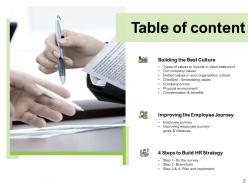
Slide 2: This slide displays Table of content.
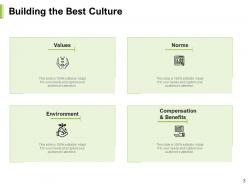
Slide 3: This slide showcases Building the Best Culture with- Values, Norms, Compensation & Benefits, Environment.
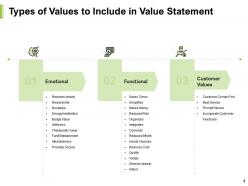
Slide 4: This slide showcases the Types of Values to Include in Value Statement.
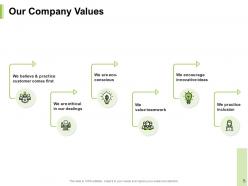
Slide 5: This slide shows Our Company Values.
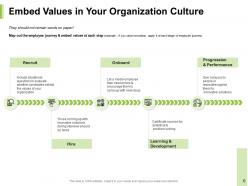
Slide 6: This slide showcases Embed Values in Your Organization Culture.
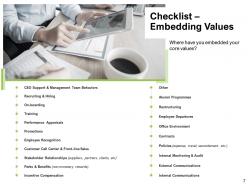
Slide 7: This slide displays Checklist – Embedding Values.
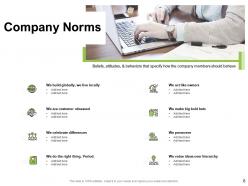
Slide 8: This slide depicts Company Norms. Beliefs, attitudes, & behaviors that specify how the company members should behave
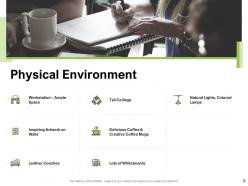
Slide 9: This slide describes the Physical Environment.
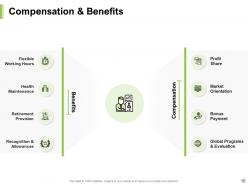
Slide 10: This slide shows Compensation & Benefits containing- Profit Share, Market, Orientation, Bonus, Payment, Global Programs & Evaluation.
Slide 11: This slide discusses about Improving the Employee Journey.
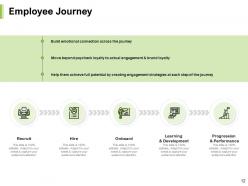
Slide 12: This slide showcases Employee Journey.
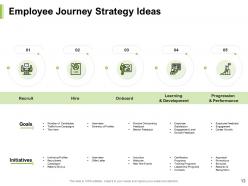
Slide 13: This slide showcases Employee Journey Strategy Ideas.
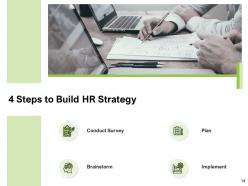
Slide 14: This slide showcases 4 Steps to Build HR Strategy with- Implement, Plan, Brainstorm, Conduct Survey.
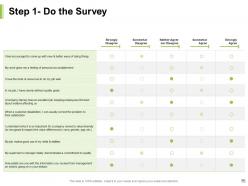
Slide 15: This slide showcases Step 1- Do the Survey.
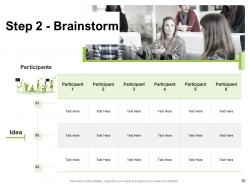
Slide 16: This slide showcases Step 2 - Brainstorm
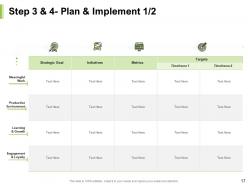
Slide 17: This slide displays Step 3 & 4- Plan & Implement.
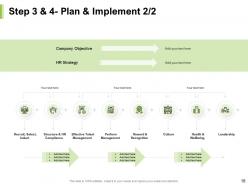
Slide 18: This slide presents Step 3 & 4- Plan & Implement.
Slide 19: This is Strategies to Improve Organizational Culture Icons Slide
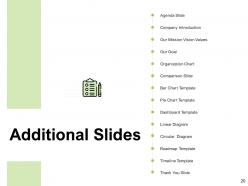
Slide 20: This slide is titled as Additional Slides for moving forward.
Slide 21: This is Agenda slide.
Slide 22: This slide showcases Company Introduction with Value clients, Target audiences and preferred by many.
Slide 23: This slide displays Our Mission, Vision and Values.
Slide 24: This slide displays Our Goal
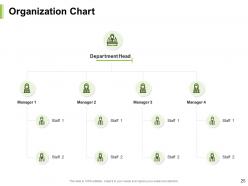
Slide 25: This slide showcases Organization Chart with Staff names and Manager names.
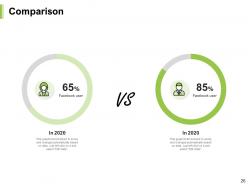
Slide 26: This slide shows Comparison with data in percentages.
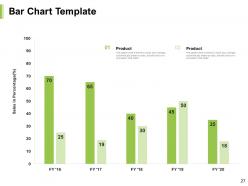
Slide 27: This slide displays Bar Chart with product comparisons.
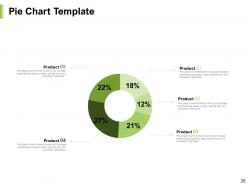
Slide 28: This slide displays Pie Chart with product comparisons.
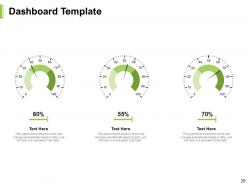
Slide 29: This slide shows Dashboard Template
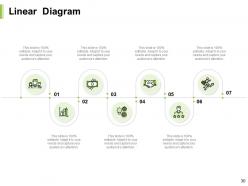
Slide 30: This slide displays Linear Diagram.
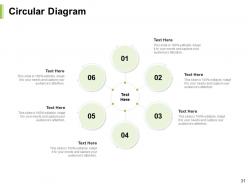
Slide 31: This slide represents Circular Diagram.
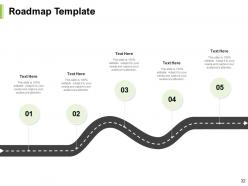
Slide 32: This slide shows Roadmap process.
Slide 33: This slide displays Timeline process.
Slide 34: This is Thank You slide with Contact details.
Strategies To Improve Organizational Culture Powerpoint Presentation Slides with all 34 slides:
Use our Strategies To Improve Organizational Culture Powerpoint Presentation Slides to effectively help you save your valuable time. They are readymade to fit into any presentation structure.


FAQs for Strategies To Improve Organizational Culture
Honestly, it starts with leadership actually walking the talk - can't fake that stuff. Your team needs psychological safety so they'll speak up without fear. Communication has to be crystal clear, and yeah, those cheesy rituals actually work (I was skeptical too). Recognition systems matter big time - reward what you want to see more of. But here's the thing: audit where your real culture clashes with what's on your website. Pick one gap and fix it first instead of trying to overhaul everything. Trust me, alignment between what you say and what you measure is everything.
Start with anonymous surveys and focus groups - people are way more honest when they don't think it'll bite them later. Then do some "culture walks" where you just observe meetings and how people actually interact (not the polished version they show leadership). Exit interviews are honestly your best bet though - departing employees have zero filter and will tell you everything. Oh, and dig into the numbers too. Look at turnover rates, who's getting promoted, response times to emails - that stuff tells a story. The trick is getting feedback from multiple angles instead of just trusting one source.
Honestly, engaged employees are like your culture's best friends - they actually live your values and get new people excited about working there. It's wild how much influence they have. But here's the thing: if your team's checked out mentally, all those company posters and mandatory meetings won't do squat. I've seen it happen where one toxic person can mess up a whole department's vibe. The good news? Strong culture makes people more engaged too. So yeah, get your people invested first. Everything else kinda falls into place after that.
First things first - figure out what behaviors actually move your business forward, then bake those into everything. Say you want innovation? You've gotta reward people for taking risks and failing (which honestly, most companies suck at). Map out those specific cultural pieces, then make sure your hiring, reviews, leadership training - even how the office looks - all support the same behaviors. Don't just slap values on the wall. Build them into daily decisions instead. Oh, and start by checking where your current culture might be sabotaging your strategy.
First thing - make sure people can pitch crazy ideas without getting shot down. Cross-functional teams work way better than siloed departments for this stuff. Give folks actual time to experiment (easier said than done, but still). Run some hackathons or innovation challenges to shake things up. Here's the kicker though - you've gotta celebrate the smart failures just as much as the wins, otherwise everyone plays it safe. Oh, and don't try to transform your whole company overnight. Pick one team first and see what sticks.
Honestly, your team's communication style pretty much sets the whole mood. When people actually listen and keep things transparent, you get way more trust and teamwork. But if it's all top-down orders or everyone's gossiping instead of being direct? Yeah, that's gonna create drama. The little stuff matters too - how often you check in, your tone, even which channels you use. Regular feedback makes people feel safe to speak up. Bad communication just leads to confusion and office politics (ugh). Quick tip: look at how info flows in your team right now and pick one thing to fix this week.
Here's the thing - D&I actually rewires how your whole company operates. Different voices start getting heard in meetings. Decision-making improves because you're not stuck with the same tired perspectives (trust me, groupthink kills innovation). People feel safer speaking up, so better ideas bubble up naturally. Your hiring and promotion processes need real changes though, not just surface stuff. Teams get way better at collaborating once they learn to work with different viewpoints instead of everyone just nodding along. It's honestly one of the fastest ways to shift culture.
Honestly, mix hard numbers with actual employee feedback. Retention rates, productivity scores - that stuff matters. But also do pulse surveys about how people really feel about work. The annoying thing is you can't always prove your culture work directly caused better results, but when teams with good vibes consistently outperform, that's not random. I'd say quarterly check-ins work well, maybe tie them to performance reviews? Oh and don't track everything - pick 2-3 metrics you actually care about and stick with those. Way easier to see trends that way.
Honestly, start before day one - shoot them culture docs and team bios so they're not walking in blind. Get them a buddy who isn't their boss, someone who can explain the weird quirks every office has. Invite them to the casual stuff too... coffee runs, lunch spots, you know. Small wins matter early on - give them something they can actually accomplish instead of just sitting through presentations all week. I've seen too many people struggle because companies assume culture just happens naturally. It doesn't. You've got to be deliberate about making them feel like they belong from the start.
Don't just slap motivational posters everywhere and call it a day. Your hiring questions should actually dig into whether people fit your vibe. Recognition programs matter, but honestly? It's the daily stuff that counts more - how your managers handle problems, what gets celebrated in meetings. If safety's supposedly huge for you, maybe start meetings talking about it instead of diving straight into numbers. Performance reviews, policies, random Tuesday conversations - they all need to match what you claim to stand for. Pick two things this week and check if they actually reflect your values. You'll probably find some gaps.
Honestly, the worst thing you can do is try to flip everything overnight - people will just shut down completely. Culture change takes forever too, like we're talking years here, which nobody wants to hear. Leaders always think posting some inspirational quote in the break room will do it, but everyone's watching how you actually act instead. Oh, and don't make the mistake of creating this whole new culture without asking your team what they think. If they aren't part of building it, good luck getting them on board. Pick one small area first and see what happens - success has a way of spreading itself around.
Anonymous surveys work great for catching culture issues before they blow up. Exit interviews too, but honestly those feel like closing the barn door after the horse bolted. Monthly check-ins are solid - just don't be that manager who asks for feedback then does nothing with it. People hate that. Set up suggestion boxes or open forums where folks actually feel safe talking. Oh, and flip it around sometimes - tell your team what you're fixing based on their input. Shows you're listening. I'd start with just one feedback method and see how it goes.
Yeah, remote work totally kills those random moments - like grabbing coffee or bumping into someone by the printer. Those little interactions actually matter way more than people think. You've gotta be way more intentional about everything now. Schedule virtual coffee chats, do regular check-ins, and actually write down your culture stuff instead of just assuming people get it. Recognition becomes huge too since people can't see the day-to-day wins. Honestly? Culture used to just happen naturally in offices. Now it's like a project you have to actively work on or it just... disappears.
Ugh, yeah this is such a real thing. Boomers want hierarchy and actual face-to-face meetings. Gen X just wants to be left alone to do their job - they're all about that work-life balance. Millennials need constant feedback and want their work to mean something bigger. Then Gen Z shows up expecting flexible everything plus the company has to save the world too, lol. These aren't just random preferences though - people get genuinely upset when their values clash. I'd start by asking your teams what actually motivates them, then tweak your policies from there. Way easier than guessing.
Here's how I see it - rewards basically show everyone what you actually care about, not just what's written on the wall. Call out the behaviors you want more of during team meetings, even small stuff. People watch what gets celebrated way more than they read mission statements. If you're preaching teamwork but only rewarding solo wins, everyone figures out the real game pretty fast. It's honestly like training... well, anything really. Start small though - just highlight when someone does something that fits your culture. The consistency is what makes it stick over time.
-
The content is very helpful from business point of view.
-
Great product with effective design. Helped a lot in our corporate presentations. Easy to edit and stunning visuals.
-
Very well designed and informative templates.
-
Understandable and informative presentation.