


Transition plan powerpoint presentation slides




Try Before you Buy Download Free Sample Product
 Impress Your
 Audience
 100%
100% Editable
 Save Hours
 of Time


The transition plan outlines the activities to deploy, install, and integrate a solution or system into the organizations current operations. Here is a professionally designed Transition Plan template that is useful for top management that wants to achieve the objective of business process or activity modification for greater efficiency and accelerated growth. In planning and procurement, we have discussed business processes undergoing transformation, hardware and software requirements, and roles and responsibilities of the employee involved in the transition project. Post that workforce training plan is prepared to mentor company employees to embrace technological change without any rigidity. The monitoring and maintenance system issue tracker sheet, incident management chart, and contingency plan are covered to ensure that the updated system is working as desired. This PPT also has the project signoff sheet to ensure the clients proper handing over the deployed and tested method. Also, using this template, the user can draft out a strategy to overcome multiple bottlenecks of business the transition project easily by mitigating numerous risks associated with each phase. Download this 100 percent editable template now.
People who downloaded this PowerPoint presentation also viewed the following :
Content of this Powerpoint Presentation
Slide 1: This slide introduces Transition Plan. State Your Company Name and begin.
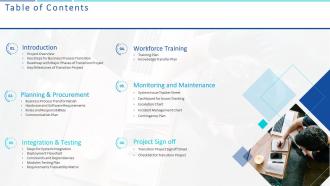
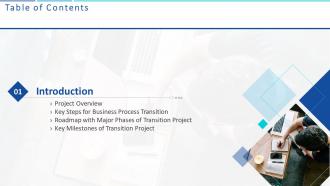
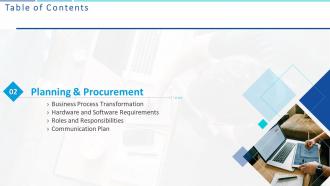
Slide 2: This slide shows Table of Content for the presentation.
Slide 3: This slide presents title for topics that are to be covered next in the template.
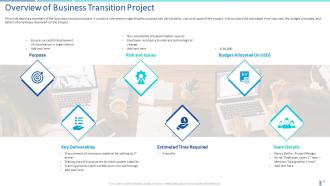
Slide 4: This slide displays summary of the business transition project.
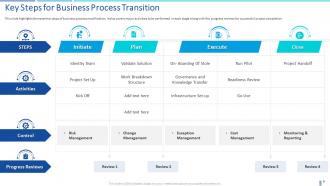
Slide 5: This slide represents essential steps of business process modification.
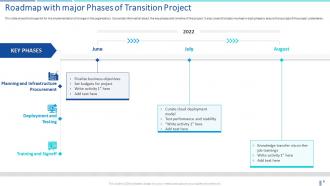
Slide 6: This slide showcases the blueprint for the implementation of change in the organization.
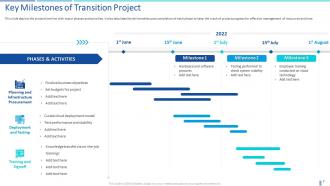
Slide 7: This slide shows project timeline with major phases and activities.
Slide 8: This slide presents title for topics that are to be covered next in the template.
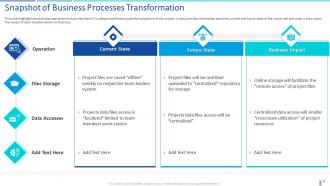
Slide 9: This slide displays business operations or activities that will undergo modification.
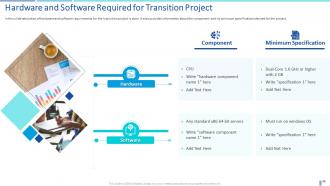
Slide 10: This slide represents Hardware and Software Required for Transition Project.
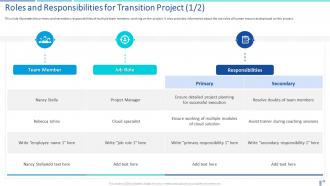
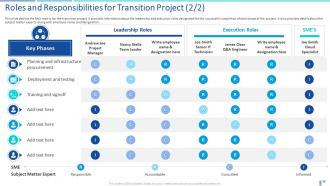
Slide 11: This slide showcases Roles and Responsibilities for Transition Project.
Slide 12: This slide shows RACI matrix for the transition project.
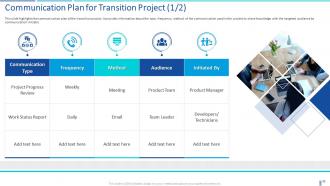
Slide 13: This slide presents communication plan of the transition project.
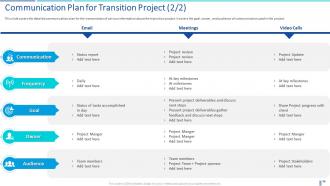
Slide 14: This slide displays detailed communication plan for the transmission of various information.
Slide 15: This slide represents title for topics that are to be covered next in the template.
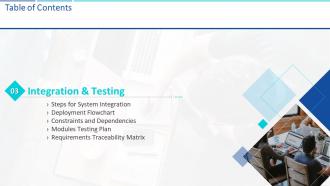
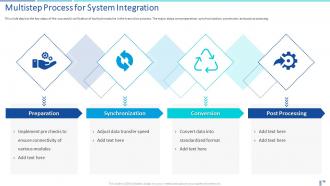
Slide 16: This slide showcases key steps of the successful unification of multiple modules in the transition process.
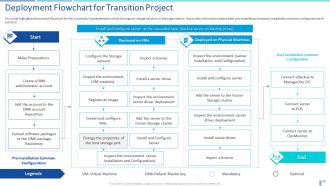
Slide 17: This slide shows process flowchart for the successful implementation of technological change.
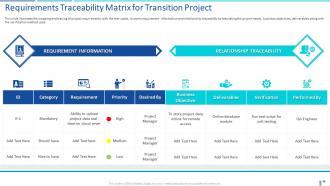
Slide 18: This slide presents mapping and tracing of project requirements with the test cases.
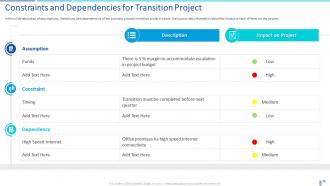
Slide 19: This slide displays Constraints and Dependencies for Transition Project.
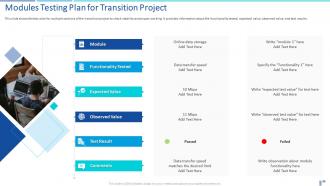
Slide 20: This slide represents the test plan for multiple sections of the transition project to check stability.
Slide 21: This slide showcases title for topics that are to be covered next in the template.
Slide 22: This slide shows coaching plan to upskill the workforce for successful business transition.
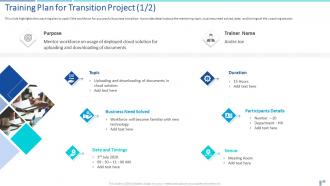
Slide 23: This slide presents plan to mentor company employees about the business transition.
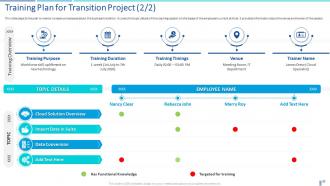
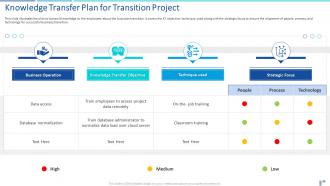
Slide 24: This slide displays plan to transmit knowledge to the employees about the business transition.
Slide 25: This slide represents title for topics that are to be covered next in the template.
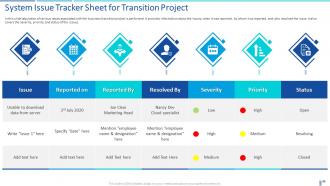
Slide 26: This slide showcases System Issue Tracker Sheet for Transition Project.
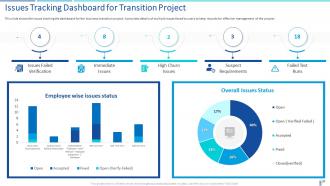
Slide 27: This slide shows the issues tracking the dashboard for the business transition project.
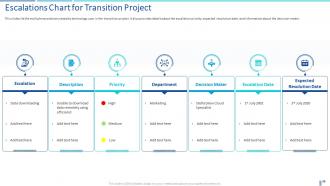
Slide 28: This slide presents multiple escalations raised by technology user in the transition project.
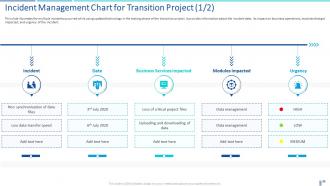
Slide 29: This slide displays multiple incidents occurred while using updated technology in the testing phase.
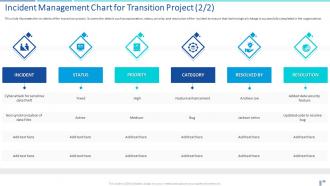
Slide 30: This slide represents Incident Management Chart for Transition Project.
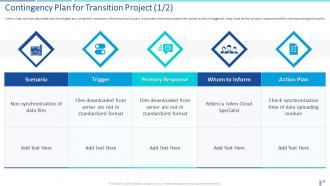
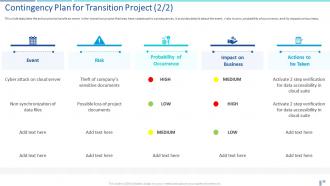
Slide 31: This slide showcases tabulated plan to mitigate any unwanted instances in the transition project.
Slide 32: This slide shows action plan to handle an event in the transition project that may have catastrophic consequences.
Slide 33: This slide presents title for topics that are to be covered next in the template.
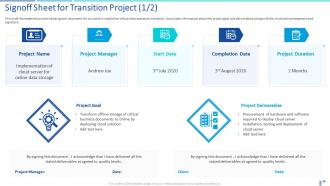
Slide 34: This slide displays Signoff Sheet for Transition Project.
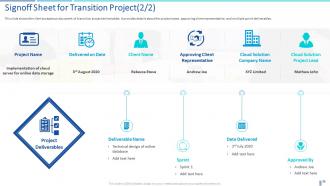
Slide 35: This slide represents the client acceptance document of transition project deliverables.
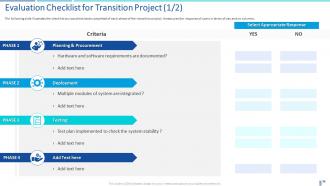
Slide 36: This slide showcases checklist to crosscheck tasks completed of each phase of the transition project.
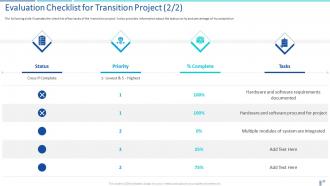
Slide 37: This slide shows checklist of key tasks of the transition project.
Slide 38: This slide presents Icons for Transition Plan.
Slide 39: This slide is titled as Additional Slides for moving forward.
Slide 40: This slide presents Roadmap with additional textboxes.
Slide 41: This slide provides 30 60 90 Days Plan with text boxes.
Slide 42: This is a Timeline slide. Show data related to time intervals here.
Slide 43: This is a Financial slide. Show your finance related stuff here.
Slide 44: This slide shows Funnel with related imagery.
Slide 45: This slide depicts Venn diagram with text boxes.
Slide 46: This slide shows Post It Notes. Post your important notes here.
Slide 47: This slide displays Mind Map with related imagery.
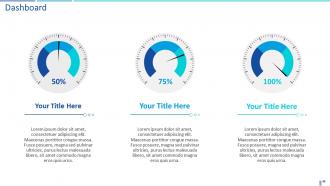
Slide 48: This slide represents Dashboard with additional text boxes to show information.
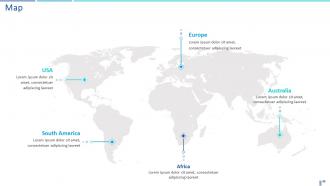
Slide 49: This slide displays maps to show data related with different locations.
Slide 50: This slide shows Lego with related icons and text.
Slide 51: This is an Idea Generation slide to state a new idea or highlight information, specifications etc.
Slide 52: This is Our Target slide. State your targets here.
Slide 53: This is Our Mission slide with related imagery and text.
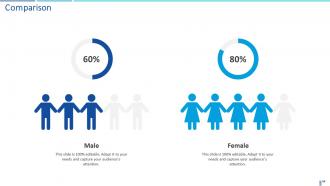
Slide 54: This is a Comparison slide to state comparison between commodities, entities etc.
Slide 55: This slide is titled as our charts for moving forward.
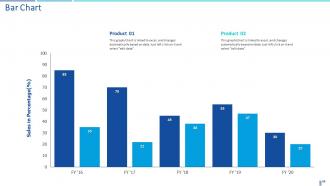
Slide 56: This slide presents Bar chart with two products comparison.
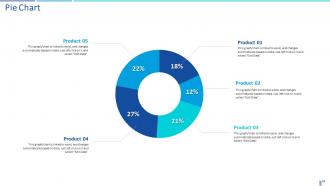
Slide 57: This slide shows Pie Chart with data in percentage.
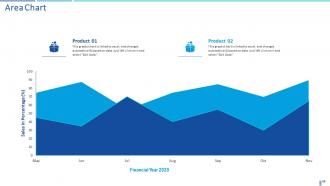
Slide 58: This slide depicts Area chart with two products comparison.
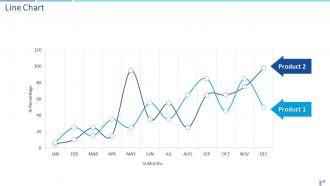
Slide 59: This slide describes Line chart with two products comparison.
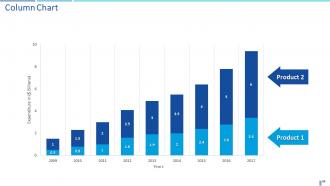
Slide 60: This slide displays Column chart with two products comparison.
Transition plan powerpoint presentation slides with all 65 slides:
Use our Transition Plan Powerpoint Presentation Slides to effectively help you save your valuable time. They are readymade to fit into any presentation structure.






FAQs for Transition plan
Okay so first thing - figure out your timeline with actual dates, not just "soon-ish." Documentation is honestly the worst part but you gotta do it anyway. Write down everything you're responsible for because trust me, you'll forget half of it otherwise. Figure out who needs updates during this whole mess - there's always that one person everyone forgets about. Set some clear goals so people know if the transition actually worked or if it's a disaster. Communication plan is huge too. I learned that the hard way when I left my last job and people were still asking me questions three months later.
Look, think of a transition plan like your backup plan that maps out what'll probably go wrong before it actually does. Staff pushes back? Communication breaks down? You're short on resources? Figure out those "oh crap" moments ahead of time and have solutions ready. Honestly, most people skip this part and then wonder why everything's chaos. Set clear deadlines, put someone in charge of each problem area, and - this is key - build in ways to pivot fast when stuff inevitably gets messy. I'd start with your worst-case scenarios and just work backwards from there.
Dude, you HAVE to get stakeholders involved from day one - can't stress this enough. Map out everyone who'll be impacted and actually listen to what they're saying, don't just dump info on them later. Their feedback will save you from disasters you never saw coming. Trust me on this one. People will fight changes that feel forced on them, but they'll champion stuff they helped create. Each group communicates differently too, so figure out if they prefer emails, meetings, whatever. It's honestly the difference between your transition working or completely falling apart.
Track your KPIs against whatever baseline you set before launch - adoption rates, performance speeds, error counts, timeline hits. But honestly? Don't ignore the people side of things. Employee surveys and feedback sessions are crucial because sometimes the numbers look great while everyone's secretly hating life. I'd do check-ins at 30, 60, and 90 days after go-live. Green metrics with miserable users means you're only halfway there. The soft stuff really does matter as much as the hard data.
Get yourself a decent project management tool - Asana or Monday work great for tracking everything. Map out your timeline working backwards from the deadline, that's key. Document everything: process maps, who does what, knowledge transfer stuff. Risk assessment matrix sounds fancy but it's basically just "what could go wrong" - trust me, something always does. Communication templates save you tons of time later. Oh, and don't underestimate a simple checklist alongside the digital tools. Start by brain-dumping every single thing that needs transitioning, then organize it into phases. Training materials should be ready before you think you need them.
Honestly, you've gotta tailor your approach to whatever industry you're dealing with. Healthcare is all about compliance and patient safety - they're super paranoid about that stuff. Tech companies? They just want their data moved without everything crashing. Manufacturing takes forever because they need lead time for equipment changes, and finance people want risk assessments for literally everything. I'd say start by finding someone who's actually done this transition in your specific industry and pick their brain. Oh, and build in way more buffer time than you think you'll need - especially if there's heavy regulation involved. Trust me on that one.
Map out your critical processes first, then work backwards from when you need this done. The timeline thing kills people - you've gotta have actual dates, not "sometime next month." Knowledge transfer always takes way longer than expected, like seriously, double whatever time you think you need. Get your key people involved from the start instead of surprising them later. Document the weird stuff too - which vendor actually picks up their phone, who knows why that one system randomly crashes on Tuesdays. Oh and assign clear owners for each piece. Nobody wants to play the "I thought you were handling that" game when you're already stressed about leaving.
Honestly, communication can totally make or break your whole transition. I've watched solid plans crash just because people didn't know what was going on - it's painful to see! You gotta figure out who's telling what to whom and when, right from the start. Different groups need different info too. Keep everyone in the loop with regular updates or they'll start panicking and making stuff up. Oh, and build in ways for people to give feedback - you'll probably need to adjust things anyway. Without good communication, even smart people end up working with old information and missing deadlines.
Honestly, skip the generic training stuff and go straight to hands-on, role-specific work. Find your key people early and give them way more training time - they'll basically become your trainers for everyone else. I always see companies try to teach everything to everyone at once and it's such a mess. Hit the critical processes first, then use a combo of docs, shadowing, and practice runs. Oh and definitely be around for questions those first couple weeks because trust me, there will be tons. Quick daily check-ins help catch problems before they snowball.
Set up weekly check-ins with your team from day one - don't wait. Ask what's broken, what's working, whatever. I'd put these meetings directly in the project schedule or they'll get bumped when chaos hits (and it will). Here's the thing though: you actually have to DO something with their feedback. People shut down fast if you ignore what they tell you. Document the changes you make and loop everyone back in. Oh, and start your first feedback session within that first week of rolling things out.
Honestly, you NEED timelines and milestones or everything turns into a complete mess. They're like checkpoints in a video game - catch issues before they blow up into major problems. Without them, your team will be lost and management will constantly bug you for updates. Clear deadlines make people actually accountable too. Buffer time is key though - I learned this the hard way. Something always takes way longer than you think it will. Better to finish early than be stressed out of your mind trying to hit an impossible deadline.
Honestly? Map every milestone straight to your actual business goals right from the start. Figure out what really matters - hitting revenue numbers, keeping customers happy, streamlining ops, whatever. Then build your whole timeline around protecting those things. I've watched so many transitions get completely lost in boring process stuff while the important objectives just... disappear. Pretty frustrating to watch, actually. Filter every big decision through "does this help our main goals?" Your stakeholders will actually see results instead of just paperwork getting shuffled around.
Look, tech is gonna save your butt during transitions. Project management tools help track everything, communication platforms keep people updated, and data migration stuff moves your info without breaking it. I've literally watched companies crash because they stuck with spreadsheets and endless email threads - what a mess. Pick something your team will actually use though, not whatever has the flashiest marketing. Oh and start with your worst problems first, then find tools that fix those specific headaches. Way easier than trying to solve everything at once.
Honestly, culture can totally torpedo your whole plan if you're not careful. When your changes clash with how people actually work, they'll resist hard. Different cultural backgrounds mean people interpret stuff differently too. Some teams love quick changes, others need things super gradual - learned that one the hard way at my last job. Language barriers make everything trickier. You've gotta scope out the culture first, then build your rollout around what already exists there. Way easier than fighting against it. Trust me on this one.
Honestly, most people screw this up by rushing the handoff part. Get everything documented first - like, actually write it down, don't just assume the new person will figure it out. Have your outgoing employee train their replacement directly for at least a week or two if you can swing it. Cross-train a couple other people on the critical stuff too, because what happens if the new hire gets sick their first week? Also keep your vendor contacts and client relationships solid during the switch. Sometimes it's worth paying the departing person as a consultant for a month just in case everything hits the fan. Knowledge walking out the door is expensive to replace.
-
Illustrative design with editable content. Exceptional value for money. Highly pleased with the product.
-
Graphics are very appealing to eyes.