


Entendiendo el Liderazgo Situacional Presentación




Try Before you Buy Download Free Sample Product
 Impress Your
 Audience
 100%
100% Editable
 Save Hours
 of Time


Este módulo de PPT sobre el Liderazgo Situacional profundiza en la naturaleza adaptable del liderazgo en diferentes escenarios. Comienza desmitificando lo que implica el liderazgo situacional y su objetivo general, preparando el terreno para una inmersión profunda en las reconocidas teorías de Goleman y el Modelo de Liderazgo Situacional de Blanchard y Hersey. La presentación de PowerPoint además divide el liderazgo en cuatro estilos distintos: Dirigir, Entrenar, Apoyar y Delegar, cada uno adaptado a diferentes niveles de desarrollo y situaciones. Describe las etapas del liderazgo situacional, explicando los requisitos específicos para que cada estilo de liderazgo sea eficaz. Finalmente, concluye con Puntos Clave y Preguntas de Discusión, diseñadas para involucrar a los participantes en una reflexión y discusión reflexiva.
People who downloaded this PowerPoint presentation also viewed the following :
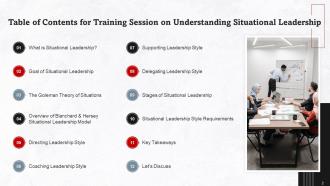
Contenido de esta presentación de Powerpoint
Diapositiva 1
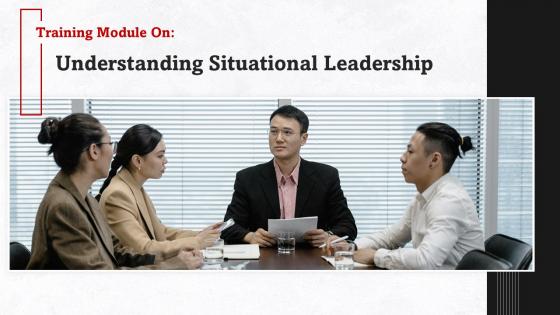
Esta diapositiva ilustra la diapositiva de portada para la Sesión sobre la Comprensión del Liderazgo Situacional.
Diapositiva 3
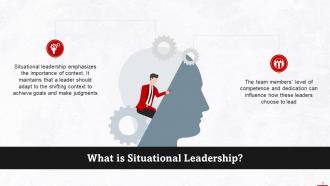
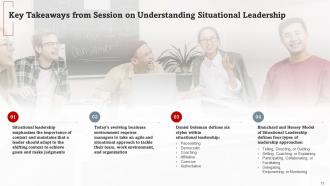
Esta diapositiva analiza la teoría de las situaciones en el liderazgo. Enfatiza la importancia del contexto. Sostiene que un líder debe adaptarse al contexto cambiante para lograr metas y tomar decisiones.
Diapositiva 4
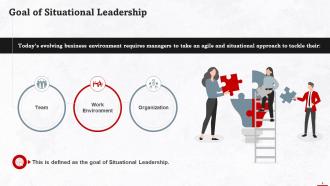
Esta diapositiva presenta el objetivo principal del liderazgo situacional. El entorno empresarial cambiante de hoy requiere que los gerentes adopten un enfoque ágil y situacional para abordar su equipo, entorno laboral y organización.
Diapositiva 5
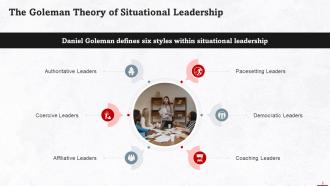
Esta diapositiva proporciona información sobre la Teoría del Liderazgo de Goleman. Daniel Goleman define seis estilos dentro del liderazgo situacional. Estos son: marcapasos, democrático, coaching, afiliativo, coercitivo y autoritario.
Notas del instructor:
- Líderes marcapasos: Un líder marcapasos establece estándares ambiciosos y espera que los miembros del equipo cumplan esas metas con especificaciones precisas.
- Líderes democráticos: Un líder democrático considera la opinión y los comentarios de su equipo al tomar decisiones. Este estilo es efectivo ya que fomenta la participación de todos en todos los procesos y el intercambio de puntos de vista.
- Líderes coaching: Un líder coaching enfatiza la identificación y el desarrollo de las fortalezas individuales de cada miembro del equipo y el desarrollo de estrategias que permitan a los equipos trabajar de manera efectiva y eficiente.
- Líderes afiliados: Un líder afiliativo pone a los demás en primer lugar y suele ser efectivo para reparar los malos sentimientos en un grupo o motivar a otros durante una carga de trabajo pesada y el estrés.
- Líderes coercitivos: Los líderes coercitivos tienen una visión muy clara del objetivo final y de cómo lograrlo. Este estilo funciona bien en desastres o cuando una organización requiere una renovación completa.
- Líderes autoritarios: Un líder autoritario establece metas, determina los procesos. Este líder también supervisa los pasos necesarios para alcanzar esas metas, incluso sin el apoyo activo de los miembros del equipo.
Diapositiva 6
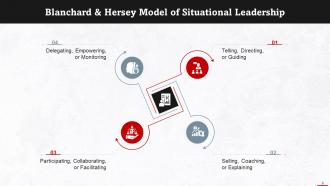
Esta diapositiva ofrece una visión general del modelo de liderazgo situacional que desarrollaron Blanchard y Hersey. El modelo define cuatro tipos de enfoques de liderazgo: Decir, Vender, Participar y Delegar.
Diapositiva 7
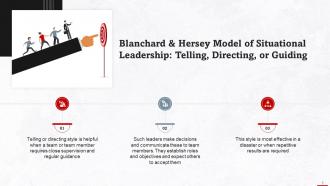
Esta diapositiva proporciona información sobre el estilo de liderazgo situacional de decir, dirigir o guiar. El estilo de decir o dirigir es útil cuando un equipo o miembro del equipo requiere una supervisión cercana y orientación regular.
Diapositiva 8
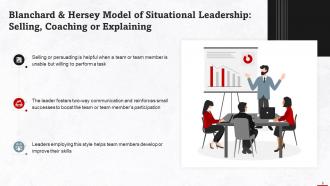
Esta diapositiva analiza el estilo de liderazgo situacional de vender, entrenar o explicar. Vender o persuadir es útil cuando un equipo o miembro del equipo no puede pero está dispuesto a realizar una tarea.
Diapositiva 9
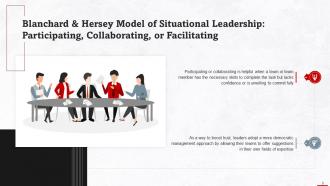
Esta diapositiva proporciona información sobre el estilo de liderazgo situacional de participar, colaborar o facilitar. Participar o colaborar es útil cuando un equipo o miembro del equipo tiene las habilidades necesarias para completar la tarea, pero carece de confianza o no está dispuesto a comprometerse por completo.
Diapositiva 10
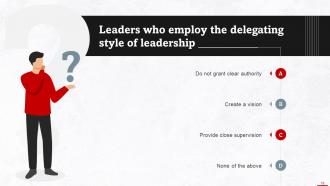
Esta diapositiva analiza el estilo de liderazgo situacional de delegar, empoderar o monitorear. Delegar es útil cuando un equipo o miembro del equipo tiene un alto nivel de habilidad, confianza y automotivación.
Diapositiva 11
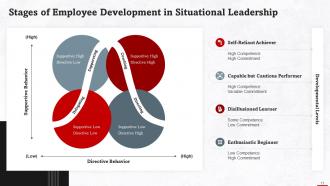
Esta diapositiva ilustra las etapas de desarrollo de los empleados según el Modelo de Liderazgo Situacional de Hersey-Blanchard. Blanchard y Hersey definieron cuatro categorías de desarrollo para los empleados: Baja Competencia - Alto Compromiso, Alguna Competencia - Bajo Compromiso, Alta Competencia - Compromiso Variable, Alta Competencia - Alto Compromiso.
Diapositiva 12
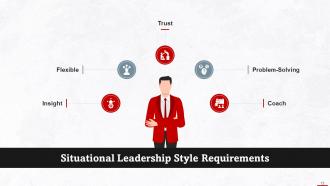
Esta diapositiva destaca los requisitos para el liderazgo situacional. Estos son: perspicacia, flexibilidad, confianza, resolución de problemas y coaching.
Notas del instructor:
- Perspicacia: Los líderes situacionales deben comprender las necesidades de los miembros de su equipo y luego ajustar su estilo de gestión para satisfacer esas necesidades.
- < strong>Flexible: Los líderes situacionales deben poder cambiar los estilos de liderazgo.
- Confianza: El líder debe ganarse la confianza y la confianza de sus seguidores.
- Resolución de problemas: El líder situacional debe ser capaz de resolver problemas, como cómo hacer un trabajo utilizando el mejor estilo de liderazgo disponible.
- Coaching: El líder situacional debe ser capaz de evaluar la madurez y competencia de los seguidores y luego aplicar la estrategia adecuada para mejorar al seguidor y su carácter.
Diapositiva 13
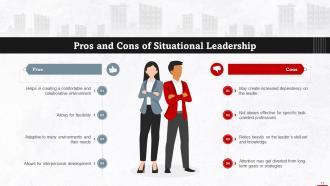
Esta diapositiva enumera los pros y los contras del liderazgo situacional. El liderazgo situacional ayuda a crear un entorno cómodo y colaborativo, permite flexibilidad, etc. Sin embargo, puede crear una mayor dependencia del líder, etc.
Diapositiva 14
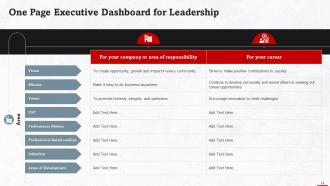
Esta diapositiva muestra un tablero ejecutivo de una página para líderes.
Diapositiva 15
Esta diapositiva resume la sesión sobre la Comprensión del Liderazgo Situacional y enumera los principales puntos clave.
Diapositivas 32 a 48
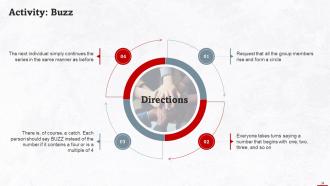
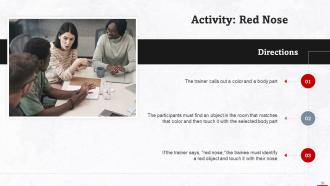
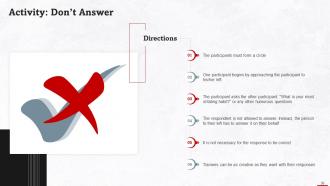
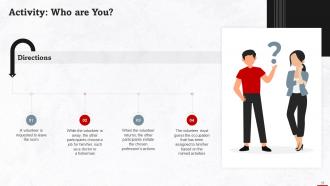
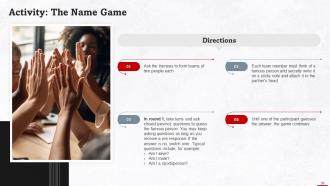
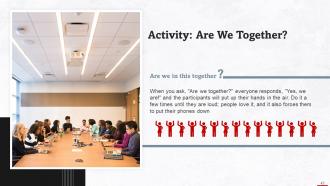
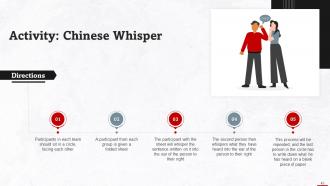
Estas diapositivas contienen actividades energizantes para involucrar a la audiencia de la sesión de capacitación.
Diapositivas 49 a 76
Estas diapositivas contienen una propuesta de capacitación que cubre lo que la empresa que brinda capacitación corporativa puede lograr para el cliente.
Diapositivas 77 a 79
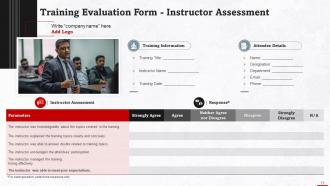
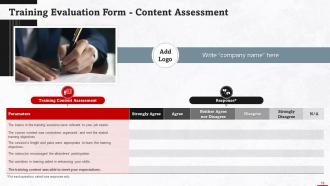
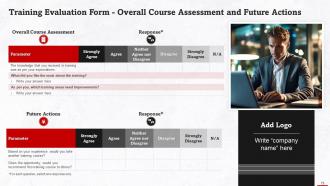
Estas diapositivas incluyen un formulario de evaluación de capacitación para la evaluación del instructor, el contenido y el curso.
Entendiendo el Liderazgo Situacional Presentación con todas las 88 diapositivas
Utiliza nuestra Presentación de Capacitación en Liderazgo Situacional para ayudarte de manera efectiva a ahorrar tiempo valioso. Están listas para adaptarse a cualquier estructura de presentación.














FAQs for Understanding Situational
Look, you basically need to switch up how you lead based on what each person can handle and how motivated they are. New guy on a project? He'll need you walking him through everything step by step. Your star player who's done this a million times? Just tell her the goal and back off - micromanaging her will probably just piss her off anyway. The trick is figuring out where everyone sits skill-wise and motivation-wise for each specific thing they're working on. Then match your style to that. Try picking one person tomorrow and honestly ask yourself if you're giving them what they actually need right now.
Honestly, you've gotta look at two things for each specific task - can they actually pull it off skill-wise, and do they even want to? Like someone might crush presentations but get weird about client calls, right? Pay attention to the signs. Tons of questions usually means they're not sure what they're doing. Avoiding stuff = they're not into it. Jumping right in? They're probably good to go. But here's the thing - just ask them directly! "How do you feel about tackling this?" works way better than guessing. And don't assume someone who's great at one thing will be great at everything else.
Okay so Situational Leadership basically gives you four different approaches. **Directing** is for newbies - tons of instructions and watching over them constantly. When they've got some skills but still need hand-holding, that's **Coaching** time - explain your reasoning, encourage them. **Supporting** works great for competent people who just need confidence boosts. You facilitate but let them call the shots. Then there's **Delegating** for your rock stars who honestly don't need you micromanaging anyway. The whole point? Don't treat everyone the same. Figure out where each person actually is on each specific task first - that's harder than it sounds but totally worth it.
Look, Situational Leadership is perfect for diverse teams because you're not forcing everyone into the same box. New people need way more direction and hand-holding. Your seasoned team members? They probably just want you to trust them and step back. Each person brings different experience levels and work styles - honestly, some of my best performers hate being micromanaged. The trick is figuring out where each person sits skill-wise on different projects, then switching up how you lead them. It sounds obvious but most managers don't actually do it. Way more effective than treating everyone identical.
Oh man, EQ is everything for situational leadership! You've gotta read people's actual emotional state, not just their skill level. Like, is Sarah stressed out or does she genuinely not know how to do the task? Huge difference in how you'd handle that. I've watched so many managers bomb because they can't pick up on those cues. The whole point is adapting your style based on confidence AND competence levels. Also - and this might sound obvious - but how you give feedback matters way more than what you say. Try really watching body language in your next one-on-ones. You'll be surprised what you notice.
Honestly, situational leadership works because you're not treating everyone the same way. Nobody wants to be micromanaged when they already know what they're doing, you know? The trick is figuring out where each person is with different tasks - some need direction, others just need you to get out of their way. When you match your style to their actual skill level, people feel like you actually get them instead of just... idk, going through the motions. It builds way more trust than the usual approach. Start by checking where everyone's at with their projects, then adjust how you manage them accordingly.
Look, you gotta match your style to where they're actually at, not where you want them to be. Newbies need tons of direction but minimal hand-holding - just tell them what to do. Once they get some skills but start doubting themselves? That's when you flip it - way more support, way less micromanaging. Most managers totally blow this part tbh. People who are still learning need both - clear guidance AND encouragement. But once someone's really got it figured out and they're motivated? Just delegate and get out of their way. The trick is actually paying attention to each person instead of using the same approach for everyone.
Honestly, figuring out where each person actually stands skill-wise is way harder than you'd think. You'll probably misjudge someone's abilities or think they're more motivated than they are. Switching between coaching, directing, and delegating all the time? Exhausting. Your team might get confused or think you're playing favorites when you treat people differently. Some folks will straight up resist it - I've seen that happen. Start with real conversations about what each person can handle and what kind of support they actually want. Don't just assume you know.
Oh totally, culture plays a huge role in this stuff. Like in really hierarchical cultures, people might actually want you to be more directive even when they're super skilled - it's what feels normal to them. But then you've got cultures that prize independence, and they'll push back on guidance even when they genuinely need it. Communication styles are all over the place too - some people are way more indirect than others. Honestly, I learned this the hard way with my old team. Don't try to guess what leadership style someone wants based on their abilities alone. Just ask them straight up what works best - saves you so much headache.
Definitely check out "Leadership and the One Minute Manager" first - it's like 100 pages and really breaks down the basics well. Ken Blanchard's certification programs are probably your best bet if you want the real deal since he invented the whole thing. LinkedIn Learning has some decent courses too. I did one last year that wasn't bad. You could also look into local workshops if you're more of an in-person learner. Honestly though, I'd just start with the book and see if you actually like the approach before dropping money on anything formal. Most people find it pretty intuitive once they get the hang of it.
Honestly, Situational Leadership works with pretty much any system you've got going. During your one-on-ones, just pick 2-3 main things each person does and figure out where they sit on that competence-commitment thing. Takes some getting used to, but you'll get the hang of it. Then match how you lead them based on that - works whether you're doing Agile, OKRs, whatever. I'd say start small with your next round of check-ins and see how it feels. The mapping part is kinda the secret sauce here.
So basically you want to track if people are actually getting better at their jobs - productivity numbers, how fast projects get done, that kind of stuff. Employee surveys are super telling too because they'll straight up say if their boss is being helpful or just annoying. Turnover is huge - when situational leadership sucks, people bail quickly. I'd also watch if team members are actually growing and taking on bigger tasks. Honestly though? Just start with quarterly check-ins asking people how supported they feel. Way easier than overthinking it.
Honestly, situational leadership is perfect for agile teams because you're already constantly shifting gears anyway. Your new junior dev who just joined mid-sprint? They need way more hand-holding than your senior people who basically just want you to tell them the goal and disappear. I've noticed the best agile leaders naturally do this - they're coaching hard during retros but then completely hands-off when the team's crushing a familiar sprint. It's all about reading the room. Just watch your team's confidence and skill levels during different phases. You'll start picking up on when someone needs direction versus when they'd rather you just stay out of their way. Works every time.
Oh totally! I use it with my kids all the time, actually. Works amazing in schools, sports, volunteering - basically anywhere you're dealing with people. The whole thing is just matching your style to what someone needs right then. Like, brand new volunteer? They'll probably need you walking them through everything step by step. But that experienced person who's been around forever? Just tell them what needs doing and let them handle it. Teachers do this constantly - same classroom, completely different approaches for different kids. Someone might be a rockstar at one thing but totally lost with something else, so you've gotta stay flexible.
Honestly, you've got to check in with your team way more often than you probably are right now. Weekly one-on-ones work great - just straight up ask "Am I giving you the right amount of direction?" Feels weird at first but people will actually tell you. Track how things go over a few months too. Are people getting more confident and skilled? The tricky part is creating that space where someone can say "hey, you're micromanaging me" or "I actually need more help here." Oh, and don't overthink it - literally just ask one direct question about your leadership style in your next meeting.
-
The best collection of PPT templates!! Totally worth the money.
-
Unique research projects to present in meeting.