


Diapositivas de presentación de Powerpoint de gestión de proveedores





Try Before you Buy Download Free Sample Product
 Impress Your
 Audience
 100%
100% Editable
 Save Hours
 of Time


Seleccione nuestro contenido listo Diapositivas de presentación de PowerPoint de gestión de proveedores para la evaluación y selección de proveedores. Describa las diversas actividades incluidas en la investigación y búsqueda de proveedores con la ayuda de esta plataforma de presentación de evaluación de vendedores. Proceso de evaluación de proveedores La presentación completa de PowerPoint se compone de diapositivas profesionales como determinar los requisitos de la empresa, buscar proveedores apropiados, clasificación de proveedores, solicitud de propuesta de proveedores, selección del modelo operativo del proveedor, proceso de selección de proveedores, cronograma de selección de proveedores, 30-60-90- plan diario, matriz de evaluación de proveedores, planificación estratégica de negociaciones, por nombrar algunos. Administre proveedores y mejore su impacto en el negocio utilizando los elementos visuales PPT del proceso de administración de proveedores. Además, nuestra presentación compresiva ayuda a los ejecutivos a presentar los criterios de calificación de los proveedores, la calidad del servicio de entrega y el precio. Demuestre un proceso paso a paso de selección de proveedores y compare las capacidades del proveedor con sus necesidades. Descargue las plantillas de presentación del proceso de evaluación de proveedores para desbloquear la eficiencia y generar más valor de una relación con el proveedor. Explique claramente las pautas de la empresa con nuestras diapositivas de presentación de Powerpoint de gestión de proveedores. Ayuda a transmitir instrucciones.
People who downloaded this PowerPoint presentation also viewed the following :
Contenido de esta presentación de Powerpoint
Diapositiva 1 : esta diapositiva presenta la gestión de proveedores. Indique el nombre de su empresa y comience.
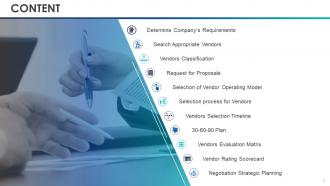
Diapositiva 2 : esta diapositiva muestra el CONTENIDO de la presentación.
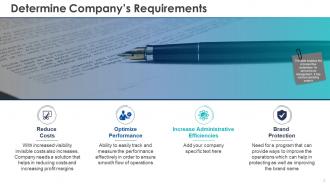
Diapositiva 3 : Esta diapositiva presenta Determinar los requisitos de la empresa que describen: Reducir costos, Optimizar el rendimiento, Aumentar la eficiencia administrativa, Protección de la marca.
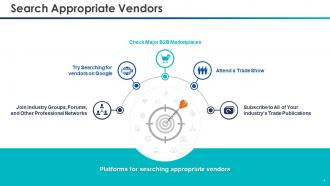
Diapositiva 4 : Esta diapositiva muestra Buscar proveedores apropiados con el diagrama relacionado.
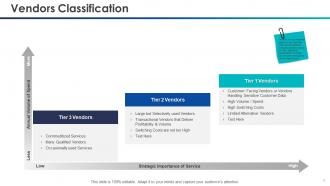
Diapositiva 5 : Esta diapositiva representa la Clasificación de proveedores según los servicios que ofrecen y la cantidad que la empresa debe gastar en ellos.
Diapositiva 6 : Esta diapositiva muestra la Solicitud de propuesta de proveedor con los requisitos. Puede cambiar los datos según los requisitos.
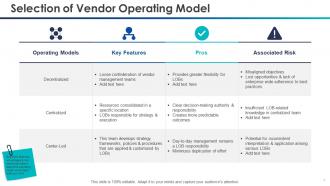
Diapositiva 7 : Esta diapositiva muestra la selección del modelo operativo del proveedor en forma de tabla. Seleccione el modelo operativo que mejor se adapte a su empresa.
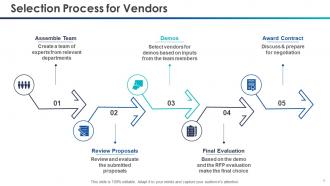
Diapositiva 8 : Esta diapositiva presenta el proceso de selección de proveedores que describe: reunir equipo, demostraciones, adjudicar contrato, revisar propuestas, evaluación final.
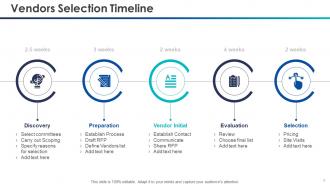
Diapositiva 9 : Esta diapositiva muestra el cronograma de selección de proveedores que describe: descubrimiento, preparación, inicial del proveedor, evaluación, selección.
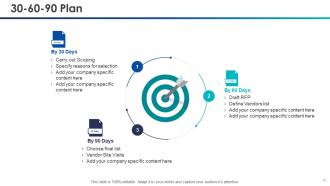
Diapositiva 10 : Esta diapositiva muestra el plan 30-60-90 con imágenes relacionadas.
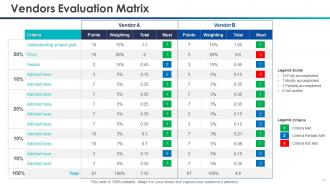
Diapositiva 11 : Esta diapositiva muestra la Matriz de evaluación de proveedores. Puede agregar o editar datos según sus necesidades.
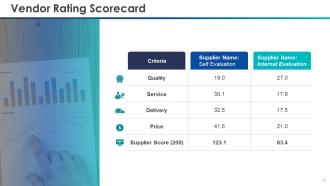
Diapositiva 12 : Esta diapositiva presenta el Cuadro de mando de calificación de proveedores con categorías como Criterios, proveedor de autoevaluación y proveedor de evaluación interna.
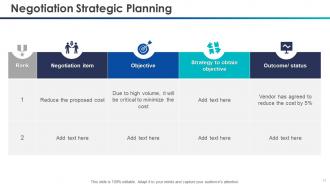
Diapositiva 13 : Esta diapositiva muestra la planificación estratégica de la negociación en forma de tabla.
Diapositiva 14 : esta diapositiva se titula Diapositivas adicionales para avanzar.
Diapositiva 15 : Esta es la diapositiva Acerca de nosotros para mostrar las especificaciones de la empresa, etc.
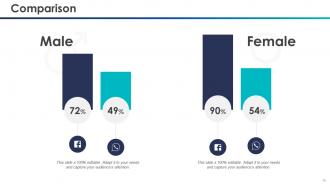
Diapositiva 16 : Esta es una diapositiva de comparación para establecer una comparación entre productos básicos, entidades, etc.
Diapositiva 17 : Esta es la diapositiva de Nuestro equipo con nombres y designaciones.
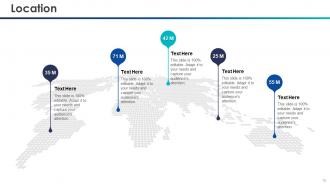
Diapositiva 18 : Esta es una diapositiva de Ubicación con mapas para mostrar datos relacionados con diferentes ubicaciones.
Diapositiva 19 : esta es una diapositiva de rompecabezas con cuadros de texto.
Diapositiva 20 : Esta es una diapositiva de destino. Indique sus objetivos aquí.
Diapositiva 21 : esta es una diapositiva de Lego con cuadros de texto adicionales.
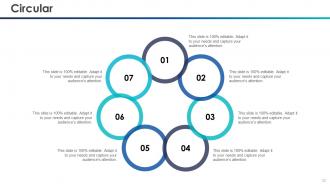
Diapositiva 22 : esta es una diapositiva circular con cuadros de texto para mostrar información.
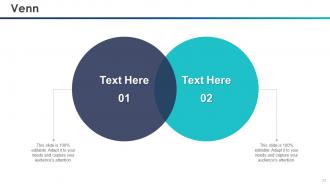
Diapositiva 23 : Esta es una diapositiva de Venn. Muestre los datos relevantes en consecuencia.
Diapositiva 24 : Esta es una diapositiva de Idea o Bulbo para enunciar una nueva idea o resaltar información, especificaciones, etc.
Diapositiva 25 : esta diapositiva muestra una lupa con cuadros de texto.
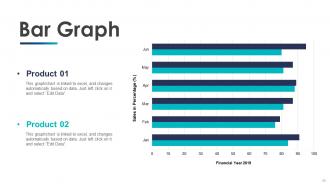
Diapositiva 26 : Esta diapositiva muestra un gráfico de barras con una comparación de dos productos.
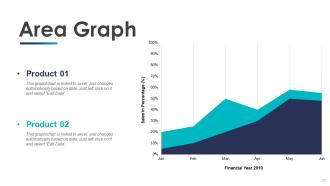
Diapositiva 27 : Esta diapositiva muestra el gráfico de área con la comparación de dos productos.
Diapositiva 28 : Esta es una diapositiva de agradecimiento con dirección, números de contacto y dirección de correo electrónico.
Diapositivas de presentación de Powerpoint de gestión de proveedores con las 28 diapositivas:
Manténgase alerta con nuestras diapositivas de presentación de Powerpoint de gestión de proveedores. Enfréntese a lo que venga con sus ideas.
-

Vendor Management
-
Content
-
Determine Company s Requirements
-
Search Appropriate Vendors
-
Vendors Classification
-

Request for Vendor Proposal
-
Selection of Vendor Operating Model
-
Selection Process for Vendors
-
Vendors Selection Timeline
-
30 60 90 Plan
-
Vendors Evaluation Matrix
-
Vendor Rating Scorecard
-
Negotiation Strategic Planning
-

Additional Slides
-

About Us
-
Comparison
-

Our Team
-
Location
-
Puzzle
-

Target
-
Lego
-
Circular
-
Venn
-

Idea or Bulb
-

Magnifying
-
Bar Graph
-
Area Graph
-

Thank You
FAQs for Vendor management
You need solid vendor criteria first, then contracts with actual SLAs that mean something. Monitor performance regularly and don't treat them like they're just taking orders - biggest mistake I see everywhere. Risk assessment is huge too (learned that one the hard way). Map out which vendors are actually strategic vs just transactional - saves you tons of time figuring out priorities. Regular business reviews keep everyone on track. Oh, and standardized onboarding processes help a lot. Honestly, most people skip the relationship management part but that's where the real value is.
Honestly, get some vendor management software - it'll automate all that tedious stuff like contract renewals and compliance tracking. You can dump all your vendor info in one place instead of juggling spreadsheets (which, let's be real, is a nightmare). The real-time performance tracking is clutch for spotting issues early. I'd start with digitizing whatever eats up most of your time first. Maybe RFPs or contract deadlines? The spending analytics are pretty solid too - helps you find where you're bleeding money. Automated alerts will save your butt when deadlines creep up. Trust me, once it's running, you'll wonder how you managed before.
Track the obvious stuff first - delivery times, quality scores, cost accuracy. That's your foundation. But here's what most people miss: how fast do they respond when things go sideways? Are they actually following your requirements? I'd set up a scorecard that weights everything based on what matters for each vendor. Some relationships are all about cost, others need reliability. Don't just focus on price though - I've watched companies save pennies and lose dollars when service quality crashes. Review quarterly so you catch issues early instead of scrambling later.
First thing - pick one person from each team to be the main contact. Trust me, nothing's worse than having random people reaching out and creating chaos. Weekly or monthly check-ins work great depending how big the project is. Email's fine for most stuff, but definitely grab phone numbers for when things hit the fan. If they're cool with it, try getting them on Slack or Teams since everything stays visible that way. Oh, and write everything down! Both sides need to know exactly who handles what when something goes sideways.
So basically, vendor risk assessment is like doing a background check on companies before you trust them with your stuff. You're checking if they're financially solid, have decent security, follow regulations - all that important business. Honestly, it's way better to catch red flags upfront than deal with a nightmare later. The whole process helps you decide who to work with and what kind of contract terms you'll need. Some vendors need way more monitoring than others, obviously. Just start with a basic checklist and tweak it based on what each vendor's actually doing for you. Makes the whole decision process so much cleaner.
Just bake the compliance stuff into your vendor process right away - don't try to bolt it on later. I'd do contract reviews every quarter and track the big stuff like deadlines and payment terms. Excel honestly works fine if you actually update it (which is the hard part lol). The key thing is making someone own each vendor relationship - otherwise everyone assumes someone else is watching. Document when things go sideways, and yeah, have those uncomfortable conversations early when vendors start slacking. Pick your top three vendors and audit them this month to get started.
Ugh, vendor management is rough - you're basically dealing with poor communication, missed deadlines, and scope creep constantly. Honestly feels like herding cats half the time! What's helped me is getting super detailed with contracts and SLAs upfront, even if it feels excessive. Check in regularly too, don't just wait for fires to put out. Oh and build actual relationships with your key people because when stuff inevitably hits the fan, you'll need them on your side. Maybe start by picking your 3 biggest headaches right now and tackle those first?
Honestly, the secret is treating vendors like actual partners instead of just people you pay for stuff. Regular check-ins help way more than only calling when something's on fire. Pay them on time - I can't stress this enough, late payments destroy relationships super fast. When things go sideways, give real feedback instead of just venting. Also worth understanding what pressures they're dealing with on their end. Makes finding solutions that work for everyone way easier. Oh and consistency beats intensity every time.
Honestly, don't just go with the cheapest option - I learned that the hard way on a project last year. Check their financial stability and past work first. References are huge, and see how fast they respond to your emails. Technical skills matter obviously, but so does whether you can actually stand working with them day-to-day. If your industry has compliance stuff, make sure they're certified. Oh, and create some kind of scoring system with different criteria weighted by importance. Way better than just going with your gut, though mine's usually pretty good lol.
Honestly, start by actually tracking the numbers - what percentage you're spending with minority/women/veteran-owned businesses right now. Your procurement team needs to know this isn't just a checkbox exercise. Expand beyond your usual vendor networks since those tend to be pretty samey. Partner with diverse supplier organizations and maybe create some mentorship programs to help smaller companies meet your standards. The key thing though? Measure progress monthly and hold people accountable. I've seen too many companies talk a big game but never follow through. Oh, and set actual goals with deadlines - vague intentions don't work.
Honestly, vendor management can totally make or break your supply chain. Good relationships mean better lead times and way fewer headaches when things go sideways. Bad vendor management though? You're stuck dealing with delays and cost overruns - plus that awful scramble when someone drops the ball. Communication is huge here. Map out your most critical suppliers first, then set up regular check-ins with some basic performance tracking. I learned this the hard way, but time spent building these relationships upfront will save you so much stress later. Worth the effort for sure.
So for vendor stuff, I'd check out Coupa, SAP Ariba, or Ivalua if you've got the budget - they're pretty comprehensive. But honestly? Airtable or Monday.com might be perfect if you're not dealing with crazy complex workflows. ContractWorks is solid for the contract side too. Here's the thing though - whatever you pick needs to play nice with what you're already using. I've seen too many companies create these weird disconnected systems that nobody wants to touch. Map out how you currently handle vendors first, then tackle your biggest headaches. Don't overthink it.
Okay so first thing - do your research. Check out their competitors, market rates, all that boring stuff but it actually matters. Ask for way more than you want because you'll negotiate down anyway. Big stuff like pricing and payment terms obviously come first, but honestly? Those tiny details will screw you over if you're not careful. I learned that the hard way once. Try to make it feel collaborative instead of like you're going to war with them. Nobody wants to deal with an asshole, you know? Oh and whatever you agree on, get it in writing before anyone celebrates.
Document everything first - emails, contracts, all of it. Hit up your main contact there and try talking it through. Honestly, half these things are just miscommunications that sort themselves out. No luck? Time to loop in your manager and escalate to their higher-ups too. Stay professional but don't be a pushover about what you need. Give them deadlines and have a Plan B ready. The paperwork you collected earlier will save your butt if this turns into a real mess later.
Negotiation training is where I'd start - you'll see results right away. Risk assessment workshops and relationship management are the other must-haves. Don't skip financial analysis either since you're always crunching numbers on vendor proposals. Here's what nobody talks about enough: soft skills training. When vendors mess up (and they will), you need solid communication and conflict resolution skills. Honestly, those workshops have saved my butt more times than I can count. Throw in some basic legal training too so your team actually understands what they're signing. But yeah, start with negotiation - that's your biggest bang for the buck.
No Reviews