


Workplace Stress Management Strategies Powerpoint Presentation Slides




Try Before you Buy Download Free Sample Product
 Impress Your
 Audience
 100%
100% Editable
 Save Hours
 of Time


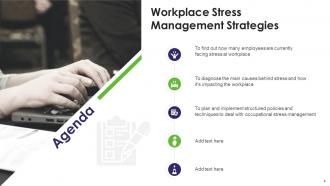
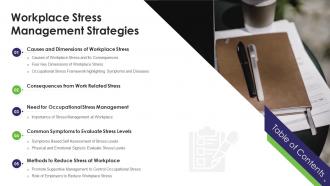
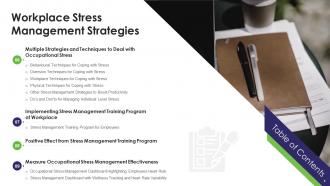
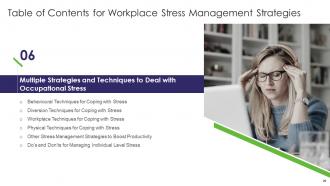
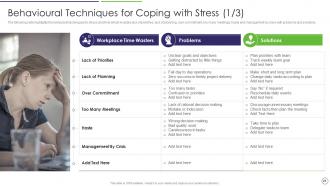
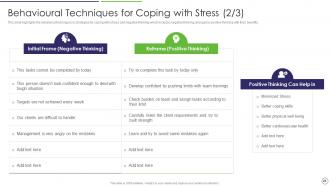
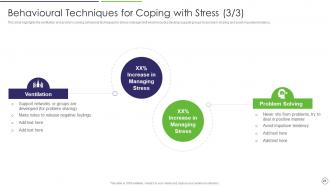
Occupational stress management strategies or programs are designed to prevent and cure the negative effect of job stress on employees. First, this module highlights the causes and dimensions of workplace stress, including overwork, poor working conditions, change at work, uncertainty, conflicts, and zero support from management as the main causes and its consequences on the organization and employees. Grab our professionally designed Workplace Stress Management Strategies template. Additionally, it covers the need for work-related stress, including the importance of managing stress, symptoms-based self-assessment of stress levels, and physical and emotional signs to evaluate stress. Further going, it highlights the different methods to reduce stress levels, including promoting supportive management, and covers various strategies and techniques to deal with stress, including behavioral techniques, diversion techniques, workplace techniques, and physical techniques. Lastly, it mentions the stress management training program along with positive effects, and in the final stage, it covers the dashboard to measure occupational stress management effectiveness. Get access now.
People who downloaded this PowerPoint presentation also viewed the following :
Content of this Powerpoint Presentation
Workplace stress has become a common thing in today’s competitive and fast-paced work environment. Employee’s well-being and productivity are majorly affected by the workplace. There could be various reasons behind this workplace stress, such as meeting deadlines, hectic schedules, high workloads, and conflicts with team leaders, supervisors, or colleagues. To manage this kind of stress, there are some strategies with the help of which you can achieve your emotional and mental well-being. If this stress is left unexamined, it will undoubtedly lead to anxiety job dissatisfaction, and which will ultimately affect your overall performance in the organization in which you work.
Get ready-to-use PPT slides if you want to present the negative impacts of workplace stress!!!
Employers play a vital role in providing an easygoing and friendly environment. They can organize stress management workshops and access counseling services. SlideTeam has recognized the problem and come up with a solution to maintain a healthy work environment in an organization. Our team has designed customizable PPT slides to help you find out what problems people are having in your organization and the causes, consequences, symptoms, and diseases related to them.
Download our customizable 3-stage training templates for stress management at the workplace!
Template 1: Causes of Workplace Stress and its Consequences
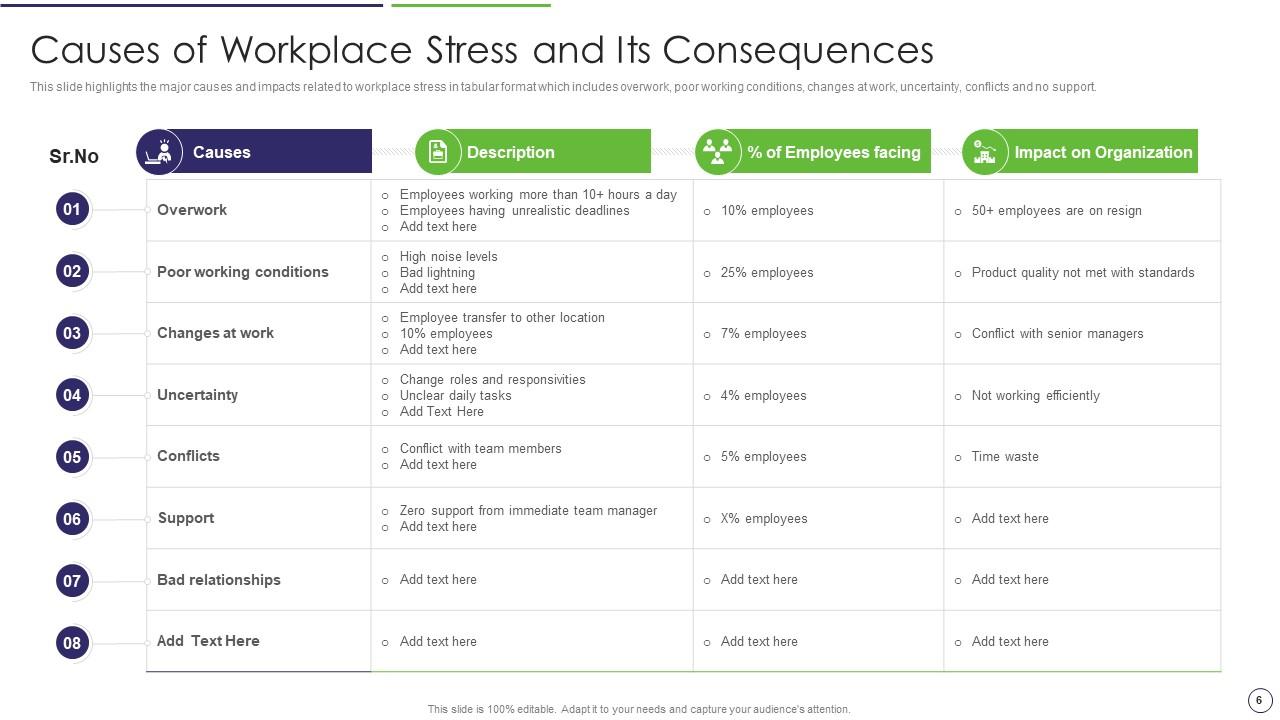
Recognizing the causes of workplace stress is one of the significant things if you want to resolve and implement strategies related to them. This PPT slide will provide you with the opportunity to state eight causes. You can also add the description of these causes, the number of people facing that problem, and the impact of those on the organization. You can add causes like bad relationships, support, conflicts, certainty, changes at work, poor working conditions, and overwork. Grab this template if you want to present the causes and consequences of workplace stress.
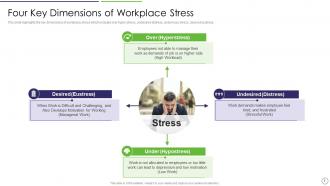
Template 2: Four Key Dimensions of Workplace Stress
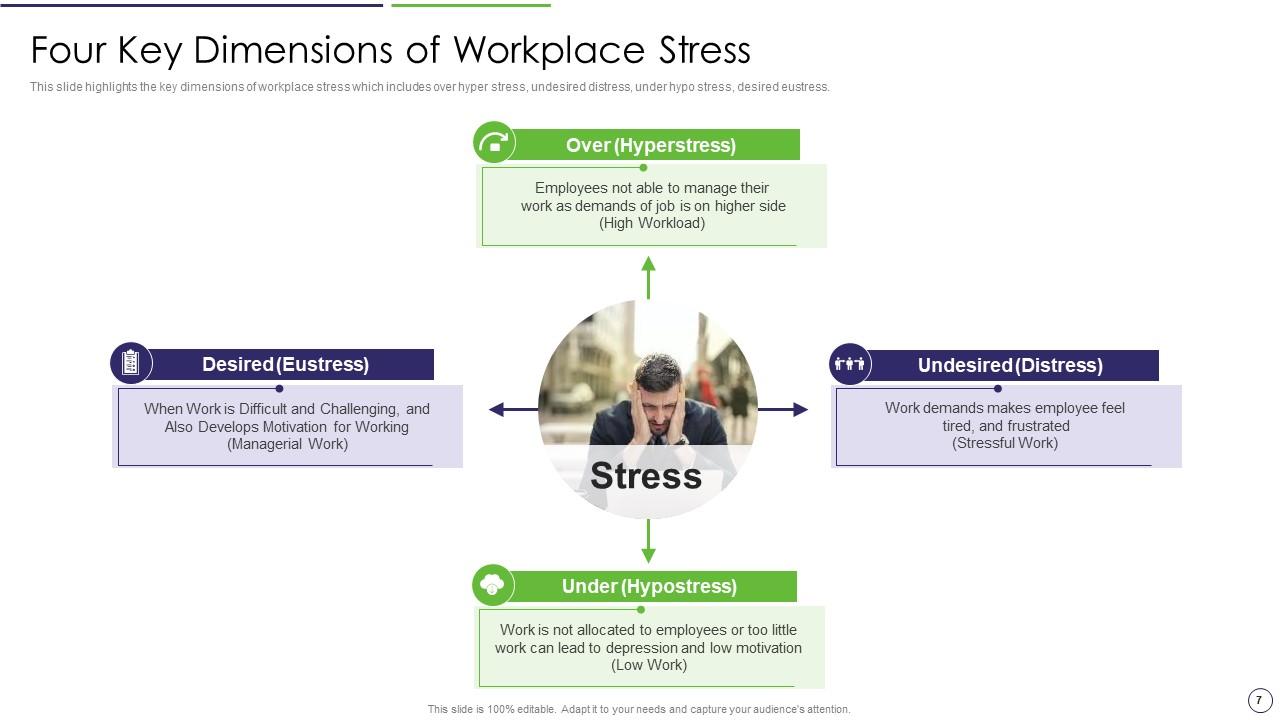
Demonstrating the key dimensions of workplace stress plays a significant role in defining what kind of stress your employees have. This PPT slide provides you with the opportunity to define stress with the help of a flowchart. You can state hypostress, distress, hyperstress, and eustress. Through innovative icons, you can easily demonstrate workplace stress and understand the kind of stress your employees.
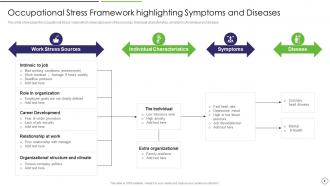
Template 3: Occupational Stress Framework Highlighting Symptoms and Disease
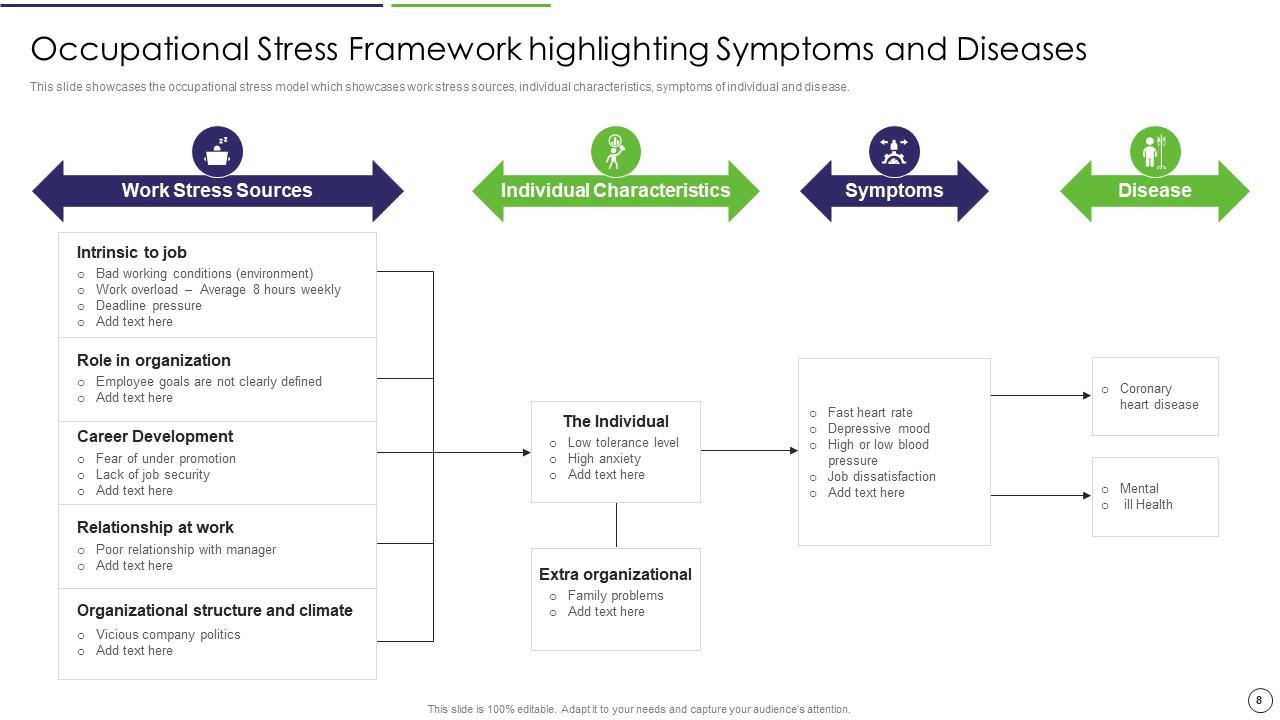
Highlight your work stress sources, individual characteristics, symptoms, and disease with this PPT slide. You can define the employee’s role in the organization, organizational structure and climate, career development, and relationship at work, along with individual characteristics, symptoms, and disease, through this template. Through color-coordinated text, the PPT slide makes the description attractive and captivating. Occupational stress framework highlighting symptoms and disease are mentioned worthy along with workplace stress sources.
Template 4: Consequences from Work-Related Stress
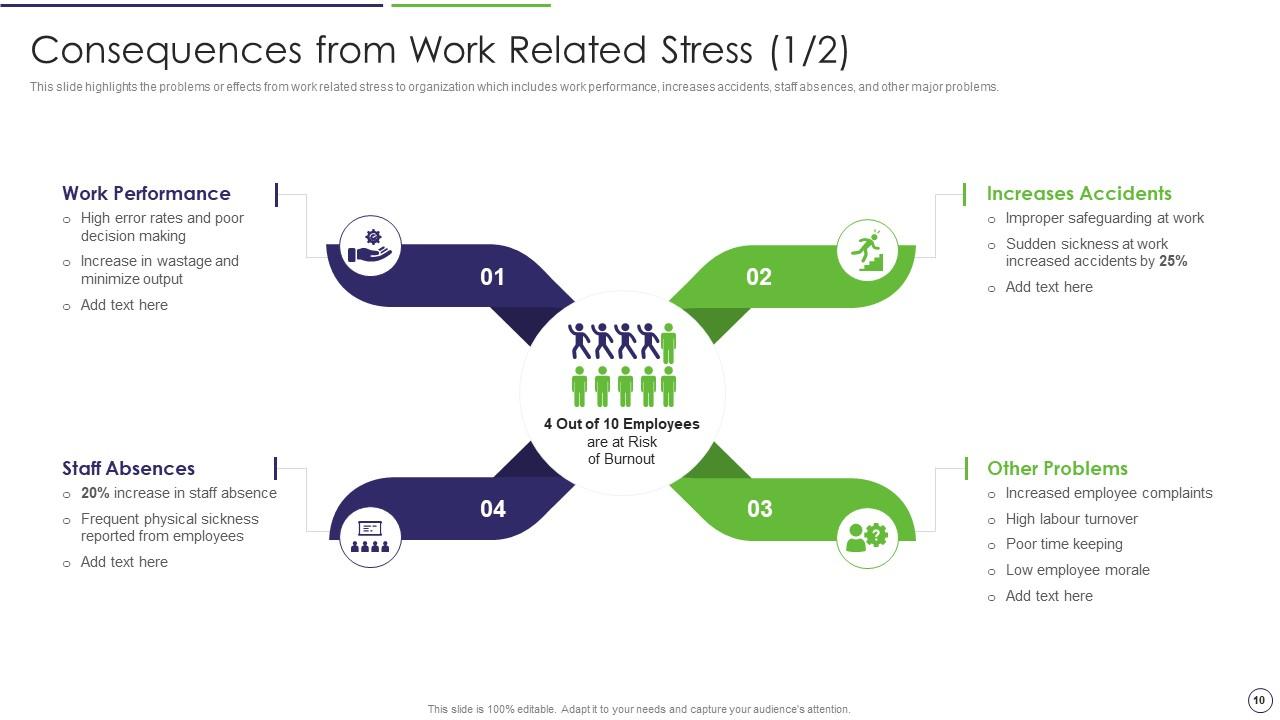
Demonstrate the work-related stress with this PowerPoint slide. Through the help of creative visuals, you can mention the work performance of employees, increased accidents, staff absences, and other problems. This PPT slide helps you to highlight work-related stress and its consequences. As the slide is customizable, you can mention the error rates, poor decision-making skills, increase in staff absence, and increased employee complaints.
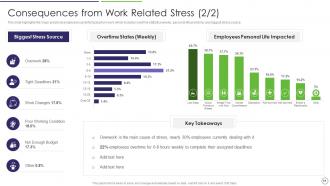
Template 5: Consequences from Work-Related Stress
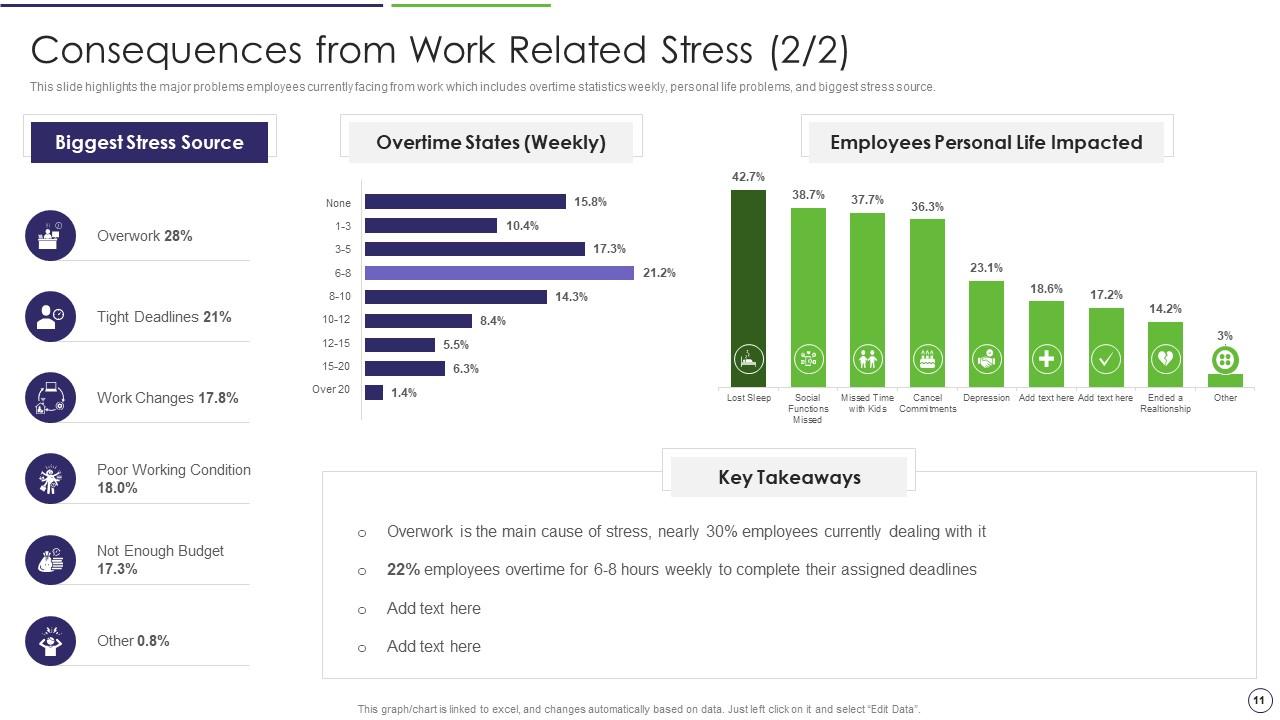
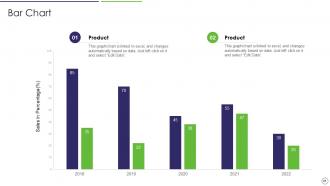
What are the most significant stress sources of an organization, what weekly overtime stats, and what employee’s personal life impacted are the consequences and critical takeaways can be mentioned through this template. Overwork, not enough budget, poor working conditions, work changes, and tight deadlines are some of the most significant stress sources in a workplace. This slide will also provide you with a graph to demonstrate the overtime stats and the impact of stress on employee’s personal life.
Template 6: Importance of Stress Management at Workplace
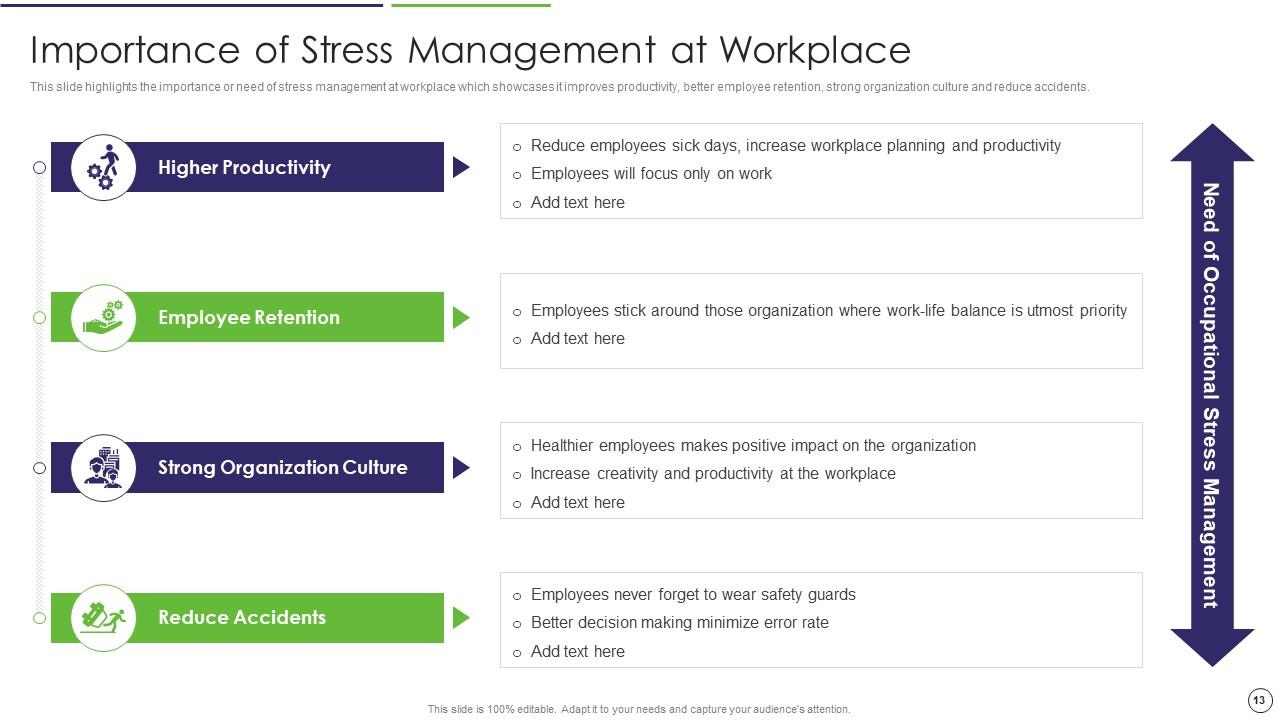
Workplace stress management is essential for employee retention, organizational solid culture, reduced accidents, and higher productivity. Stress management is essential, and strategies must be implemented. Workplace stress management leads to reduced employees' sick leaves, increased workspace planning and productivity, more focus on work, sticking around where work-life balance is the utmost priority, best decision-making and minimum error rate, and many more.
Template 7: Symptoms-Based Self-Assessment of Stress Levels
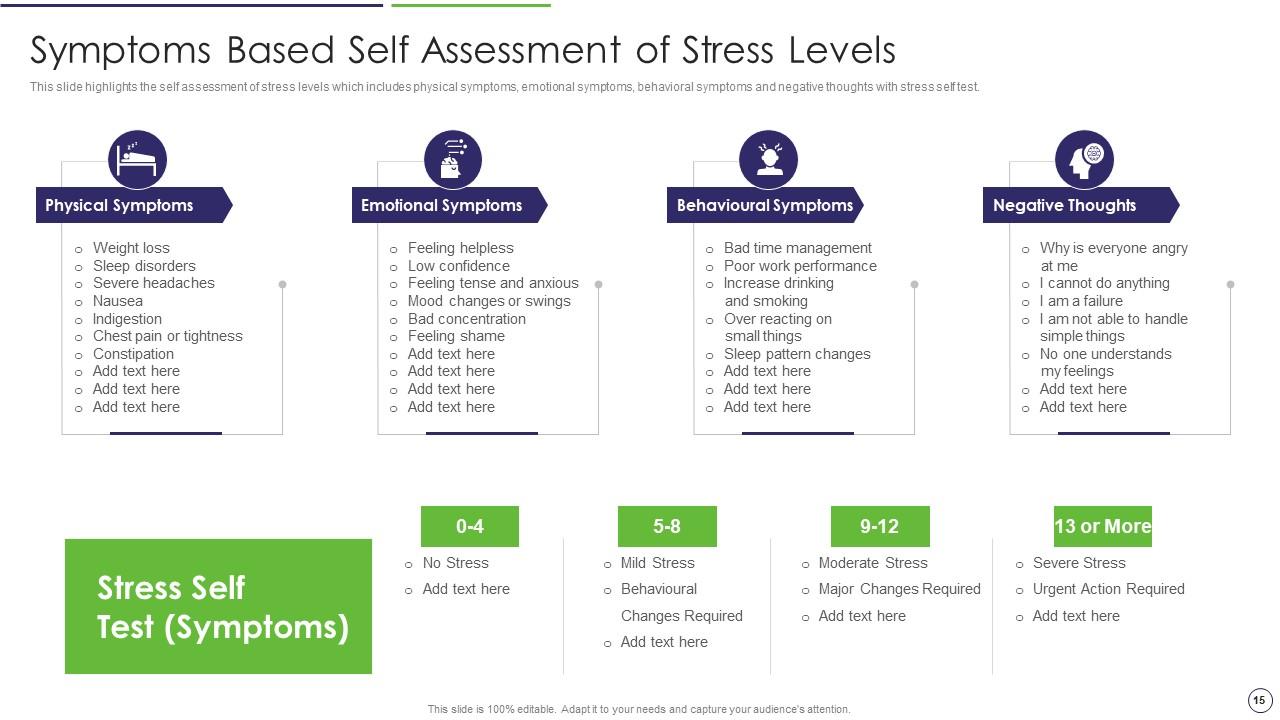
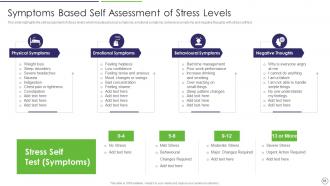
Self-assessment tests are essential for recognizing the level of stress one has. There are physical, emotional, and behavioral symptoms, as well as negative thoughts, which can be demonstrated through this particular template. On the basis of the scores of the tests, one can determine the level of stress they have, whether you have no stress, mild stress, moderate stress, or severe stress.
Template 8: Physical and Emotional Signs to Evaluate Stress Levels
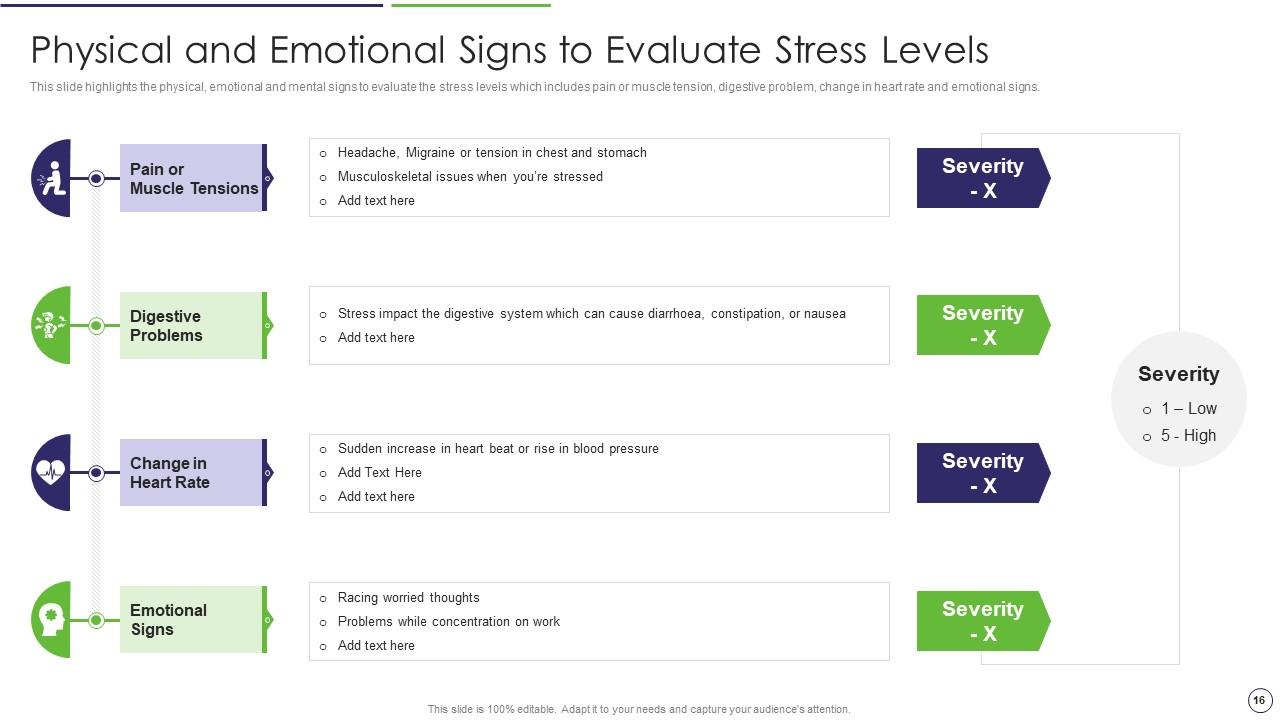
Some physical and emotional signs can evaluate stress levels; this particular slide will help you demonstrate different signs, such as a change in heart rate, emotional signs, digestive problems, and pain or muscle tension. The severity of these signs defines the level of your stress. As the slide is customizable, you can evaluate the stress level accordingly.
Template 9: Promote Supportive Management to Control Occupational Stress
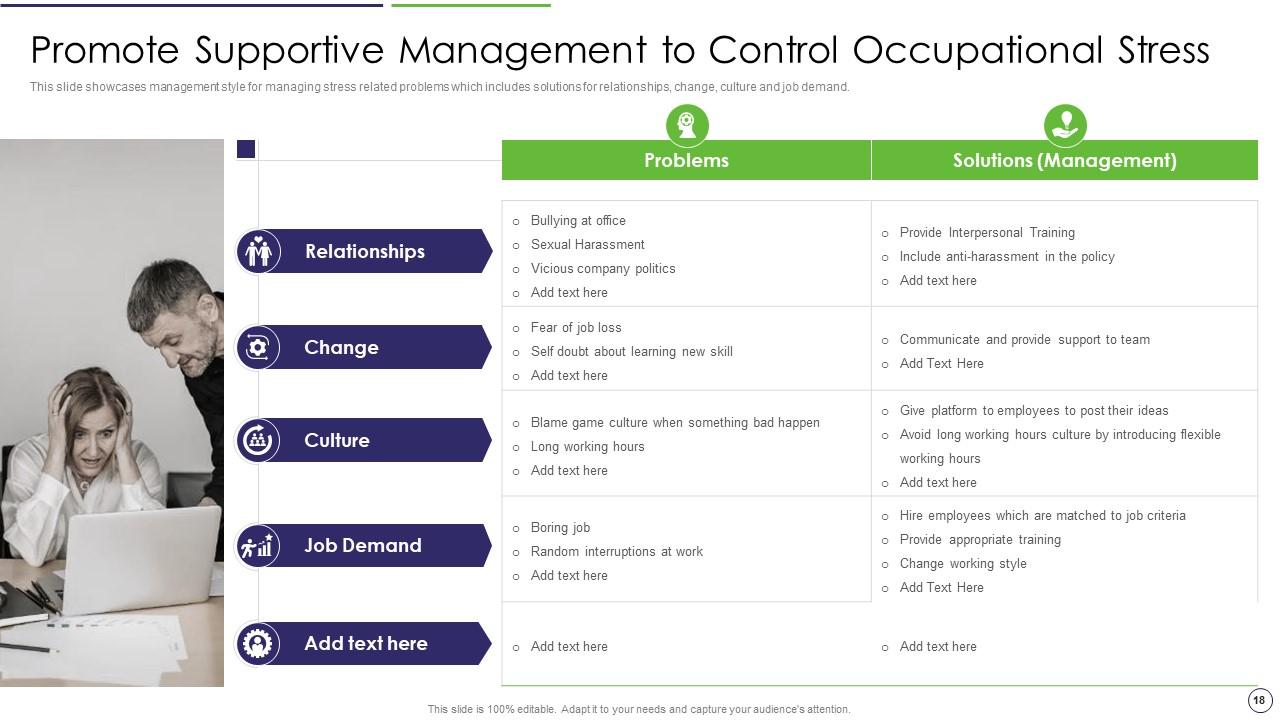
There are various ways to control occupational stress; you can mention problems and solutions in this template. This slide provides you with the opportunity to mention the problems and solutions to relationships, change, culture, job demand, and others. Through innovative and captivating icons, you can quickly identify the problems of work stress and give practical solutions to them.
Template 10: Role of Employers to Reduce Workplace Stress
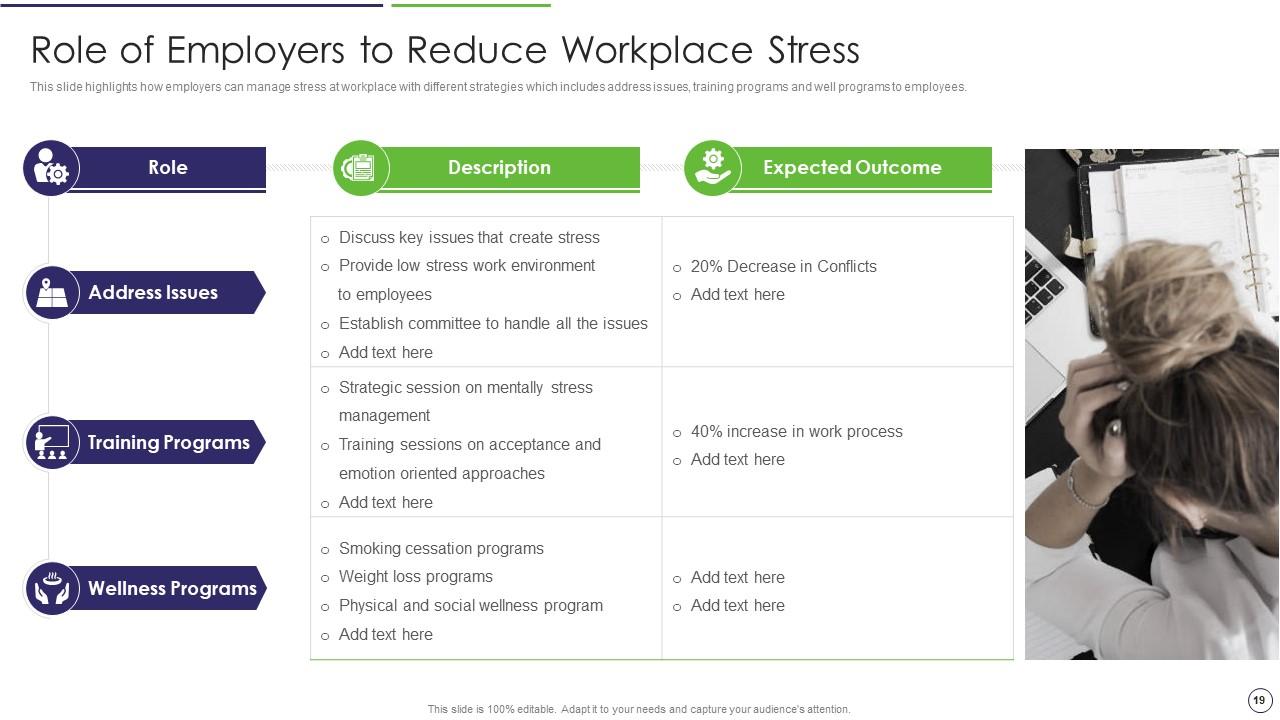
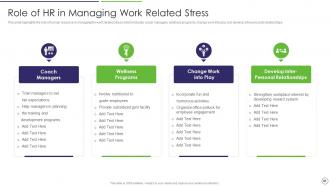
Employers play a vital role in identifying the problem and implementing strategies to reduce workplace stress. This template will help you address the issues, training programs, and wellness programs. You can describe the various problems causing stress and write the expected outcomes with impressive and creative visuals.
In conclusion, workplace stress management strategies involve practicing mindful techniques, maintaining a healthy lifestyle and seek support from colleague and professionals when needed. You must explore various strategies for identifying and managing workplace stress, both from an employer and employee perspective and these PPT slides will help in doing so.
P.S. Download the infographics for workplace stress reduction!!!
Workplace Stress Management Strategies Powerpoint Presentation Slides with all 53 slides:
Use our Workplace Stress Management Strategies Powerpoint Presentation Slides to effectively help you save your valuable time. They are readymade to fit into any presentation structure.
















FAQs for Workplace Stress Management Strategies
Ugh, workload stuff is the worst - crazy deadlines, way too much on your plate, or when nobody tells you what actually matters. Difficult coworkers and micromanaging bosses are right up there too. Job security fears hit different these days, honestly. You've also got the classic work-life balance nightmare and feeling totally invisible when you do good work. Oh, and having zero say in decisions that mess with your day? That'll drive you nuts. Figure out which one's eating at you most because fixing workload issues is totally different from dealing with toxic people or broken company culture.
Honestly, you'll usually notice the team stuff first - people calling out sick more, productivity dropping, or just more drama between coworkers. Individual signs are trickier though. Someone might get snappy over little things or suddenly start making careless mistakes they wouldn't normally make. Sometimes people just go quiet and withdraw. I swear half the time it's just your gut telling you something feels off with someone. Those anonymous surveys actually work pretty well for catching issues early. Main thing is making sure people aren't scared to speak up when they're struggling.
Dude, company culture makes or breaks your stress levels, no joke. When leadership actually cares about work-life balance and doesn't set impossible deadlines, you won't feel like you're drowning constantly. Toxic places that glorify overwork though? Total nightmare. What really matters is having that psychological safety thing - like, can you actually tell your boss when you're swamped without getting side-eyed? I learned this the hard way at my last job lol. Pay attention to how managers react when people bring up workload issues and whether coworkers genuinely help each other out during crunch time.
Honestly, mindfulness stuff actually works for work stress - I was skeptical at first too. Just 5-10 minutes of breathing exercises can help with those awful deadline crunches and awkward meetings. Studies show it drops cortisol levels pretty quickly, like within weeks. You don't need to go full zen master or anything. I use Headspace sometimes, or just take a few deep breaths before stressful calls. The trick is doing it regularly rather than for hours at a time. It sounds almost too basic to actually help, but somehow it does make handling difficult conversations way easier.
Honestly, start with just making it clear people won't get penalized for admitting they're stressed - that psychological safety thing is huge. Regular check-ins help, but ask how they're *actually* doing, not just work stuff. Most managers totally avoid this because it's weird at first, but whatever. When someone's drowning, help them figure out what's actually urgent vs what just feels urgent. Flexible schedules are clutch if you can swing it. Oh and if your company has those employee assistance programs, actually tell people about them - half the time nobody knows they exist. Don't wait for people to crash and burn though. Maybe try asking "how's everyone managing their workload?" at your next team meeting.
Honestly, realistic deadlines are a lifesaver - they stop you from living in constant panic mode. You can actually plan stuff out and do decent work instead of always feeling behind. Track how long tasks really take vs what you estimate (spoiler: probably way off lol). Build in buffer time because something always goes wrong. Then use that data when people ask for crazy timelines. Sometimes you can push back, other times at least negotiate something more reasonable. Oh and don't be like me procrastinating on the tracking part for months!
Honestly, working from home is kind of a mixed bag for stress levels. No more commute hell or dealing with annoying office drama, which is amazing. Plus you can throw in laundry between meetings lol. But some days I miss having coworkers around - it gets pretty quiet. The worst part? Work just bleeds into everything when your laptop's always right there. I've definitely worked way longer hours than I should. Setting actual boundaries helps though. Like, close the laptop at 6pm and don't check email after. Oh, and having a dedicated workspace makes a huge difference.
Honestly, communication can totally turn around team stress. People need to feel heard instead of just keeping everything inside, you know? I'd start with those quick weekly check-ins - like 15 minutes max. Listen actively so you catch issues before they blow up. Be real about workloads too. The thing is, your team has to feel safe speaking up without getting judged for it. I've watched this work so well when it becomes routine instead of only happening during crises. Oh, and transparency goes a long way - don't keep people guessing about what's going on.
Oh man, work stress is the worst! Check if your company has an EAP - most do and they're actually pretty decent for free counseling. I'm obsessed with Headspace lately, but honestly YouTube meditation videos work just as well when you're broke lol. Does your office have any quiet spaces? Even a conference room works. The weirdest thing that helped me was literally scheduling "breathing time" on my calendar - sounds dumb but people leave you alone when they see you're "busy." Start small though, like 5-10 minutes. You don't need to become a zen master overnight.
Oh absolutely, employee feedback is everything for this stuff. Survey people about what's actually stressing them out and which programs help vs the ones that feel like total BS. Anonymous surveys work best - nobody wants to put their name on "my manager is driving me crazy" lol. Act on what they tell you though, that's the crucial part. Short pulse surveys beat those massive annual ones that nobody fills out properly. Show them you're listening by making actual changes based on their input. It's kinda wild how many companies skip this obvious step.
Honestly, work-life balance is everything for managing stress. You know that awful "always on" feeling? That's what burns you out. I learned this the hard way checking emails at like 11pm every night - felt absolutely terrible. Your brain needs actual downtime to recharge, but without boundaries, work stress just seeps into everything else. Set firm limits though and it's a game changer. Don't take calls after hours. Actually use your vacation days (seriously, use them!). Even tiny boundaries make stress way more manageable.
So basically, good resilience training teaches people actual coping skills they can use when work gets crazy. Stuff like recognizing when you're stressed, breathing exercises, managing your time better - you know, real techniques that actually help. Interactive workshops work way better than sitting through boring presentations (been there, done that). I'd definitely include peer support too because it helps knowing other people deal with the same garbage. Figure out what's actually stressing your team first, then build training around those specific situations. People need to practice this stuff or it won't stick.
Ugh, chronic work stress is no joke - it literally wreaks havoc on everything. Your heart, blood pressure, mental health... all of it takes a beating. Plus your immune system basically gives up, so you're constantly getting whatever's going around the office. I swear, good sleep becomes this mythical thing you used to have. Depression and anxiety love to crash the party too. Oh, and the headaches and stomach issues from all those stress hormones? Yeah, that's fun. Look, I've watched people completely flame out from just grinding through it. Don't be that person. Hit up HR or find a therapist before this derails your whole life.
Oh man, D&I stuff is actually huge for stress relief! When you can just be yourself at work without all that exhausting code-switching, it's like a weight lifts off. Honestly, I didn't realize how draining it was until I experienced real psychological safety. These programs help break down those systemic barriers too - you know, the biased promotion cycles and isolation that burn people out. Diverse teams are way better at handling conflict constructively. My old company finally got serious about it last year and the whole vibe shifted. If yours doesn't have solid programs yet, definitely push for them!
Honestly, team activities are lifesavers for stress. You get to actually know your coworkers as people, not just the person who always microwaves fish in the break room. Communication gets so much smoother when you're comfortable with everyone. Plus your brain gets a break from the usual grind - it's like hitting refresh. The trust thing is huge too. You'll actually feel okay asking for backup when things get crazy. Even something simple works - grab lunch together once a month or do those random coffee walks. Worth trying for sure.
-
Wonderful ideas and visuals. I'm really pleased with the templates, which are unique and up to date.
-
“Excellent information with easy access.”